The modern manufacturing landscape is undergoing profound shifts driven by the rising scarcity of rare metals. From high-tech electronics to critical defense systems, industries worldwide are grappling with constrained supplies, volatile prices, and mounting geopolitical pressures. This article examines the complex interplay between dwindling metal reserves and the direct impact on production costs, while exploring adaptive strategies, technological innovations, and policy measures that can help stabilize global markets.
Scarcity and Global Supply Dynamics
Rare metals such as Lithium, Cobalt, and Nickel are essential for batteries, advanced alloys, and electronic components. However, their finite geographical distribution has created a fragile supply chain:
- Geopolitical Concentration: Major producers are often located in regions with unstable political climates or stringent export controls.
- Resource Depletion: High-gradation ores become exhausted, forcing companies to mine lower-grade deposits, increasing extraction costs.
- Environmental Regulations: Stricter emission standards and land restoration requirements elevate the cost-per-ton of mined materials.
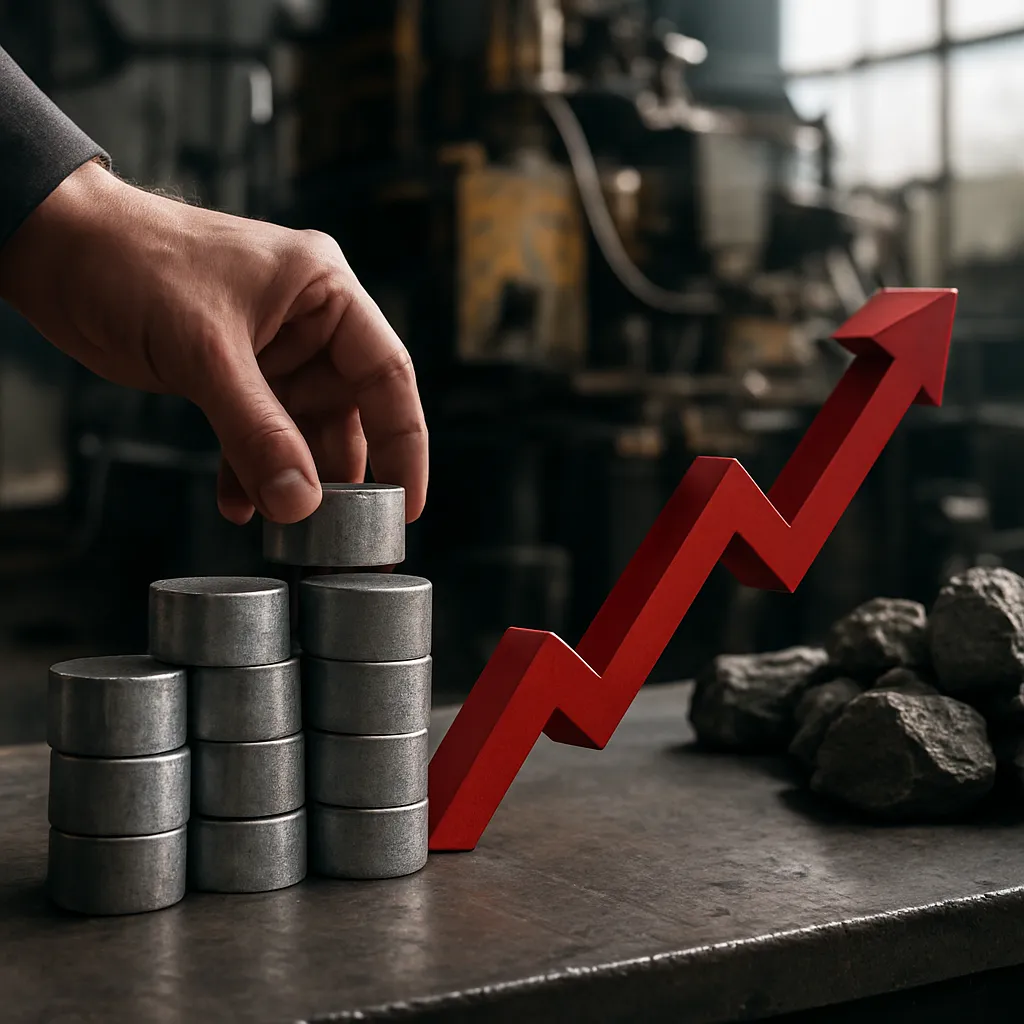
The interplay of these factors exacerbates price volatility and makes long-term procurement planning a daunting task for manufacturers. As global demand for renewable energy storage and electric vehicles surges, the imbalance between supply and demand intensifies, driving up market prices.
Cost Implications on Manufacturing
Escalating raw material expenses directly translate into higher production costs across multiple sectors:
- Electronics Industry: The cost of integrated circuits and semiconductors rises alongside fluctuations in rare earth element pricing.
- Automotive Sector: Electric vehicle manufacturers face increased battery pack expenses, impacting overall vehicle pricing and profitability.
- Defense Applications: Cutting-edge military hardware, reliant on specialized alloys, sees budget overruns due to supply constraints.
Moreover, the need to secure long-term contracts or invest in proprietary mining ventures adds capital strain. Companies must allocate significant investment funds for strategic stockpiling or finance joint ventures with mining conglomerates. These measures help buffer against short-term shortages, but they also immobilize capital that could otherwise be used for research, marketing, or workforce expansion.
Technological Responses and Strategic Adaptations
To mitigate the effects of limited resources, manufacturers and research institutions are developing innovative approaches:
Materials Substitution and Design Optimization
- Alternative Alloys: Engineers experiment with more abundant metals such as aluminum and magnesium alloys to replace scarce elements without sacrificing performance.
- Nanostructured Composites: Advances in nanotechnology enable the use of smaller metal quantities while enhancing strength and conductivity.
- Modular Designs: Products designed for easy component swapping extend device lifespans and reduce the need for new metal inputs.
Enhanced Recycling and Circular Economy Models
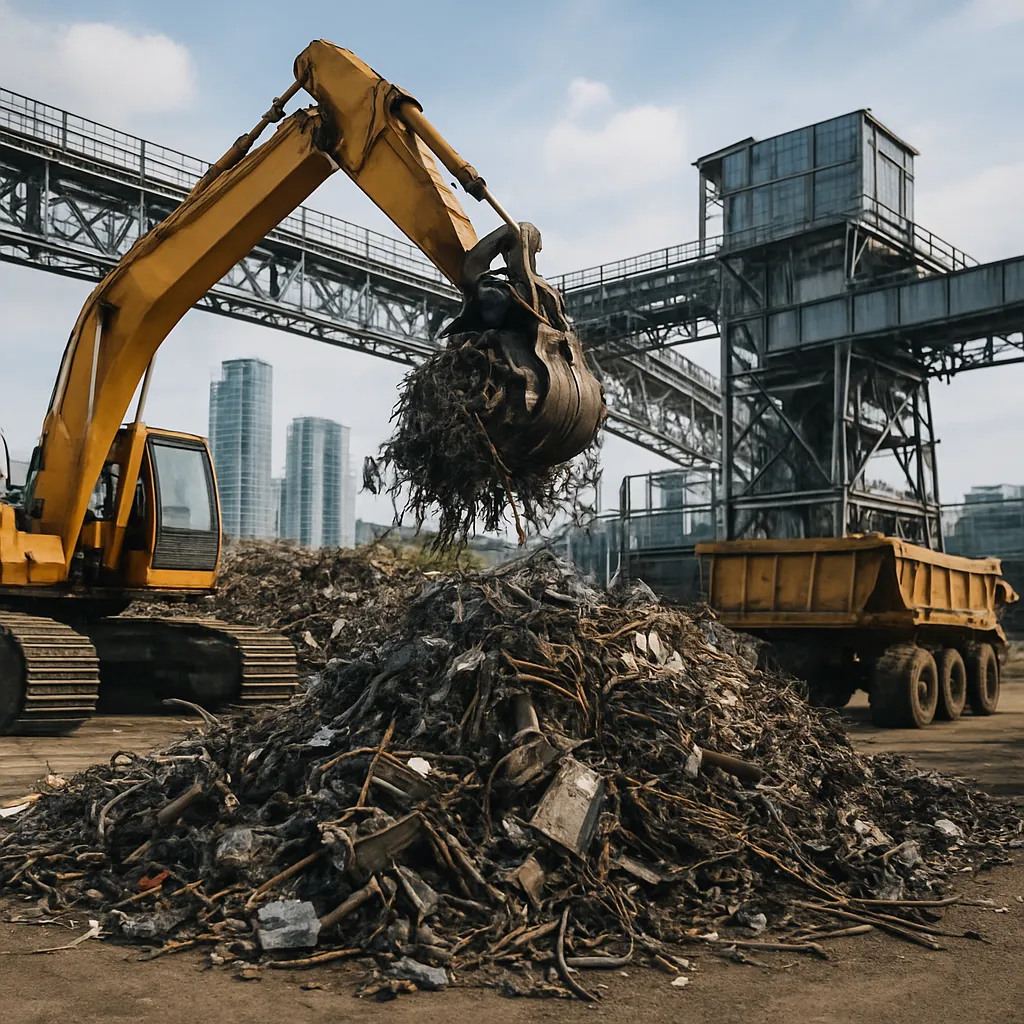
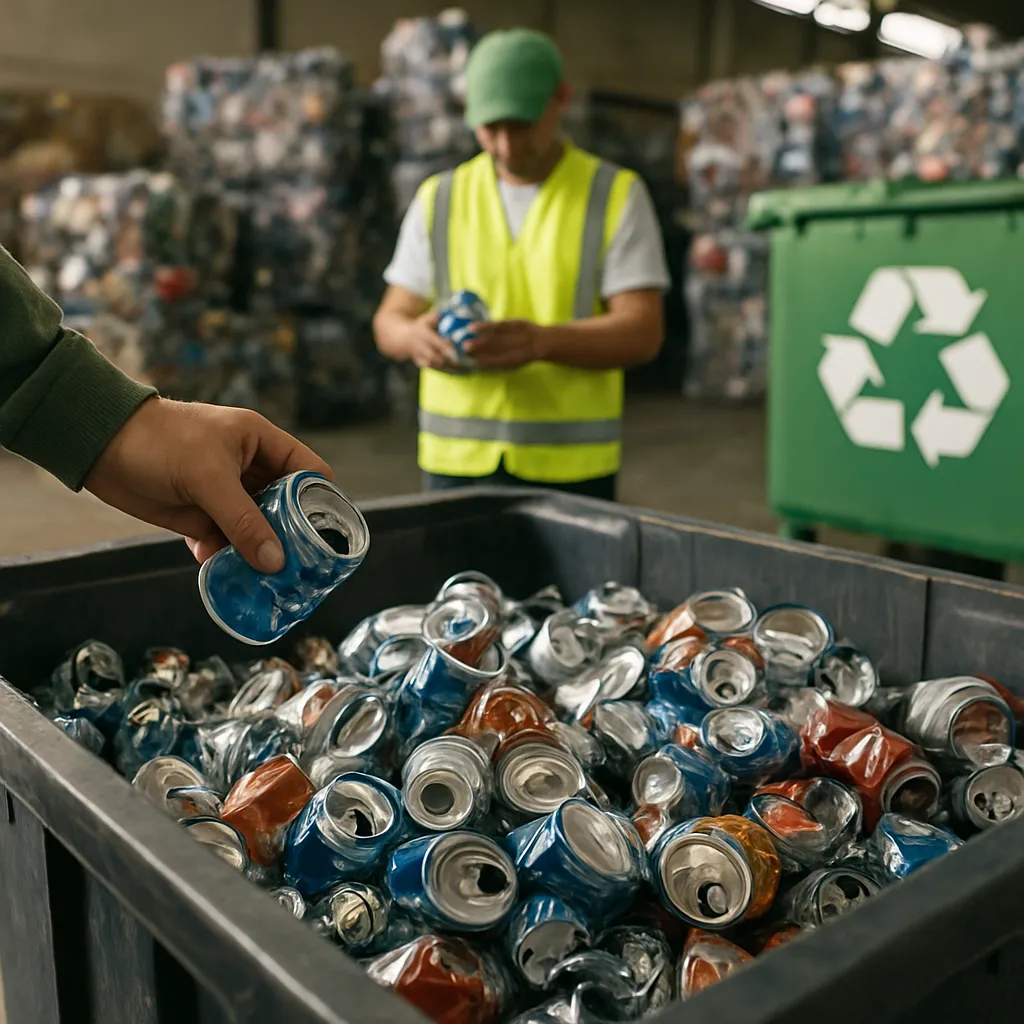
- Urban Mining: Recovering valuable metals from electronic waste (e-waste) offers a secondary supply stream that can lower reliance on primary extraction.
- Closed-loop Systems: Manufacturers implement take-back programs and refurbishment services to recapture end-of-life components.
- Process Innovations: Advances in hydrometallurgical and bioleaching techniques improve the yield and purity of recycled materials.
These innovation-driven strategies not only reduce ecological footprints but also stabilize raw material costs over the long term. By creating diversified supply avenues, companies gain greater resilience against external supply shocks.
Environmental and Ethical Dimensions
Mining and processing rare metals carry significant environmental and social implications. Addressing these concerns is vital for sustainable growth:
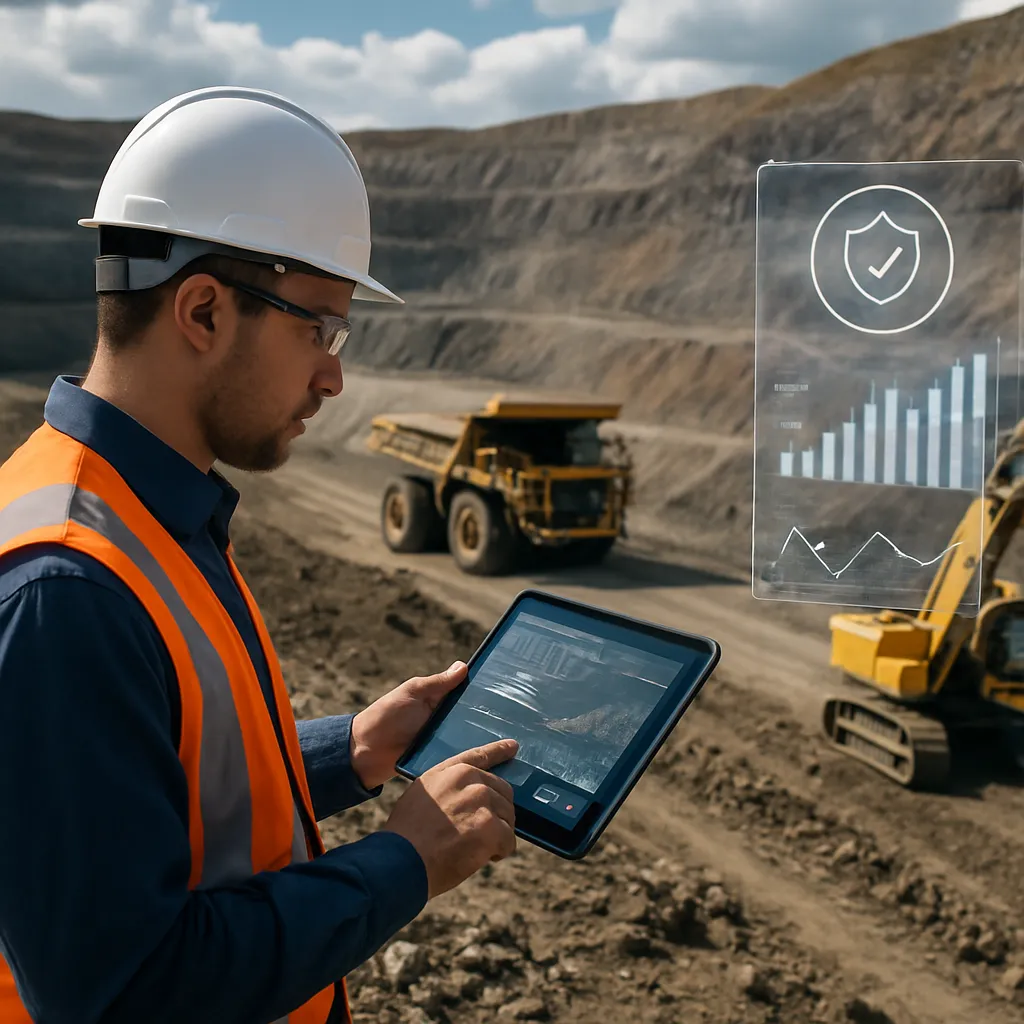
- Habitat Disruption: Large-scale open-pit mining can devastate ecosystems, leading to biodiversity loss and soil erosion.
- Water Contamination: Acid mine drainage and heavy metal pollution threaten local water sources and public health.
- Labor Practices: In some regions, mining operations are associated with unsafe working conditions and human rights violations.
Global corporations and governments are increasingly pressured to adopt stricter sustainability standards. Responsible sourcing initiatives and third-party certifications help reassure stakeholders that extraction processes meet ethical benchmarks. Additionally, collaborative research into lower-impact extraction technologies aims to minimize environmental damage while ensuring a steady flow of critical materials.
Future Outlook and Policy Considerations
To navigate the complexities of rare metal shortages, policymakers and industry leaders must pursue coordinated strategies:
Diversification of Supply Chains
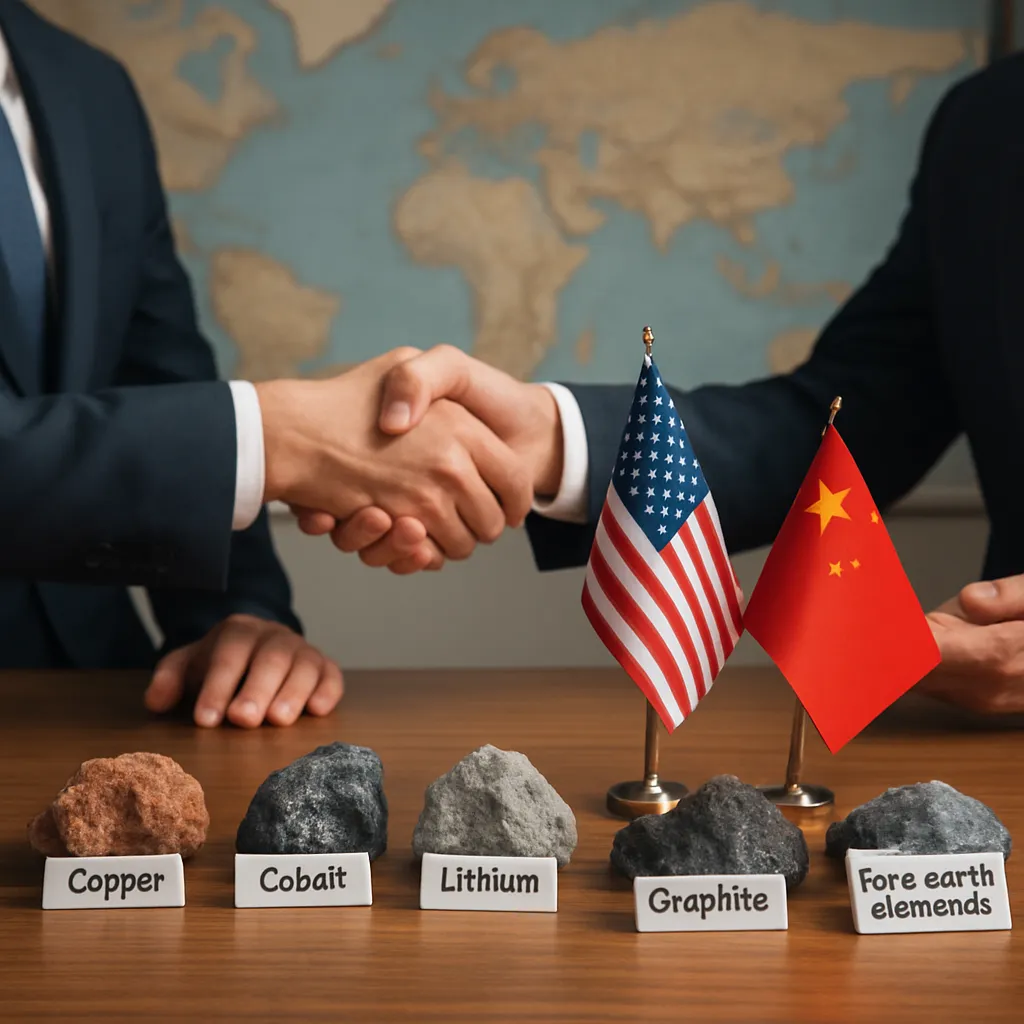
- International Alliances: Forming multilateral trade agreements to secure metal imports from politically stable regions.
- Domestic Development: Investing in local mining projects and refining infrastructure to decrease import dependence.
Research Funding and Incentives
- Government Grants: Allocating public funds for research into alternative materials and improved recycling methods.
- Tax Credits: Encouraging private sector investment in green metallurgy and process optimization.
Regulatory Frameworks
- Export Controls: Balancing national security interests with global market stability.
- Environmental Legislation: Establishing stringent guidelines for waste management and land rehabilitation.
Effective policies can reduce market distortions caused by sudden supply disruptions. By aligning national strategies with global sustainability goals, governments can ensure that critical industries thrive while protecting ecological and social welfare.
The ongoing challenge of rare metal scarcity underscores a pivotal juncture for manufacturing worldwide. Stakeholders must integrate economic foresight, technological ingenuity, and ethical responsibility to secure a resilient future. Only through proactive collaboration will the intricate puzzle of supply chain pressures, cost escalation, and resource stewardship find sustainable solutions.