The backbone of modern communication relies heavily on a suite of often-overlooked elements mined from the earth. From smartphones to satellites and beyond, these **rare** **metals** enable the unparalleled performance and miniaturization that define next-generation systems. Understanding their role, the intricacies of their supply chain, and the steps towards more sustainable practices is crucial for engineers, policymakers, and investors alike.
Critical Applications of Rare Metals in Communication Technologies
Communication devices demand materials with unique electrical, magnetic, and thermal properties. Key players include neodymium and praseodymium for high-strength permanent magnets, gallium and indium for advanced semiconductor alloys, and tantalum for capacitors with exceptional stability. These **elements** enable:
- High-frequency signal transmission with minimal loss
- Compact, lightweight hardware in consumer electronics
- Robust electromagnetic interference shielding
For instance, neodymium-iron-boron (NdFeB) magnets are indispensable in 5G base station antennas, improving energy **efficiency** and enabling precise beamforming. Meanwhile, gallium nitride (GaN) transistors outperform traditional silicon in power amplification, paving the way for faster data rates and reduced power consumption.
Challenges in the Global Supply Chain
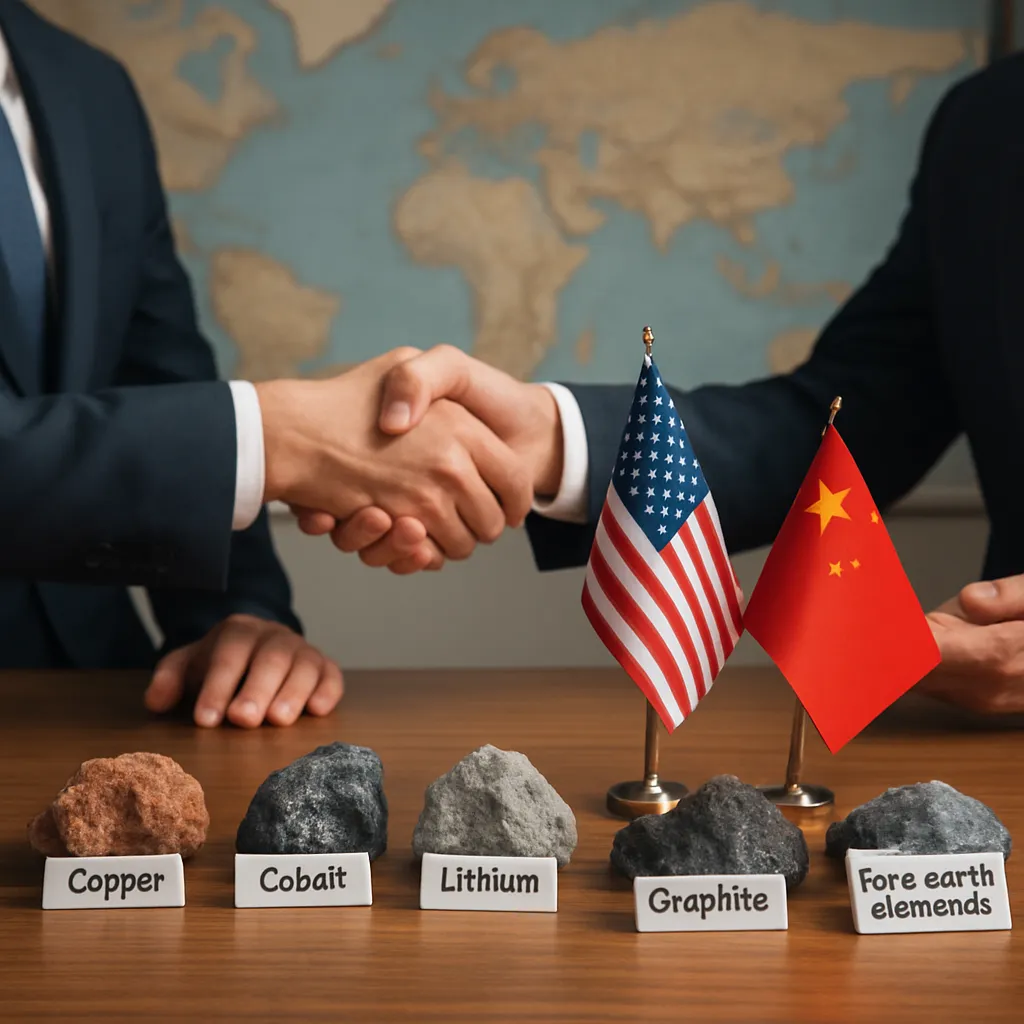
Despite their name, many rare metals are not scarce by natural abundance but are geographically **concentrated**, creating single points of failure. The global market faces several obstacles:
- Geopolitical tensions affecting mine operation and export policies
- Limited refining capacity outside a few dominant nations
- Volatile pricing driven by speculative demand
For example, the majority of rare-earth element (REE) refining occurs in a handful of countries. Interruptions—whether due to regulatory changes or environmental protests—can ripple through the industry, delaying the rollout of critical infrastructure projects. Companies are increasingly seeking diversified sources and strategic stockpiles to mitigate these risks and ensure **resilience**.
Environmental and Ethical Considerations
Mining and processing rare metals often carry a high environmental footprint, including habitat disruption, water contamination, and radioactive waste in the case of some REEs. Ethical concerns compound the problem when artisanal or illegal mining operations exploit vulnerable communities. Stakeholders must balance **innovation** with responsible practices:
- Implementing stricter environmental impact assessments
- Ensuring fair labor standards and community engagement
- Adopting certification schemes akin to conflict-free minerals programs
Efforts in Burkina Faso or Myanmar, for instance, demonstrate that transparent governance and international cooperation can reduce human rights violations while maintaining a steady **supply chain** for strategic materials.
Innovations in Recycling and Substitution
Circular Economy Approaches
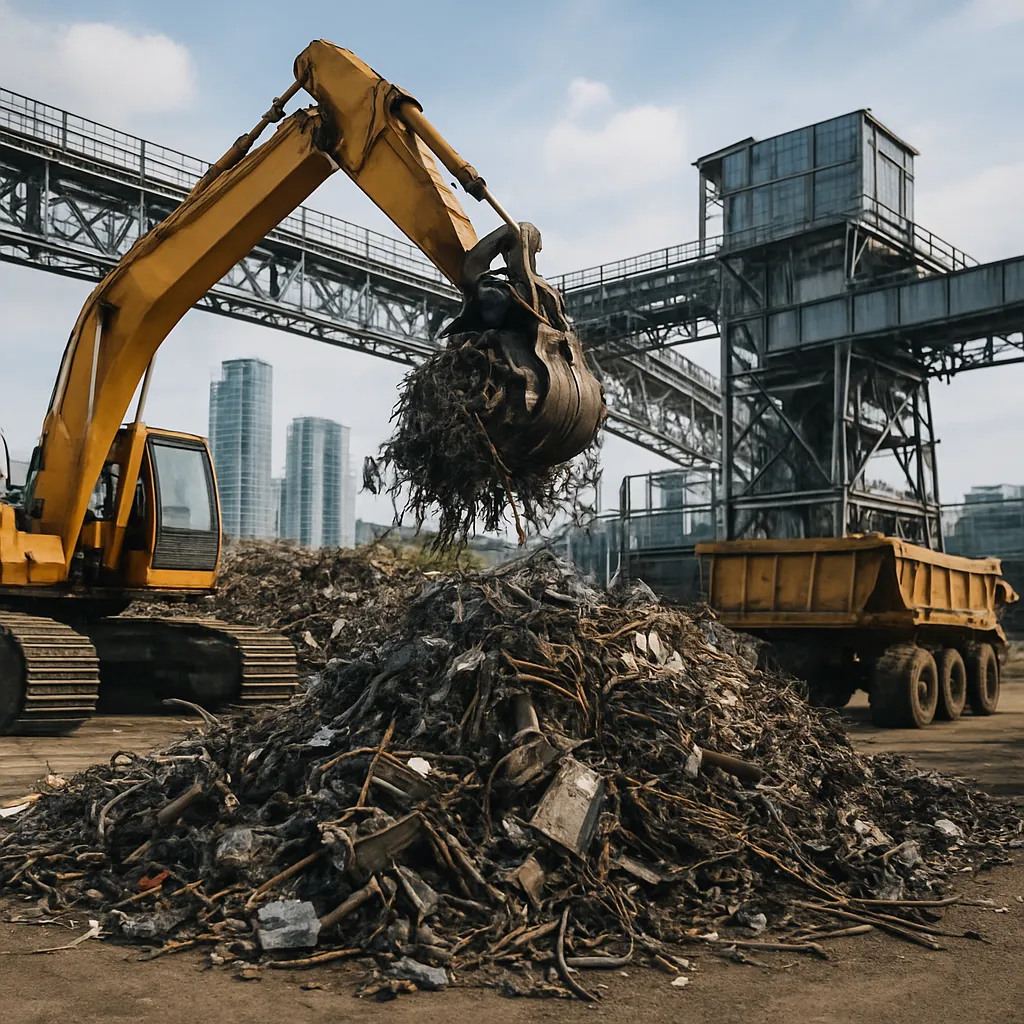
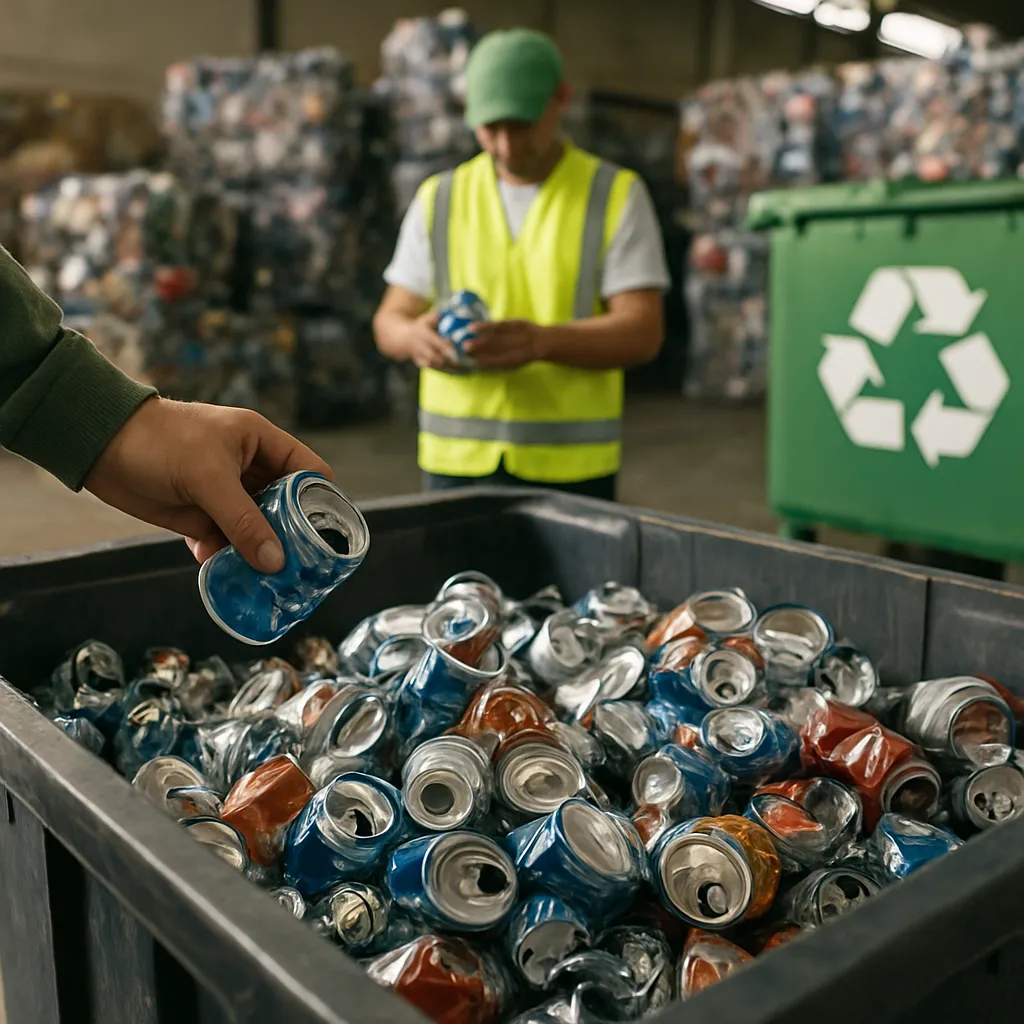
Recycling end-of-life electronics offers a promising avenue to reclaim valuable metals such as **nickel**, **cobalt**, and rare-earth elements. Advances in hydrometallurgical and bioleaching techniques have improved recovery rates, though economic viability remains a challenge without supportive policies or extended producer responsibilities.
Material Substitution Strategies
Engineers are exploring alternative materials to reduce dependence on the scarcest elements. For example, iron–nitride magnets show potential in certain applications, while silicon carbide (SiC) transistors can partially substitute GaN devices. However, substitutions often entail trade-offs in performance or reliability, and thorough testing is required before widespread adoption.
Future Outlook and Strategic Importance
As digital infrastructure expands into remote areas and into space, demand for specialized alloys and compounds will continue to surge. Quantum communication systems, satellite-based internet constellations, and even terahertz wireless links all rely on niche **nanotechnology** and precision-engineered components. To secure the next wave of breakthroughs, stakeholders should consider:
- Forming multinational research consortia to accelerate material discovery
- Investing in domestic refining and advanced manufacturing capabilities
- Developing real-time market intelligence platforms for better demand forecasting
Governments and corporations must collaborate on frameworks that encourage **cybersecurity**, supply continuity, and environmental stewardship—ensuring that the systems connecting our world remain both cutting-edge and responsible.