The global scramble for rare earth elements and other critical minerals has become a defining feature of twenty-first century geopolitics. From electric vehicles to advanced defense systems, the world’s most sophisticated technologies depend on these finite resources. Governments, corporations and research institutions are forging new partnerships, forging alliances and reshaping supply networks to secure steady flows of lithium, cobalt and other essential components. This article examines how critical mineral diplomacy is influencing international trade, the emergence of strategic alliances and the long‐term push for sustainability and resilience in global supply chains.
Strategic Importance of Rare Metals in Modern Economies
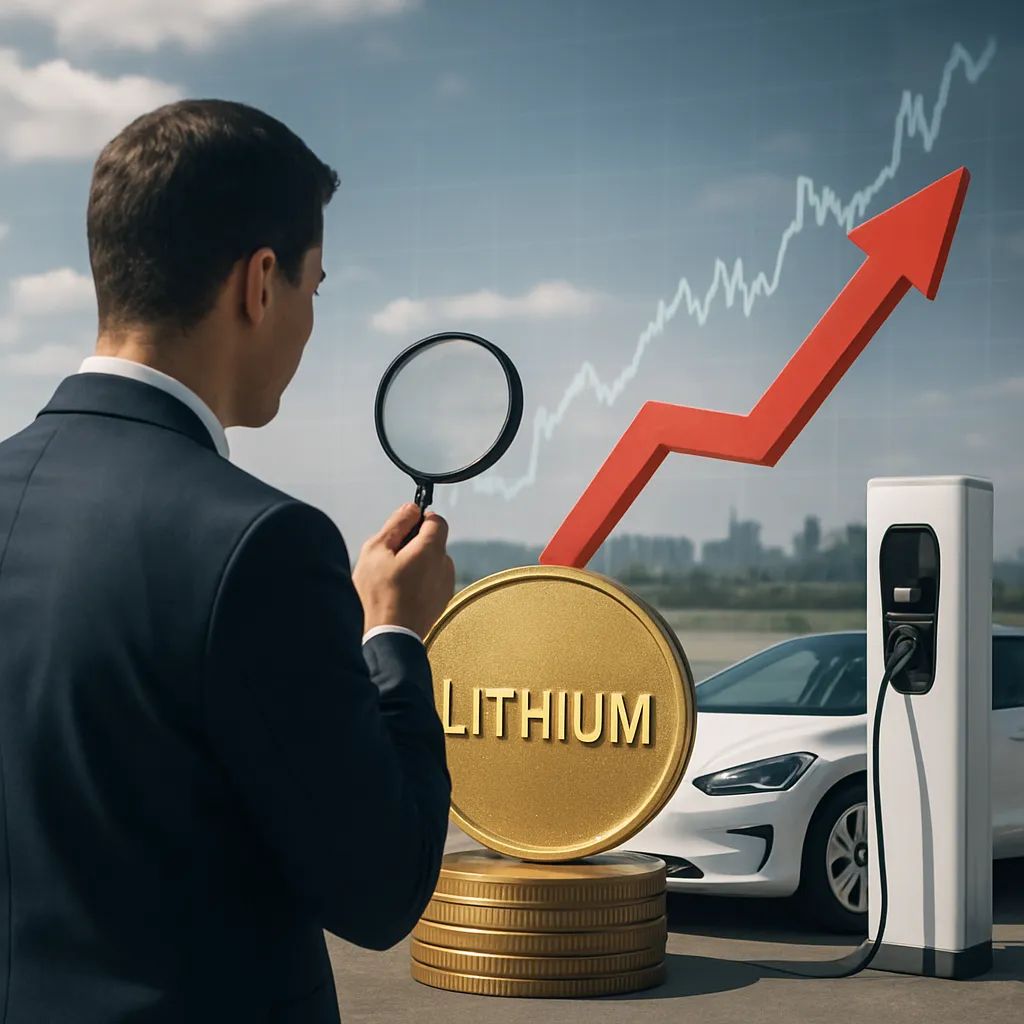
The rise of electric mobility, renewable energy infrastructure and cutting‐edge electronics has catapulted rare metals into the economic spotlight. Lithium powers battery technologies, while cobalt ensures energy density and stability in portable devices. Without a steady supply of these metals, manufacturers risk production bottlenecks and cost escalation. Nations rich in these materials hold newfound strategic leverage, prompting importers to rethink diplomatic ties and diversifying sourcing options.
In recent years, COVID-19 disruptions exposed weaknesses in just‐in‐time inventory models and overreliance on single suppliers. This vulnerability drove the creation of national mineral stockpiles and incentives for domestic or allied mining ventures. At the same time, investors have poured capital into exploration projects in places like Australia, Canada and Latin America, betting on high returns as global demand climbs. The long gestation period of mining projects means that countries willing to streamline regulations or back pioneering extraction methods can leap ahead in the race.
Aside from batteries, nations covet rare earth elements for military applications. Permanent magnets used in missile guidance systems, radar arrays and submarine motors often rely on elements such as neodymium and dysprosium. Arms producers and defense ministries routinely classify these minerals as critical to national security, fueling diplomatic efforts to secure uninterrupted access. As a result, mineral‐rich countries find themselves courted by major powers seeking long‐term extraction deals and joint investment schemes.
At the consumer end, technology leaders face mounting pressure to guarantee ethical sourcing. Reports of environmental damage and worker exploitation in some mining regions have tarnished brand reputations. To address these concerns, companies are launching traceability initiatives that track each gram of metal from the mine through the manufacturing line, aiming to reassure stakeholders and avoid regulatory penalties.
Critical Mineral Diplomacy in Action
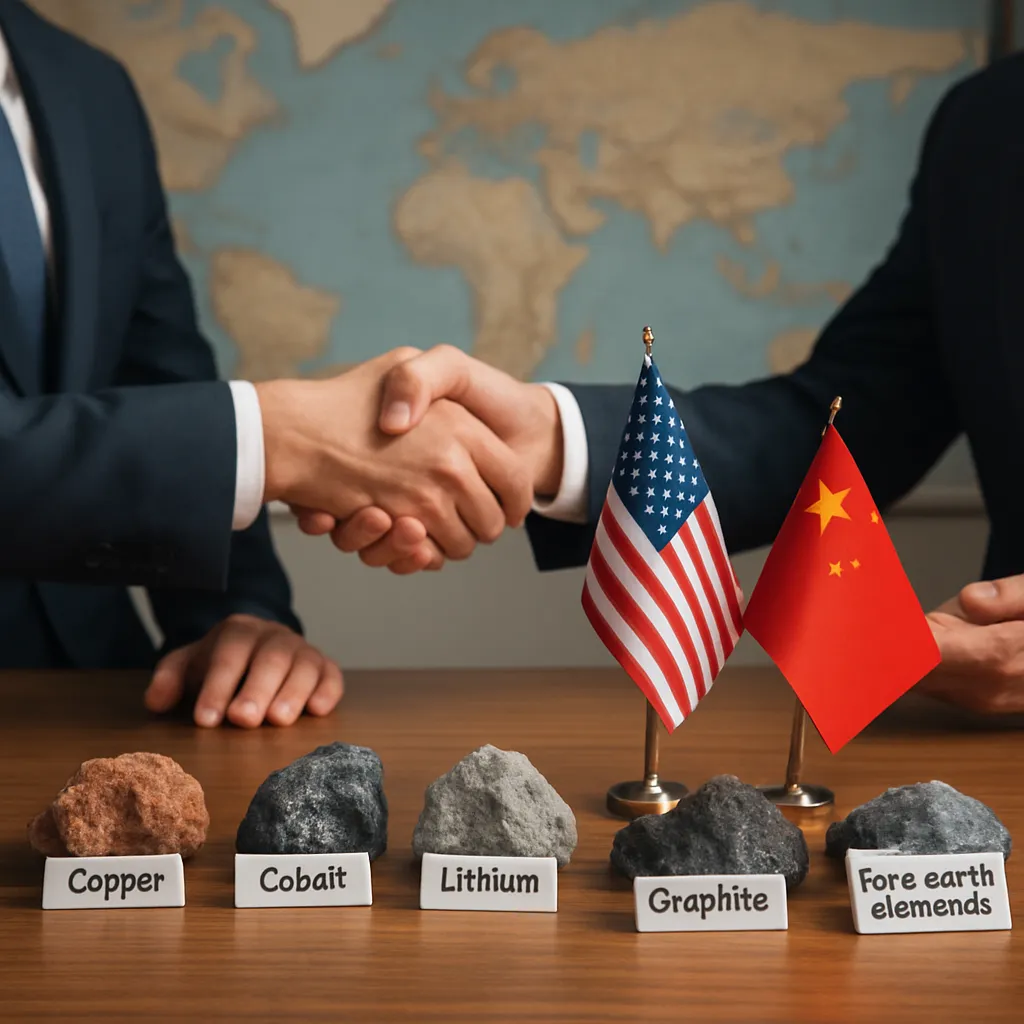
Diplomatic engagements now routinely feature talks on mineral supply security. High‐level visits swap trade missions for mining missions, with delegations including geologists, engineers and environmental experts. Memoranda of understanding (MOUs) pave the way for joint exploration, technology transfer and infrastructure financing. For example, the European Union’s Raw Materials Initiative and the United States’ Defense Production Act provide subsidies and loan guarantees to strategic partners in Africa and Latin America.
Geostrategic Partnerships
Japan and Australia, long-standing allies, have deepened their cooperation on rare earth processing, building three processing plants in Queensland. This reduces reliance on third‐party refineries and enhances regional supply resilience. Similarly, the United States and Canada have formed a “critical minerals working group” to coordinate regulatory frameworks, streamline cross‐border logistics and share best practices for sustainable mining.
China, historically dominant in the rare earth sector, faces growing international pressure. Its stranglehold on processing capacity has prompted importers to seek alternatives, even at higher cost. In response, Beijing has accelerated Belt and Road Initiative projects in Asia, Africa and Latin America, tying infrastructure loans to long‐term mineral concessions. Critics argue this deepens dependency, while supporters point to infrastructure upgrades that spur broader economic growth.
Trade Alliances and Market Dynamics
As policy frameworks evolve, so do market structures. Long-term off‐take agreements secure fixed volumes of concentrate or refined products, often at prices indexed to global benchmarks. These agreements mitigate price volatility for manufacturers and guarantee revenue streams for producers. A growing number of sovereign wealth funds are taking equity stakes in mining ventures, aligning state interests with corporate performance.
- North American Supply Pact: A trilateral accord between the United States, Canada and Mexico to harmonize mining regulations and develop cross-border transport corridors.
- European Rare Earth Alliance: An EU-backed consortium funding exploration and processing in Norway, Finland and Portugal, complemented by a research hub in Brussels.
- Asia-Pacific Mineral Network: Focused on Indonesia, Malaysia and Vietnam, improving sustainability standards through joint training programs and technology sharing.
These alliances aim to distribute risk and prevent any single actor from wielding excessive market power. Commodity exchanges are exploring new contracts pegged to refined metal rather than raw ore, incentivizing downstream processing within allied jurisdictions.
Technological Innovation and Sustainable Practices
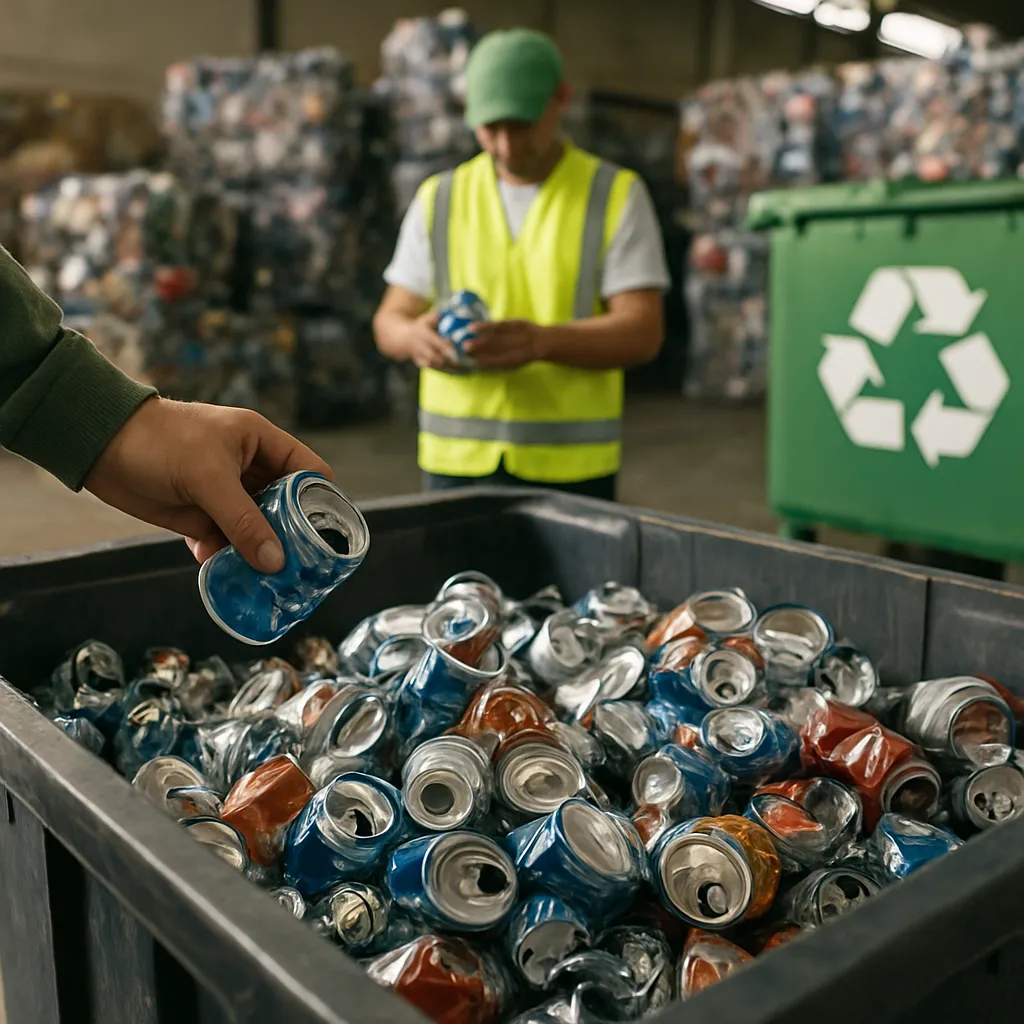
Beyond diplomatic manoeuvres, innovation plays a central role in reducing import dependence. Researchers are exploring alternative chemistries that use more abundant elements, while battery manufacturers invest in recycling plants to recover cobalt and nickel from end‐of-life products. Closed‐loop recycling can capture up to 90% of critical metals, transforming waste streams into reliable secondary sources.
Emerging extraction methods, such as direct lithium extraction from brines, promise lower water usage and minimal surface disturbance compared to traditional evaporation ponds. These techniques remain unproven at scale but attract significant private and public funding. Pilots in Chile’s Atacama Desert and the Salton Sea region in California illustrate the potential to localize production near renewable power sources, reducing carbon footprints.
Supply Chain Resilience Strategies
- Strategic Stockpiles: Governments maintain reserves of refined metals to cushion sudden supply shocks.
- Supplier Diversification: Automakers and electronics companies prequalify multiple mines and refineries across different continents.
- Digital Tracking: Blockchain and IoT sensors ensure supply chains remain transparent and secure from illicit diversions.
- Public-Private Partnerships: Cooperative ventures fund research into more efficient separation and purification techniques.
Ultimately, a robust mineral strategy blends resource diplomacy with technological innovation and cooperative governance. This multifaceted approach helps to mitigate environmental impacts, reduce geopolitical tensions and maintain uninterrupted access for critical industries.
Challenges and Future Outlook
Despite earnest efforts, significant hurdles remain. Permitting delays can stall new mines for years, and local communities may resist projects that threaten water quality or cultural heritage sites. Environmental NGOs frequently call for moratoriums in pristine regions, forcing companies to invest in costly mitigation and stakeholder engagement programs.
On the policy front, sudden swings in government support can upend long-term planning. Changing administrations may revise subsidy levels or impose new restrictions, injecting uncertainty into investment decisions. Stable, predictable policies are essential to attract and retain the billions of dollars needed for upstream and downstream infrastructure.
Geoeconomic rivalries are also likely to intensify. As major powers vie for influence in resource-rich regions, diplomatic competition could spill over into security tensions, potentially disrupting maritime shipping lanes or overland trade routes. Building a resilient network of friendly partners is thus both an economic and a strategic imperative.
The road ahead demands agility, foresight and collaboration. By combining diplomatic outreach, cutting-edge research and market integration, nations can transform the challenge of critical mineral dependency into an opportunity for sustainable growth and enhanced resilience.