The strategic value of certain rare metals in modern military technologies cannot be overstated. From high-velocity projectiles to sophisticated guidance systems, the use of select elements ensures performance levels unmatched by more common materials. Among these, tungsten and tantalum stand out for their extraordinary physical and chemical characteristics. Their unique combination of density, hardness, and thermal stability makes them indispensable in critical defense applications. This article examines the global context of rare metals, the intrinsic properties that set tungsten and tantalum apart, and the challenges associated with securing their supply for future military needs.
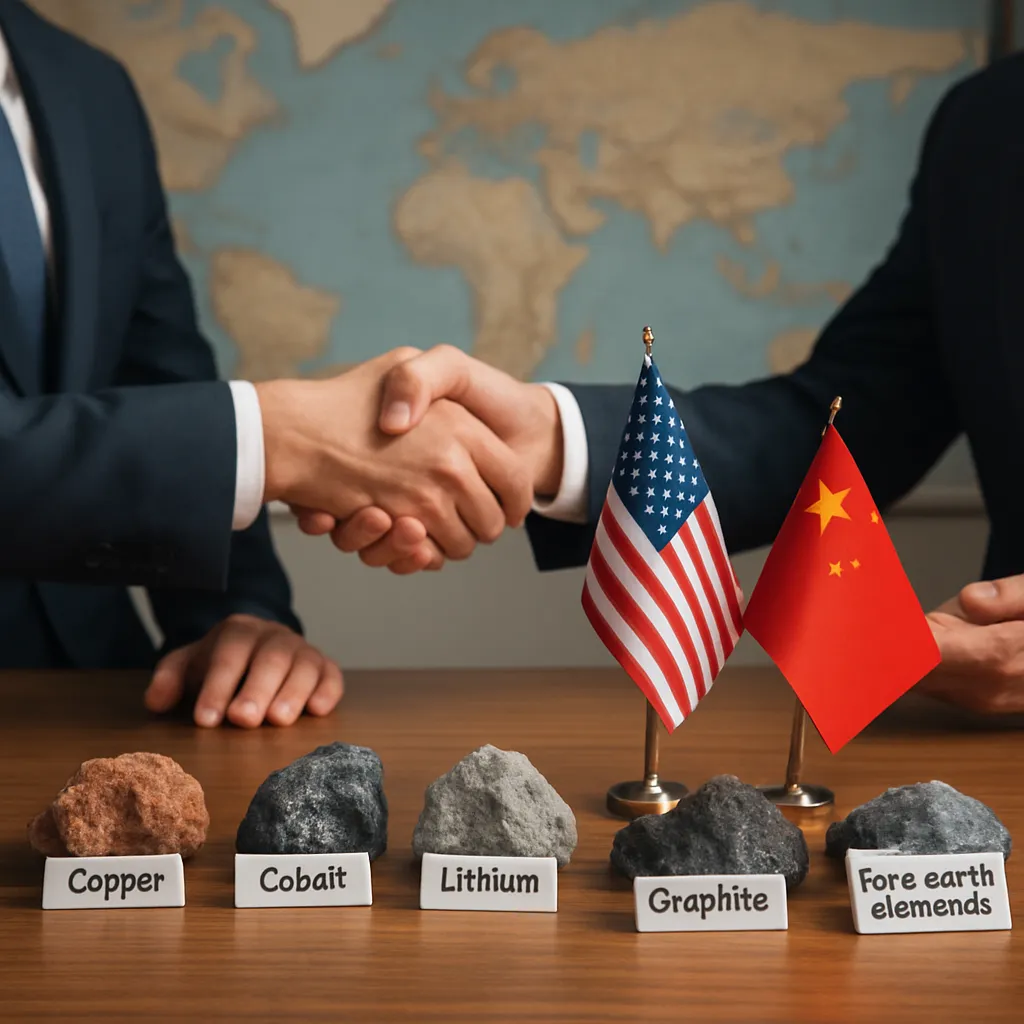
Global Rare Metals: Strategic Context
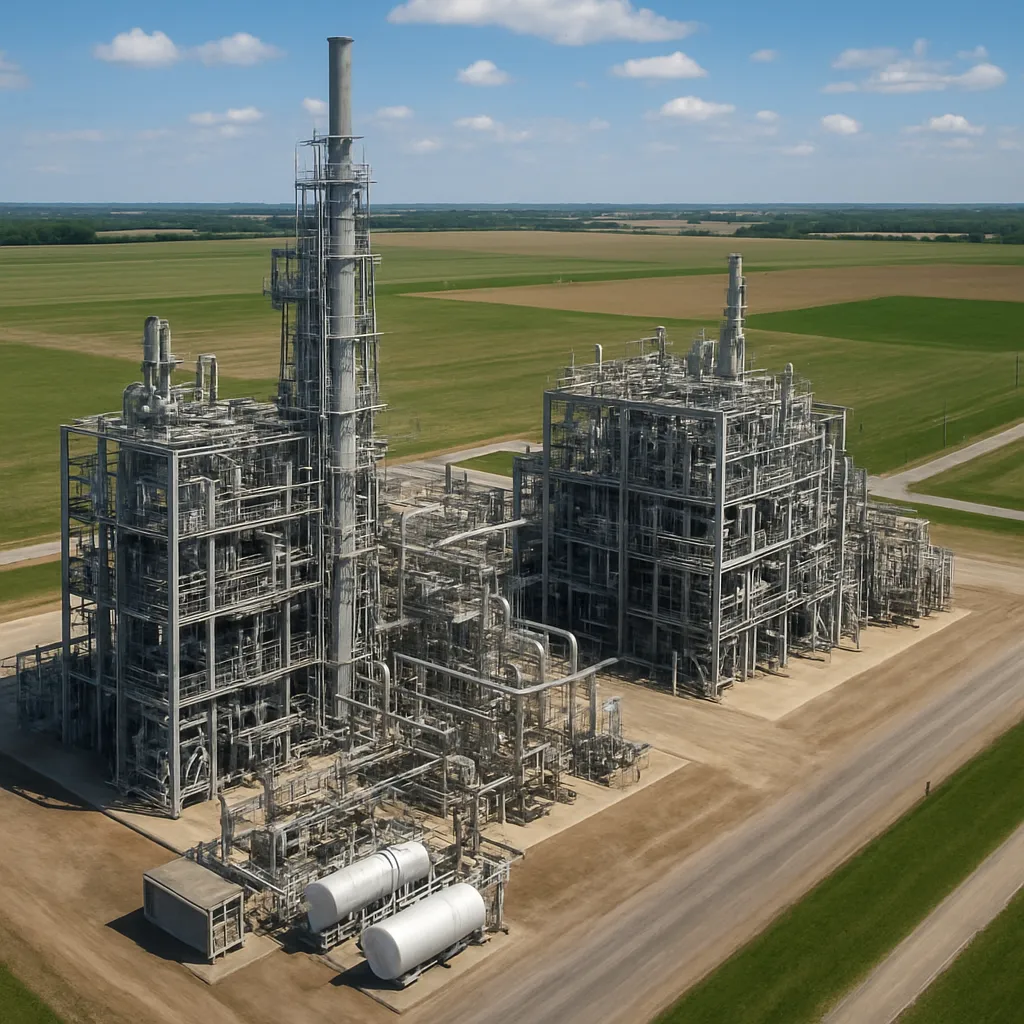
Rare metals encompass a group of elements with limited geographic distribution and high technological value. They are integral to advanced industries, including aerospace, electronics, and military hardware. The extraction and processing of these metals often involve complex logistics and significant environmental considerations, heightening their strategic importance.
Key factors shaping the global rare metals landscape:
- Concentration of mining operations in a few regions, leading to supply vulnerabilities
- High barriers to entry due to technical expertise and environmental regulations
- Geopolitical tensions influencing export controls and trade policies
- Growing demand driven by defense modernization programs and civilian high-tech sectors
Governments and defense contractors alike have classified rare metals as critical to national security, prompting initiatives to diversify sources and invest in recycling technologies. Despite intensive research into alternatives, certain applications remain beyond the capabilities of substitute materials.
Intrinsic Superiority of Tungsten and Tantalum
Material Profiles
Tungsten and tantalum both belong to the transition metals in the periodic table, yet each exhibits a distinct set of attributes:
- Tungsten: Boasting the highest melting point of all metals and remarkable density (19.3 g/cm³), tungsten alloys are ideal for kinetic energy penetrators and counterbalances in aerospace systems.
- Tantalum: Renowned for its exceptional corrosion resistance and biocompatibility, tantalum finds applications in corrosive environments such as propellant catalysts and advanced capacitors.
Key Properties
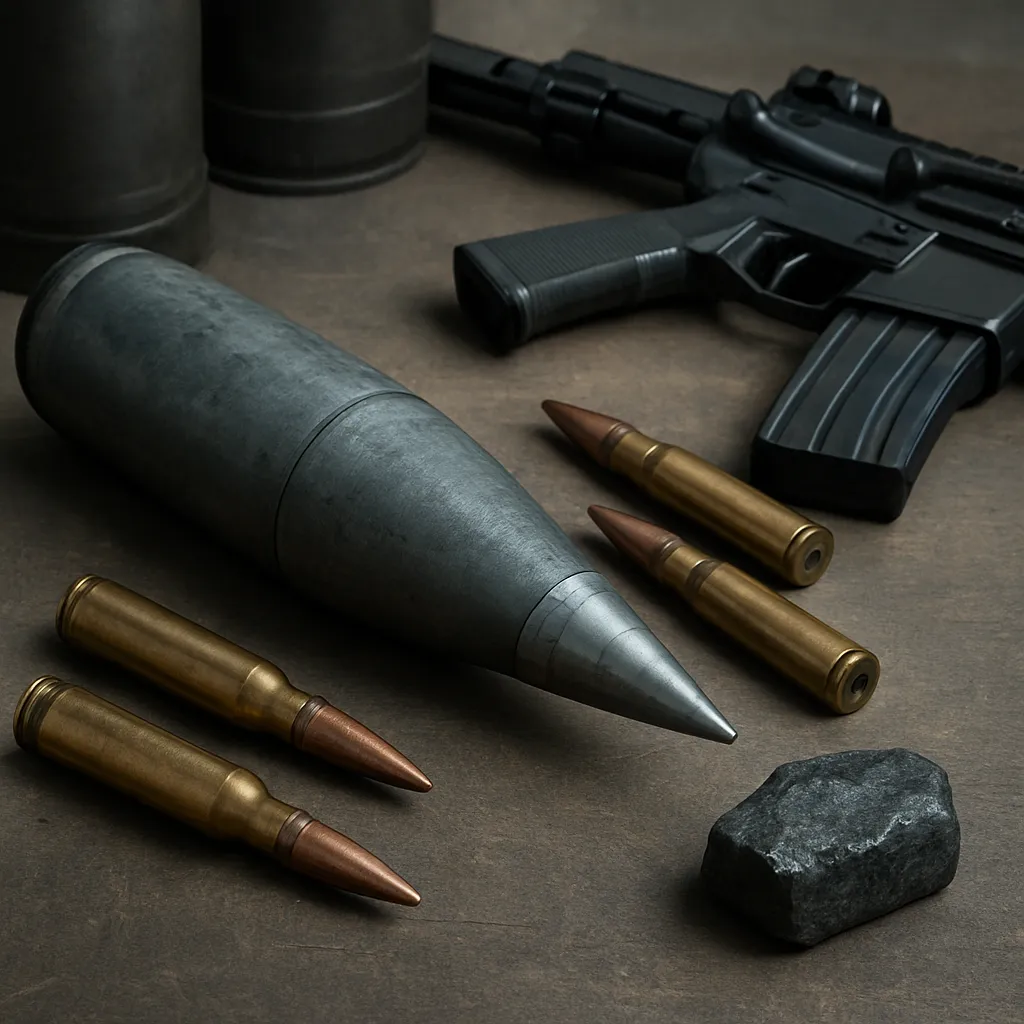
- Hardness: Tungsten carbide composites resist deformation under extreme pressures, making them the material of choice for armor-piercing munitions.
- Thermal Stability: Both metals maintain integrity at temperatures exceeding 1,500 °C, critical for rocket nozzles and heat sinks in high-power devices.
- Corrosion-resistant behavior: Tantalum’s passive oxide layer ensures longevity in acidic or salt-laden environments.
- Compatibility with precision machining and additive manufacturing, enabling complex geometries and tight tolerances.
Applications in Modern Defense Systems
Defense applications leverage the superior performance characteristics of tungsten and tantalum across multiple domains:
Ballistics and Armaments
- Kinetic energy penetrators: Tungsten alloys deliver unmatched kinetic force, maintaining structural integrity upon impact to defeat advanced armor systems.
- Shaped charges and liners: Tantalum can replace copper in shaped charge liners, producing high-velocity jets for breaching fortified positions.
- Projectile balance weights: The high mass-to-volume ratio of tungsten ensures accurate trajectories in long-range artillery and sniper ammunition.
Electronics and Guidance
- High-capacitance components: Tantalum capacitors support stable power delivery in missile guidance units and precision navigation systems.
- Thermal management: Tungsten-based heat spreaders dissipate intense heat in radar transmitters and high-energy lasers.
- Electromagnetic shielding: Both metals contribute to compact, robust housings that protect sensitive electronics from interference.
Armor and Structural Systems
- Composite armors: Tungsten fibers and plates enhance protection while minimizing weight for ground vehicles and naval vessels.
- Counterweights and gyroscopes: Precision-balanced components ensure stability in unmanned aerial systems and guided munitions.
- Reactive armor inserts: Tantalum alloys augment energy absorption in explosive reactive armor modules.
Challenges, Supply Security, and Future Outlook
Securing an uninterrupted flow of tungsten and tantalum is critical for sustained defense readiness. However, the industry faces several obstacles:
- Concentrated mining regions: A limited number of countries control the majority of production, exposing supply chains to political and logistical risks.
- Environmental constraints: Stringent regulations on mining and processing heighten operational costs.
- Recycling limitations: While scrap recovery helps, it cannot fully satisfy rapidly growing demand.
- Emerging alternatives: Research into advanced ceramics and composite materials shows promise, but none currently match the comprehensive performance profile of tungsten and tantalum.
To mitigate these risks, stakeholders are pursuing several strategies:
- Stockpiling critical inventories in depots strategically located worldwide.
- Developing partnerships with emerging mining nations to diversify supply sources.
- Investing in next-generation recycling facilities and urban mining technologies.
- Fostering innovation in material science to enhance efficiency and discover partial substitutes for less critical roles.
The irreplaceable combination of reliability, precision, and resilience offered by tungsten and tantalum ensures they will remain at the forefront of defense materials for years to come. Continued collaboration between industry, academia, and governments is essential to overcome supply hurdles and maintain technological superiority in an evolving security environment.