As the global push for electrification and digital technologies accelerates, the extraction and processing of rare metals have surged in strategic importance. Stakeholders are increasingly focused on comprehensive frameworks to evaluate Environmental, Social, and Governance (ESG) dimensions of mining activities. This article delves into key considerations for assessing ESG risks in rare metal mining operations, offering a roadmap for investors, corporations, and regulators to drive responsible resource development.
Exploring Global Supply Chains of Rare Metals
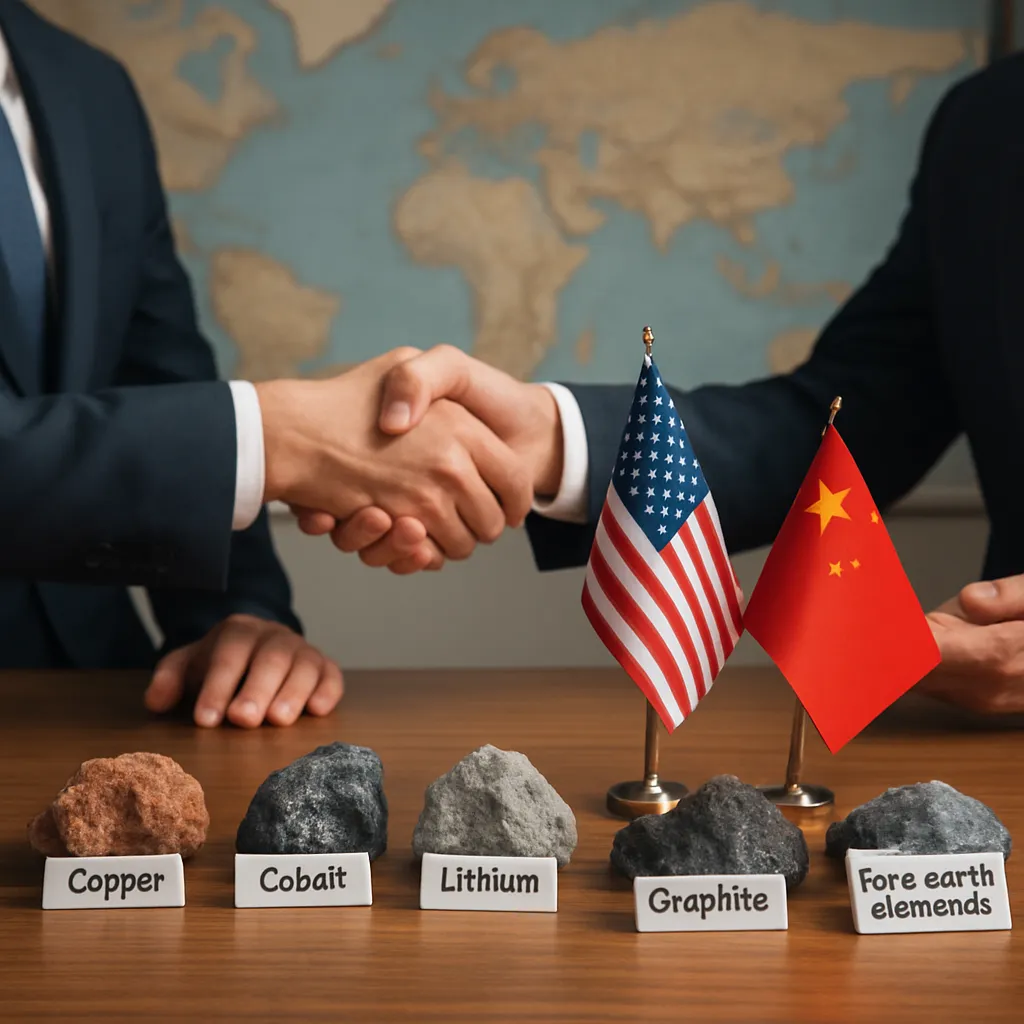
Rare metals such as lithium, cobalt, nickel, and rare earth elements underpin modern energy storage, renewable power generation, and advanced electronics. Their supply chains are inherently complex, spanning multiple continents and involving diverse actors from artisanal miners to multinational processors. Effective ESG assessment begins with transparency in traceability efforts. Blockchain pilots and digital tagging systems can map each shipment’s origin, ensuring that materials sourced in regions with lax regulations do not enter mainstream markets unchecked.
Key supply chain risks include geopolitical volatility, concentration of processing capacity, and reliance on jurisdictions with evolving labor standards. For instance, a significant proportion of cobalt originates in the Democratic Republic of Congo, where artisanal mining practices often raise concerns about child labor and hazardous working conditions. A robust due diligence program should integrate both field audits and third-party certifications, partnering with NGOs to verify the integrity of upstream suppliers.
Investors can leverage scenario analysis to model potential disruptions, such as export bans or environmental litigation. Stress-testing portfolios against these scenarios promotes supply chain resilience. Additionally, fostering long-term partnerships with smelters and refiners who adhere to high ESG benchmarks can mitigate exposure to sudden policy shifts or reputational crises.
Integrating modern data analytics allows organizations to track carbon footprints along the entire value chain. By combining satellite imagery with IoT sensors, firms can receive early warnings of land-use changes or unauthorized operations. This proactive monitoring enhances both environmental stewardship and operational efficiency.
Environmental Challenges and Mitigation
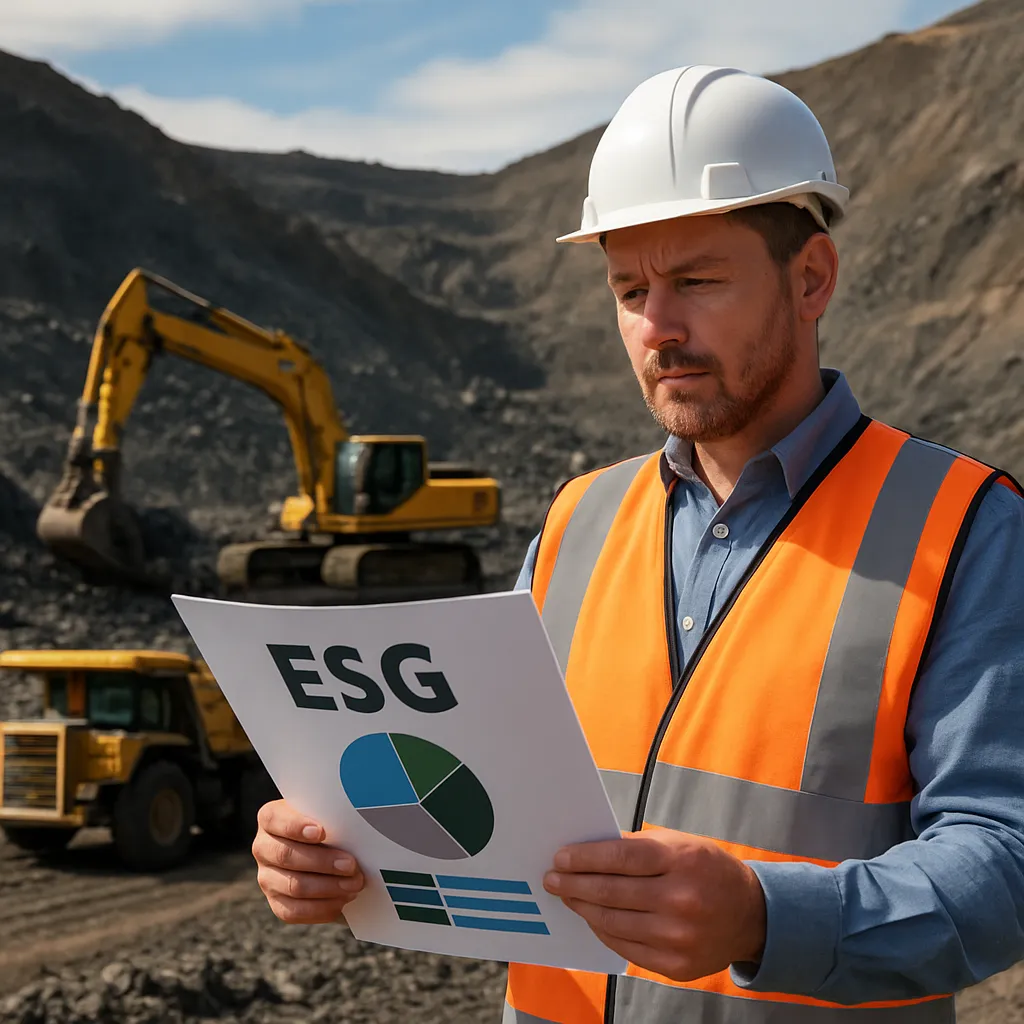
Rare metal extraction often involves intensive water usage, acid leaching, and the handling of tailings containing toxic byproducts. These activities pose significant risks to local ecosystems, including soil degradation, water contamination, and loss of biodiversity. Environmental risk assessments must quantify pollutant loads, project lifecycle emissions, and set thresholds for acceptable impact, aligned with international standards such as the Equator Principles or the Global Industry Standard on Tailings Management.
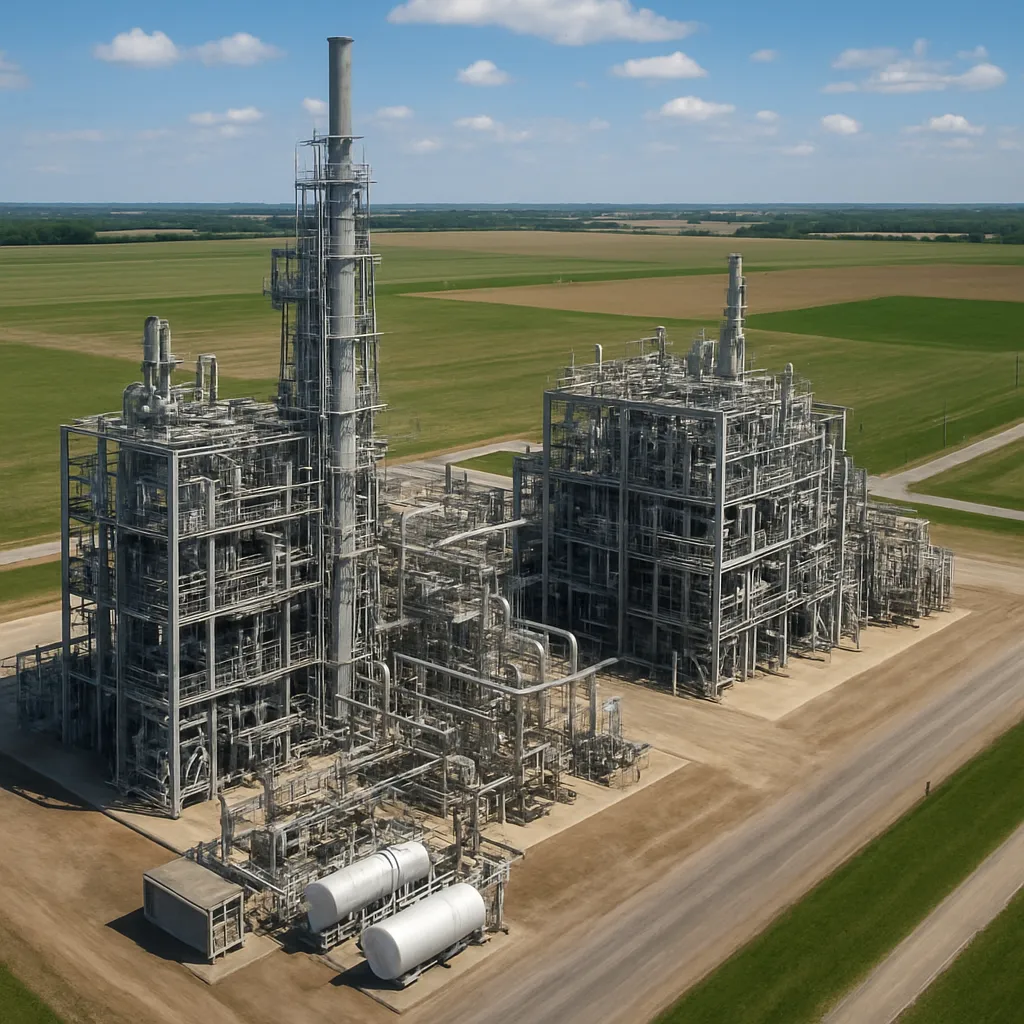
Mitigation strategies range from adopting closed-loop water systems to investing in advanced tailings filtration technologies. For example, producing dry-stack tailings instead of conventional slurry impoundments reduces the likelihood of catastrophic dam failures. Companies can further minimize ecological footprints by rehabilitating mined land through reforestation, phytoremediation, or converting depleted sites into community green spaces.
Innovative extraction methods—such as in-situ leaching or bioleaching—offer pathways to lower environmental disturbance by eliminating open-pit operations. However, these techniques require rigorous hydrogeological studies and continuous monitoring to prevent subsurface contamination. Establishing an independent environmental oversight committee can ensure that mitigation measures remain adaptive and compliant with evolving scientific insights.
To embed environmental responsibility into corporate culture, leading firms are incorporating biodiversity valuation into financial models. Assigning economic value to ecosystem services—like pollination or carbon sequestration—creates direct incentives for nature-positive outcomes. This approach aligns shareholder interests with conservation imperatives, reinforcing long-term ecological sustainability.
Social Impacts and Community Engagement
Social dimensions of rare metal mining encompass labor rights, community well-being, and Indigenous land claims. Neglecting these factors can ignite protests, cause operational stoppages, or trigger legal actions. A thorough social risk assessment maps demographic profiles, local power structures, and cultural heritage sites within the project area. Engaging communities early and transparently fosters trust and helps identify potential areas of conflict.
Best practices include developing a participatory grievance mechanism, where local stakeholders can submit complaints without fear of retaliation. Complementary to this, companies should commit to fair labor practices, ensuring living wages, workplace safety, and non-discrimination. Partnering with local vocational training institutions enhances workforce skills and promotes inclusive economic growth. These initiatives strengthen the social license to operate and reduce the likelihood of costly disputes.
Respecting Indigenous rights demands specialized protocols. Free, Prior, and Informed Consent (FPIC) procedures allow Indigenous communities to influence project design, benefit-sharing arrangements, and land-use decisions. Collaborative environmental monitoring programs, co-managed by community members, improve data collection and validate local knowledge. This empowers communities to become active stewards rather than passive observers.
Maintaining an ongoing dialogue with non-governmental organizations and labor unions adds an external layer of oversight, ensuring that social commitments are not mere greenwashing. Public disclosure of social performance metrics—such as incident rates, training hours, and grievance resolutions—reinforces corporate ethics and accountability to all stakeholders.
Governance Practices and Transparency
Strong governance structures underpin credible ESG performance. Corporate boards should incorporate ESG expertise, appointing independent directors with backgrounds in environmental science, human rights law, or sustainable finance. Embedding ESG criteria into executive compensation aligns leadership incentives with long-term value creation rather than short-term gains.
Key governance mechanisms include rigorous internal audit functions, dedicated ESG committees, and publicly available sustainability reports following frameworks such as the Task Force on Climate-Related Financial Disclosures (TCFD) or the Global Reporting Initiative (GRI). Clear policies on anti-corruption, conflict of interest, and whistleblower protection cultivate an organizational culture of integrity and responsibility.
Third-party verifications—through recognized bodies like the International Council on Mining and Metals (ICMM) or Responsible Minerals Initiative (RMI)—offer external validation of ESG claims. While auditing costs can be substantial, they serve as a powerful signal to investors that the company values independent oversight. Transparency portals, updated in real time, further bridge the information gap between operators and financiers.
Integrating ESG data into enterprise resource planning (ERP) systems transforms governance from a box-ticking exercise into a dynamic decision-support tool. Advanced dashboards can flag anomalies, track remediation progress, and forecast ESG-related expenditures, enabling management to respond swiftly to emerging risks.
Innovative Technologies and Future Outlook
Emerging digital solutions are reshaping how companies assess and manage ESG risks in rare metal mining. Machine learning algorithms can analyze geospatial data to predict deforestation hotspots, while remote sensing satellites detect illegal mining incursions. Digital twins—virtual replicas of mine sites—model environmental scenarios and test mitigation strategies before real-world implementation.
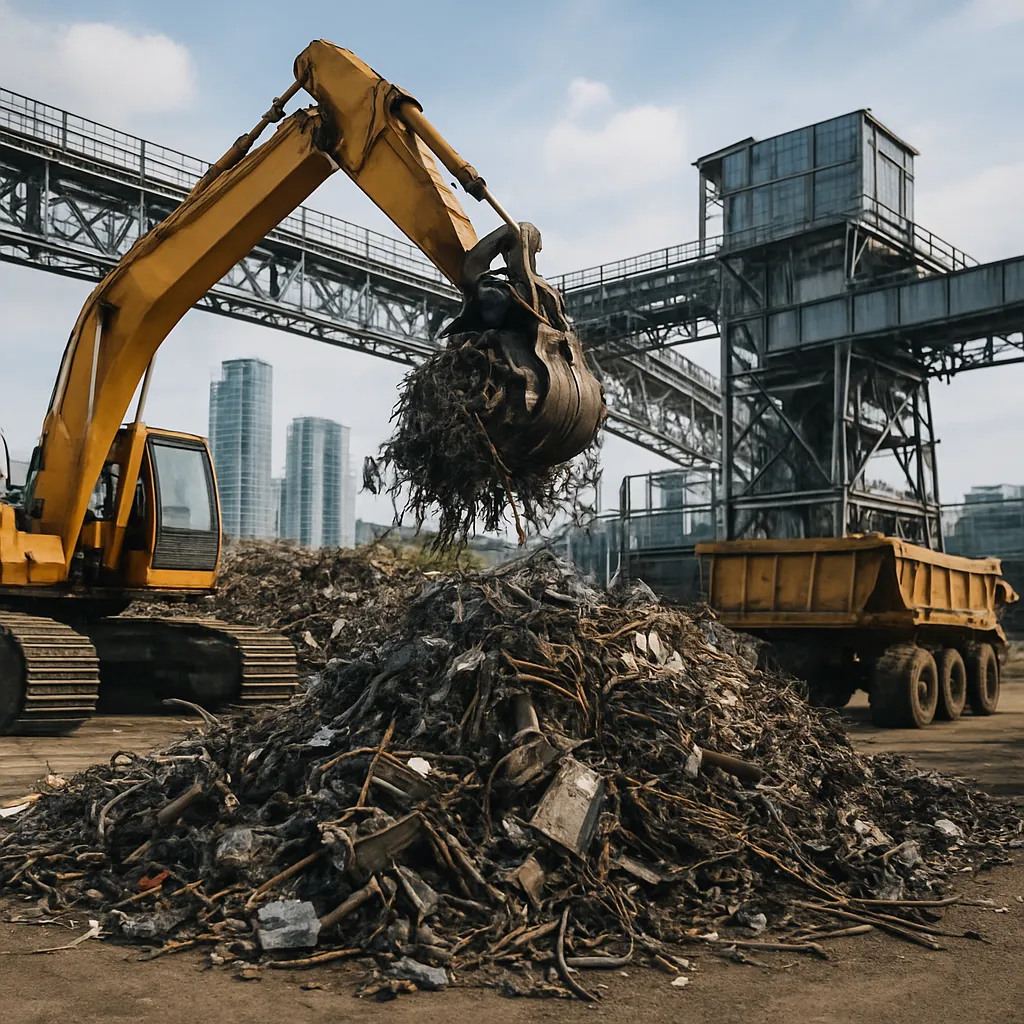
On the metallurgical front, research into recyclable battery chemistries and urban mining of electronic waste aims to reduce dependence on virgin raw materials. Developing economically viable processes for extracting rare metals from scrap could transform the linear extraction model into a circular economy. This shift reduces ecological burdens and diversifies supply sources, enhancing overall system resilience.
From a governance perspective, tokenized commodities and smart contracts promise automated compliance checks, ensuring that materials move through the value chain only when predefined ESG criteria are met. As regulators worldwide tighten sustainability disclosure requirements, such innovations will become invaluable in demonstrating real-time adherence to legal and ethical standards.
Ultimately, a holistic approach to ESG risk assessment—combining rigorous due diligence, stakeholder collaboration, and cutting-edge technology—will be essential for meeting society’s growing demand for rare metals while safeguarding the planet and its communities.