The relentless surge of the AI revolution has ignited an unprecedented need for specialized materials. Among these, gallium and indium stand out for their critical roles in next-generation devices. As artificial intelligence platforms demand ever-faster processing speeds and enhanced energy efficiency, the pressure on global supplies of these rare metals intensifies. This article examines the evolving applications, geopolitical risks, and sustainable strategies shaping the future of gallium and indium in the AI-powered era.
Expanding Role of Gallium and Indium in AI Hardware
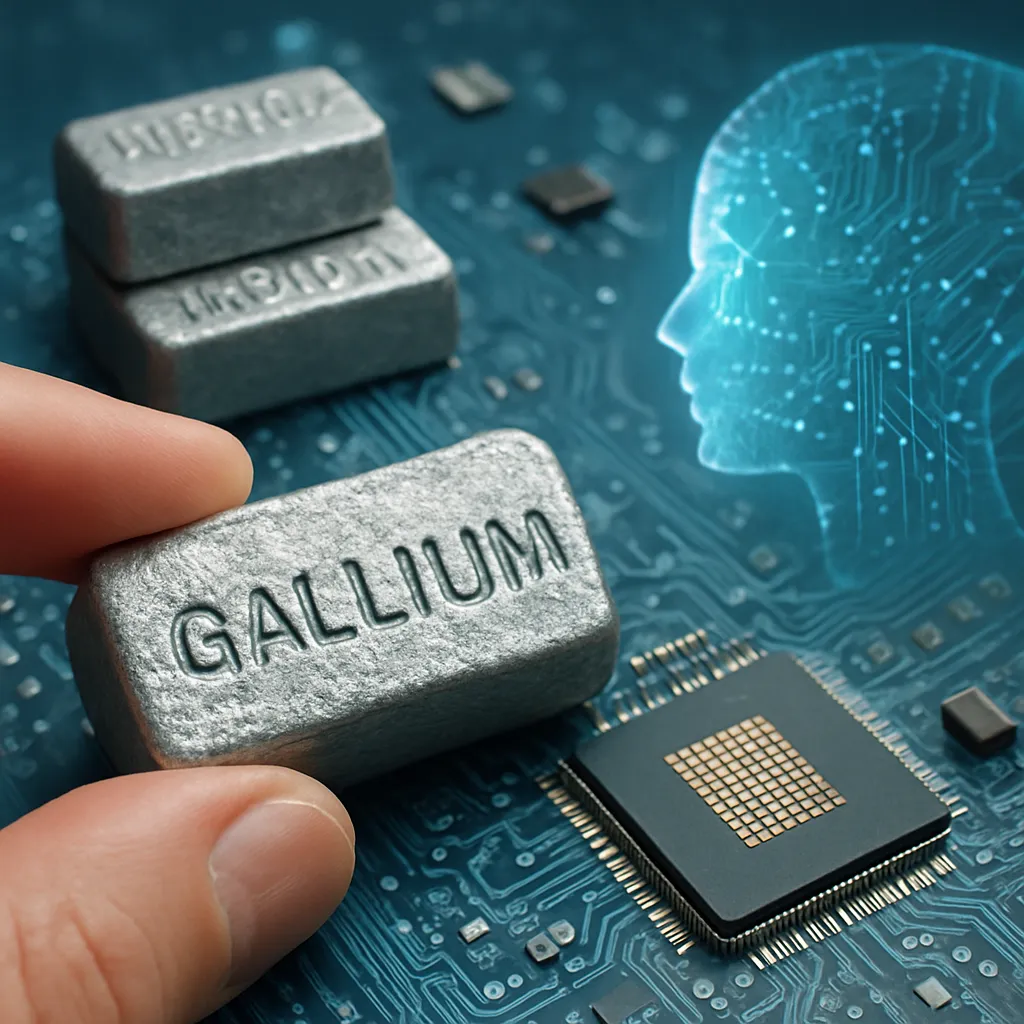
Modern AI systems rely heavily on advanced semiconductors and optoelectronic components that push the limits of conventional silicon-based technology. Gallium and indium offer unique electrical and thermal properties, making them indispensable in several key areas:
- Gallium nitride (GaN) transistors deliver high breakdown voltage, enabling AI accelerators to operate at higher frequencies with minimal heat generation.
- Indium phosphide (InP) photonic circuits facilitate ultrafast data transmission in data centers supporting large-scale machine learning workloads.
- Thin-film displays utilize indium tin oxide (ITO) electrodes to achieve high transparency and conductivity in touchscreen interfaces for AI-driven devices.
- Gallium arsenide (GaAs) laser diodes are critical for LiDAR systems in autonomous vehicles, delivering precise range measurements essential for intelligent navigation.
The integration of GaN-based power converters in AI server racks significantly reduces energy losses and cooling requirements. Meanwhile, InP-based modulators and detectors accelerate optical interconnects, lowering latency in neural network training and inference. As AI workloads grow, so too does the demand for wafers and substrates that incorporate these materials.
Supply Constraints and Geopolitical Challenges
Despite their rising importance, gallium and indium remain byproducts of larger mining operations, primarily linked to bauxite and zinc extraction. This coupling presents inherent supply constraints:
- The global production of gallium hovers around 300 metric tons per year, with China accounting for over 60% of output.
- Indium yields approximately 800 metric tons annually, also heavily concentrated in East Asia.
- The concentration of refining capacity in a handful of regions introduces significant vulnerability to trade disruptions and export controls.
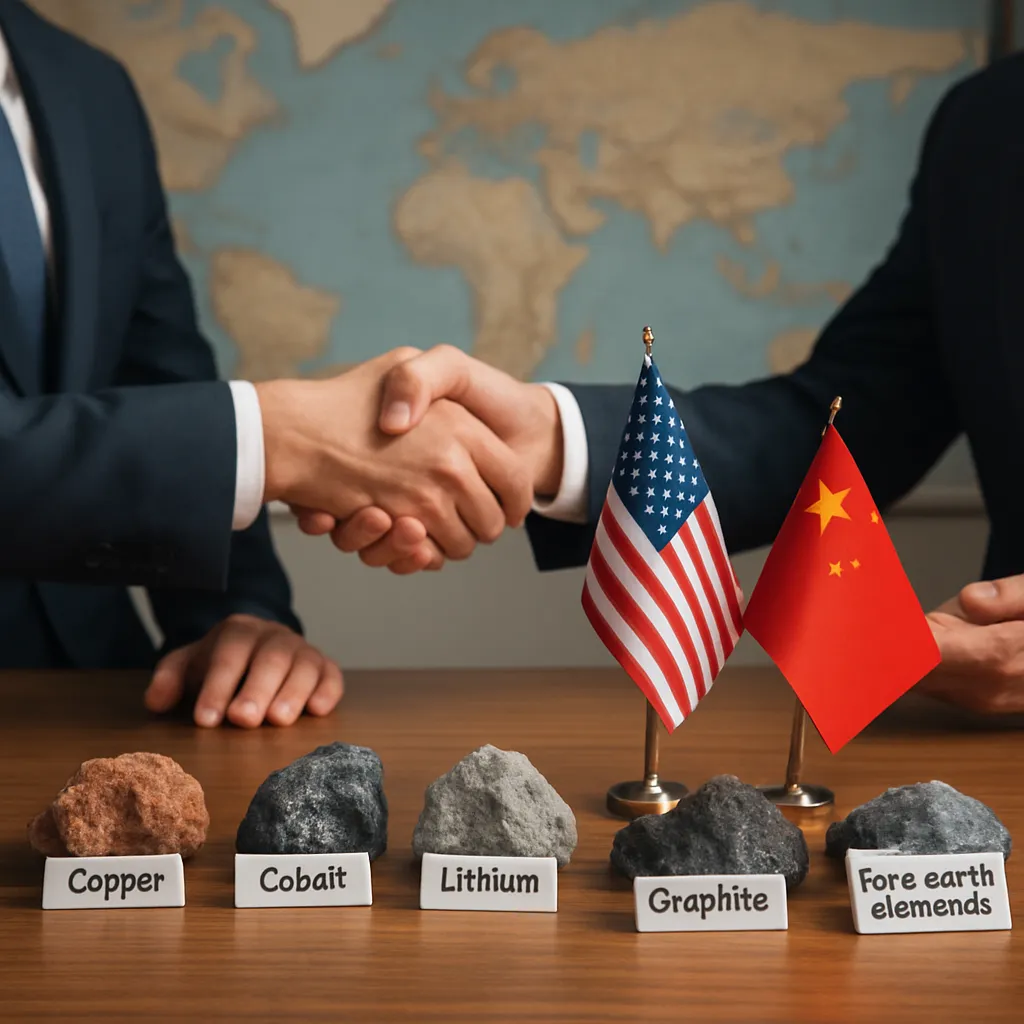
Geopolitical risks further compound these challenges. Recent export restrictions on gallium and germanium from major producers have spurred concerns about supply chain resilience. Companies are wary of potential sanctions or strategic embargoes that could cripple AI hardware manufacturing. To mitigate risks, several governments are exploring diversification:
Strategic Stockpiling and Alternative Suppliers
- Establishing national reserves of gallium and indium to cushion short-term shortages.
- Partnering with emerging producers in Southeast Asia and South America to develop new refining facilities.
- Incentivizing domestic mining projects that co-extract these metals alongside primary ores.
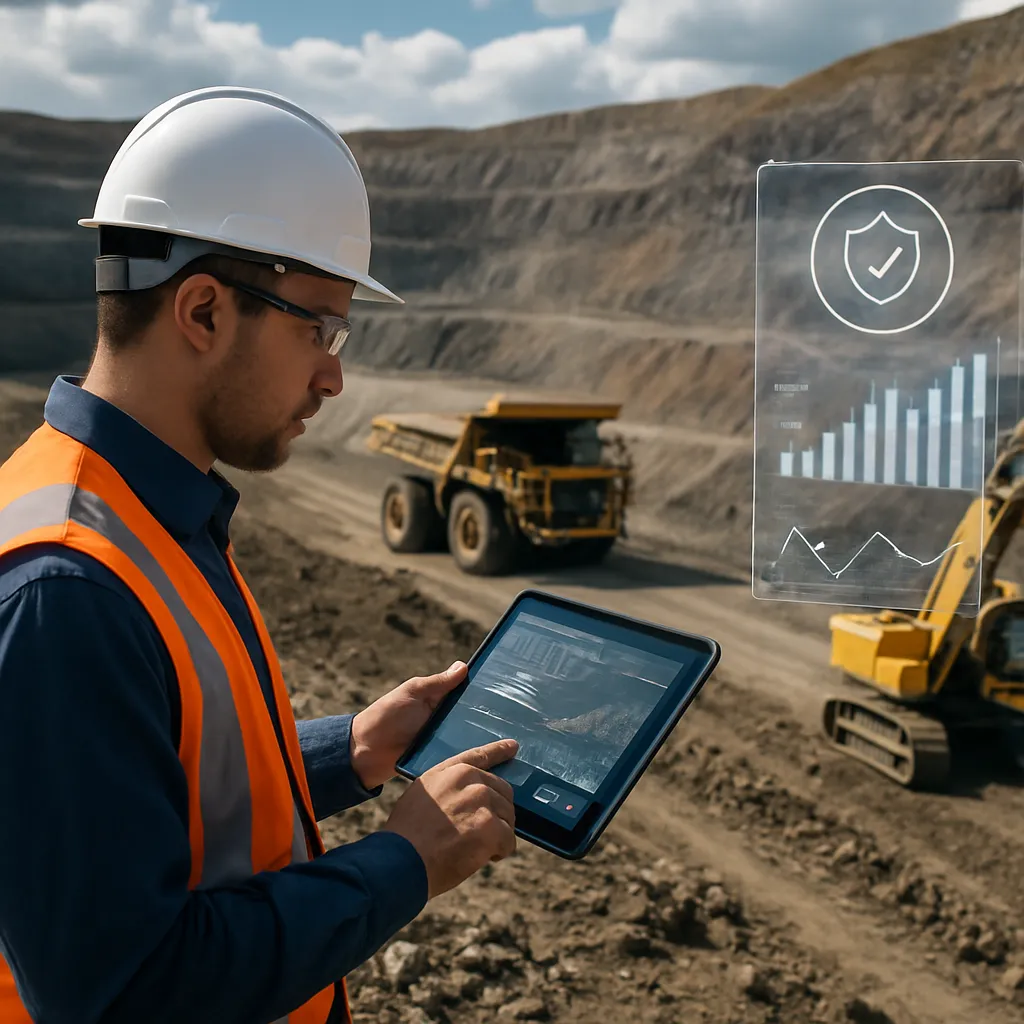
However, scaling up new mining and refining capacity faces environmental hurdles and lengthy permitting processes, delaying relief for the market.
Innovations in Extraction and Recycling
Given the tightening supply-demand dynamics, the industry is pursuing technological breakthroughs to improve yield and promote sustainability. Efforts focus on both primary extraction and secondary recovery:
Advanced Metallurgical Techniques
- Hydrometallurgical approaches that selectively leach gallium and indium from bauxite residue (red mud), reducing waste and enhancing recovery rates.
- Bioleaching methods employing tailored microorganisms to extract indium from low-grade zinc concentrates in a more environmentally friendly manner.
- Molten salt electrolysis processes capable of separating high-purity gallium directly from mixed scraps and dross.
These innovations aim to boost overall metal yields by up to 30%, potentially easing pressure on primary mines.
Urban Mining and Circular Economy
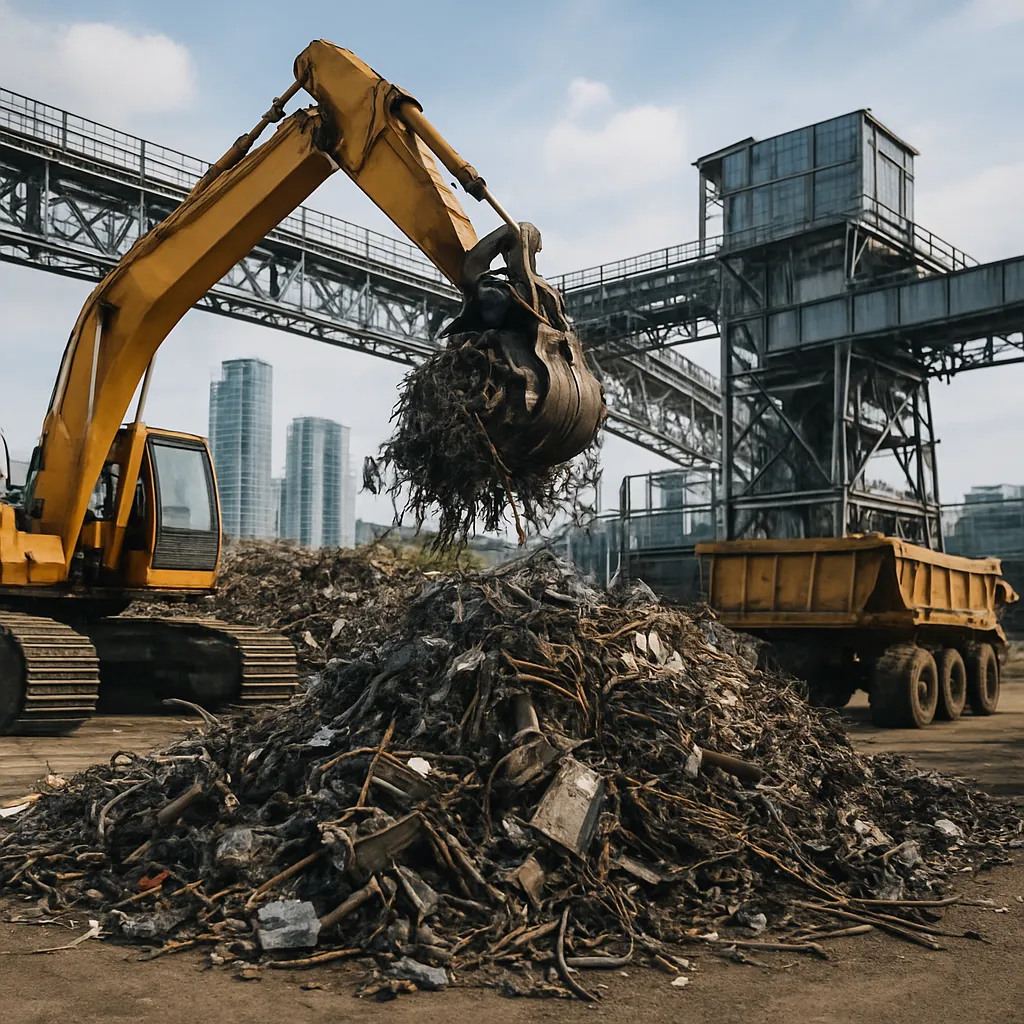
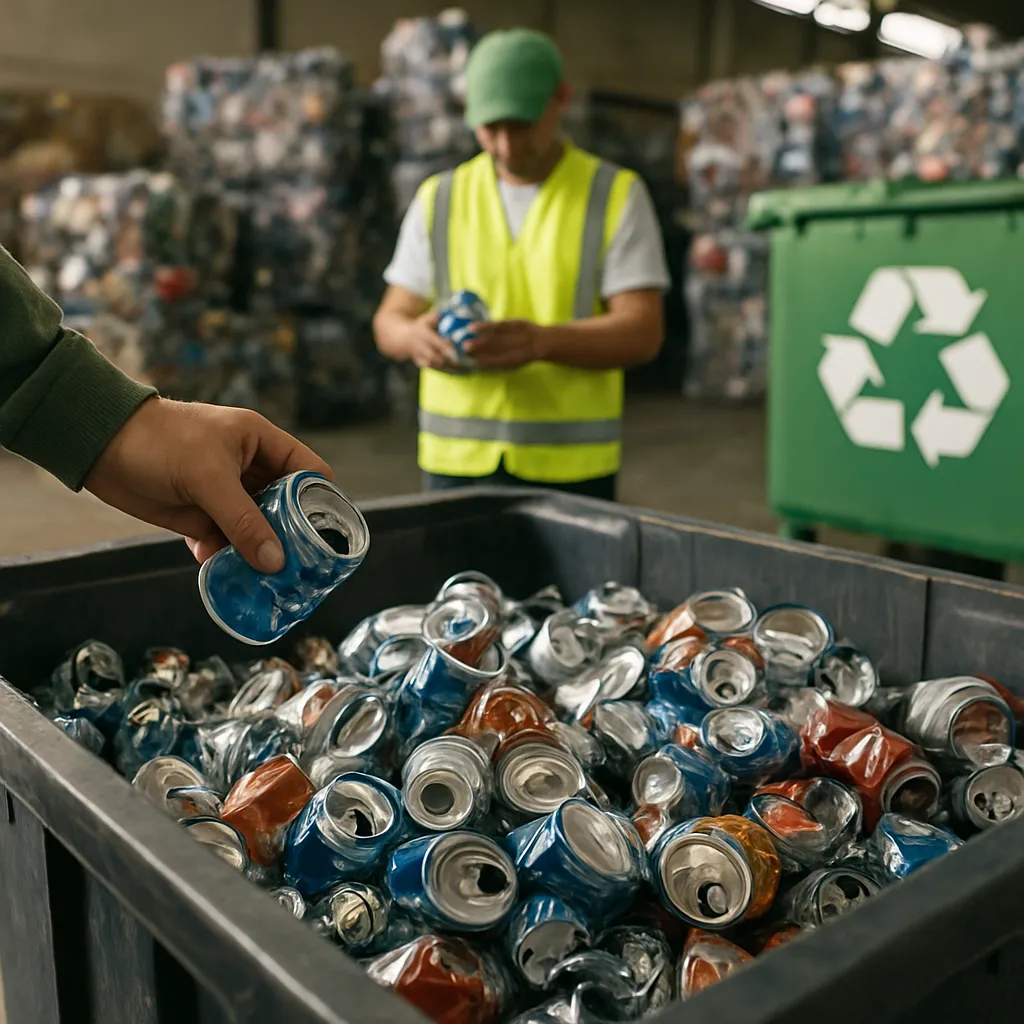
Recycling used electronics and industrial byproducts has emerged as a vital avenue for securing a steady supply chain. Key strategies include:
- Disassembling end-of-life smartphones, flat-panel displays, and completed AI modules to recover indium tin oxide coatings.
- Processing discarded power electronics and RF amplifiers to reclaim gallium from GaN-based substrates.
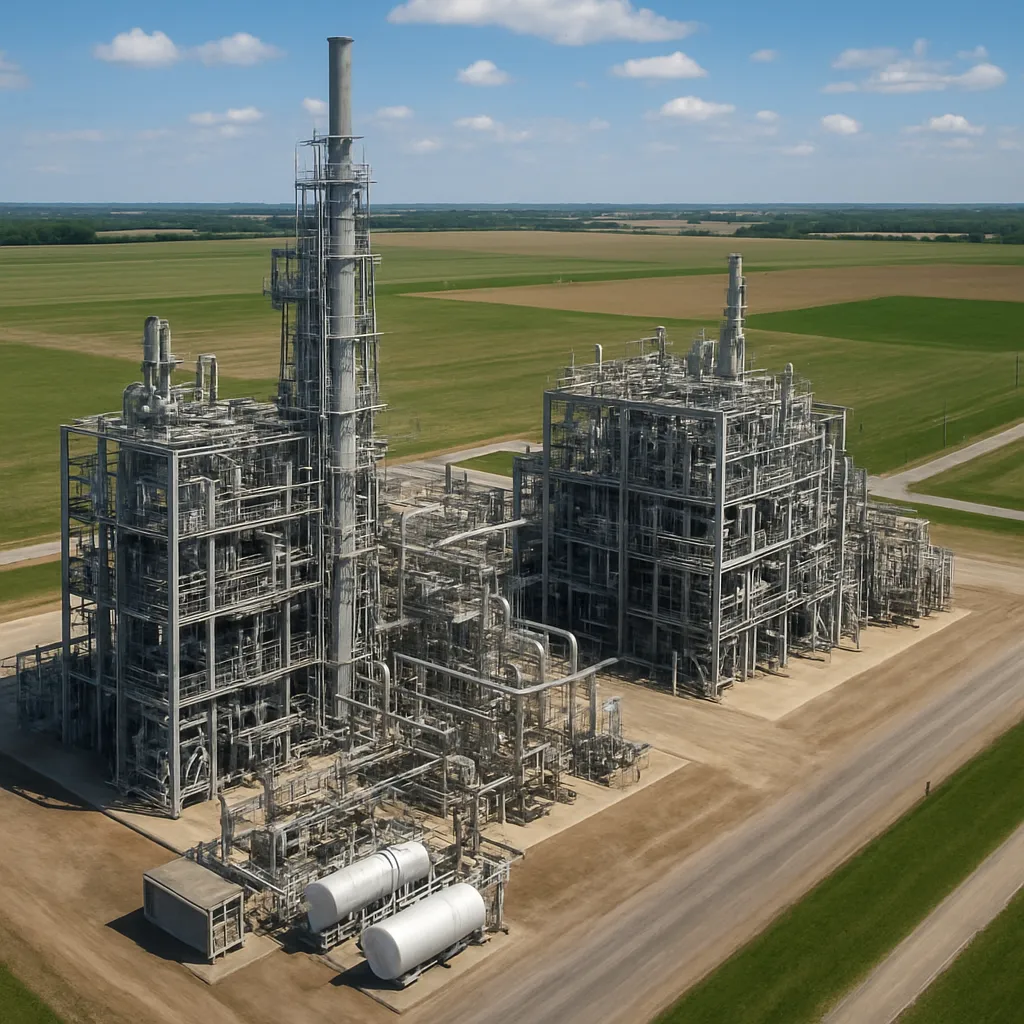
- Developing modular recycling plants co-located with electronics manufacturing to streamline logistics and reduce carbon footprint.
One promising pilot program integrates mechanical shredding with selective solvent extraction, yielding up to 90% purity of recovered indium. Another initiative leverages pyrolysis to isolate gallium from composite materials without generating toxic effluents.
Collaborative Research and Public-Private Partnerships
To accelerate these advancements, stakeholders are forging partnerships across academia, government labs, and industry. Notable efforts include:
- Consortiums focused on nanotechnology-driven sorbent materials that preferentially bind indium ions.
- Joint ventures to build demonstration plants for continuous hydrometallurgical recovery of gallium from red mud.
- Grants supporting life-cycle assessments and benchmarking of extraction and recycling processes.
These collaborations strive to reduce dependence on virgin resources, cushion price volatility, and align the materials supply chain with global decarbonization goals.
Outlook for Rare Metals in the AI Era
The intertwining of AI innovation with the fate of gallium and indium underscores a broader shift: advanced technologies no longer evolve in isolation from their material underpinnings. As data centers expand and edge computing proliferates, the accelerating consumption of these metals will persist. Industry leaders and policymakers must navigate a complex landscape of geopolitical maneuvering, environmental stewardship, and supply chain modernization. Ultimately, the viability of AI’s next milestones hinges on securing resilient, ethical, and sustainable access to gallium and indium—metals that quietly fuel the brainpower of tomorrow’s intelligent systems.