Public-private partnerships have emerged as a **transformative** mechanism for advancing projects focused on critical minerals, especially within the global rare metals sector. By aligning the expertise and capital of private entities with the strategic oversight and regulatory frameworks provided by governments, these collaborations enhance exploration, extraction, processing, and distribution of scarce resources. This article examines how such alliances drive value, mitigate risk, and foster innovation across the entire supply chain.
The Role of Public-Private Partnerships in Critical Mineral Development
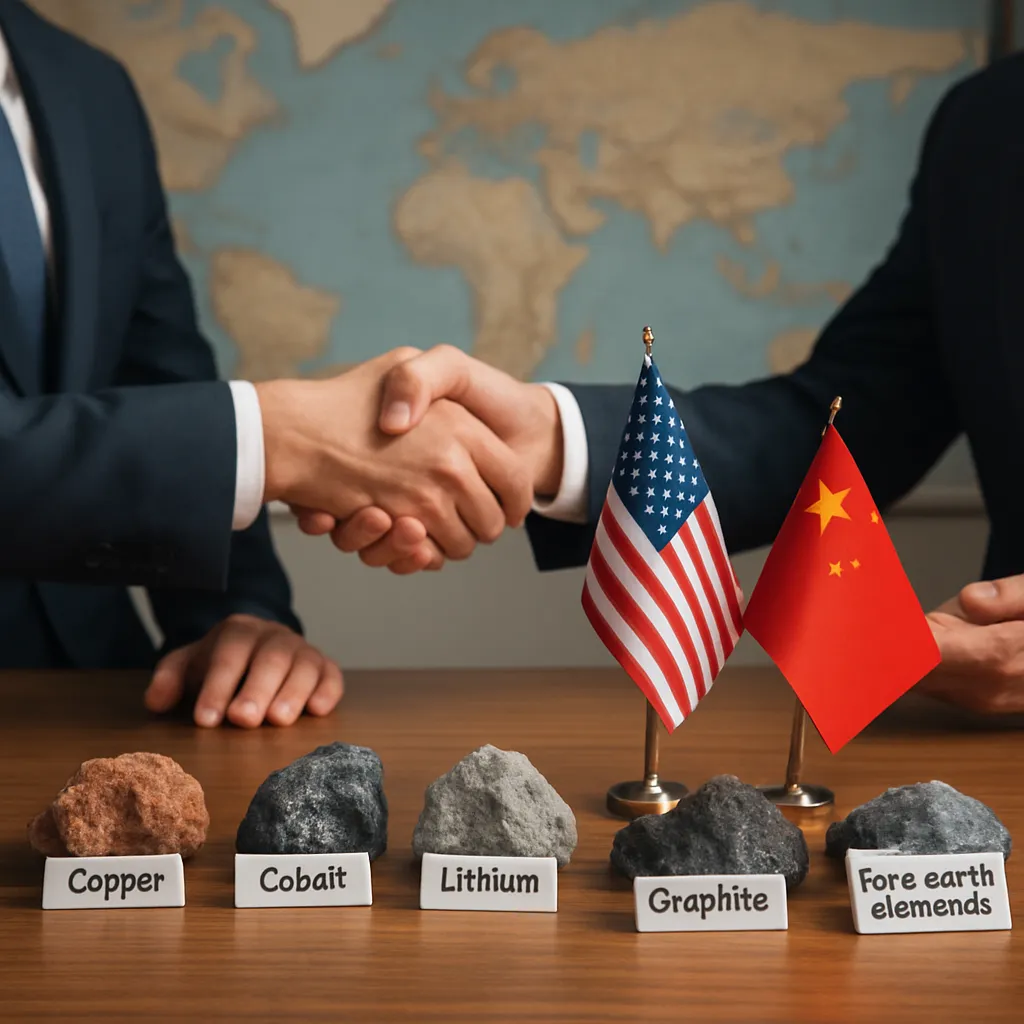
In the rapidly evolving landscape of global rare metals, the synergy between public bodies and private enterprises is indispensable. Governments often face budgetary constraints and bureaucratic hurdles, while private firms may lack the social license and regulatory certainty to pursue large-scale mining or processing initiatives. By forging partnerships, both sides can leverage complementary strengths:
- Regulatory facilitation: Public agencies provide streamlined permitting and ensure environmental compliance.
- Financial backing: Private investors contribute equity, debt financing, and specialized project management skills.
- Technological know-how: Research institutions and private R&D labs share cutting-edge extraction and refining technologies.
- Risk-sharing frameworks: Both parties distribute operational, geological, and market risks to align incentives.
Aligning Objectives and Incentives
Success hinges on well-defined goals and transparent governance. Governments typically prioritize supply chain resilience, national security, and sustainable development. Meanwhile, corporations seek return on investment, scale economies, and access to end markets. Formal agreements outline:
- Project scope and phases (exploration, pilot testing, full-scale production).
- Data-sharing protocols for geological surveys and environmental impact assessments.
- Profit-sharing mechanisms, royalty structures, and tax incentives.
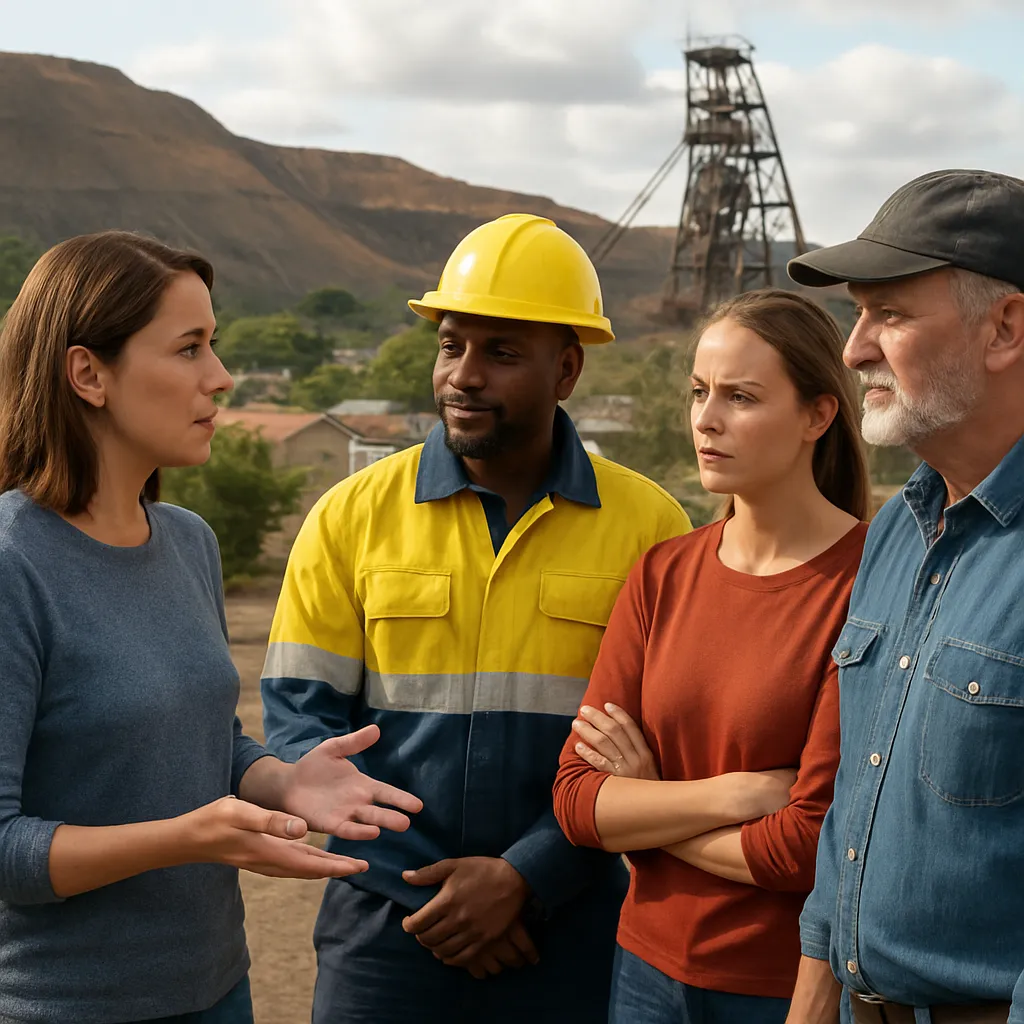
- Local community engagement and workforce development plans.
Strengthening Supply Chain Resilience
Disruptions in the supply of rare earth elements and other critical minerals can have cascading effects on industries such as renewable energy, automotive manufacturing, and consumer electronics. Through joint funding and multilateral agreements, public-private consortia build diversified sourcing strategies, including:
- Strategic stockpiles for buffer against market volatility.
- Decentralized refining hubs to reduce dependency on single geographies.
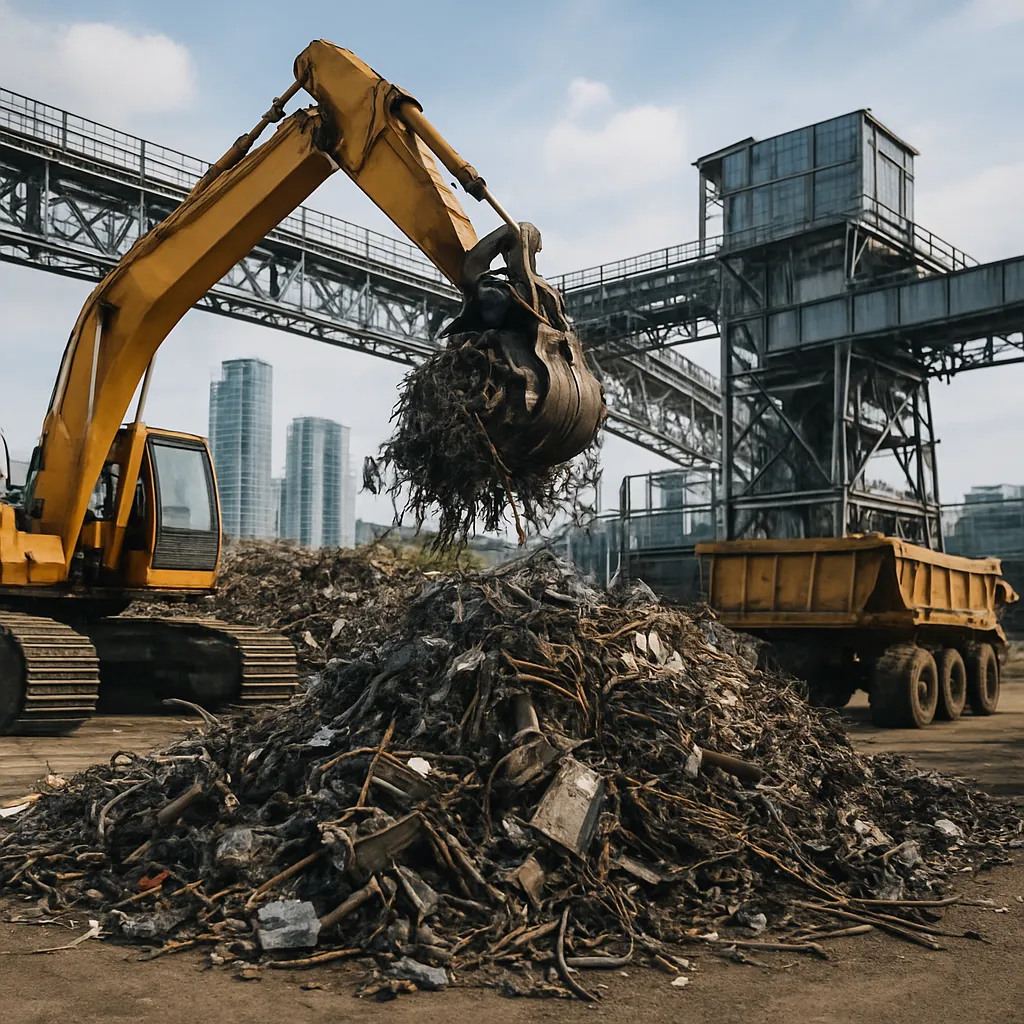
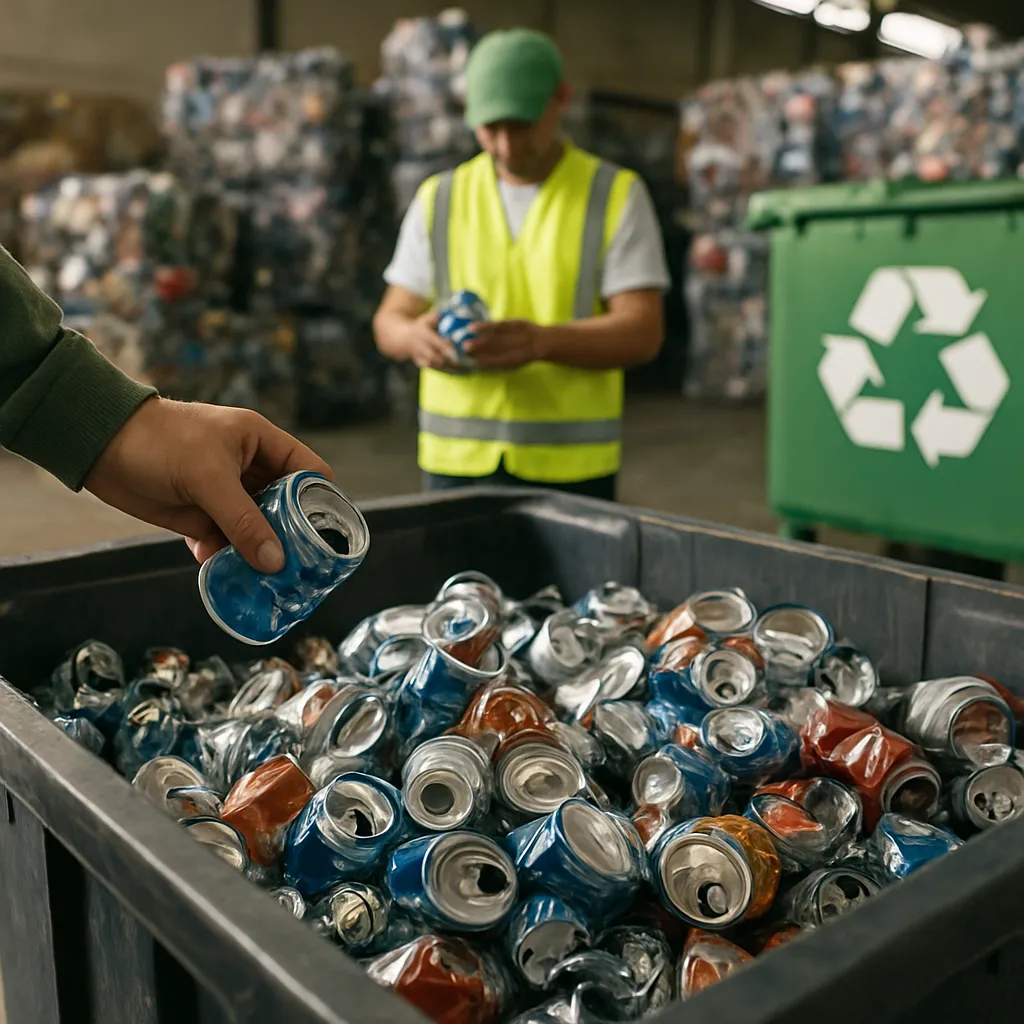
- Integration of recycling and urban mining to recover metals from electronic waste.
Financing and Risk Mitigation Strategies
Securing capital for critical mineral ventures often involves large upfront costs, long lead times, and uncertain returns. Public-private collaborations employ innovative financing models to make these projects feasible and attractive to investors. Key approaches include:
Blended Finance Mechanisms
- Grant funding from development agencies to de-risk early-stage exploration.
- Soft loans and concessional financing to lower the cost of capital.
- Guarantee facilities to cover sovereign or political risk, provided by export credit agencies.
- Equity co-investment by sovereign wealth funds or state-backed investment arms.
By combining grants and low-interest debt with commercial investment, blended finance effectively reduces the weighted average cost of capital. This enables the progression of projects that might otherwise stall due to perceived risk.
Insurance and Risk Pools
Geopolitical instability, price fluctuations, and technical challenges are endemic to mining operations. Public-private insurers and multilateral development banks pool resources to underwrite complex risks, such as:
- Political risk insurance against expropriation or contract disputes.
- Commodity price hedging products to lock in future sales revenue.
- Force majeure coverage for natural disasters and operational disruptions.
Performance-Based Contracts
Linking disbursements to milestones—such as completion of feasibility studies, environmental approvals, or commissioning of pilot plants—ensures accountability. Governments may release incentives only upon meeting predetermined targets, encouraging private partners to adhere to budgets and timelines.
Case Studies: Global Rare Metals Projects
Examining real-world examples demonstrates how public-private collaborations accelerate critical mineral supply chains. The following cases highlight diverse geographies, minerals, and partnership structures.
1. Lithium Extraction in South America
The “Lithium Triangle” of Argentina, Bolivia, and Chile hosts some of the world’s richest brine deposits. National mining agencies have partnered with global energy firms to:
- Advance pilot desalination sites to process high-salinity brines, reducing freshwater usage.
- Implement solar-powered evaporation ponds to lower carbon footprints.
- Establish local processing facilities with capacity to produce battery-grade lithium hydroxide.
These joint ventures underpin the growing electric vehicle market, ensuring stable investment flows and transferring proprietary refining technology to the region.
2. Rare Earth Element Refining in Southeast Asia
A consortium of regional governments and multinational mining companies has created a centralized REE processing complex. Key features:
- Shared infrastructure for separation and purification, achieving economies of scale.
- Stringent environmental standards enforced by public regulators to minimize tailings.
- Research grantees funded by both sides to develop next-generation solvent extraction techniques.
This model reduces dependence on existing dominant producers and diversifies sources of neodymium and dysprosium for magnets in wind turbines.
3. Cobalt Refinery in Central Africa
Recognizing the strategic importance of cobalt for rechargeable batteries, an East African government struck a deal with a consortium of midstream processors. The agreement includes:
- Capacity-building programs for local miners to meet international environmental and social governance criteria.
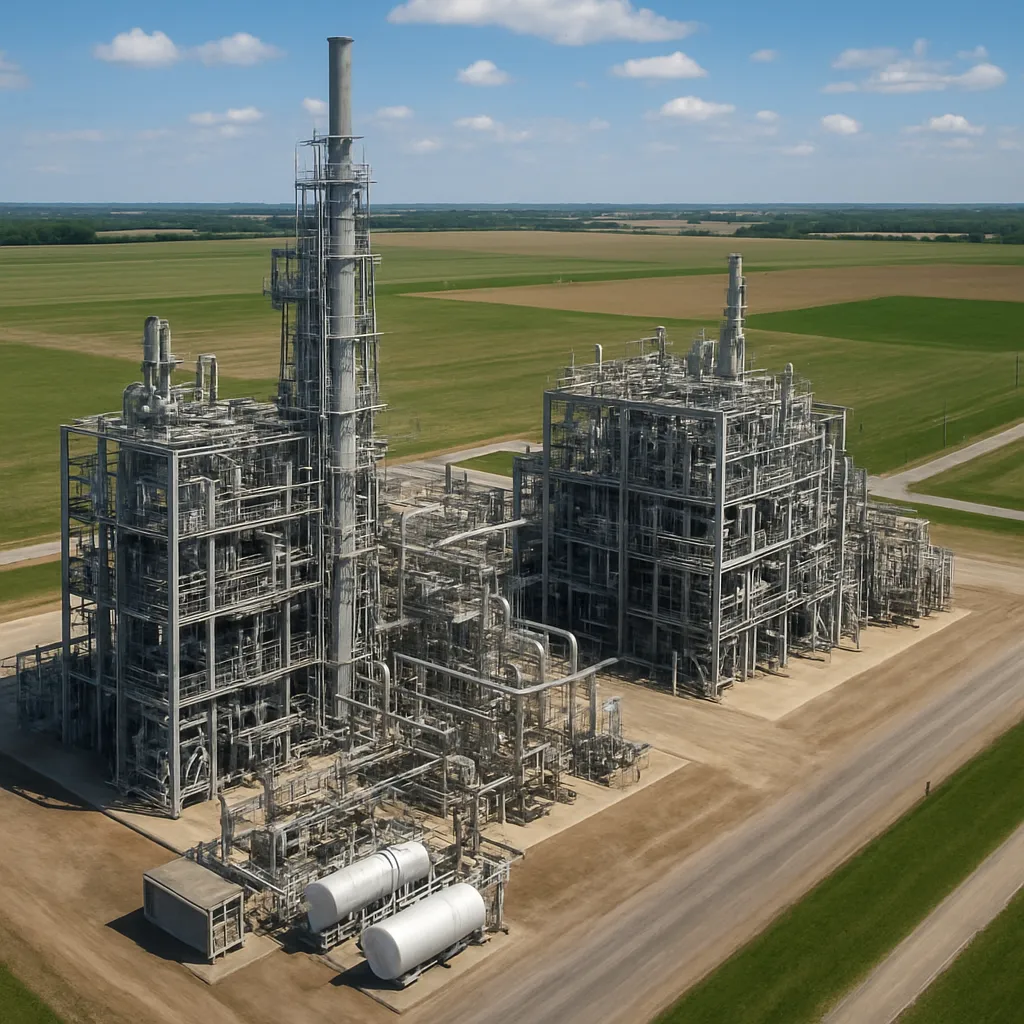
- Joint investment in a state-of-the-art hydrometallurgical plant.
- Revenue-sharing provisions designed to allocate funds for community healthcare and education.
By formalizing the artisanal mining sector and improving traceability, the partnership addresses both ethical sourcing and supply chain transparency.
Future Outlook and Innovation Synergies
Public-private partnerships in the critical minerals arena continue to evolve, driven by technological breakthroughs and shifting policy landscapes. Emerging trends include:
Green Hydrogen and Mineral Integration
Linking renewable energy projects with mineral processing—such as using green hydrogen for ore reduction—can drastically cut emissions. Governments provide renewable energy subsidies, while private firms supply electrolyzers and hydrogen storage solutions.
Digitalization and Autonomous Operations
Automation, AI-driven exploration, and blockchain-based traceability systems are funded through co-investment grants. This digital layer enhances operational efficiency, ensures compliance, and enables end-to-end visibility in the supply chain.
Circular Economy and Recycling Initiatives
To alleviate pressure on primary resources, consortia are investing in urban mining facilities that extract metals from discarded electronics and batteries. Public incentives such as tax rebates for recycled content bolster private sector engagement.
International Cooperation Frameworks
Multinational public-private alliances, including regional trade blocs and development banks, craft standardized guidelines for critical mineral conduct. Such frameworks:
- Harmonize environmental impact assessments across borders.
- Facilitate cross-border financing and credit lines.
- Promote workforce training and technology transfer.
In conclusion, the dynamic interplay between public institutions and private actors is reshaping the critical mineral landscape, fostering a more secure, sustainable, and innovative future for the global rare metals industry.