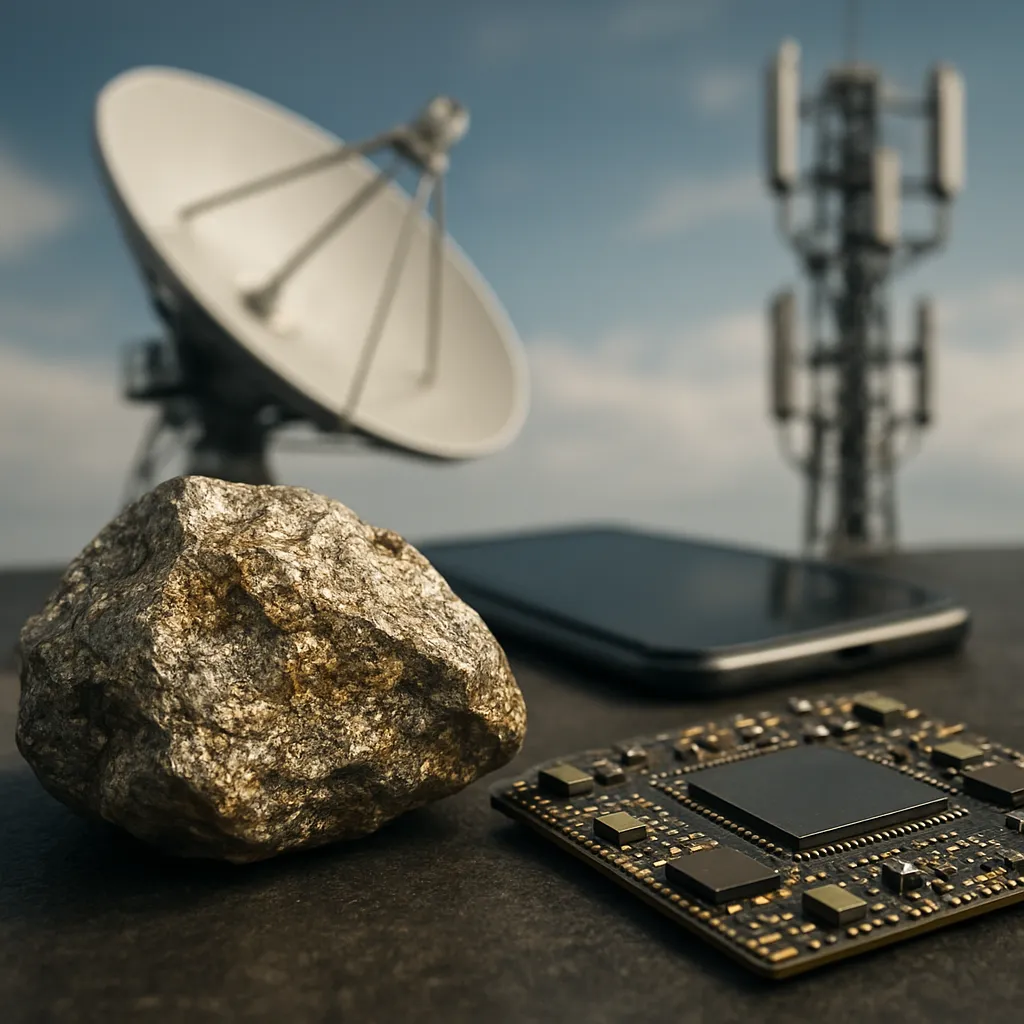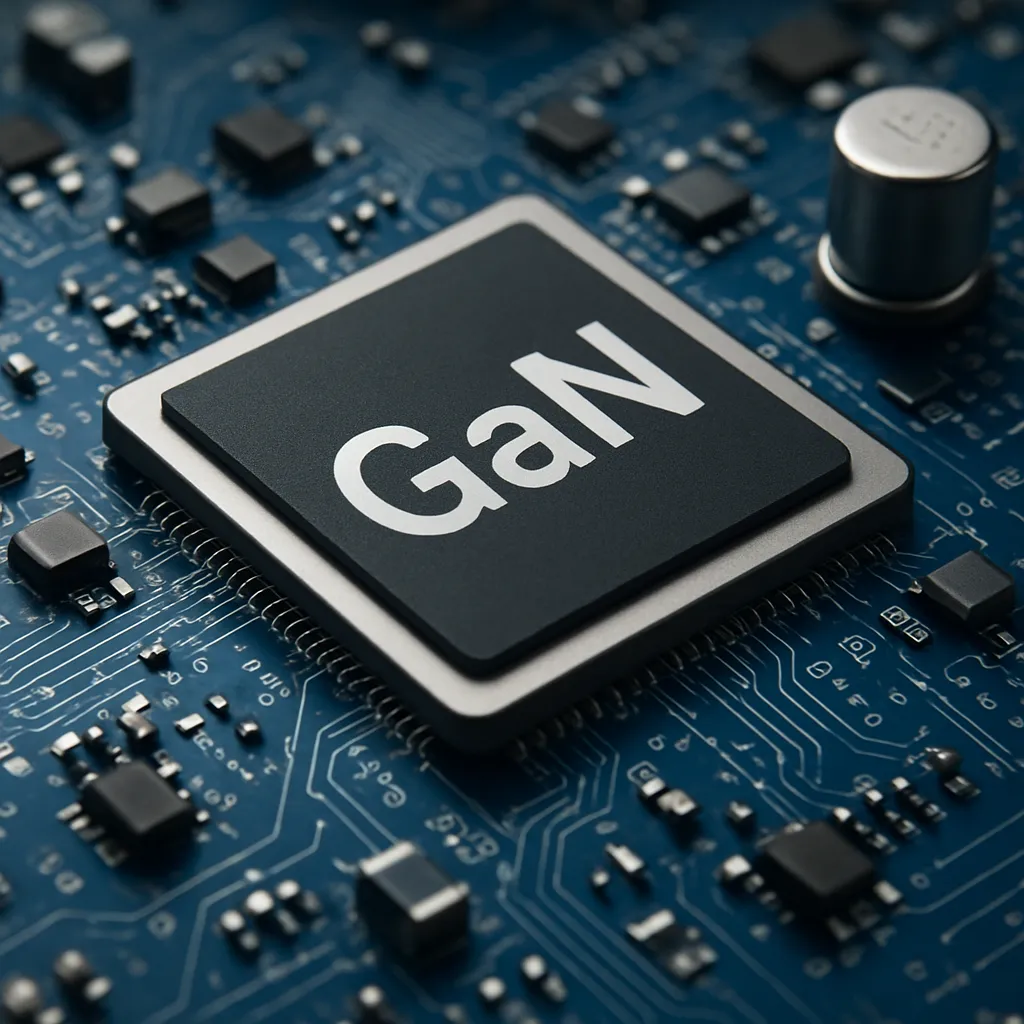
The emergence of gallium nitride as a key component in modern electronics marks a turning point in the realm of semiconductor materials. While silicon has reigned supreme for decades, the extraordinary properties of gallium nitride offer breakthroughs in efficiency, frequency response and device longevity. This article examines the global context of rare metals, the technological strides enabled by GaN, the hurdles in securing sustainable supply channels, and the promising horizon for next-generation electronics manufacturing.
Market Dynamics and Strategic Importance
Rare metals underpin the digital economy, powering everything from mobile communications to renewable energy inverters. As global demand for high-performance electronics surges, gallium nitride stands out with a wide bandgap that surpasses silicon’s limits. Several factors shape its strategic value:
- Geopolitical leverage: Major GaN feedstock originates from a handful of nations. Control over gallium extraction and refining can confer significant influence on supply pricing and availability.
- High growth markets: Electric vehicles (EVs), 5G base stations, satellite communications and data centers are all ramping up adoption of GaN-based components. Analysts forecast a compound annual growth rate (CAGR) exceeding 25% in the coming decade.
- Investment trends: Semicondutor foundries, venture capital funds and governments are channeling billions into GaN-focused research, production capacity and wafer-scale innovations.
- Competitive advantage: Companies securing reliable access to gallium-rich ores and advanced epitaxial processes can outpace rivals by offering smaller, lighter and more robust devices.
In the larger tapestry of rare metals—including indium, scandium and tantalum—gallium nitride’s unique electrical and thermal characteristics amplify its strategic weight in global commerce and national security considerations.
Technological Advancements with Gallium Nitride
The transition from silicon to GaN hinges on overcoming material and manufacturing challenges. Yet, recent breakthroughs have accelerated this shift:
- High-frequency operation: GaN’s superior electron mobility supports switching speeds above 100 MHz, enabling miniaturization of inductors and capacitors in power supplies.
- Thermal management: Thanks to a thermal conductivity roughly three times greater than silicon’s, GaN devices handle high power densities with reduced cooling systems and longer lifespans.
- Compact packaging: By shrinking footprints by up to 70%, GaN-based modules free up board space in everything from drones to data-center racks.
- Higher breakdown voltage: The wide bandgap allows circuits to withstand voltages exceeding 600 V, critical for EV chargers and industrial motor drives.
Applications Driving Innovation
- Telecommunications: 5G transceivers demand front-end amplifiers capable of handling wide bandwidths; GaN power amplifiers deliver both gain and linearity.
- Renewable energy: Solar inverters incorporating GaN MOSFETs achieve conversion efficiencies above 99%, reducing energy loss and lowering system costs.
- Automotive electronics: Onboard chargers and inverters for EVs benefit from power electronics that can operate at elevated temperatures and voltages.
- Aerospace and defense: Radar systems leverage GaN’s high flux density to enhance radar resolution while minimizing weight and power consumption.
Challenges in Supply and Sustainable Sourcing
Despite the clear advantages, securing a robust supply of gallium nitride materials faces numerous obstacles:
- Scarcity of primary ores: Gallium is typically a byproduct of bauxite refining or zinc smelting, limiting the volume available for GaN wafer growth.
- Environmental impact: Mining and processing rare metals often involve significant water consumption, greenhouse gas emissions and tailings management challenges.
- Supply chain risks: Reliance on a few geographical regions exposes manufacturers to export restrictions, political instability and logistics bottlenecks.
- Recycling hurdles: Recovering high-purity gallium from end-of-life electronics remains complex and costly, slowing the development of a circular economy.
Strategies for Resilience
- Diversifying feedstock sources by exploring secondary deposits and partnering with local refineries.
- Investing in green refining techniques such as solvent extraction methods that reduce energy consumption and chemical waste.
- Implementing take-back programs in consumer electronics to bolster closed-loop recovery of gallium and other rare metals.
- Collaborating across academia, industry and governments to establish standards for ethical sourcing and transparent supply chains.
Future Outlook and Industry Impact
As gallium nitride continues its ascent, stakeholders across the value chain are positioning for transformative outcomes:
- Performance benchmarks are projected to climb further as material scientists refine MOCVD (metalorganic chemical vapor deposition) techniques to produce larger-diameter, defect-free wafers.
- Integration with silicon carbide (SiC) and other wide-bandgap materials promises hybrid platforms that harness the strengths of each semiconductor.
- Emerging fields such as quantum computing and photonics may adopt GaN for its stable platform in ultraviolet light emission and high-electron-density channels.
- Government incentives aimed at securing domestic semiconductor leadership are driving new foundries and research hubs dedicated to advanced GaN processes.
By harnessing the unique attributes of gallium nitride and bolstering the supply chain resilience of rare metals, the electronics industry stands poised to deliver lighter, faster and more sustainable solutions. Strategic investments in extraction, manufacturing and recycling will determine how swiftly GaN solidifies its role as the cornerstone of next-generation innovation and global competitiveness.