The surging demand for rare metals in sectors such as renewable energy, electronics, and electric vehicles has triggered a seismic shift in both geological exploration and environmental concerns. While these critical elements underpin modern technological advances, their extraction and processing carry profound consequences for biodiversity across the globe. This article dissects the complex relationship between rare metal demand and the vitality of ecosystems, illuminating critical challenges and potential pathways to more sustainable practices.
Extraction Methods and Environmental Pressures
Hard Rock Mining and Its Footprint
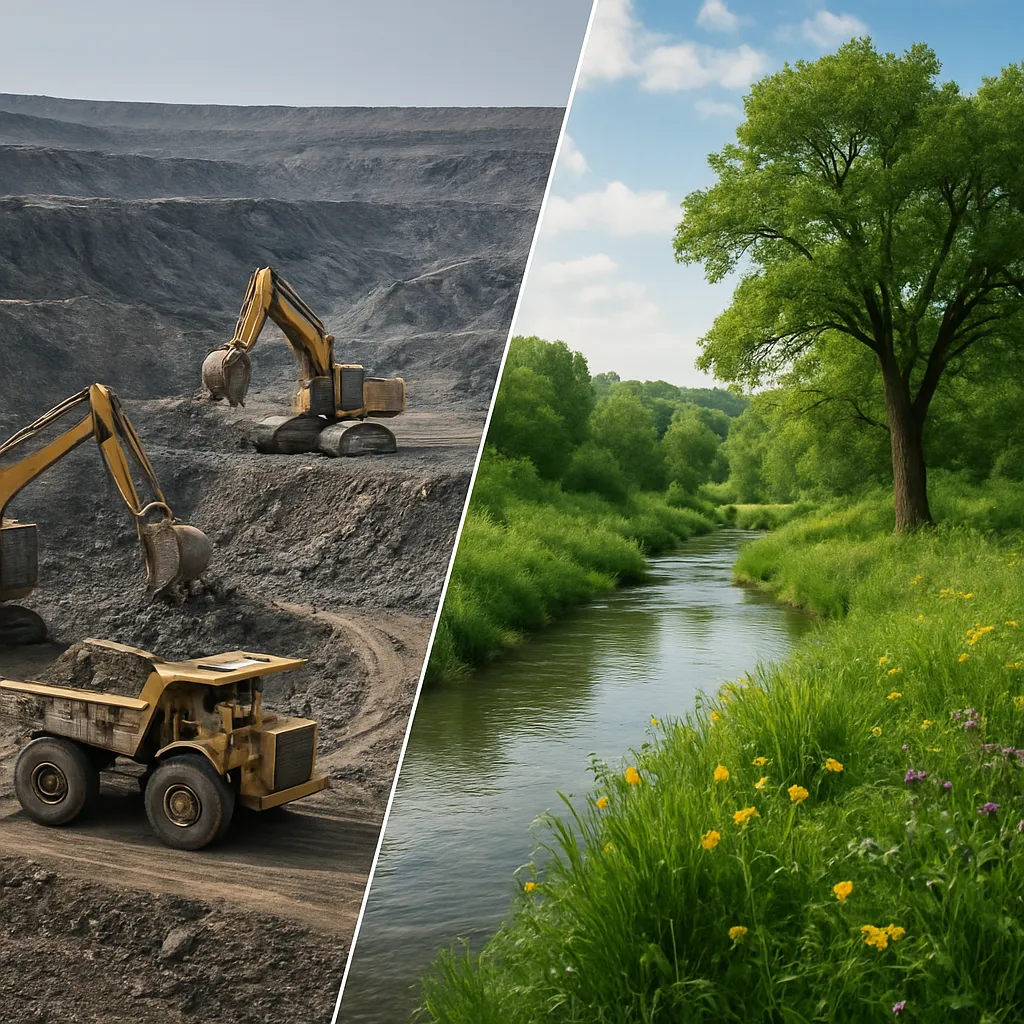
Hard rock mining for elements like lithium, cobalt, and nickel often involves open-pit operations that scar vast tracts of land. Vegetation removal, topsoil displacement, and subsequent waste rock piles lead to habitat fragmentation and soil erosion. In biodiverse hotspots—such as Andean mountain forests or Southeast Asian rainforests—these activities can decimate populations of endemic plant and animal species.
Deep-Sea Mining Prospects
As terrestrial reserves dwindle, attention has turned to polymetallic nodules on the ocean floor. While promising vast deposits of manganese, nickel, and rare earth elements, deep-sea mining poses unprecedented risks to largely unexplored marine communities. Disturbing sediment plumes could smother filter feeders, alter chemical gradients, and disrupt the food web, threatening the resilience of deep-sea ecosystems.
Artisanal and Small-Scale Mining (ASM)
ASM operations, prevalent in regions such as the Democratic Republic of Congo for cobalt or Peru for lithium, often operate outside formal regulatory frameworks. These activities can cause extensive mercury or cyanide runoff, contaminating water sources and poisoning wildlife. The lack of environmental oversight in many ASM sites intensifies pollution and undermines local conservation efforts.
Impacts on Biodiversity and Ecosystem Services
Habitat Loss and Fragmentation
Mining infrastructure—roads, pits, processing plants—breaks contiguous habitats into isolated patches. Species requiring large territories or specific breeding grounds, such as jaguars in South America or orangutans in Borneo, face population decline when their range is subdivided. Fragmentation also hinders genetic exchange, reducing resilience against disease and environmental change.
Water Resources and Aquatic Life
Processing of ores often demands vast volumes of water and generates acid mine drainage laden with heavy metals. Streams and rivers downstream of extraction sites can experience pH shifts and metal toxicity, imperiling fish, amphibians, and invertebrates. In many cases, these waterways serve as primary water supplies for human communities, compounding social and ecological stress.
Air Quality and Pollinator Decline
Dust and gaseous emissions from crushing, smelting, and refining operations degrade air quality and deposit toxic particulates on vegetation. Declines in pollinator populations—bees, butterflies, and hoverflies—have been linked to metal-contaminated pollen and nectar. This drop in pollination services can cascade through ecosystems, affecting fruiting plants and broad food webs.
Socio-Ecological Consequences and Community Well-being
Indigenous Rights and Cultural Heritage
Mining concessions often overlap with lands stewarded by indigenous communities. Displacement and disruption of sacred sites undermine cultural heritage and spiritual connections to the land. Loss of traditional ecological knowledge further weakens community-led conservation initiatives that have historically maintained local biodiversity.
Livelihoods and Health Impacts
Dependent on fisheries, agriculture, or forest resources, rural populations suffer when environmental integrity declines. Contaminated soils and water sources lead to bioaccumulation of toxic metals in crops and livestock, posing long-term health risks. Respiratory ailments, neurological disorders, and increased mortality rates have been documented in mining-impacted regions.
Strategies for Mitigation and Sustainable Practice
Adoption of Circular Economy Models
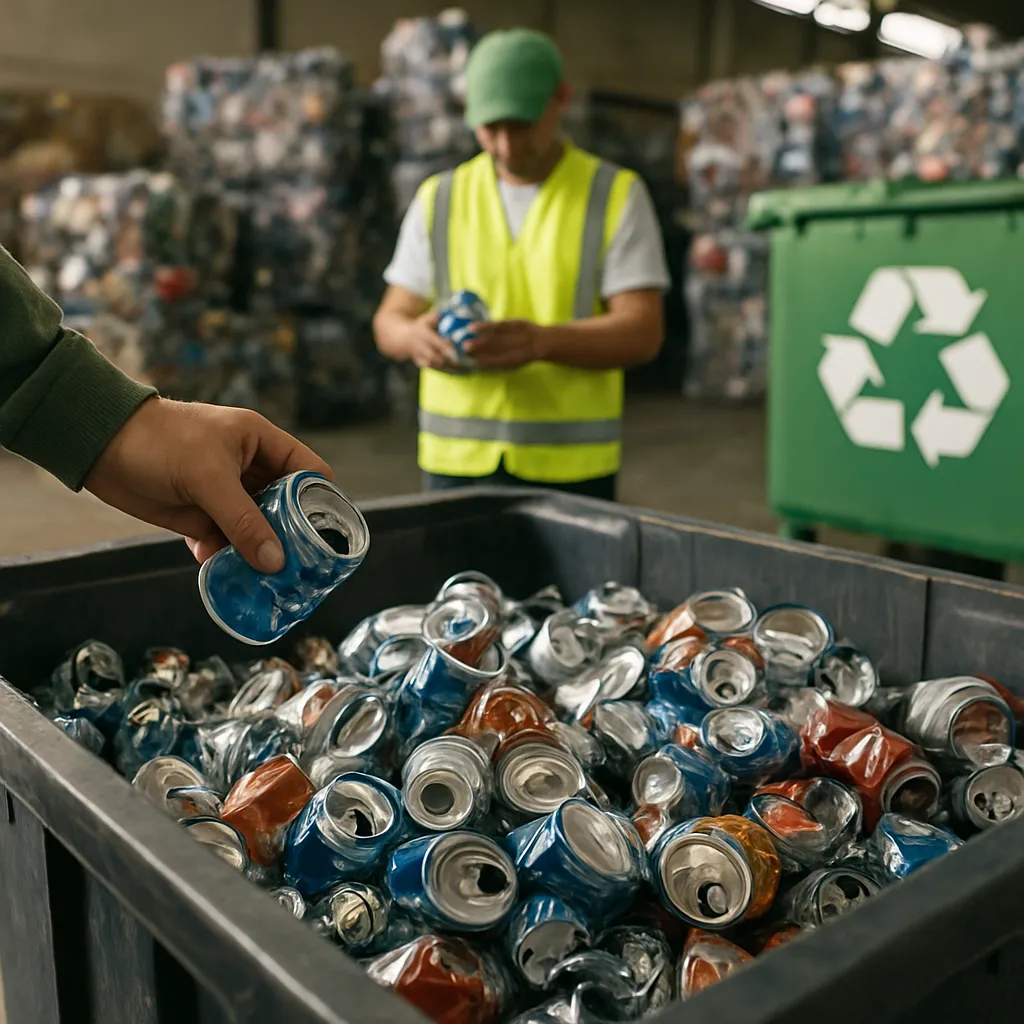
- Enhanced recycling of rare metals from end-of-life electronics reduces new extraction.
- Design for disassembly promotes recovery of high-value metals such as neodymium and dysprosium.
- Closed-loop supply chains limit waste and encourage corporate accountability.
Innovative Extraction and Rehabilitation
- In-situ leaching minimizes surface disruption by dissolving ores underground and pumping solutions to the surface.
- Phytomining employs hyperaccumulator plants to concentrate metals, reducing reliance on heavy machinery.
- Progressive rehabilitation of mined lands through native species reforestation and soil amendments fosters ecosystem recovery.
Regulatory Frameworks and International Cooperation
Robust environmental impact assessments (EIAs) and stringent mine closure regulations are essential. Cross-border collaboration under conventions like the Minamata and Basel Conventions can harmonize standards for tailings management, chemical usage, and transboundary pollution control. Empowering local stakeholders in decision-making processes strengthens oversight and promotes equitable benefit sharing.
Technological Innovations and Future Outlook
Substitute Materials and Green Chemistry
Research into alternative materials—such as iron-based magnets to reduce reliance on neodymium and dysprosium—offers promising pathways. Advances in green chemistry aim to replace toxic reagents with benign solvents and biocatalysts, lowering the ecological footprint of metal processing.
Digital Monitoring and Transparency
Satellite imagery, remote sensing, and blockchain-enabled supply chain tracking enhance transparency and accountability. By publicly disclosing mine locations, deforestation rates, and pollution metrics in real time, consumers, investors, and regulators can exert pressure for improved environmental stewardship.
Stakeholder Engagement and Education
Raising awareness among consumers about the hidden ecological costs of rare metals fosters demand for responsibly sourced products. Collaboration between governments, NGOs, and industry can develop certification schemes that reward sustainable extraction, rehabilitation efforts, and community investment.