The global industry of rare metals hinges on a handful of producers, creating a precarious landscape where disruptions can echo across multiple sectors. As technology, energy, and defense systems increasingly rely on these critical minerals, reliance on a single supplier or region transforms routine procurement into a high-stakes gamble. This article examines the hidden perils of such dependencies and explores pathways toward a more resilient supply network.
Supply Chain Concentration and Market Volatility
When extraction and processing of valuable elements like lithium, cobalt, and neodymium are geographically clustered, any disruption magnifies price swings. Overreliance on a single source amplifies:
- Geopolitical risk – political instability or trade disputes in the supplier country can lead to sudden export controls or tariffs.
- Operational fragility – a natural disaster or industrial accident at the main refinery can halt flows for months.
- Market manipulation – monopolistic behavior by the dominant producer can spike costs and erode downstream competitiveness.
Case Study: Cobalt Supply
Cobalt, essential to lithium-ion batteries, is overwhelmingly mined in one African nation. Periodic unrest and ethical controversies have driven companies to scramble for alternative sources or stockpiles, fueling severe volatility in battery-making industries.
Geopolitical Tensions and Strategic Dependencies
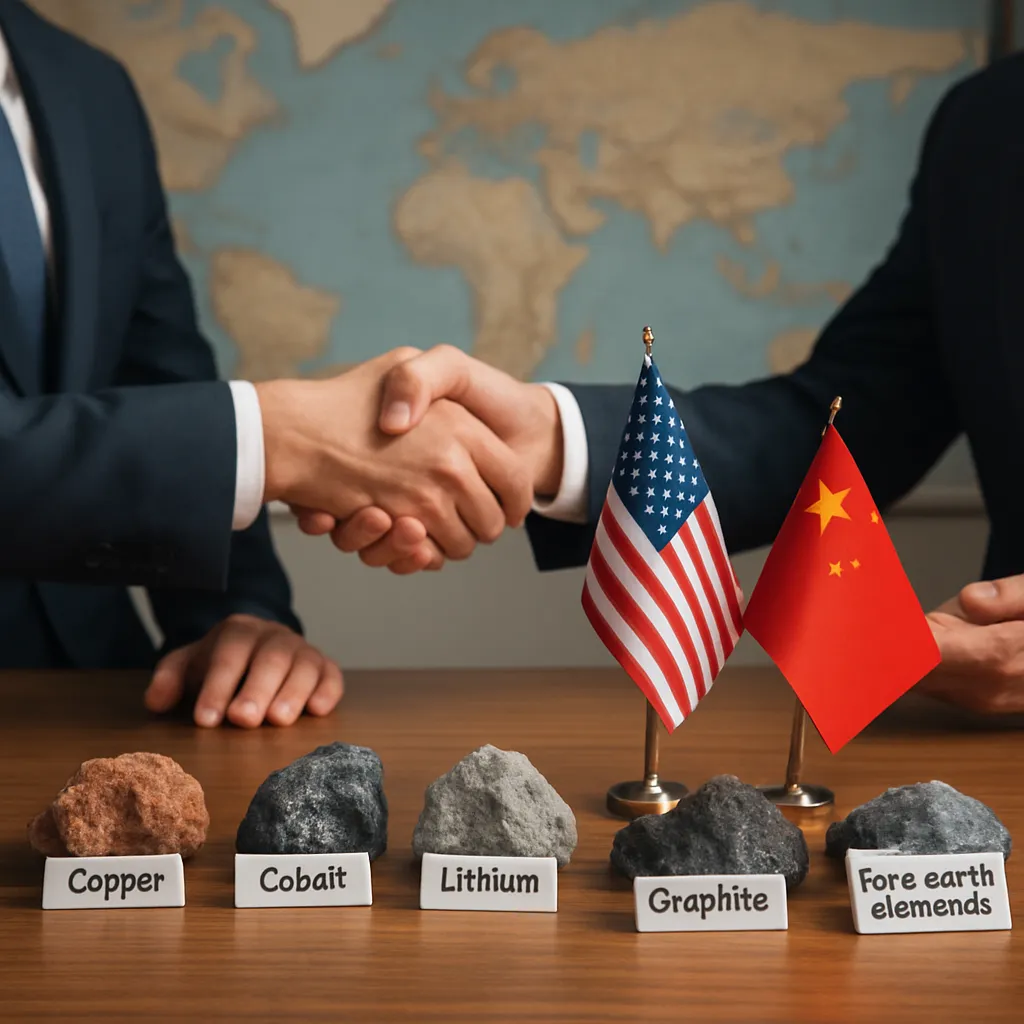
Global power dynamics shape the rare metals landscape. When a single supplier wields significant influence, it effectively gains a strategic lever over importing nations. Governments and corporate buyers face a dilemma: accommodating diplomatic pressures or investing in costly defense stocks.
- Export restrictions can be used as diplomatic tools.
- National security concerns prompt strategic stockholding.
- Multilateral alliances may restrict trade with rival powers.
Impact on High-Tech Manufacturing
Smartphones, electric vehicles, and renewable energy systems all depend on supply chain certainty. In scenarios where key components disappear overnight due to sanctions or embargoes, entire production lines risk shutdown.
Environmental and Ethical Considerations
Intensive mining in a concentrated region often strains local ecosystems and communities. Overreliance ignores the imperative for responsible sourcing and can lead to irreversible damage.
- Water shortages from high-volume extraction in arid zones.
- Deforestation and biodiversity loss due to open-pit mining.
- Labor and human rights concerns in regions lacking robust regulations.
The Hidden Costs of Single-Source Procurement
While a sole supplier may offer attractive pricing, the sustainability footprint is frequently overlooked. Companies must factor in remediation costs, community impact fees, and reputational risks linked to environmental and social governance (ESG) failures.
Strategies for Building Resilience
To mitigate the threats posed by single-source dependence, stakeholders are exploring various strategic responses:
- Diversification of supply – partnering with multiple producers across continents.
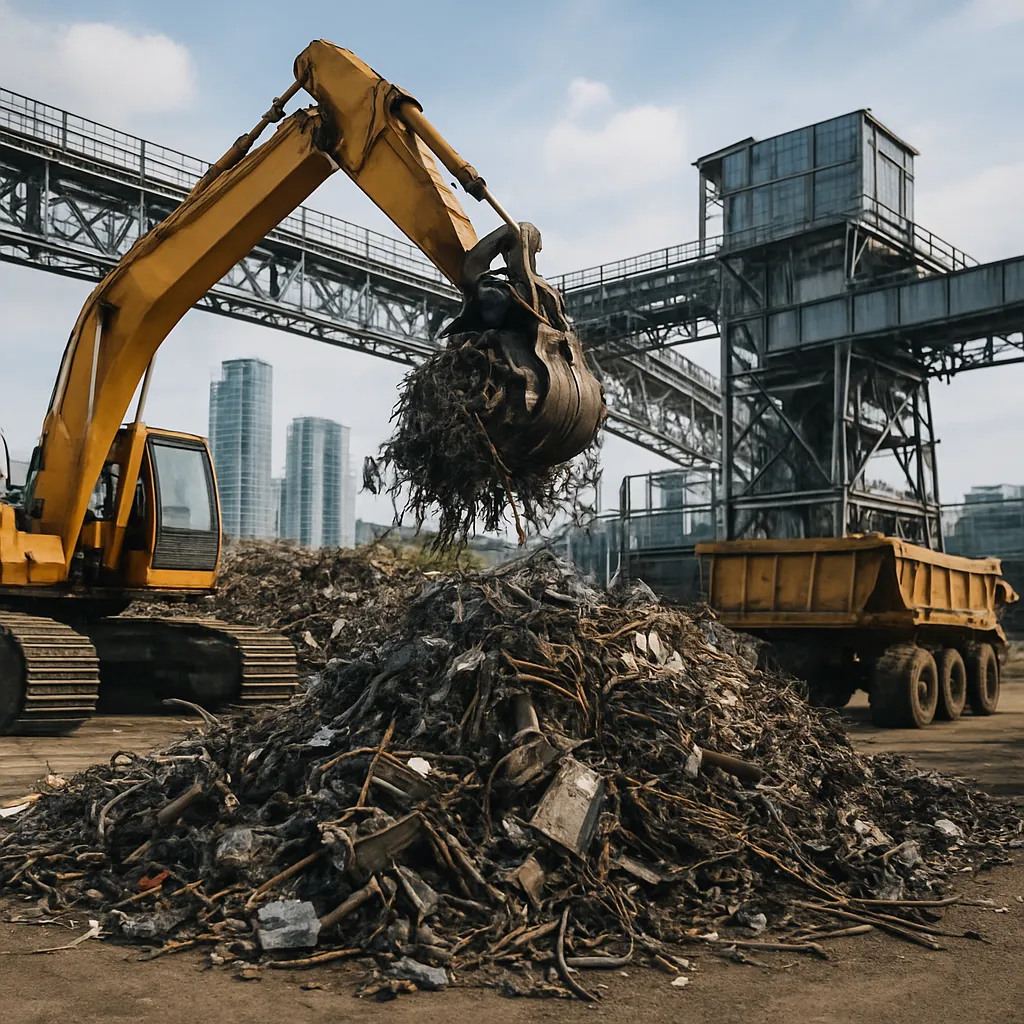
- Investment in recycling technologies to recover critical minerals from electronic waste.
- Collaboration on innovation – developing substitute materials or refining processes that reduce reliance on scarce elements.
- Forming strategic reserves or joint stockpiling among allied nations.
Emerging Opportunities in Recycling
Urban mining, the process of extracting metals from discarded electronics, has gained traction. Advanced hydrometallurgy and bioleaching techniques can retrieve high-purity nickel, copper, and rare earth elements, offering a domestic alternative to imported ores.
Policy and Industry Collaboration
Governments and corporations must align policies to foster an ecosystem where strategic security and environmental stewardship coexist. Key initiatives include:
- Subsidies for pilot projects in alternative extraction methods.
- Trade agreements that incorporate ESG standards to ensure ethical sourcing.
- Research grants focused on material science breakthroughs and substitution strategies.
Public-Private Partnerships
Collaboration between defense agencies, energy conglomerates, and academic institutions can accelerate the development of resilient supply frameworks. Jointly funded laboratories and industry consortia facilitate knowledge sharing and rapid scaling of new technologies.
Conclusion of Emerging Trends
As global demand for rare metals escalates, the perils of single-source dependence become ever more pronounced. Proactive diversification, technological innovation, and robust policy measures are no longer optional—they are essential to safeguarding the integrity of critical supply chains. Companies and nations that embrace these approaches will secure both competitive advantage and long-term stability in an increasingly uncertain world.