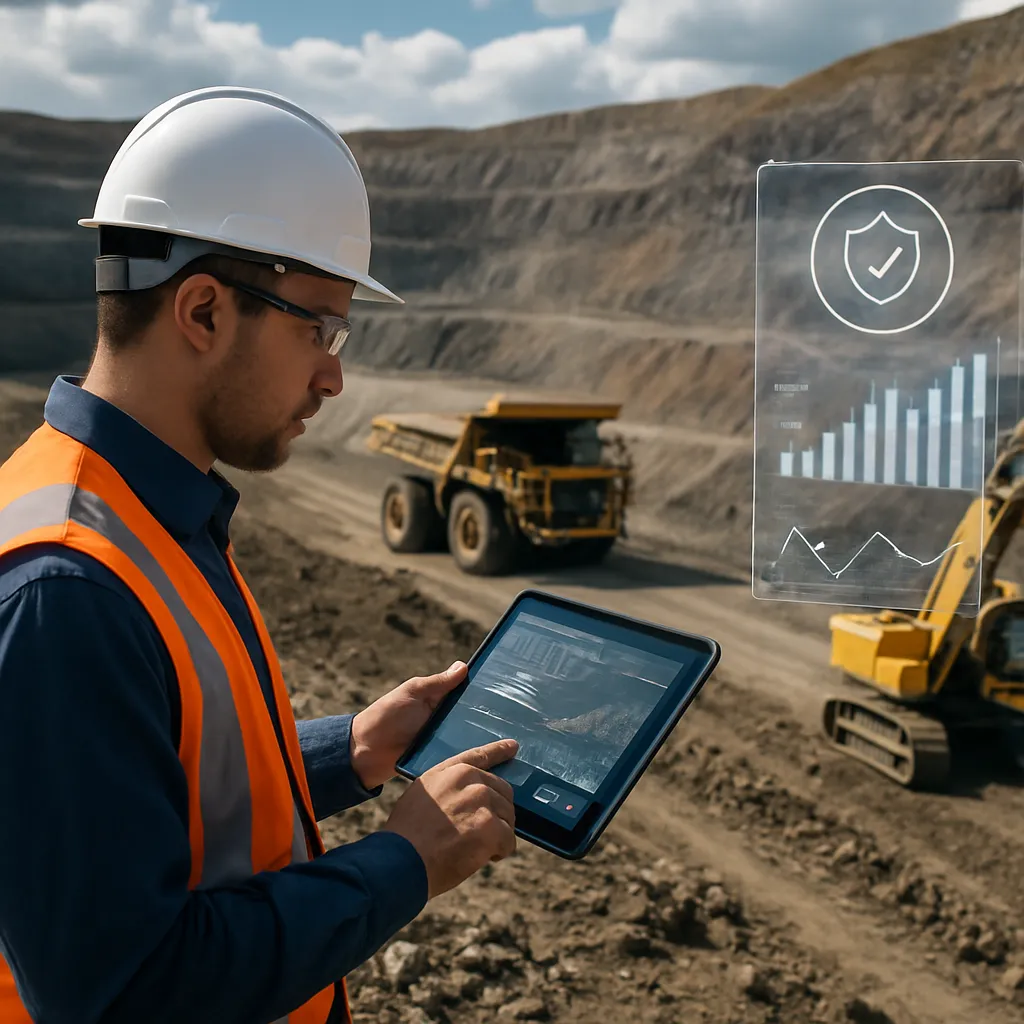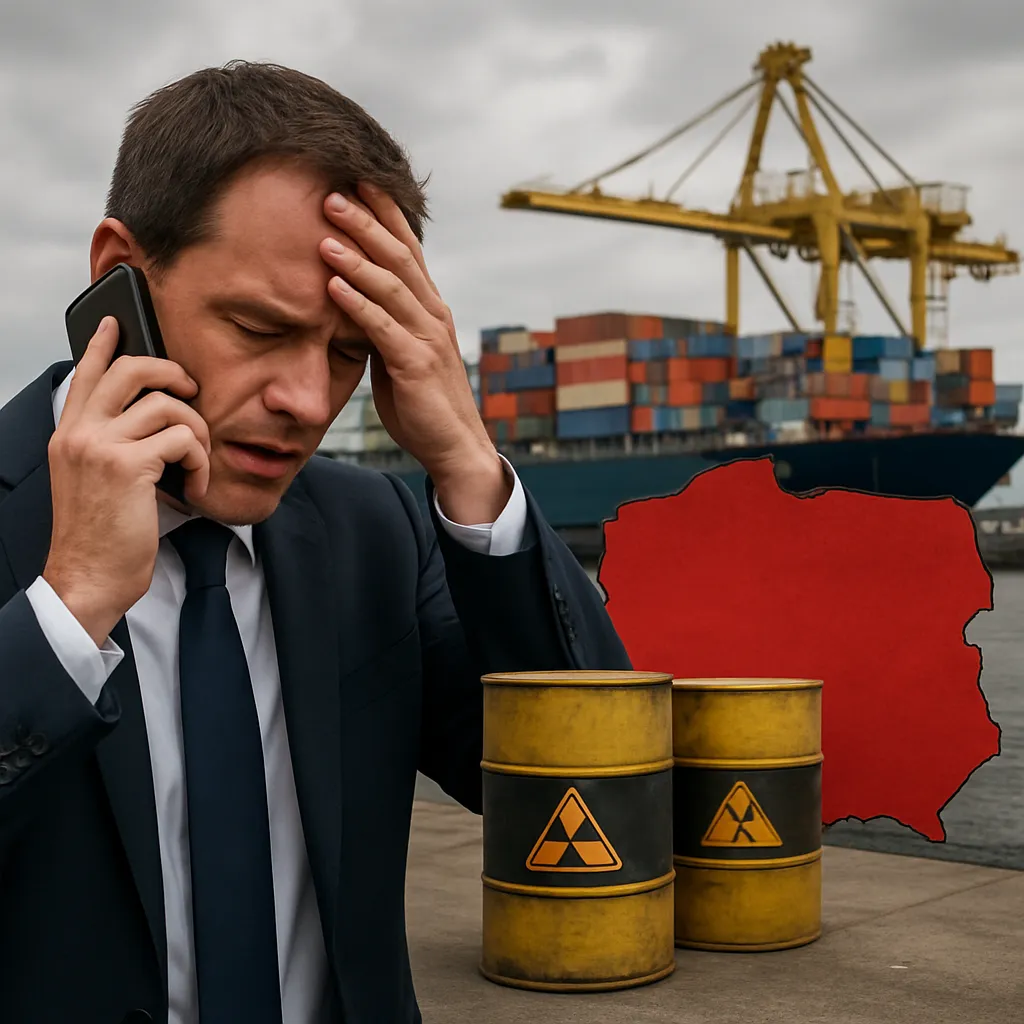
The intricate network of modern technology and green energy initiatives relies heavily on critical minerals, often referred to as rare metals. From electric vehicle batteries to advanced electronics, these elements play a pivotal role in global development. However, the extraction, processing, and distribution of these metals can be severely disrupted by geopolitics and local unrest. Understanding how political instability influences supply reliability is crucial for policymakers, industries, and end consumers alike.
Global Distribution of Rare Metals
Rare metals such as cobalt, lithium, and Rare Earth Elements are not uniformly distributed across the planet. Key producers include:
- Democratic Republic of Congo – Supplies over 70% of the world’s cobalt, vital for battery production.
- China – Dominates processing of rare earths and exports a significant share of neodymium and dysprosium.
- Australia – A major source of lithium and nickel, essential for expanding battery demand.
- Chile and Argentina – Lithium-rich “Lithium Triangle” in South America supplying growing electric vehicle markets.
In each location, the extraction and refinement stages involve multiple stakeholders: local governments, multinational corporations, artisanal miners, and international investors. The balance among these players often shifts in response to political changes, regulatory rewrites, or social unrest.
Impact of Political Instability
Political upheaval can manifest in many ways: armed conflict, sudden regulatory overhaul, or leadership changes that challenge established mining contracts. The following subsections highlight primary mechanisms by which instability disrupts supply chains.
Resource Nationalism
Governments seeking to maximize domestic benefits from mining operations may impose higher royalties, forced partnerships with state-owned enterprises, or outright nationalization of assets. Such measures can erode foreign investor confidence and delay production expansions. For example, increased taxes on mineral exports in some African nations have prompted mining companies to suspend operations pending legal clarifications.
Armed Conflict and Social Unrest
Regions afflicted by armed groups or protests often force temporary mine closures or curfews that halt output. Supply irregularities emerge when roads become unsafe, transport convoys face ambushes, or ports are blockaded. Companies may respond by raising security budgets or relocating executives, both adding to project costs and delaying shipments.
Regulatory Shifts and Bureaucratic Hurdles
Rapid changes in environmental regulations or community consent requirements can stall mine permitting processes. A newly elected administration might demand fresh environmental impact assessments, effectively freezing operations until compliance is demonstrated. Such unpredictability undermines long-term planning and can strand capital in underutilized assets.
Supply Chain Vulnerabilities and Mitigation
Vulnerabilities along the rare metals journey can be categorized into five distinct phases: exploration, extraction, processing, transport, and end-use manufacturing. Political instability can generate bottlenecks at each link. To bolster resilience and ensure more consistent flows, stakeholders have adopted various strategies:
- Strategic Stockpiles: Governments and large corporations build reserve inventories to buffer against short-term disruptions.
- Diversification: Sourcing metals from multiple jurisdictions reduces dependency on any single high-risk region.
- Vertical Integration: Investing in both mining and processing facilities to maintain oversight across stages.
- Traceability Programs: Digital tracking systems verify origin and shipment paths, enhancing compliance and reducing fraud.
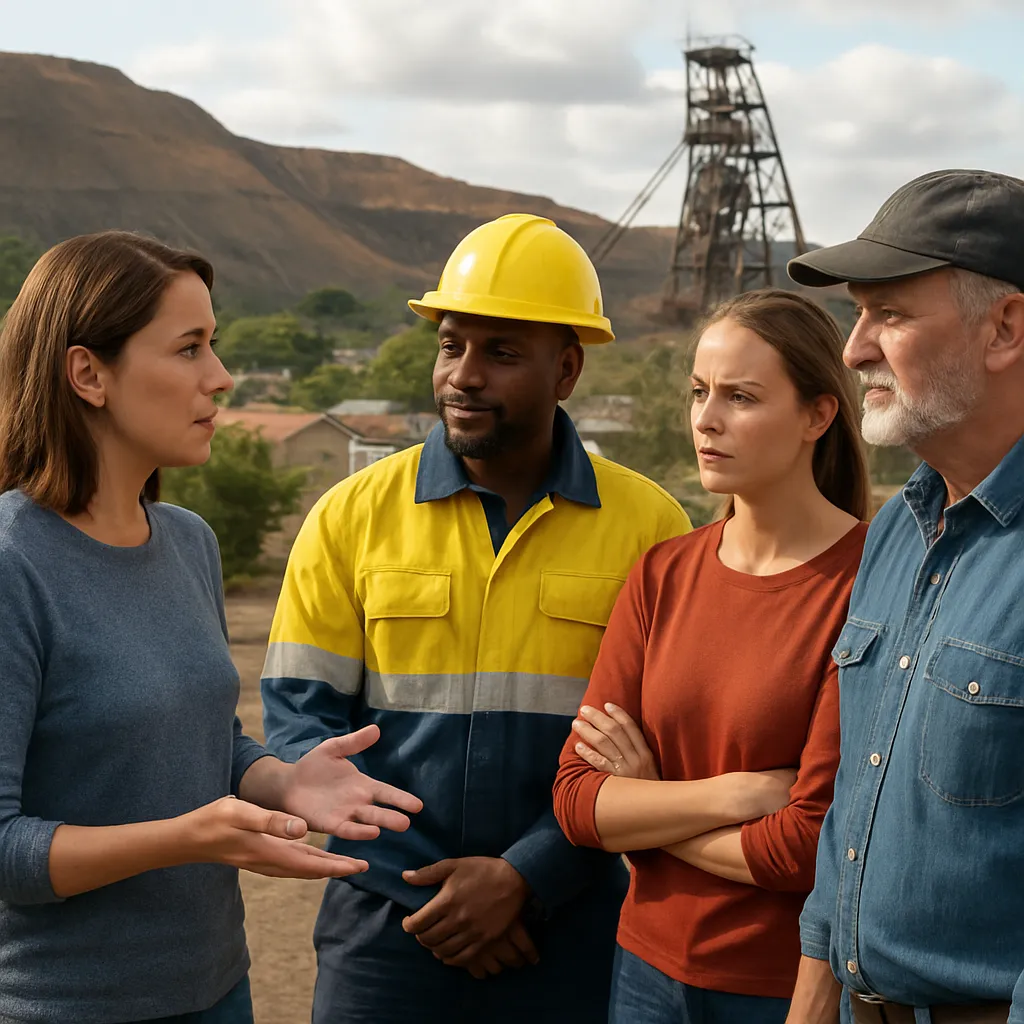
- Community Engagement: Proactive dialogue with local populations to mitigate social unrest and foster long-term cooperation.
These measures require substantial investment and coordination among private and public entities. While initial outlays can be large, the long-term payoff lies in more predictable material access and reduced price volatility.
Technological and Strategic Responses
Advancements in technology and shifting market strategies are reshaping how rare metals are sourced and utilized. The following trends illustrate evolving responses to instability risks:
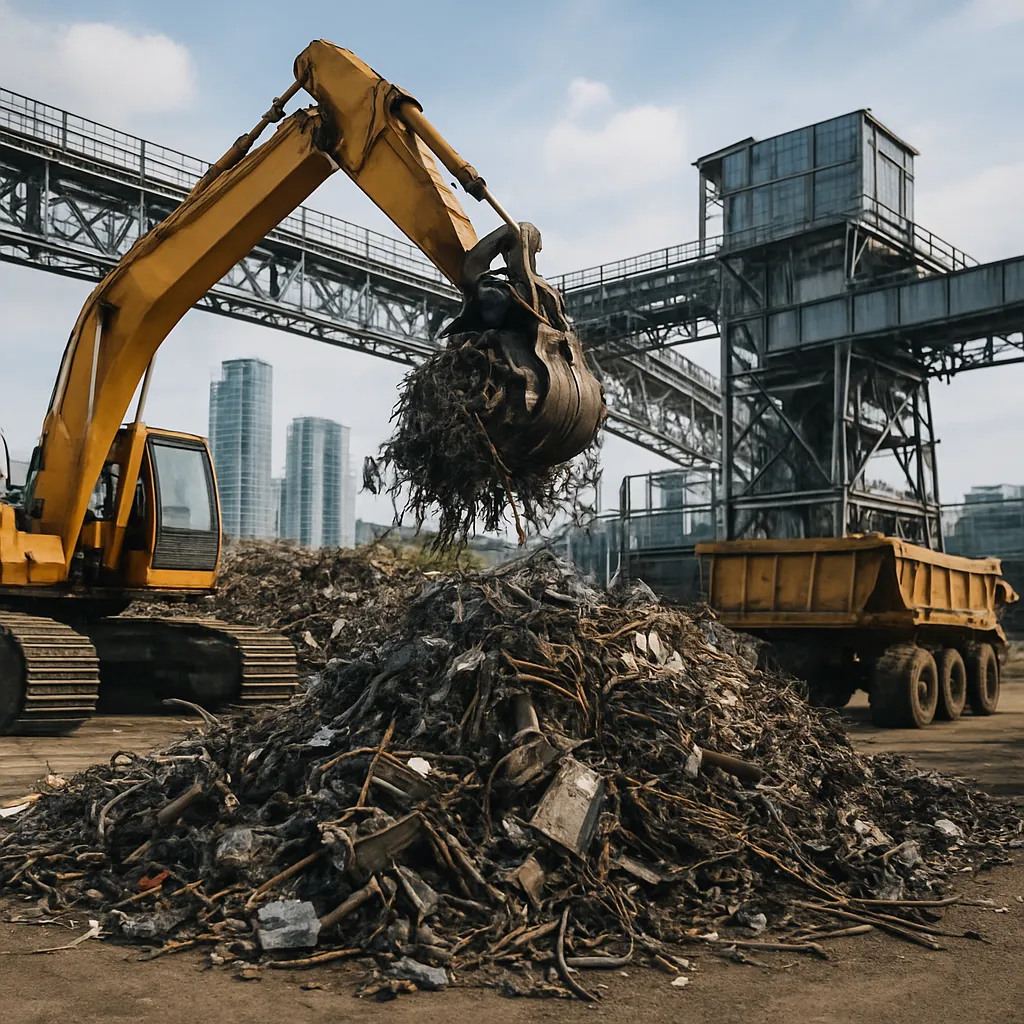
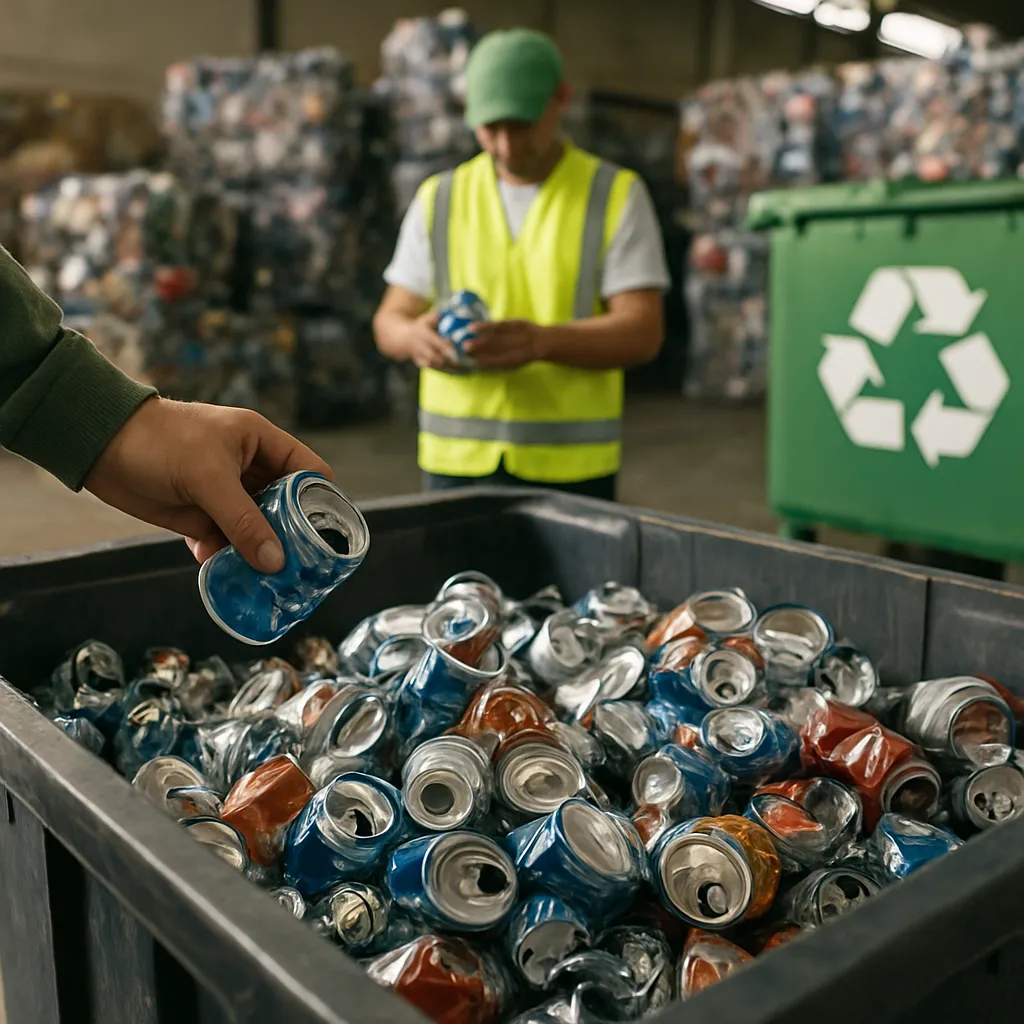
- Recycling and Urban Mining: Recovering metals from end-of-life electronics and batteries lessens dependence on primary extraction.
- Alternative Materials Research: Scientists are exploring substitutes for rare earth magnets and battery cathodes to reduce pressure on high-risk supply chains.
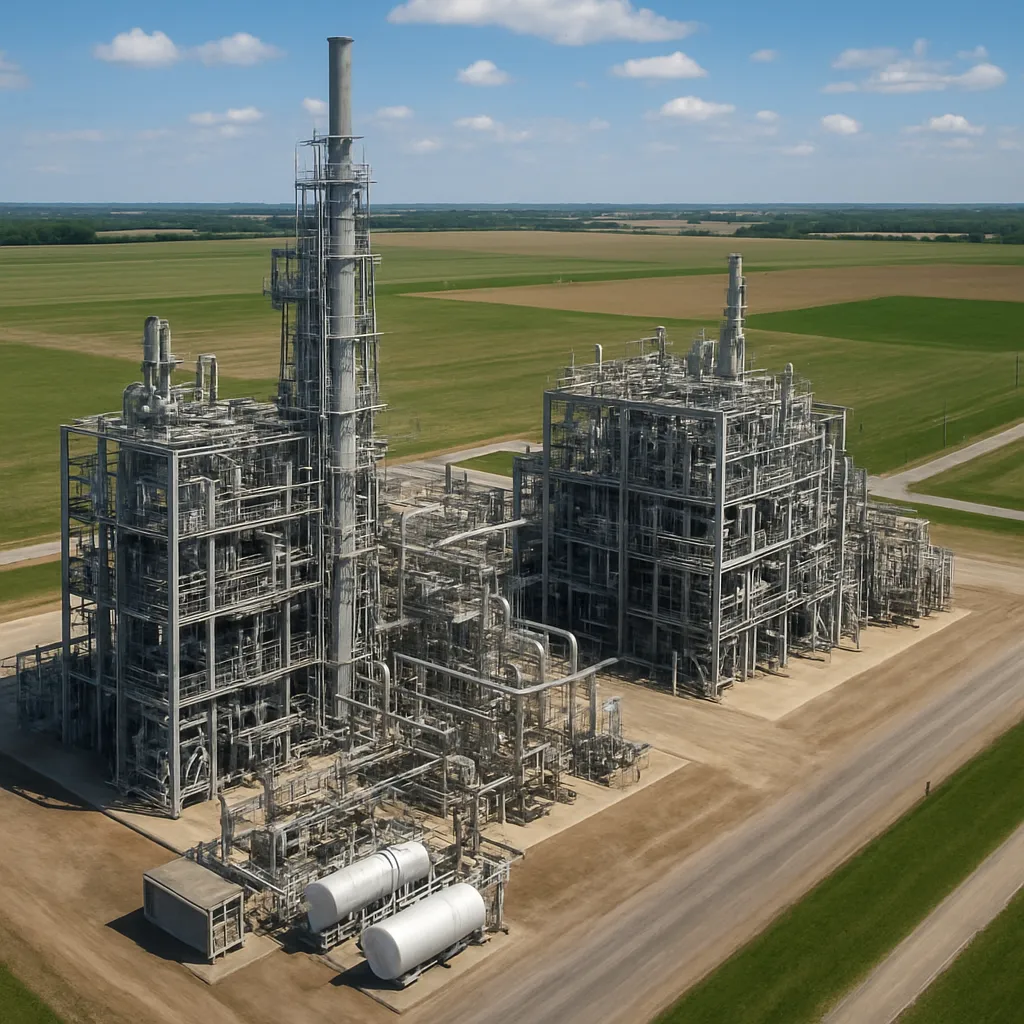
- Decentralized Processing Facilities: Establishing smaller, regional refineries reduces the need to transport raw ores across volatile borders.
- Long-Term Offtake Agreements: Manufacturers secure supply by locking in purchase contracts years in advance, often coupled with upfront financing for mine development.
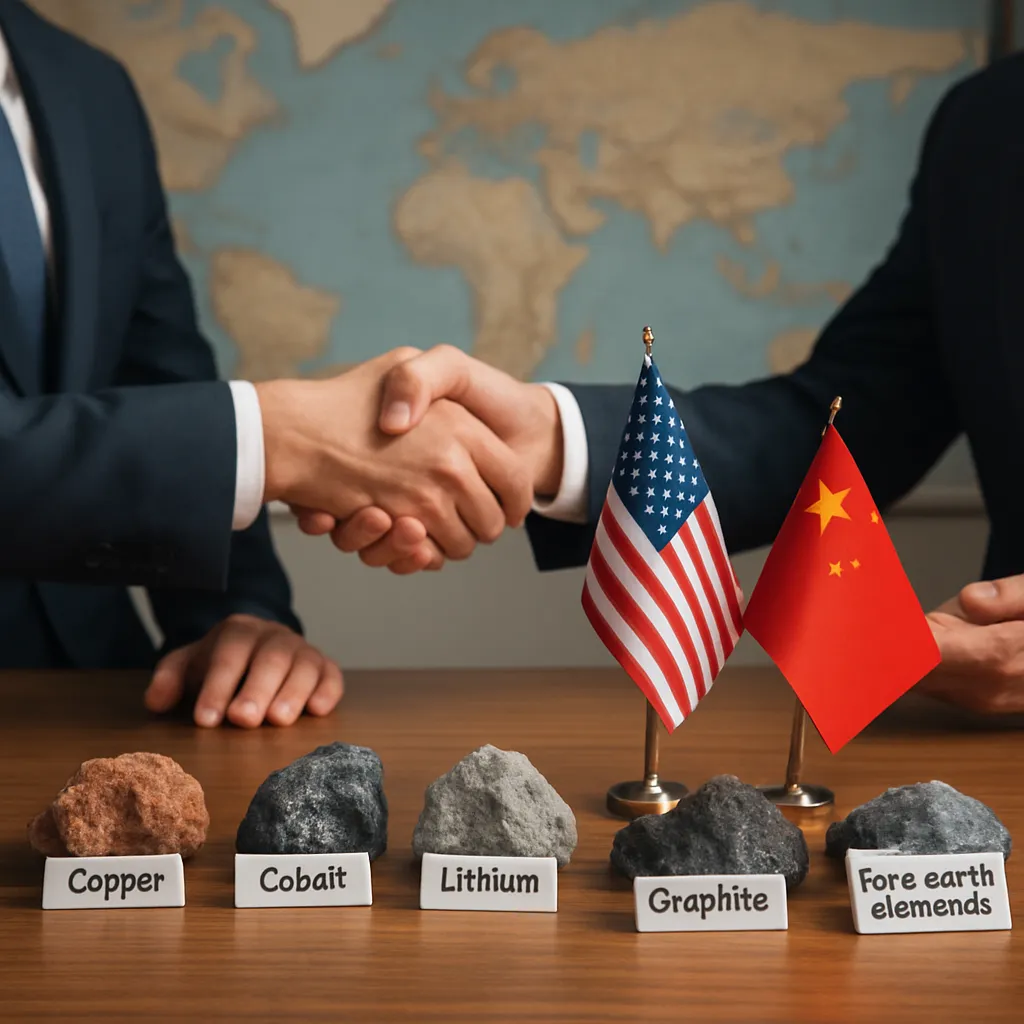
- International Cooperation: Multilateral accords aim to standardize reporting, promote stable investment climates, and share best practices for mineral governance.
These initiatives promote sustainability and help achieve broader energy transition goals by smoothing out supply fluctuations. Coordination among technology developers, miners, and regulators is critical to ensure they deliver desired outcomes.
Future Outlook Amid Global Challenges
As the demand for clean energy and electronic mobility accelerates, the stakes surrounding stability in rare metal supply chains will only intensify. Emerging risks include geopolitical rivalries, shifting trade alliances, and climate-induced disruptions such as floods or droughts in key mining areas. Navigating this complex landscape demands agile policies, flexible sourcing strategies, and robust partnerships across borders.
Ultimately, fostering a secure and transparent ecosystem for rare metals requires alignment between corporate interests, governmental oversight, and community welfare. By balancing short-term responses to political turbulence with long-term investments in innovation and alternative resources, stakeholders can build a more resilient foundation for the technologies that define our future.