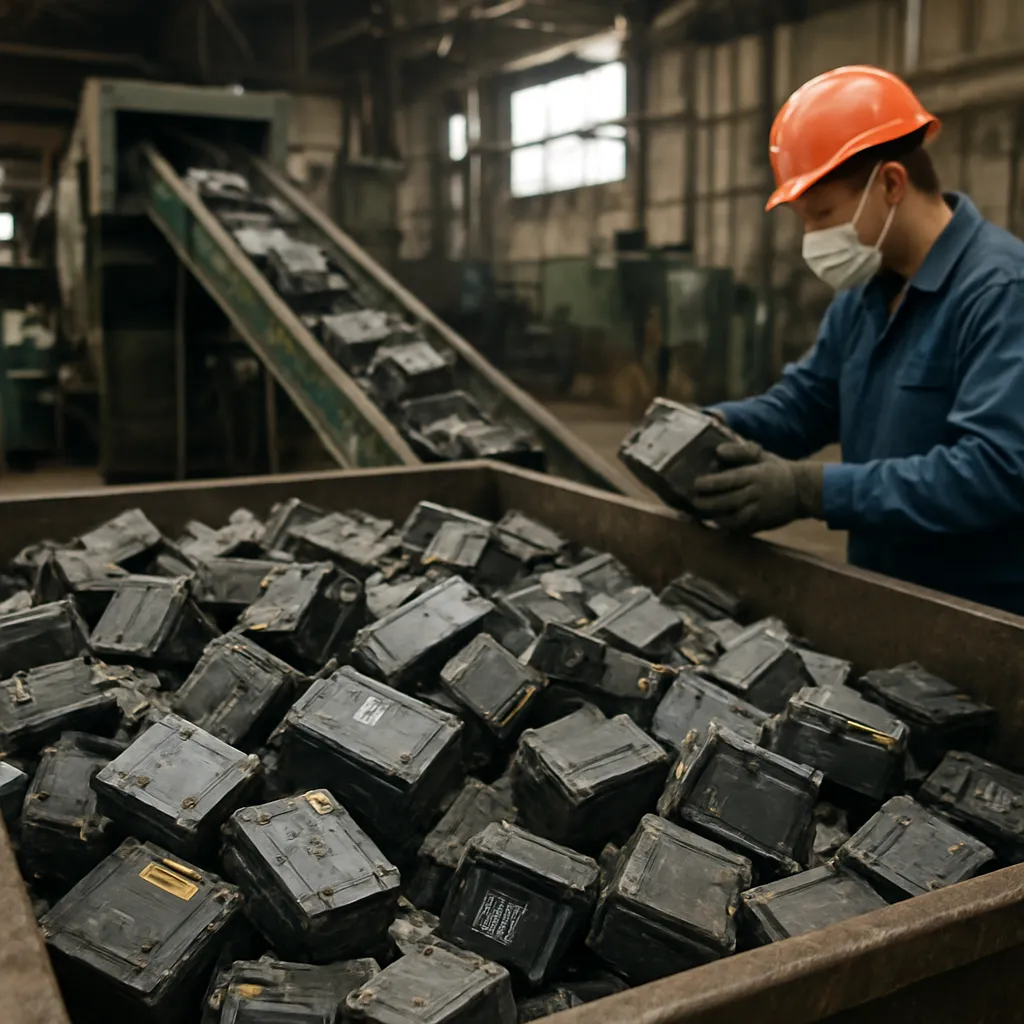
The global shift towards electrification and renewable energy has placed unprecedented pressure on the supply of critical minerals. As lithium-ion battery production soars, stakeholders are racing to establish robust recycling systems that support resource sustainability and reduce dependency on volatile supply chains. From innovative hydrometallurgical processes to strategic investments in state-of-the-art facilities, the recycling landscape is evolving rapidly. This article explores the key drivers behind the surge in lithium-ion battery recycling, its implications for the circular economy, and the geopolitical dynamics shaping the market.
Rising Demand for Critical Minerals
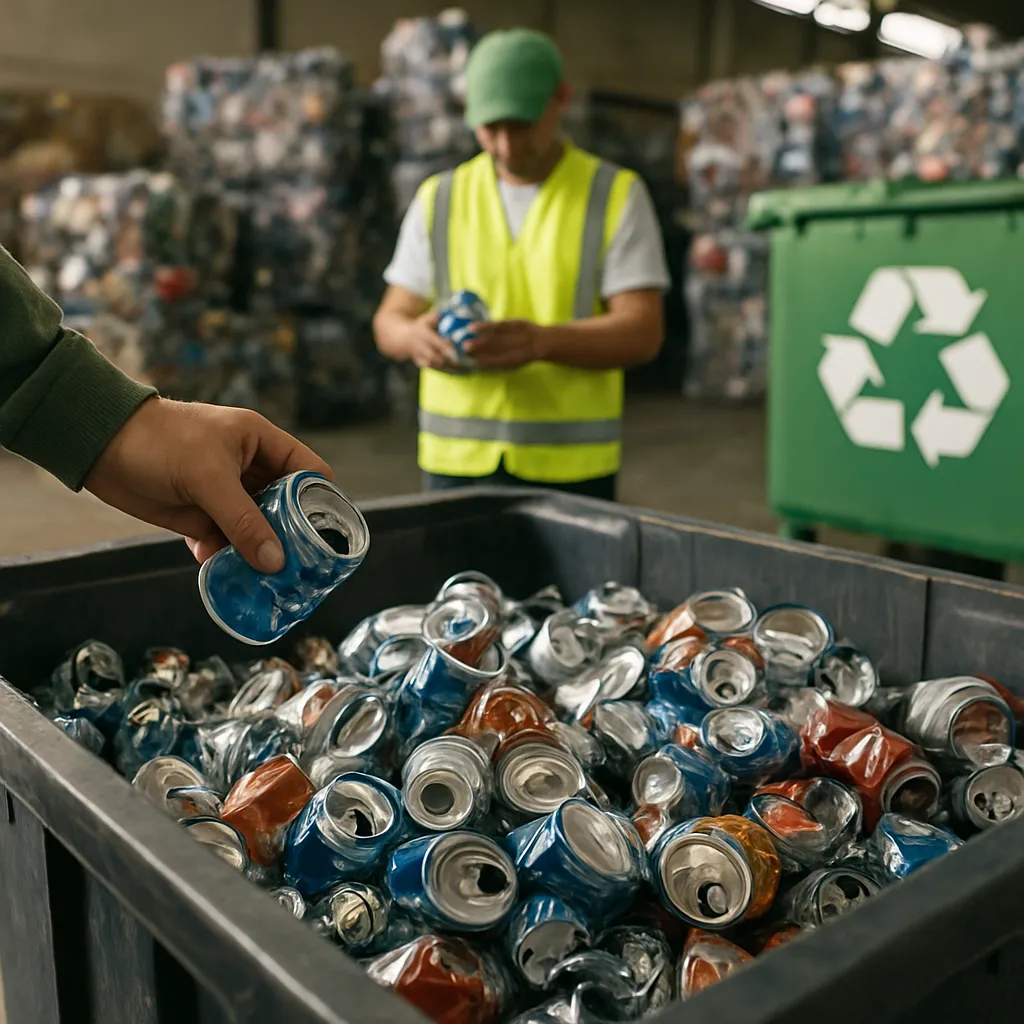
Electric vehicles (EVs), grid-scale energy storage, and portable electronics collectively underpin an ever-growing appetite for lithium, cobalt, nickel, and graphite. As easily accessible ore deposits dwindle, the mining sector faces escalating costs and environmental scrutiny. Recycling spent lithium-ion cells offers a viable pathway to reclaim high-value metals, alleviate raw material shortages, and mitigate the ecological footprint of traditional extraction.
- Resource Scarcity: Deeper mining operations and stricter environmental regulations have elevated production costs, making recycled metals both economically attractive and more sustainable.
- Price Volatility: Spot prices for lithium and nickel have experienced sharp swings, incentivizing end-users and manufacturers to lock in supply via recycled sources.
- Regulatory Pressure: Regions such as the European Union and California have introduced mandates requiring manufacturers to incorporate minimum percentages of recycled content in battery cathodes.
Implications for Rare Earth Elements
While lithium-ion batteries do not typically contain high concentrations of rare earth elements, the overarching trend towards recycling is influencing adjacent sectors. Permanent magnets in wind turbines and electric drive motors rely on neodymium and dysprosium, prompting the parallel development of recycling streams for these critical metals.
Technological Innovations Reshaping Recycling
Advances in processing techniques are transforming the economics and environmental footprint of battery recycling. From direct cathode-to-cathode regeneration to high-recovery hydrometallurgical systems, research labs and start-ups are unlocking new efficiencies.
- Direct Recycling: This emerging approach preserves the cathode’s crystal structure, reducing energy consumption and chemical waste compared to smelting.
- Pyrometallurgy: Traditional high-temperature smelting remains in use for complex battery chemistries, but ongoing improvements aim to capture a broader range of metals while lowering greenhouse gas emissions.
- Hydrometallurgy: Leaching processes using acidic or alkaline solutions can extract >95% of lithium, cobalt, and nickel, with research focusing on solvent recovery and reagent reuse to minimize environmental impact.
- Automated Sorting: Machine learning and robotics enable precise disassembly and classification of battery packs, optimizing feedstock quality and throughput for recyclers.
Scaling from Pilot to Industrial
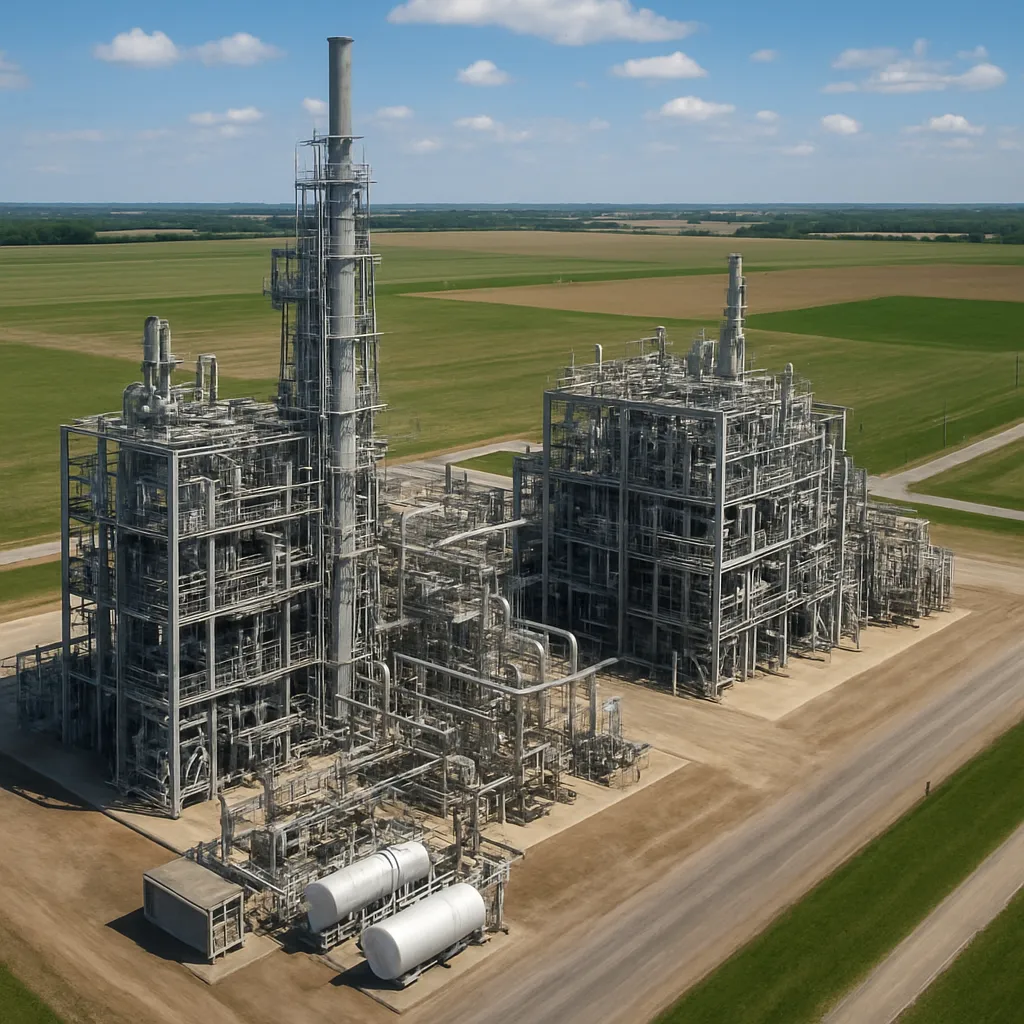
Converting laboratory breakthroughs into high-capacity recycling plants requires substantial investment and strategic partnerships. Public–private collaborations are emerging as key enablers, with governments offering grants and tax incentives to accelerate commercialization. Leading automotive OEMs are entering joint ventures with recycling specialists to secure end-of-life feedstock and guarantee closed-loop supply for next-generation batteries.
Geopolitical and Economic Dynamics
The global distribution of lithium-ion recycling capacity is uneven, reflective of broader supply chain dependencies. Asia, particularly China, currently dominates battery manufacturing and recycling infrastructure, while North America and Europe strive to build domestic capabilities.
- China’s Dominance: Leveraging economies of scale, Chinese firms process over 60% of spent batteries worldwide. State-backed investments have fostered integrated operations from shredding to metal refinement.
- US and Europe Catch-Up: In response to energy security concerns, both regions are enacting legislation to onshore recycling. The U.S. Department of Energy’s ReCell Center and the EU’s Circular Economy Action Plan exemplify coordinated efforts to reduce import reliance.
- Trade Tensions: Tariffs and export controls can disrupt cross-border material flows, prompting manufacturers to diversify supply sources and invest in localized recycling hubs.
Market Consolidation Trends
Mergers and acquisitions are accelerating as established miners, battery producers, and chemical processors vie for strategic positions. Consolidation enhances economies of scale, enabling large recyclers to invest in advanced technologies and negotiate long-term offtake agreements with automakers and electronics companies.
Environmental and Social Considerations
Effective lithium-ion recycling delivers substantial environmental benefits, including reduced greenhouse gas emissions, minimized water usage, and conservation of finite mineral reserves. However, social factors must also be addressed to ensure truly responsible sourcing.
- Carbon Footprint: While recycling emits far less CO₂ compared to mining and primary refining, operations must still optimize energy inputs, ideally sourcing renewable power to further shrink emissions.
- Water Management: Hydrometallurgical processes require significant water quantities; closed-loop water systems and zero-liquid discharge designs are critical to avoid local water stress.
- Labor Practices: Ethical recycling demands transparency in labor conditions, particularly in regions where informal battery dismantling can pose health risks and exploit vulnerable populations.
Community Engagement and Certification
Programs such as the Global Battery Alliance and the RMI Responsible Minerals Initiative provide frameworks for traceability and best practices. Certification schemes enable stakeholders to verify that recycled content originates from facilities adhering to environmental and social standards.
Building a Resilient Circular Economy
Integrating lithium-ion battery recycling into a broader circular economy requires collaboration across industries, governments, and research institutions. Effective strategies encompass policy incentives, technology partnerships, and robust innovation ecosystems.
- Extended Producer Responsibility: Mandating that manufacturers finance end-of-life management encourages design for disassembly and promotes a lifecycle perspective.
- Material Passports: Digital tracking systems ensure that each battery pack carries data on its composition, performance history, and recycling pathways, increasing sorting efficiency and recovery rates.
- Cross-Sector Synergies: Collaboration with electronics, aerospace, and renewables sectors facilitates the exchange of best practices and shared infrastructure, driving down costs through scale.
Investment Landscape
Venture capital and private equity funds are pouring capital into recycling start-ups, while traditional miners are expanding downstream operations to capture additional value. Public funding programs further de-risk projects and stimulate market entry, laying the groundwork for an integrated, resilient supply chain for clean energy technologies.