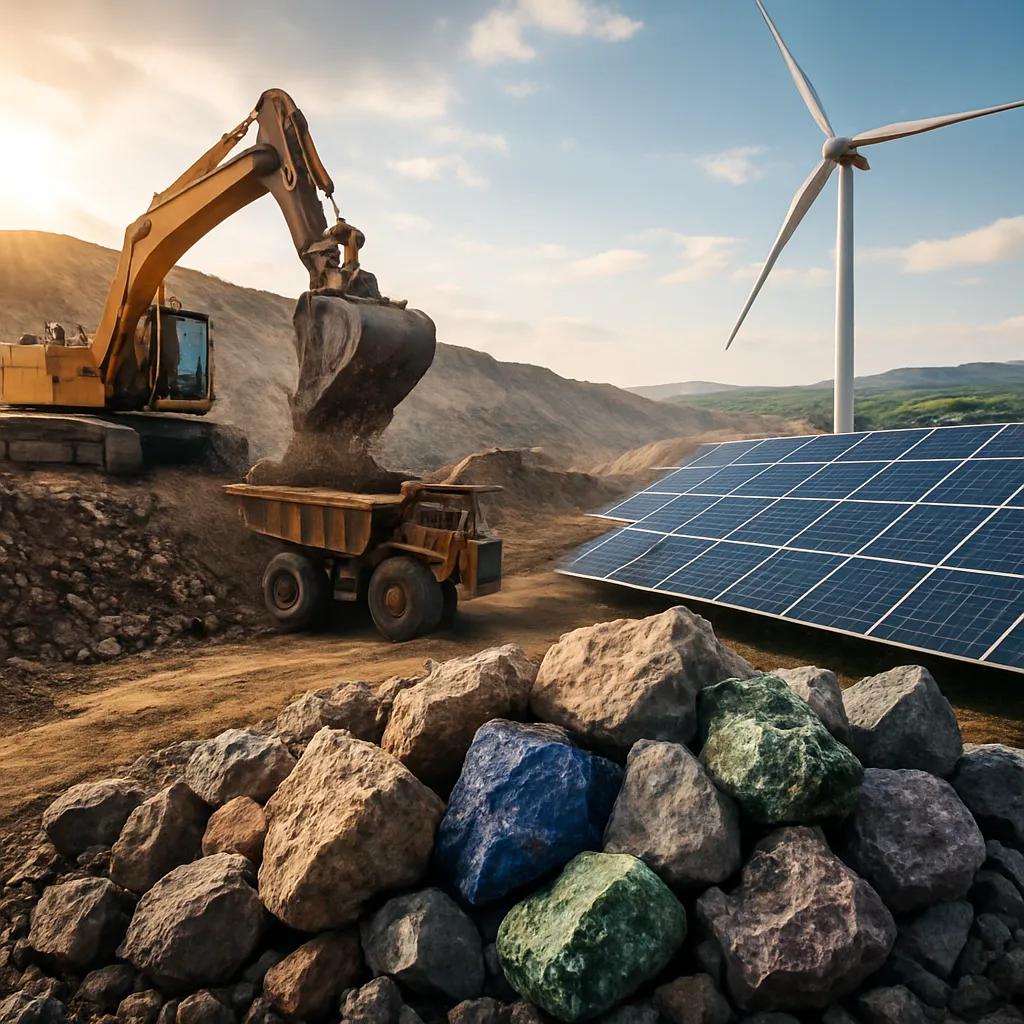
The race to secure critical minerals for cutting-edge clean technologies has intensified global competition. As nations strive for energy transition leadership, the availability and control of rare earth elements and other rare metals determine winners and losers in the emerging green economy. Beyond simple resource extraction, the challenge encompasses refined processing, resilient supply chains, and innovative recycling strategies that underpin the long-term prospects of renewable energy systems, battery technology, and advanced electronics.
Global Reserves and Production Dynamics
While numerous countries boast significant deposits of cobalt, lithium, nickel, and the 17 elements categorized as rare earths, a handful dominate production. China remains the preeminent producer, controlling more than 60 percent of refined rare earth output and a substantial share of the world’s lithium-ion battery processing capacity. Australia and the United States have ramped up exploration and mining efforts, yet they face challenges scaling refining plants and mitigating environmental impact.
Major Metal Contributors
- China: Leading processor of rare earths; largest supplier of heavy rare earths like dysprosium and terbium.
- Australia: Top exporter of lithium ore and a growing source of cobalt from nickel-cobalt mines.
- Democratic Republic of the Congo: Over half of global cobalt mining but fraught with social and ethical concerns.
- Chile and Argentina: Key lithium triangle players with enormous brine reserves under development.
Production forecasts predict a surge in demand: global lithium capacity must quadruple by 2030 to satisfy electric vehicle (EV) battery needs. Similarly, neodymium and praseodymium—vital for high-performance magnets in wind turbines and EV motors—are expected to see supply shortfalls without substantial investment in new mines and processing facilities.
Strategic Importance in Green Technology Supply Chains
The shift toward decarbonization hinges on robust, uninterrupted access to rare metals. Policymakers and corporations are forging alliances to secure critical supplies, often through long-term purchase agreements, joint ventures, and even equity stakes in foreign mines. Governments have introduced incentives such as tax credits, grants, and streamlined permitting to encourage domestic mineral refining and value-added manufacturing.
Electric Vehicles and Battery Materials
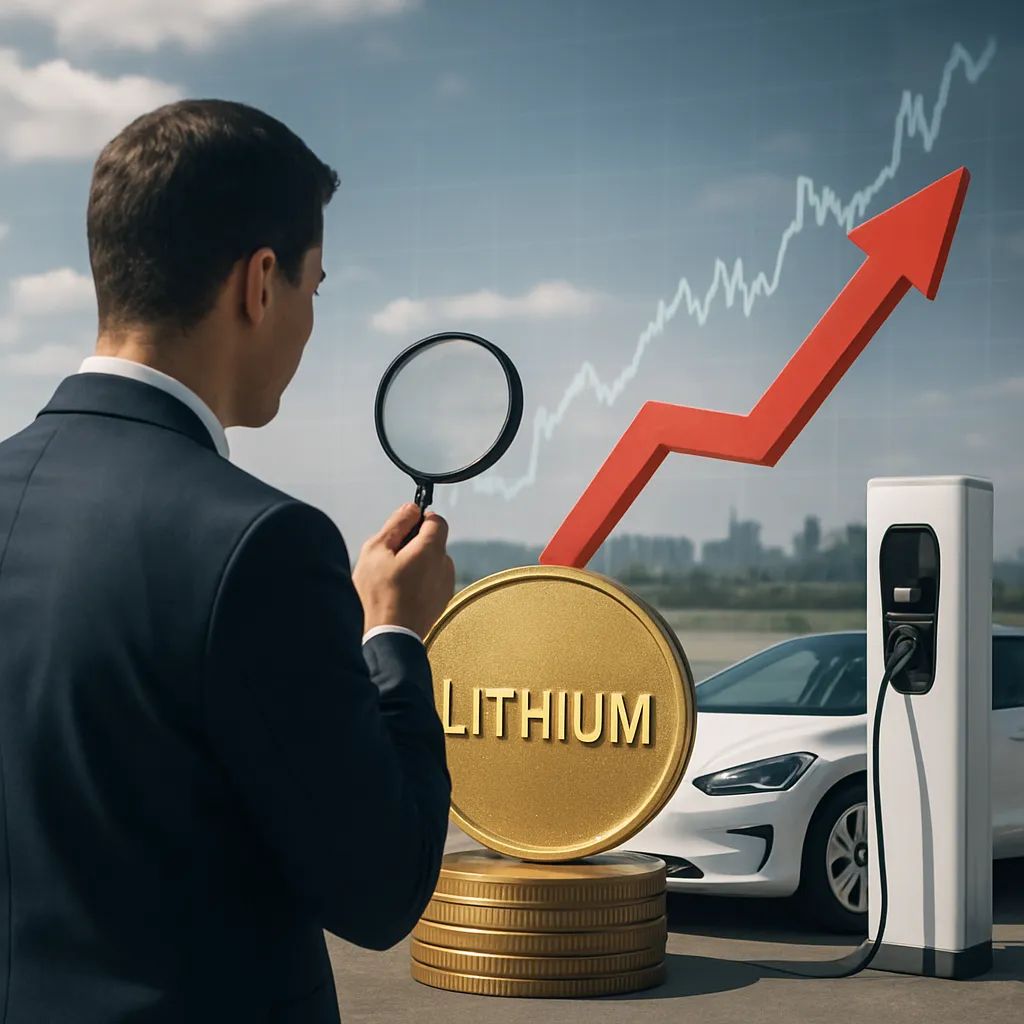
Electric vehicles represent a microcosm of the broader mineral squeeze. A single EV battery pack requires dozens of kilograms of lithium, several kilograms of cobalt and nickel, and small quantities of manganese. Automakers are racing to optimize chemistries—such as high-nickel cathodes that reduce cobalt content or iron-phosphate alternatives—to alleviate reliance on contentious minerals. However, the trade-off often involves performance metrics like energy density and battery lifespan, exposing a delicate balance between resource availability and technological advancement.
Wind Power and Magnetics
Permanent magnets in wind turbines demand rare earths like neodymium, praseodymium, and dysprosium to achieve high magnetic flux at elevated temperatures. China’s near-monopoly over heavy rare earth processing forces turbine manufacturers in Europe and the United States to explore bilateral deals or invest in recycling initiatives. Securing diversified feedstocks for magnet production has become a key strategic objective to avoid bottlenecks that could stall offshore and onshore wind deployment.
Geopolitics and Market Competition
Competition over critical minerals spans well beyond mining rights. It incorporates geopolitics, trade policy, and national security considerations. The United States has added rare earth processing to its list of controlled technologies, imposing export restrictions on advanced separation equipment. In response, China has hinted at its willingness to leverage its mineral dominance in diplomatic disputes.
- Trade Embargo Threats: Potential Chinese export curbs on heavy rare earths during heightened tensions.
- Strategic Alliances: Australia, Japan, and India forging pacts to develop alternative supply corridors.
- Foreign Direct Investment: Western firms acquiring African lithium or cobalt projects to diversify supply.
Russia, too, as a significant nickel and platinum-group metals producer, has used its mining sector as a bargaining chip in international negotiations. High-value metals like palladium and platinum are crucial for hydrogen fuel cells and catalytic converters, elevating Russia’s bargaining power amid shifting energy landscapes. Meanwhile, emerging players—such as Vietnam in rare earths and Mexico in lithium—are vying for their place on the critical minerals stage.
Innovations in Recycling and Sustainability
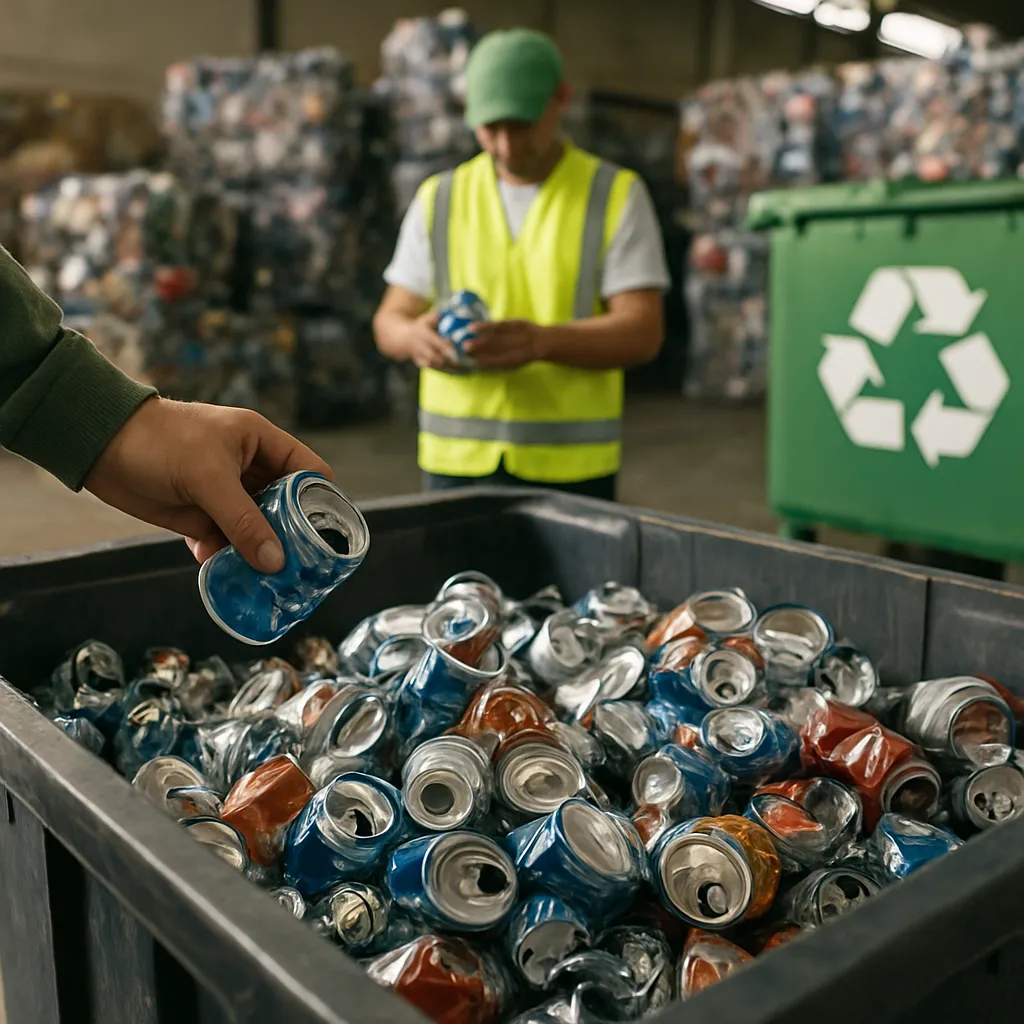
Given the environmental toll of mining operations, closed-loop recovery of rare earth elements and battery metals has gained traction. Advanced recycling technologies can extract up to 90 percent of valuable materials from end-of-life products, reducing waste and lowering carbon footprints. Efforts focus on both pyrometallurgical and hydrometallurgical processes, each with strengths in processing efficiency or reduced chemical use.
Urban Mining Opportunities
Landfills and electronic waste (e-waste) sites have become unconventional repositories of critical minerals. Urban mining initiatives in Europe and Japan deploy specialized extraction units at disposal facilities, targeting materials like cobalt, nickel, and rare earth magnets from shredded electronics and batteries. These projects aim to create resilient, local supply sources that can buffer against global market volatility.
Circular Economy Models
- Product Design: Manufacturers designing devices for easier disassembly and material recovery.
- Reverse Logistics: Incentive programs that encourage consumers to return old batteries and electronics.
- Second-Life Applications: Repurposing used EV batteries for stationary energy storage to extend service life.
Adopting circular principles not only alleviates supply chain pressures but also aligns with corporate sustainability goals and stricter environmental regulations. As green technology adoption accelerates, the synergy between primary extraction and secondary recovery will determine whether clean energy ambitions remain on track.