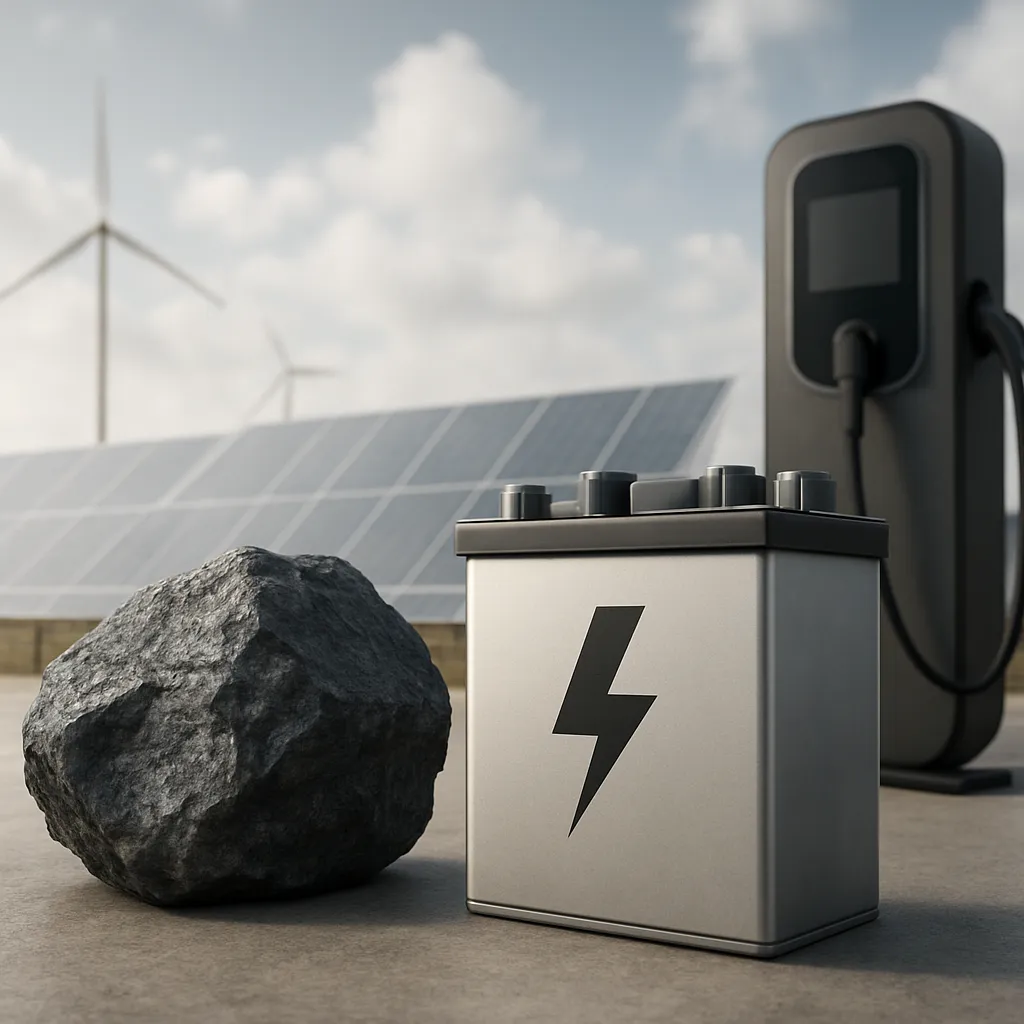
The emergence of graphite as a cornerstone in the global arena of rare metals marks a pivotal shift in how nations perceive resource security and energy storage systems. Once a humble component in pencil leads, graphite now occupies center stage in lithium-ion batteries powering everything from consumer electronics to grid-scale reserves. As geopolitical alliances realign and industrial strategies evolve, understanding the multifaceted role of graphite in modern technology has become a matter of strategic importance.
Geopolitical Dynamics and Supply Challenges
Graphite deposits are unevenly distributed around the world, with significant reserves located in China, Mozambique, Madagascar, and Canada. This concentration generates potential vulnerabilities in the supply chain for critical industries. National governments have begun implementing export controls and forging strategic partnerships to secure stable access to this indispensable mineral.
Countries rich in graphite resources are leveraging their assets to attract foreign investment and technology transfer. For instance, emerging producers in Africa are collaborating with Asian and European stakeholders to develop processing facilities. These alliances aim to minimize dependence on a single dominant supplier and diversify the sources of both natural and synthetic graphite.
The complex web of trade restrictions, tariffs, and environmental regulations further complicates global distribution. Policymakers are under pressure to balance domestic environmental concerns with the imperative of maintaining a competitive edge in renewable energy and electric mobility. As a result, some industrialized nations are revisiting their mining policies to facilitate domestic extraction and reduce import reliance.
- Control over mining licenses and processing permits
- Incentives for domestic refining infrastructure
- Joint ventures to share technological expertise
- Strategic stockpiling and buffer reserves
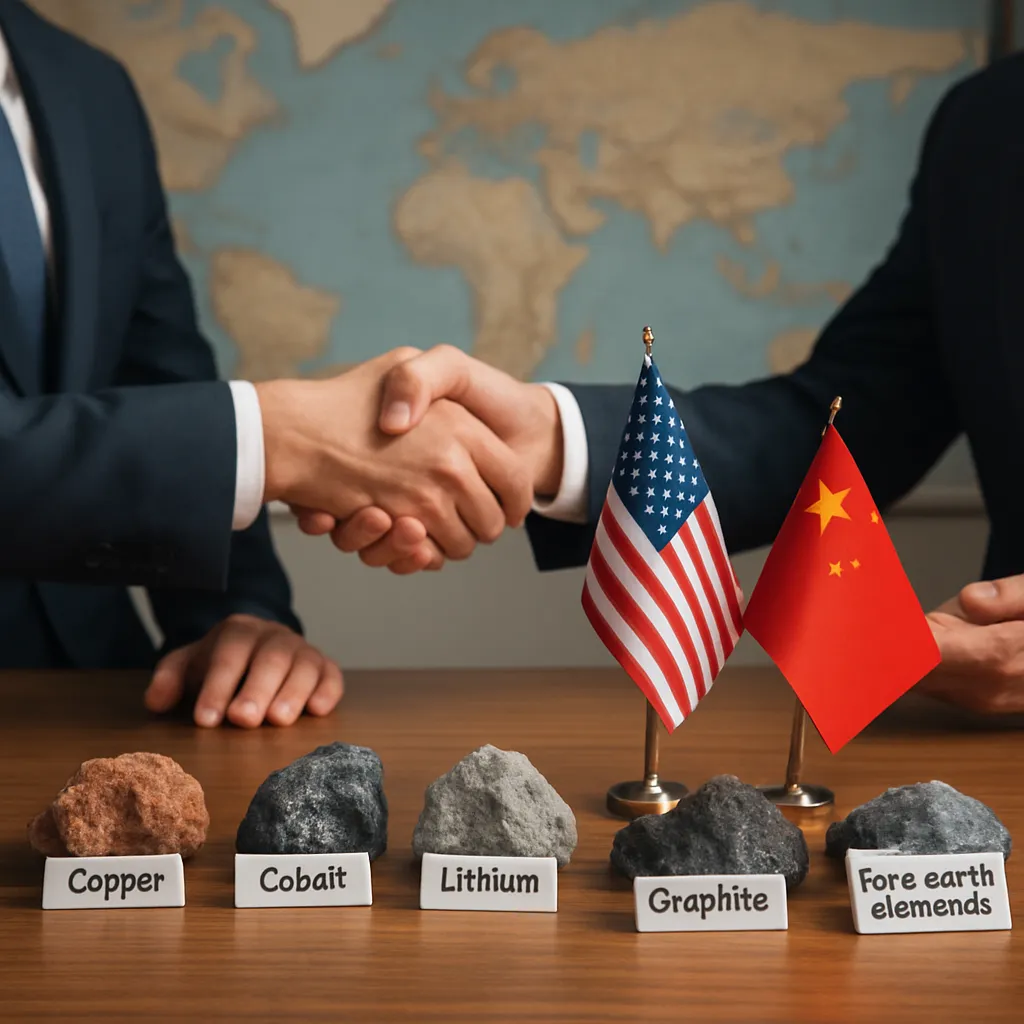
International cooperation frameworks, such as critical minerals alliances and energy security partnerships, are emerging to address these challenges. By pooling resources and coordinating research efforts, participating countries seek to optimize mineral processing technologies and standardize best practices in environmental stewardship.
Technological Advances in Graphite-based Anodes
The role of graphite in battery technology extends beyond its status as a primary anode material. Continued innovation in material science and cell architecture is enhancing the performance metrics of lithium-ion cells. Engineers are exploring surface coatings, nano-structuring, and hybrid composites to push the limits of charge density and cycle life.
Recent breakthroughs include modifications to the graphite lattice that improve intercalation kinetics and minimize capacity fade. One promising approach involves doping the carbon matrix with silicon nanoparticles, resulting in a composite that delivers higher energy density while maintaining structural integrity. Such hybrid anodes promise to strike an optimal balance between power output and longevity.
Parallel research efforts are investigating synthetic graphite variants derived from petroleum coke and other carbon-rich feedstocks. These materials offer tight control over particle morphology and purity, reducing the risk of contaminants that can degrade battery performance. Synthetic routes also enable scalability and supply flexibility, addressing some of the constraints posed by natural graphite sources.
Emerging Cell Formats
Innovations in cell design, including solid-state configurations and three-dimensional electrode architectures, further amplify the strategic value of high-quality graphite. By adopting novel separator materials and electrolyte formulations, manufacturers aim to enhance safety and thermal stability. Graphite’s intrinsic conductivity and mechanical resilience make it ideally suited for these next-generation platforms.
- Solid electrolytes paired with graphite anodes
- 3D-printed electrode structures with hierarchical porosity
- Advanced binder systems for improved cycle stability
Such advances underscore the critical role of graphite in supporting rapid charging capabilities and extended cycle life. As electric vehicle adoption accelerates worldwide, the quest for ever-more efficient anode materials places graphite at the forefront of battery research and development.
Environmental and Economic Implications
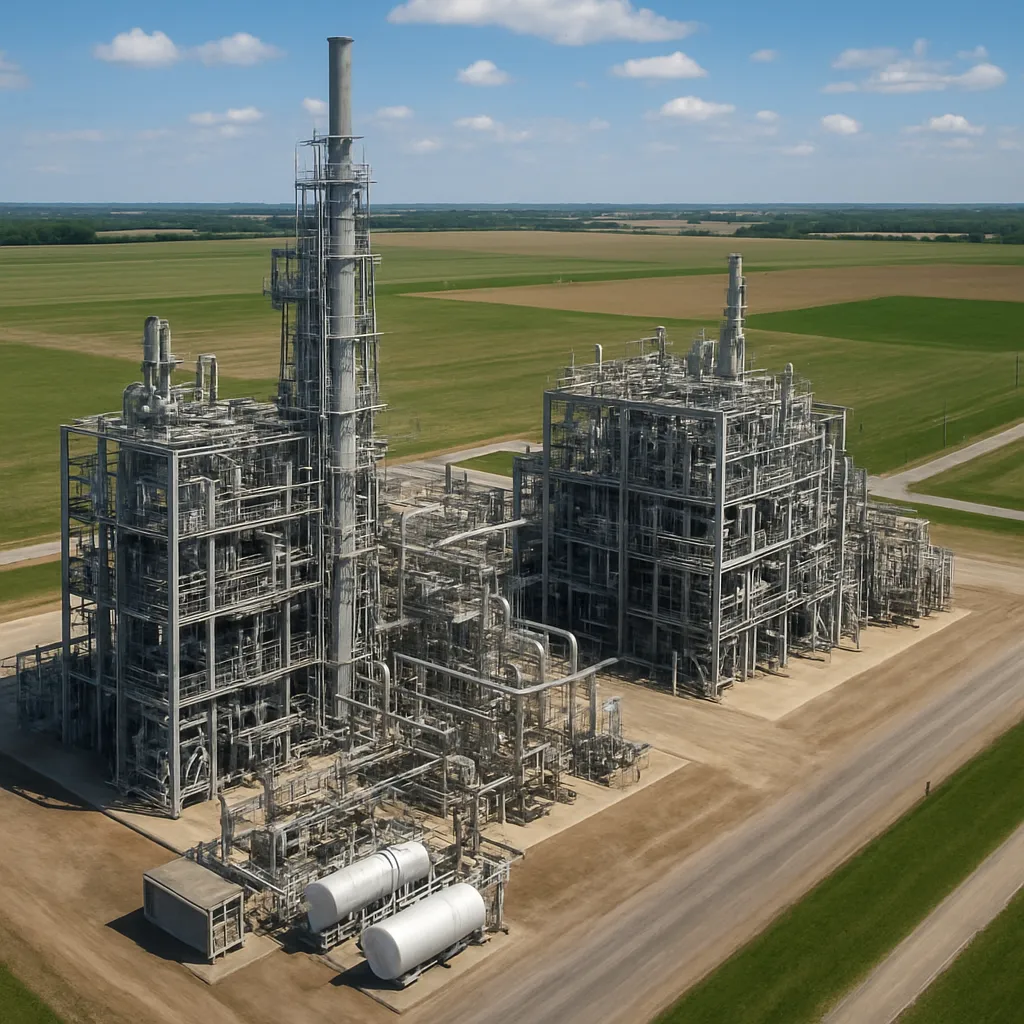
The expansion of graphite extraction and processing carries significant environmental considerations. Responsible mining practices must address water usage, habitat disruption, and carbon emissions. Several producers are investing in closed-loop water systems, progressive rehabilitation of mining sites, and carbon-neutral energy solutions to mitigate ecological impacts.
Life-cycle assessments reveal that the environmental footprint of synthetic graphite can rival or even exceed that of its natural counterpart, depending on energy sources and manufacturing methods. To achieve true sustainability, stakeholders are exploring renewable energy integration within processing plants and low-impact purification techniques that reduce greenhouse gas output.
Economic models for graphite supply are evolving to incorporate externalities such as carbon pricing and biodiversity offsets. Companies are increasingly transparent about their environmental compliance, leveraging third-party certifications to reassure consumers and institutional investors about the sustainability credentials of their products.
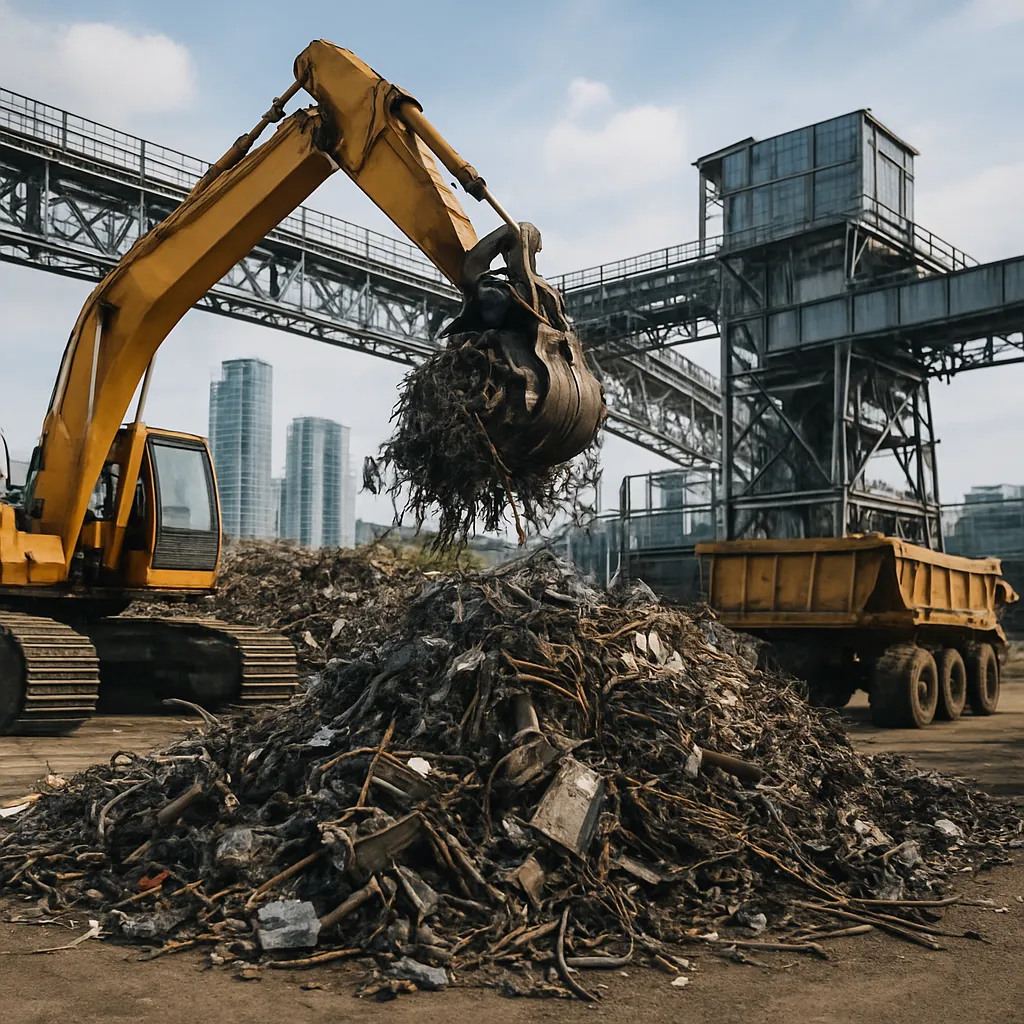
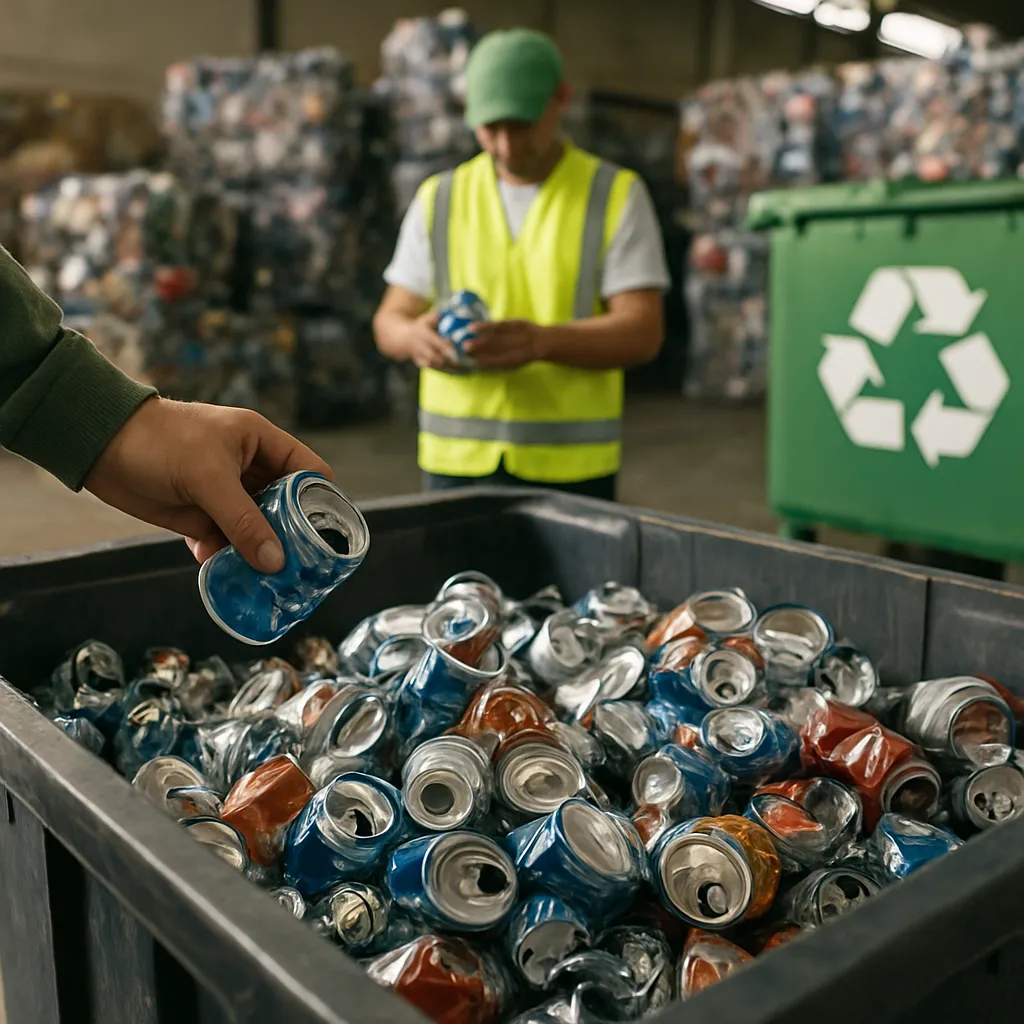
At the same time, the downstream benefits of advanced battery systems—such as grid stabilization, renewable energy storage, and electrified transportation—offer compelling arguments for scaling up graphite production. By coupling environmental safeguards with robust recycling infrastructures, the industry can create a circular economy for anode materials, reclaiming graphite from spent cells and reducing primary demand.
Future Directions and Strategic Partnerships
Looking ahead, the strategic significance of graphite will hinge on collaborative innovation and resilient supply chains. Governments and corporations are forging alliances across continents to secure resource access, share technological breakthroughs, and standardize regulatory frameworks. These partnerships span public–private consortia, academic collaborations, and bilateral trade agreements.
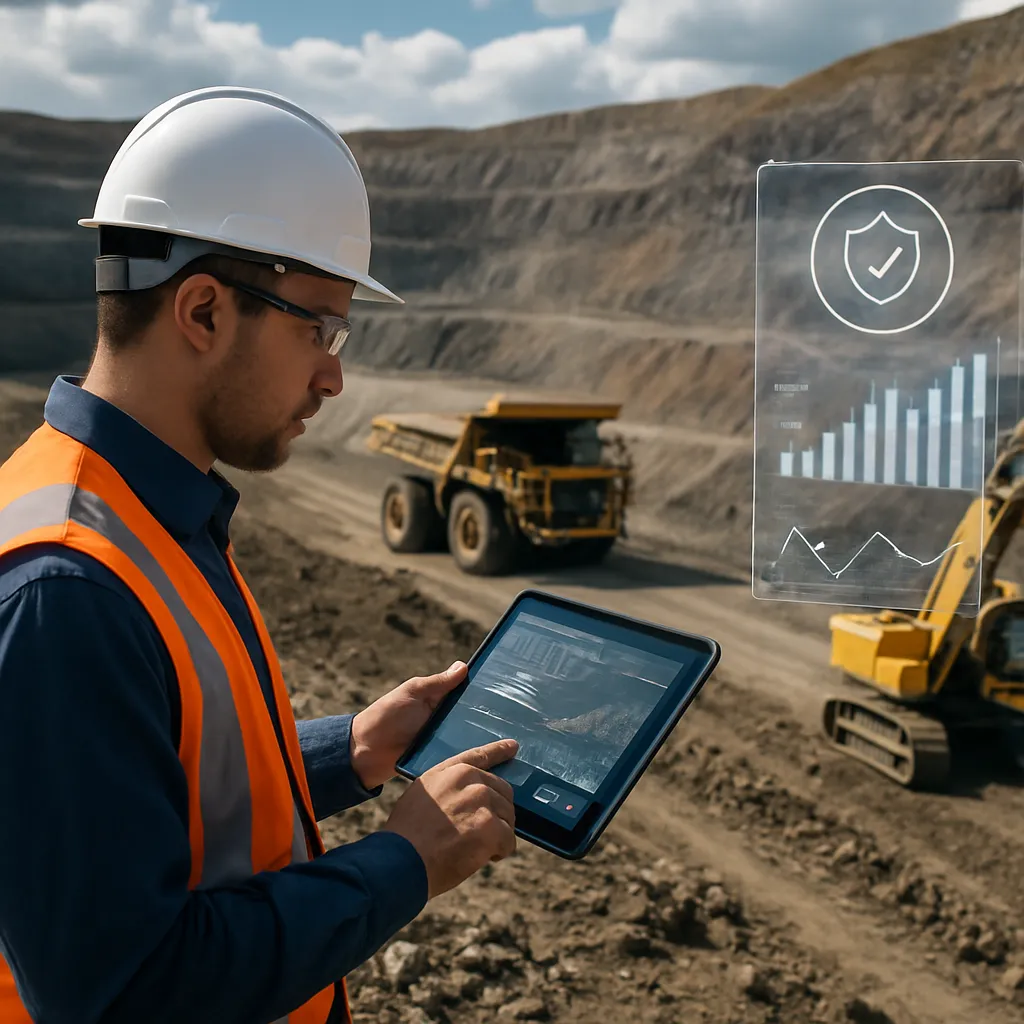
Investment in research hubs, pilot production lines, and demonstration projects is ramping up. Cross-disciplinary teams of geologists, chemists, and engineers are working to unlock new deposit types, optimize extraction techniques, and refine high-purity graphite grades tailored for specialized applications. The integration of digitalization—via advanced data analytics and blockchain-based traceability—enhances transparency and risk management throughout the value chain.
Moreover, the interplay between graphite and other critical minerals such as cobalt, nickel, and manganese is driving holistic strategies for battery material portfolios. By co-developing extraction sites and processing facilities, industry players can achieve economies of scale and reduce overall capital expenditures.
In this dynamic landscape, the role of policy frameworks cannot be overstated. Incentives for domestic manufacturing, support for greenfield projects, and clear guidelines on environmental performance will shape the competitive contours of the graphite sector. National and regional initiatives aimed at bolstering electric vehicles and grid-scale storage capacity will further cement graphite’s status as an irreplaceable resource in the global energy transition.