The intricate dance of resource-rich nations and consumer economies is redefining the way states forge alliances around rare metals. Access to strategic minerals has become a key lever in modern diplomacy, as governments and corporations navigate complex supply chains to secure critical inputs for technologies that power the twenty-first century. From the cobalt mines of the Congo to the lithium brine fields of South America, the geopolitical stakes are escalating. This article examines how mineral negotiations drive new forms of cooperation, reshape existing trade pacts, and influence global power balances in the realm of critical minerals.
Strategic Landscape of Mineral Diplomacy
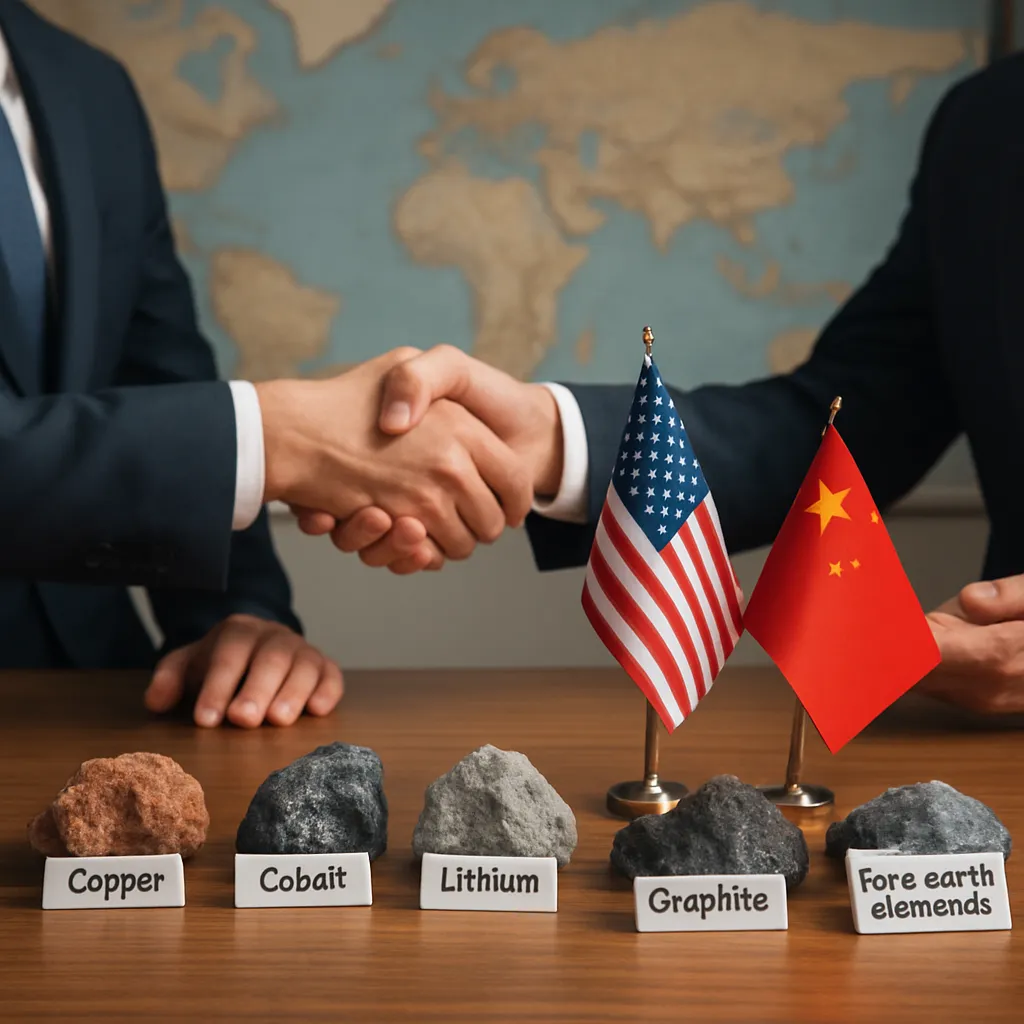
Over the past decade, the push for cleaner energy and advanced electronics has elevated certain commodities—cobalt, lithium, rare earth elements—to the forefront of international relations. As demand surges, states are no longer passive observers; they actively deploy investment incentives, tailor-made export policies, and high-level exchanges to secure direct access or stable long-term supply contracts. These moves reflect a broader ambition: turning raw commodity access into a pillar of national security.
Geopolitical Context
- China’s Dominance: By controlling processing capacity, China exerts outsized influence over global markets and pricing structures for rare metals.
- Resource Nationalism: Countries like Indonesia and Chile impose export restrictions to capture more value locally, fueling new rounds of negotiation and strategic alliances.
- Allied Coordination: The United States, European Union, and Japan form coalitions to diversify sources, reduce reliance on a single supplier, and foster shared standards for extraction and refining.
Diplomatic Tools and Mechanisms
States employ a variety of instruments, including:
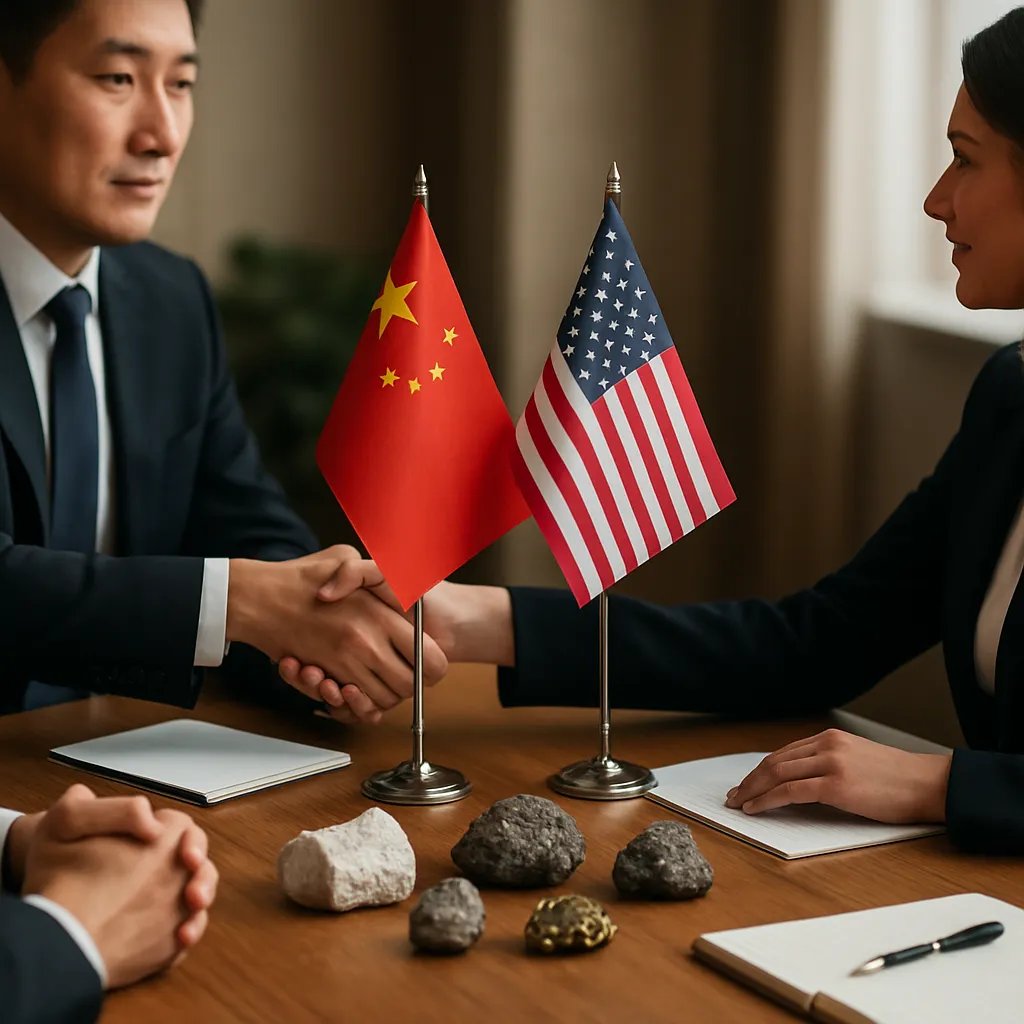
- Bilateral MoUs and memoranda of understanding that guarantee purchase volumes in exchange for infrastructure funding.
- Strategic stockpiling agreements that stabilize value chains during periods of price volatility.
- Technical partnerships to transfer refining technologies, thereby enhancing local beneficiation and creating mutual dependencies.
Influence of Rare Metals on Global Partnerships
Beyond traditional resource exporters, emerging players are entering the arena. African nations with untapped deposits of tantalum and niobium, Latin American countries rich in lithium, and Arctic territories with rare earth reserves are all focal points for diplomatic overtures. As a result, trade pacts and free trade agreements now often contain dedicated annexes on sustainability standards and ethical sourcing protocols.
Trade Agreements and Ethical Sourcing
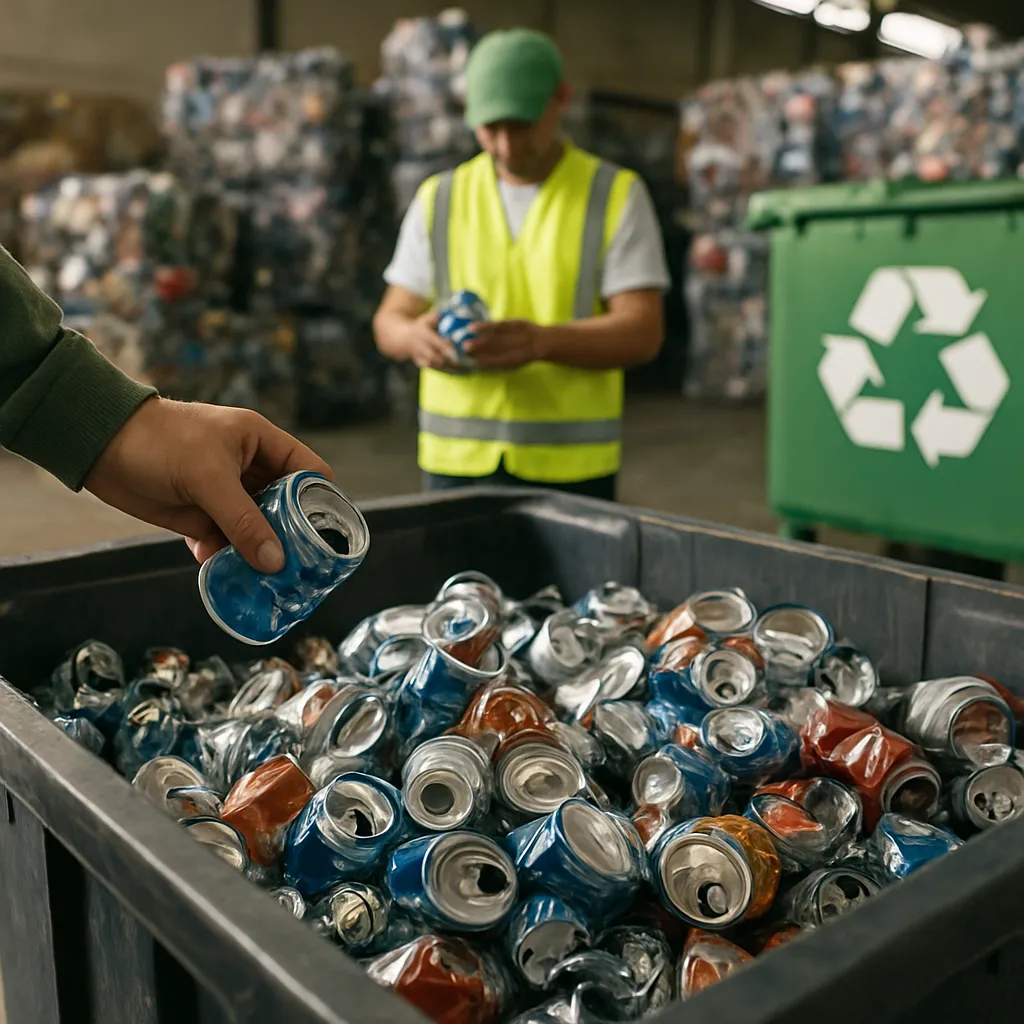
Countries are weaving environmental and human rights criteria into mineral partnerships to address concerns over artisanal mining practices and habitat disruption. The introduction of traceability frameworks ensures that end-users—major tech firms and automakers—can verify compliance at every stage, from pit extraction to final product assembly. In parallel, incentives are offered for projects that align with innovation in recycling and reclamation processes.
Case Study: European Union–African Union Collaboration
The EU’s Raw Materials Initiative exemplifies how mineral diplomacy can foster broader cooperation. Through joint research centers and co-investment funds, projects in cobalt-rich regions of the Congo Basin now receive preferential access to European capital. In return, EU-based firms commit to capacity-building programs that improve artisanal mining safety and reduce ecological footprints, embedding human rights due diligence into the core of the partnership.
Future Trajectories and Emerging Alliances
Looking ahead, mineral diplomacy is poised to evolve, reflecting shifts in technology, consumer preferences, and geopolitical alignments. The growing focus on battery metals accelerates the push for vertically integrated supply chains, while digitalization efforts introduce new standards for data-driven supply chains and realtime compliance monitoring.
Innovations in Resource Diplomacy
- Blockchain Traceability: Ensuring secure, tamper-proof records of mineral provenance to satisfy both regulators and end consumers.
- Public–Private Coalitions: Collaborative platforms where governments, extractive firms, and civil society co-design investment roadmaps that bolster sustainability.
- Trade Finance Mechanisms: Leveraging export credit agencies to underwrite long-term offtake agreements, reducing capital risks for smaller mining ventures.
Shifting Alliances and Strategic Realignments
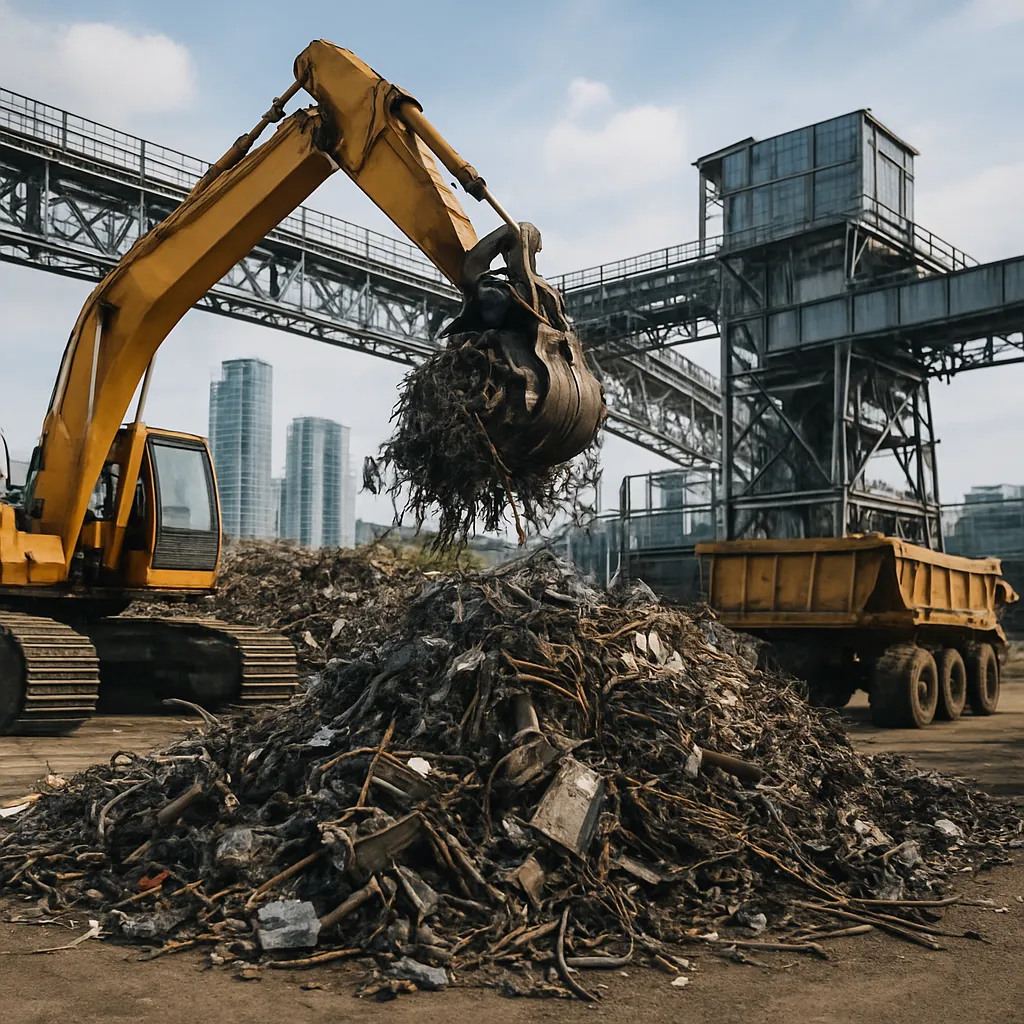
New coalitions are forming outside traditional blocs, with BRICS countries exploring intra-group swaps of lithium and rare earth concentrates. Simultaneously, bilateral pacts between South Korea and Australia underscore a pragmatic shift away from single-country dependencies. At the same time, recycling hubs in North America and Europe are being treated as strategic assets, with national policies encouraging circular-economy solutions to reclaim critical minerals from spent batteries and electronics.
The landscape of global rare metals is more than a question of geology; it is a dynamic theater where statecraft, commerce, and technology converge. As nations refine their approaches to secure, process, and distribute critical minerals, the contours of international cooperation will continue to transform—yielding alliances that reflect both the urgency of climate transitions and the enduring imperatives of economic security.