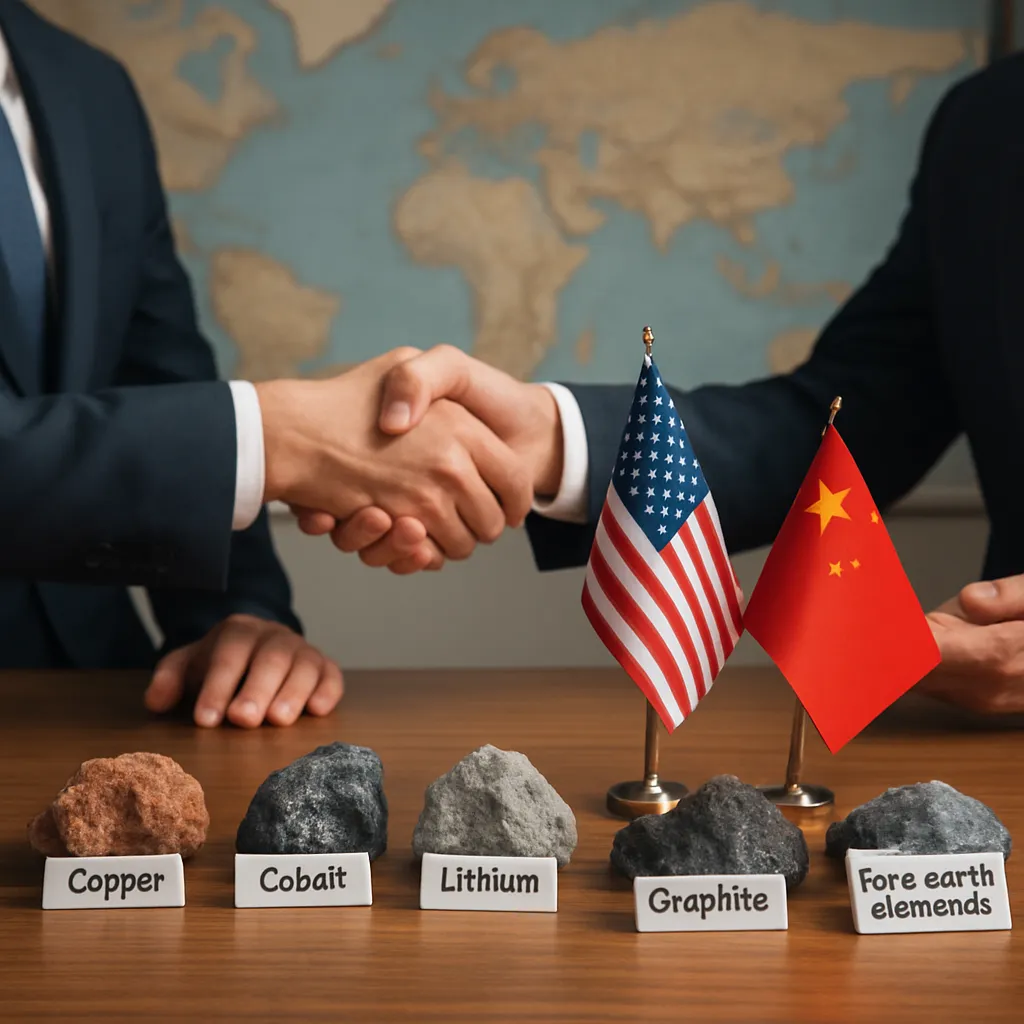
The landscape of global rare metals is becoming increasingly intricate as nations vie for access to critical mineral resources. In light of this complexity, transparency in metal trading has emerged as a cornerstone for building trust among producers, consumers, and regulators. Embracing open data practices not only fosters market efficiency, but also addresses pressing concerns such as environmental impact, ethical sourcing, and supply chain security. By shedding light on otherwise opaque transactions, stakeholders can ensure that operations align with international standards and societal expectations.
Market Dynamics and Supply Chain Visibility
Global rare metals—including lithium, cobalt, and neodymium—play an essential role in industries ranging from renewable energy to electronics. However, volatile prices and concentrated supply sources often result in market distortions. Achieving enhanced traceability can help mitigate risks associated with sudden price swings and supply disruptions.
Price Volatility and Risk Management
- Fragmented data flows across multiple jurisdictions obscure true market value.
- Real-time analytics tools enable traders to forecast demand and adjust positions accordingly.
- Open reporting mechanisms reduce the potential for price manipulation by large market participants.
Supply Chain Mapping
- Comprehensive tracking from mine to end-user improves supply resilience.
- Digital ledgers, such as blockchain, ensure immutable records of each transaction.
- Enhanced visibility helps brands verify ethical practices at each stage, building consumer confidence.
Regulatory Frameworks and Ethical Sourcing
As governments and international bodies enact stricter regulations, compliance with environmental and labor standards is non-negotiable. Data transparency serves as a critical tool for demonstrating adherence to these evolving requirements.
International Standards and Reporting
- Organizations like the OECD and ISO provide frameworks to guide responsible mineral sourcing.
- Public disclosure of extraction volumes and shipment destinations promotes accountability.
- Auditable records help authorities detect illicit practices, such as illegal mining or smuggling.
Ethical and Environmental Considerations
- Transparent environmental impact assessments ensure that mining operations respect local ecosystems.
- Stakeholder engagement protocols, supported by open data, foster community trust.
- Ethical sourcing certifications rely on rigorous verification of labor conditions and fair wages.
Technological Innovations in Data Transparency
Rapid advancements in digital technology are reshaping how rare metal transactions are recorded and shared. Innovative platforms are now providing unprecedented levels of clarity across the value chain.
Distributed Ledger Systems
- Decentralized networks eliminate single points of failure, bolstering data integrity.
- Smart contracts automate compliance checks, triggering alerts when anomalies arise.
- Immutable transaction histories simplify audits and reinforce trust among trading partners.
IoT and Sensor Integration
- On-site sensors monitor production metrics in real time, feeding data directly into centralized dashboards.
- Geolocation tags verify that materials originate from certified mine sites.
- Automated quality inspections reduce human error and speed up verification processes.
Collaborative Governance and Future Outlook
Building a robust ecosystem for transparent metal trading requires collaboration across governments, industry consortiums, and civil society. A governance model that integrates all voices can deliver lasting benefits, driving both sustainability and market stability.
Multi-Stakeholder Initiatives
- Public-private partnerships fund research into best practices for data sharing.
- Industry associations set voluntary guidelines to promote compliance and reduce harmful externalities.
- NGOs advocate for community rights, ensuring that transparency efforts respect local cultures and needs.
Building Resilience Through Open Data
- Shared databases improve supply predictability and help parties anticipate disruptions.
- Collaborative risk assessments, powered by transparent datasets, fortify global supply chains against geopolitical tensions.
- Continuous knowledge exchange fosters a culture of innovation and adaptive governance.
By embracing a transparent approach to rare metal trading, stakeholders can transform a historically opaque market into a model of resilience and shared prosperity.