The demand for rare metals continues to surge as industries worldwide race to develop cutting-edge technologies. From electric vehicles to renewable energy systems and advanced electronics, these critical materials underpin modern innovation. In this context, the ability to trace the journey of each mineral from mine to market has become a strategic necessity. Traceability not only enhances transparency but also drives improvements in environmental stewardship, ethics, and overall supply chain resilience. This article explores why traceability matters in the global rare metals sector and examines key drivers, challenges, and technological enablers.
Supply Chain Transparency and Ethics
Increasing scrutiny from regulators, investors, and civil society is prompting stakeholders to demand clarity about the origins and handling of rare metals. Uncontrolled operations can lead to human rights violations, child labor, and funding of armed conflicts. A traceable supply chain ensures full visibility into each step of the process:
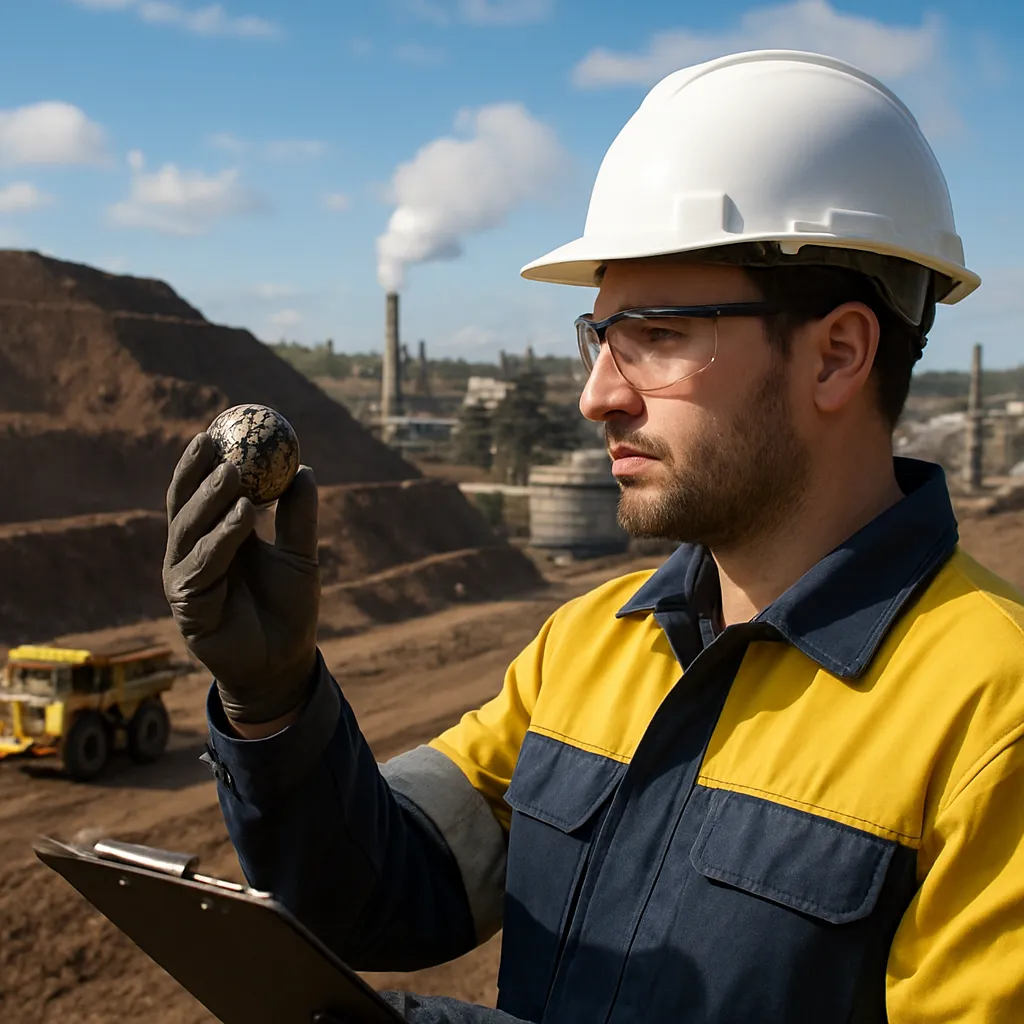
- Provenance Verification: Buyers can confirm sourcing from legal, licensed mines rather than conflict regions.
- Accountability: Companies can identify and remediate unethical practices, safeguarding their reputation.
- Compliance with Regulations: Enhanced tracking supports adherence to laws like the Dodd-Frank Act or the EU’s Conflict Minerals Regulation.
Adopting robust traceability frameworks also empowers downstream manufacturers and end consumers to make informed choices. When the ethical footprint of a product is openly communicated, it can drive market differentiation and foster stronger brand loyalty. Moreover, alignment with United Nations guiding principles and ISO standards further reinforces a company’s commitment to social responsibility.
Environmental Sustainability in Rare Metals Extraction
The extraction and processing of rare metals often generate significant environmental impacts. Water pollution, habitat destruction, and carbon emissions are common concerns. Traceability solutions encourage sustainable practices by:
- Quantifying the carbon footprint associated with each mining operation.
- Promoting efficient resource usage, such as water recycling and waste reduction.
- Ensuring compliance with stringent environmental standards and reclamation obligations.
Life-cycle assessments (LCAs) facilitated by traceability data help stakeholders understand ecological trade-offs. For instance, mapping the end-to-end flow of lithium used in batteries can highlight opportunities for recycling and circular economy initiatives. In this way, detailed records of material movements support continuous improvement cycles, driving the sector toward ever-higher levels of sustainability.
Furthermore, investors increasingly channel capital into green mining projects. Traceable supply chains provide the verifiable proof they need to justify sustainable finance commitments. This symbiotic relationship accelerates the adoption of low-impact technologies, such as in-situ leaching and solar-powered extraction.
Technological Solutions for Traceability
Recent advances in digital tools have revolutionized how companies monitor and authenticate rare metals. Key innovations include:
Blockchain and Distributed Ledgers
Blockchain-enabled platforms create immutable records of every transaction along the supply chain. Each block in the chain documents crucial data—such as geolocation, quality metrics, and custody changes—ensuring an authenticity trail that is tamper-proof. Participants gain shared access to a single source of truth, reducing the risks of fraud and misrepresentation.
Internet of Things (IoT) and Sensors
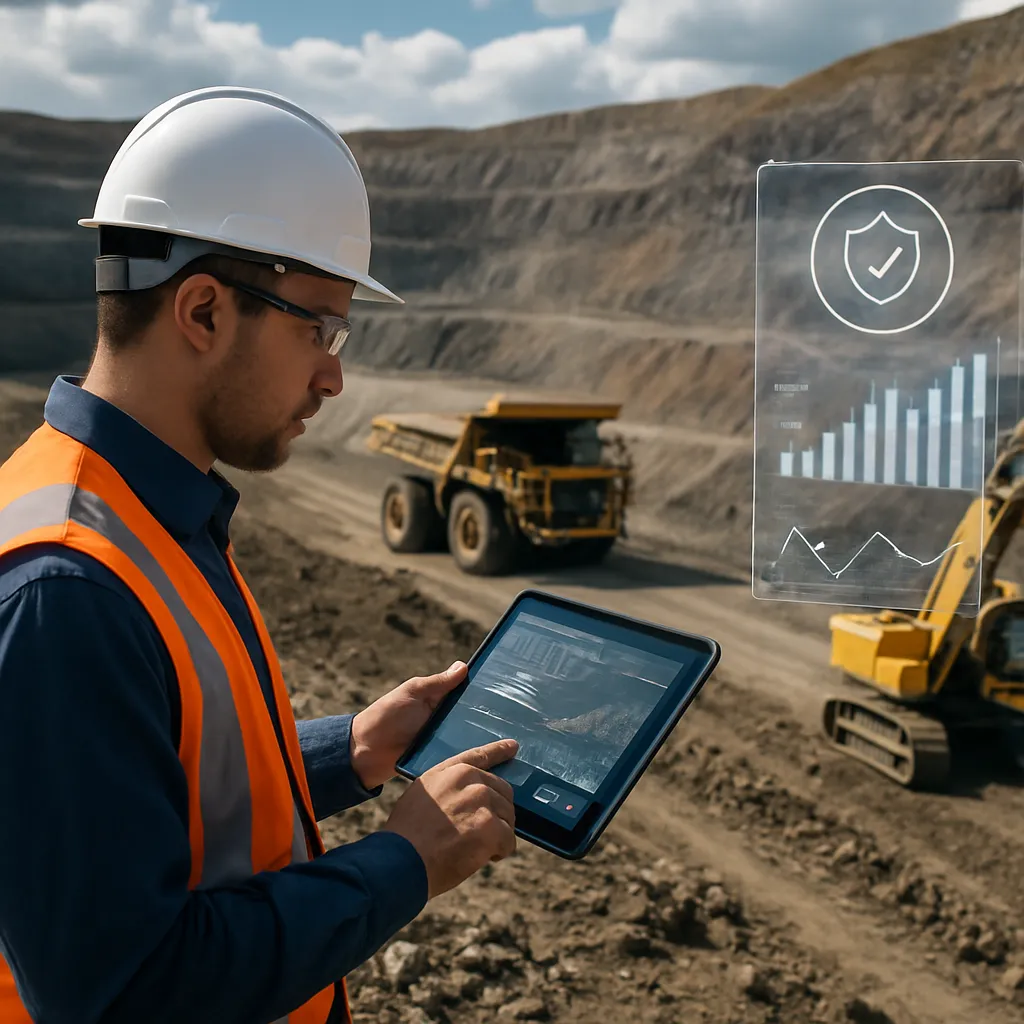
IoT devices installed at mining sites and processing facilities automatically collect environmental parameters and operational metrics. Real-time monitoring can detect anomalies—like water contamination or unauthorized vehicle movements—triggering immediate corrective actions. These data feeds strengthen both operational efficiency and compliance oversight.
Digital Twins and Geospatial Analytics
By creating virtual replicas of mines and supply routes, companies can simulate different scenarios, optimize logistics, and foresee bottlenecks. Geospatial analytics overlays demographic and ecological data, enabling risk-based sourcing decisions. Such models inform both strategic planning and crisis management, enhancing overall supply chain resilience.
Geopolitical Implications and Strategic Security
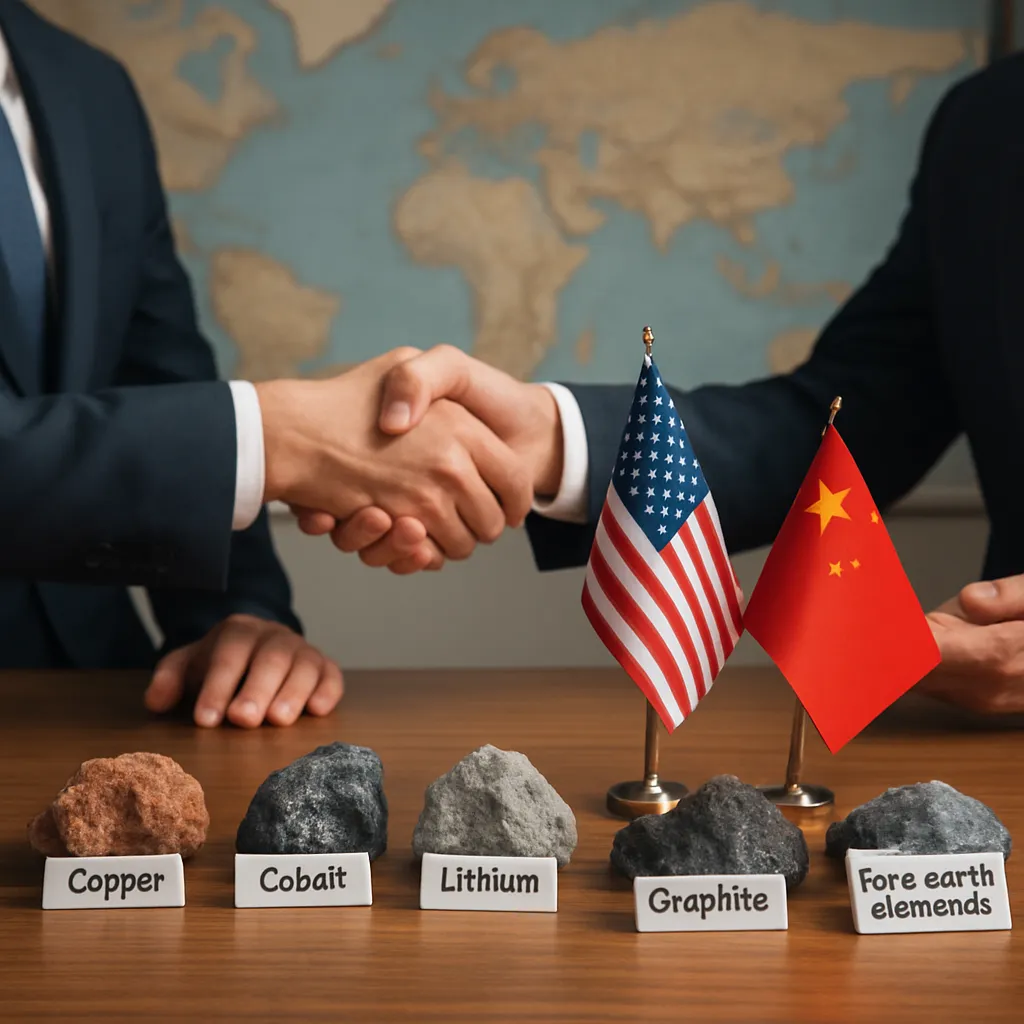
Rare metals are central to national security and economic competitiveness. Many countries are relocating critical mineral sourcing to reduce dependence on a few dominant suppliers. Traceability provides governments with actionable intelligence to:
- Identify geopolitical risks in key mining regions.
- Formulate diversification strategies for critical minerals like cobalt, nickel, and rare earth elements.
- Enforce export controls and safeguard sensitive technologies.
From the perspective of global trade, transparent supply chains build trust among trading partners and prevent access disruptions. Nations that champion high standards of transparency and reliability can secure long-term contracts and premium market positioning.
Moreover, as strategic stockpiling becomes more widespread, accurate traceability ensures that reserves are rotated properly, reducing spoilage and maximizing resource availability during crises. This level of governance underpins a stable market environment, benefiting both producers and consumers.
Challenges and Pathways Forward
While the benefits of traceability are evident, implementation hurdles remain. These include:
- High upfront costs for technology deployment and training.
- Data interoperability issues across diverse IT systems.
- Resistance from informal or small-scale mining operators.
To overcome these barriers, stakeholders can collaborate on industry-wide standards and shared digital infrastructures. Public-private partnerships and multilateral initiatives can subsidize technology rollout for underserved regions. Capacity-building programs aimed at local communities foster trust and enable inclusive participation.
Ultimately, transparency in the rare metals sector is more than a compliance exercise—it is a catalyst for innovation. By illuminating every segment of the value chain, traceability unlocks efficiencies, mitigates risks, and elevates ethical performance. As the global economy evolves, companies that embed traceability into their core operations will be best positioned to navigate market complexities and deliver sustainable value.