The journey of rare earth elements from deep within the Earth’s crust to high-tech applications involves a complex interplay of geology, chemistry, and global trade. As demand for these critical minerals skyrockets, so do concerns about their carbon footprint, environmental impacts, and long-term sustainability. This article examines the evolving landscape of global rare metals, highlights the main sources of greenhouse gas emissions during extraction and processing, and explores strategies to minimize ecological damage while ensuring supply security.
Global Rare Metals Market Dynamics
The market for rare earth elements and other critical metals has grown exponentially, driven by the rapid deployment of renewable energy technologies, electric vehicles (EVs), and consumer electronics. Rare earth metals such as neodymium, praseodymium, dysprosium, and terbium are indispensable for high-performance magnets, while elements like lithium and cobalt are vital for battery chemistries. As developing economies spur industrial growth and advanced economies pursue decarbonization targets, demand projections indicate a potential quadrupling of rare earth consumption by 2040.
- Supply Concentration: Approximately 80% of global rare earth oxide production is concentrated in a small number of countries, leading to potential geopolitical risks and price volatility.
- Import Dependencies: Many nations rely heavily on imported rare metals, prompting initiatives for domestic mining and strategic stockpiling.
- Technological Innovation: Breakthroughs in magnet design and alternative chemistries could reduce reliance on the heaviest rare earth elements.
Environmental Impact of Rare Earth Processing
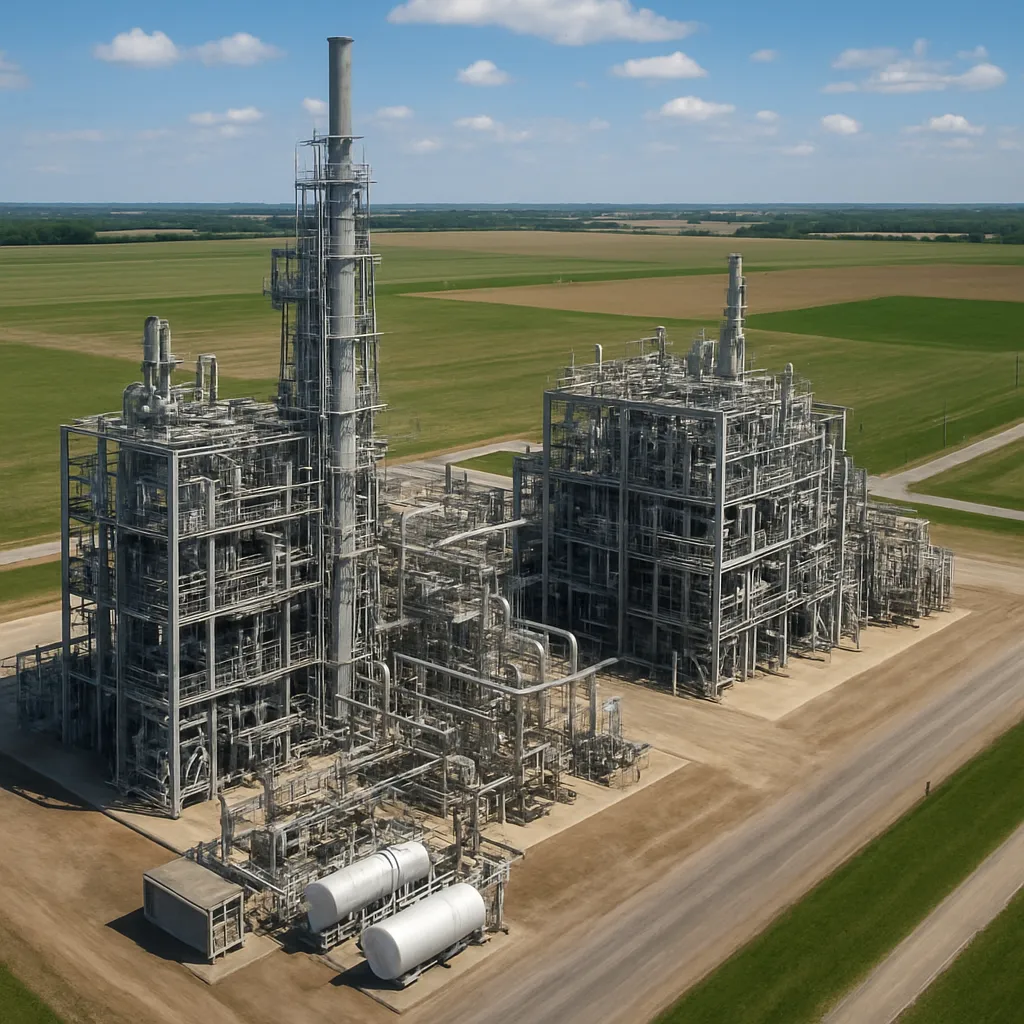
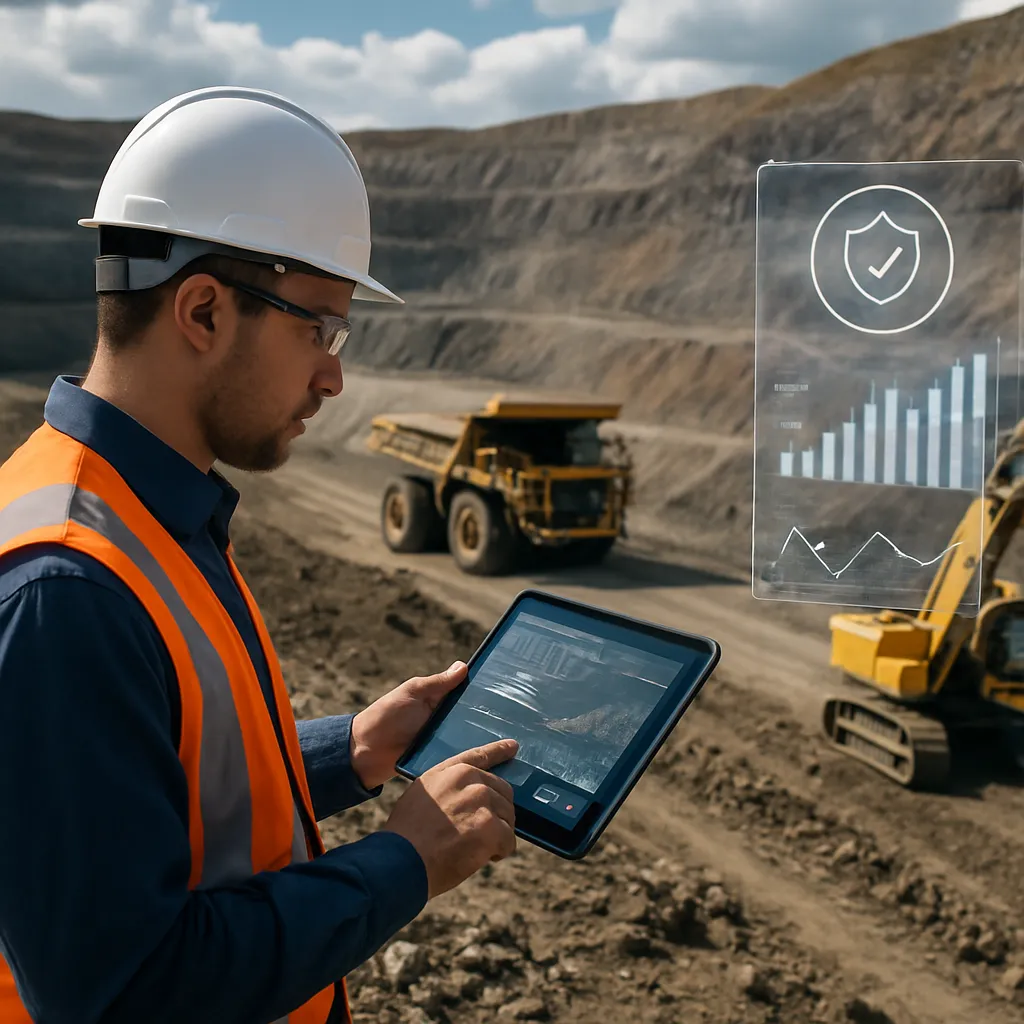
Extracting and refining rare earth ores is inherently energy-intensive. Mining operations typically involve open-pit or underground excavation, followed by crushing, grinding, and complex chemical treatment. Each stage contributes to greenhouse gas emissions, water consumption, and the generation of toxic effluents.
Carbon Dioxide Emissions
- Electricity Usage: High-voltage grinding mills and separation facilities consume massive amounts of electricity, often sourced from fossil fuels, resulting in substantial CO₂ emissions.
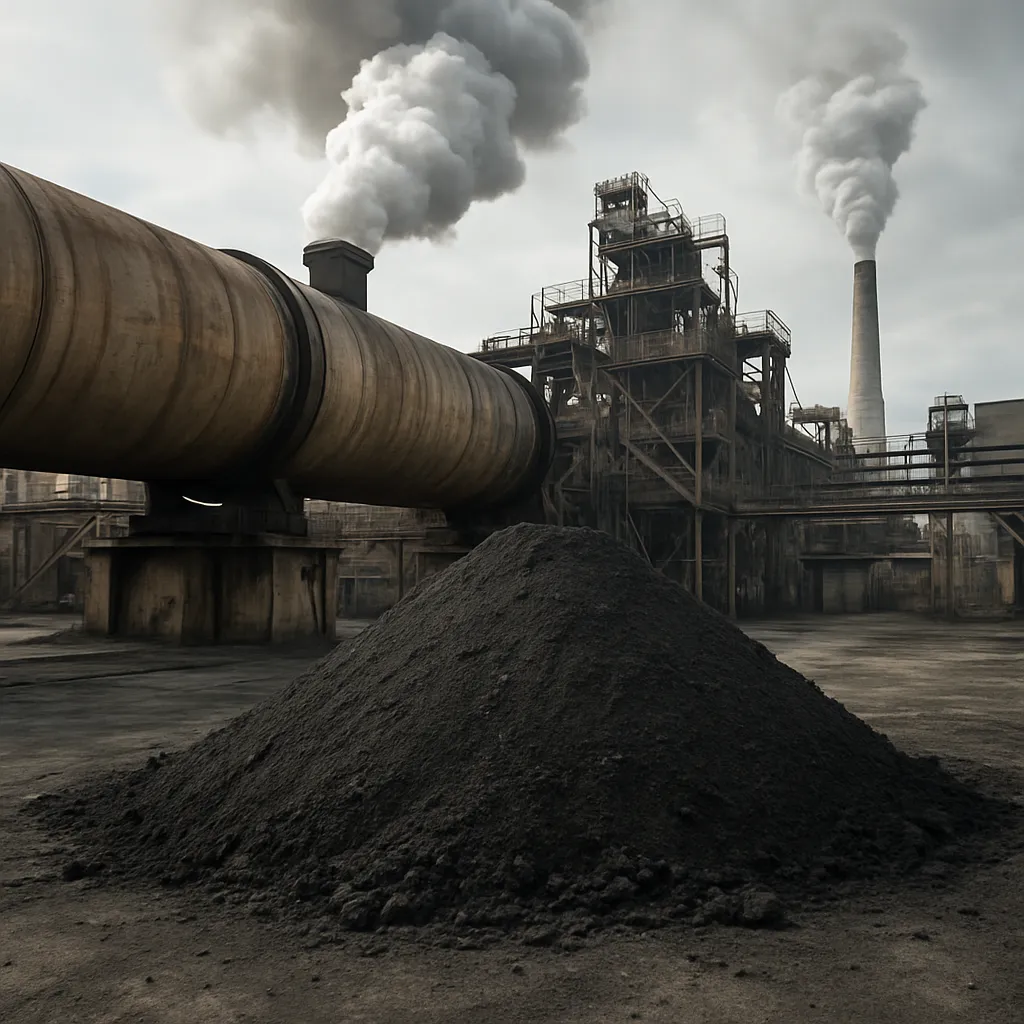
- Thermal Processes: Calcination and roasting steps require elevated temperatures, generating direct carbon emissions from fuel combustion.
Water and Chemical Pollution
Leaching rare earth ores typically employs strong acids or bases (e.g., sulfuric acid, ammonium sulfate). Wastewater contains dissolved heavy metals and radionuclides, posing risks to aquatic ecosystems and human health if not properly managed.
Waste Rock and Tailings
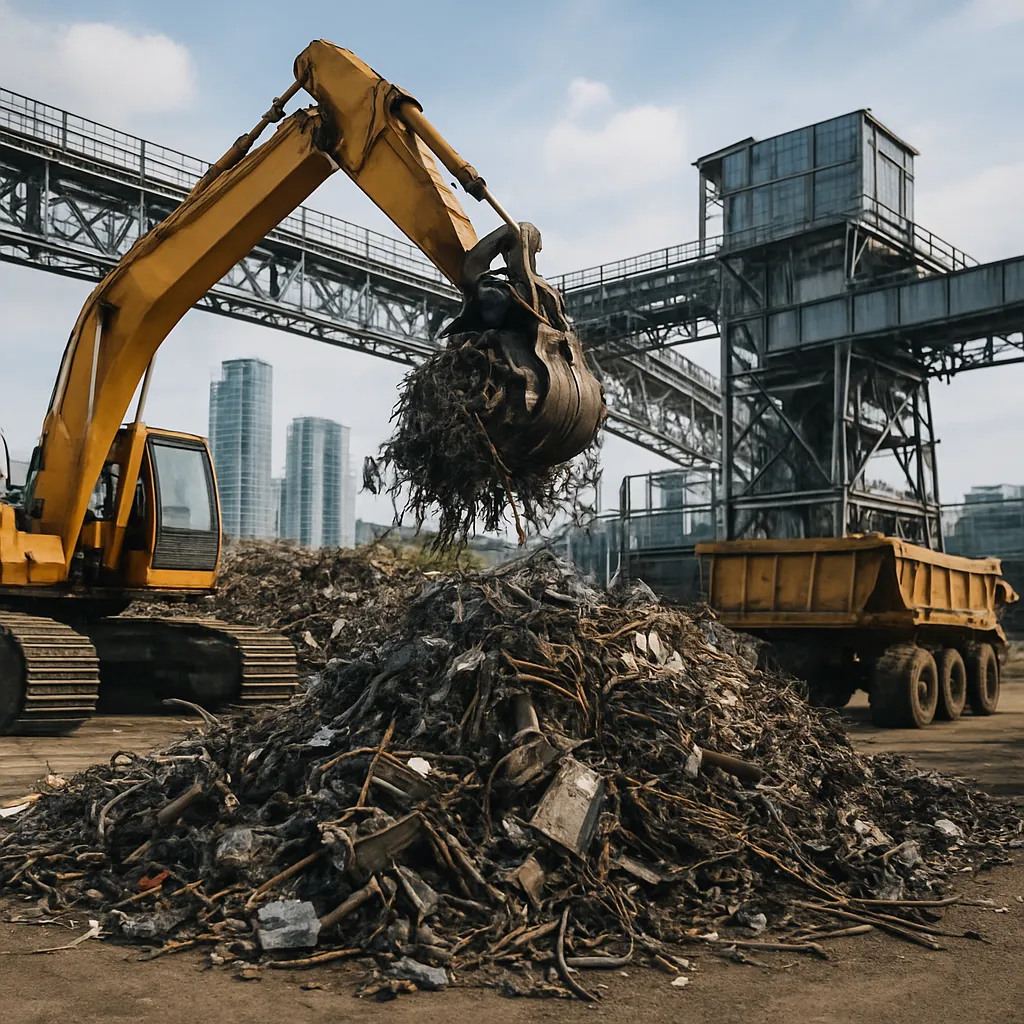
Every tonne of rare earth metals produced generates multiple tonnes of tailings and waste rock. Improper disposal can lead to soil contamination, acid mine drainage, and long-term landscape degradation.
Strategies for Mitigation and Sustainability
Addressing the environmental challenges associated with rare earth processing demands a multifaceted approach. Industry stakeholders, researchers, and policymakers are pursuing innovations to reduce carbon intensity and ecological footprints.
Renewable Energy Integration
- On-site Solar and Wind: Installing photovoltaic arrays and wind turbines at mining sites to offset grid-sourced electricity, thereby lowering GHG emissions.
- Green Hydrogen: Utilizing electrolytic hydrogen for high-temperature processes instead of natural gas.
Advanced Process Technologies
- Ion-Exchange and Solvent Extraction: Improved reagent formulations and closed-loop circuits that minimize acid consumption and effluent generation.
- Bioleaching: Harnessing microbial activity to selectively mobilize rare earth ions at ambient temperatures, reducing energy demands.
- Membrane Separation: Energy-efficient membranes that separate individual rare earth elements with minimal chemical additions.
Recycling and Circular Economy
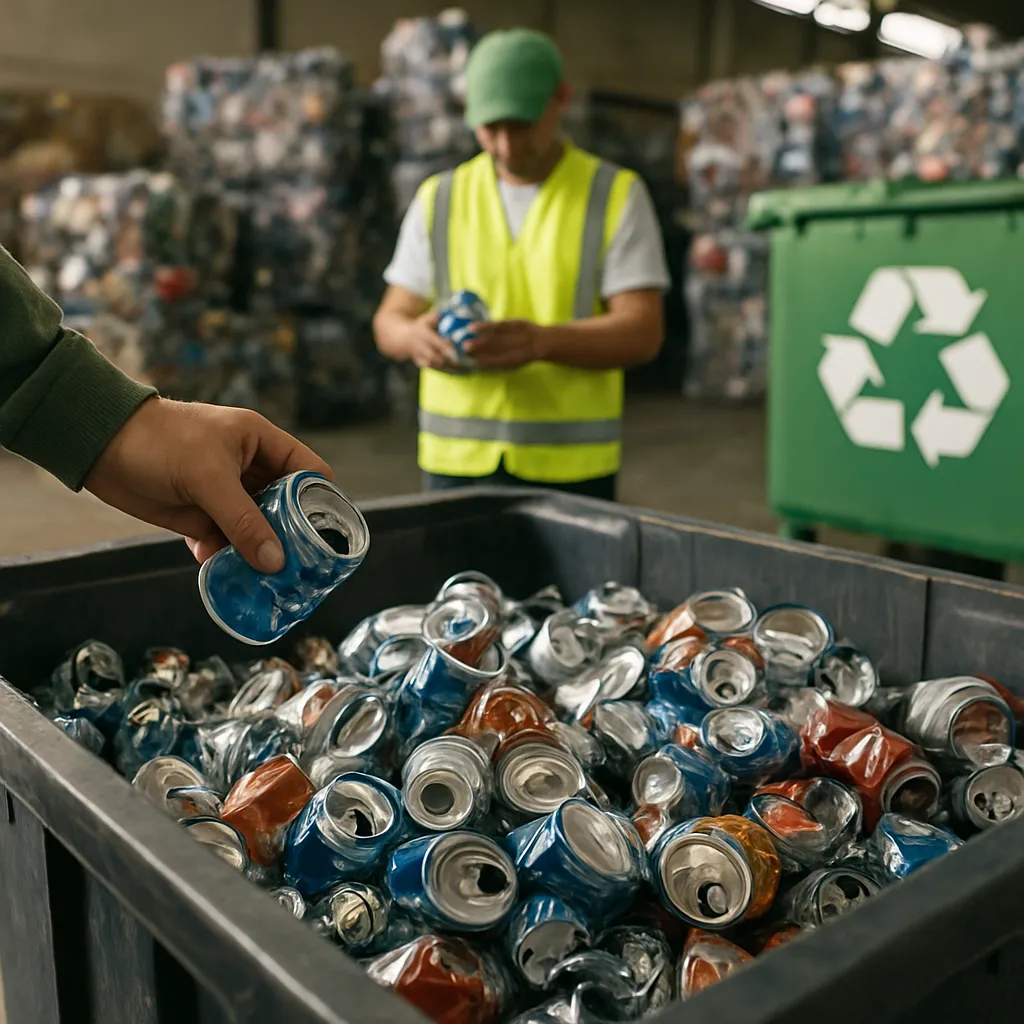
Secondary recovery of rare metals from end-of-life products is gaining momentum. EV motors, wind turbine magnets, and electronic waste contain valuable concentrations of neodymium, praseodymium, and dysprosium. Key tactics include:
- Urban Mining: Collection and processing of discarded electronics and industrial scrap.
- Hydrometallurgical Recycling: Dissolving magnets in acid, followed by solvent extraction to separate individual elements.
- Direct Reuse: Reconditioning sintered magnet fragments into new components.
Innovation in Supply Chain and Policy Measures
Beyond technological solutions, governance frameworks and international cooperation are crucial for securing a resilient, sustainable rare earth supply chain:
- Regulatory Standards: Mandatory disclosure of carbon footprints and environmental performance metrics.
- Incentives for Green Mining: Tax credits, low-interest financing, and public–private partnerships to accelerate clean technologies.
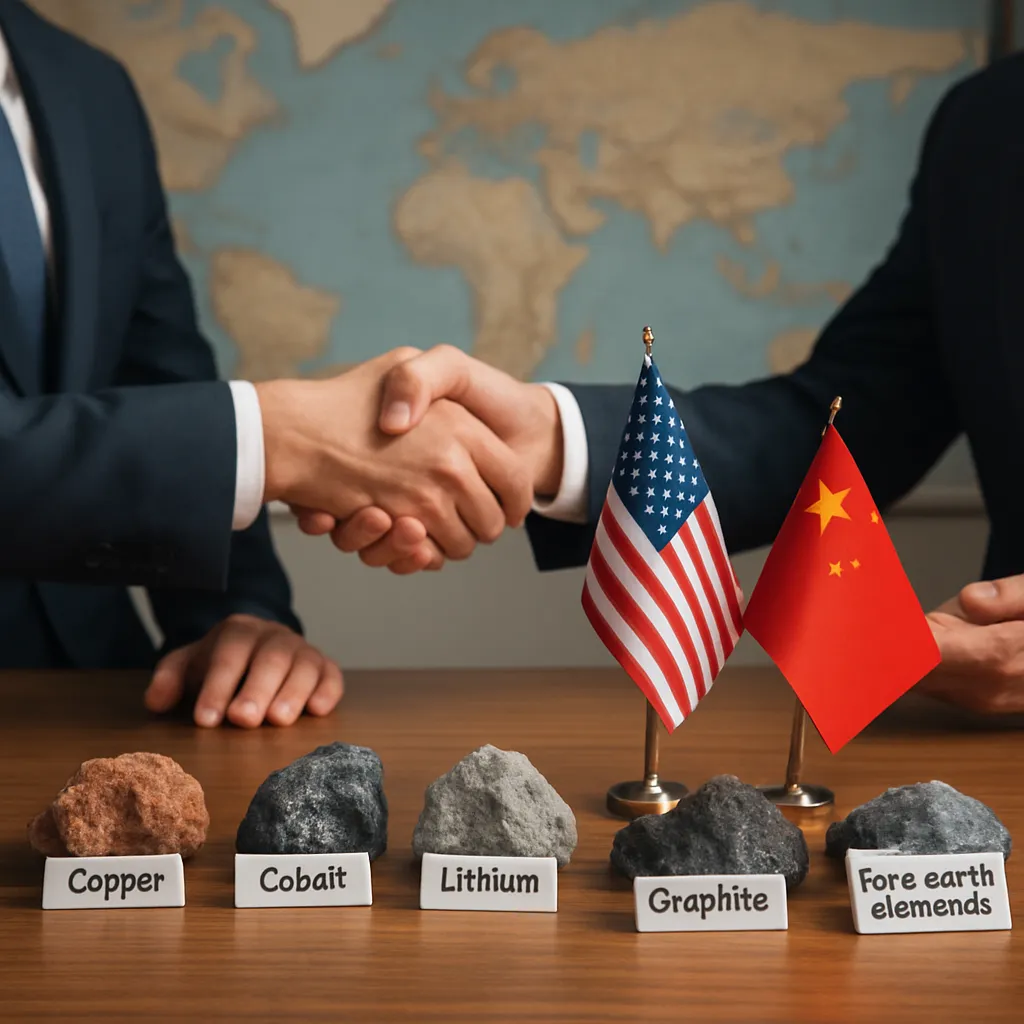
- Trade Agreements: Collaborative sourcing strategies and raw material exchange mechanisms to stabilize markets and encourage best practices.
- Research Consortia: Multi-stakeholder initiatives pooling resources to de-risk pilot-scale demonstrations of novel extraction and recycling techniques.
Lifecycle Assessment and Transparency
Comprehensive lifecycle analyses (LCAs) help identify hotspots of emissions and resource use throughout the value chain, from ore to end-of-life. Digital traceability platforms, blockchain-secured supply chain records, and third-party audits foster accountability and enable consumers to make informed choices.
Community Engagement and Social Responsibility
Meaningful dialogue with local communities ensures that mining projects respect land rights, cultural heritage, and water resources. Benefit-sharing mechanisms, job training, and environmental monitoring programs contribute to the long-term viability of mining regions.
Future Outlook and Emerging Trends
As the global energy transition accelerates, the pressure on rare earth supply chains will intensify. Anticipated developments include:
- Deep-Sea Mining: Evaluating polymetallic nodules and crusts in ocean beds as alternative resource reservoirs, with careful assessment of marine ecosystem impacts.
- Substitution Research: Novel magnet alloys and battery chemistries that rely less on critical elements and more on abundant materials.
- Enhanced Recycling Rates: Deployment of automated sorting robotics, AI-driven material characterization, and scalable hydrometallurgical plants dedicated to end-of-life recovery.
- Carbon Capture Integration: Pairing processing facilities with carbon capture and storage (CCS) systems to sequester emissions at the point of release.
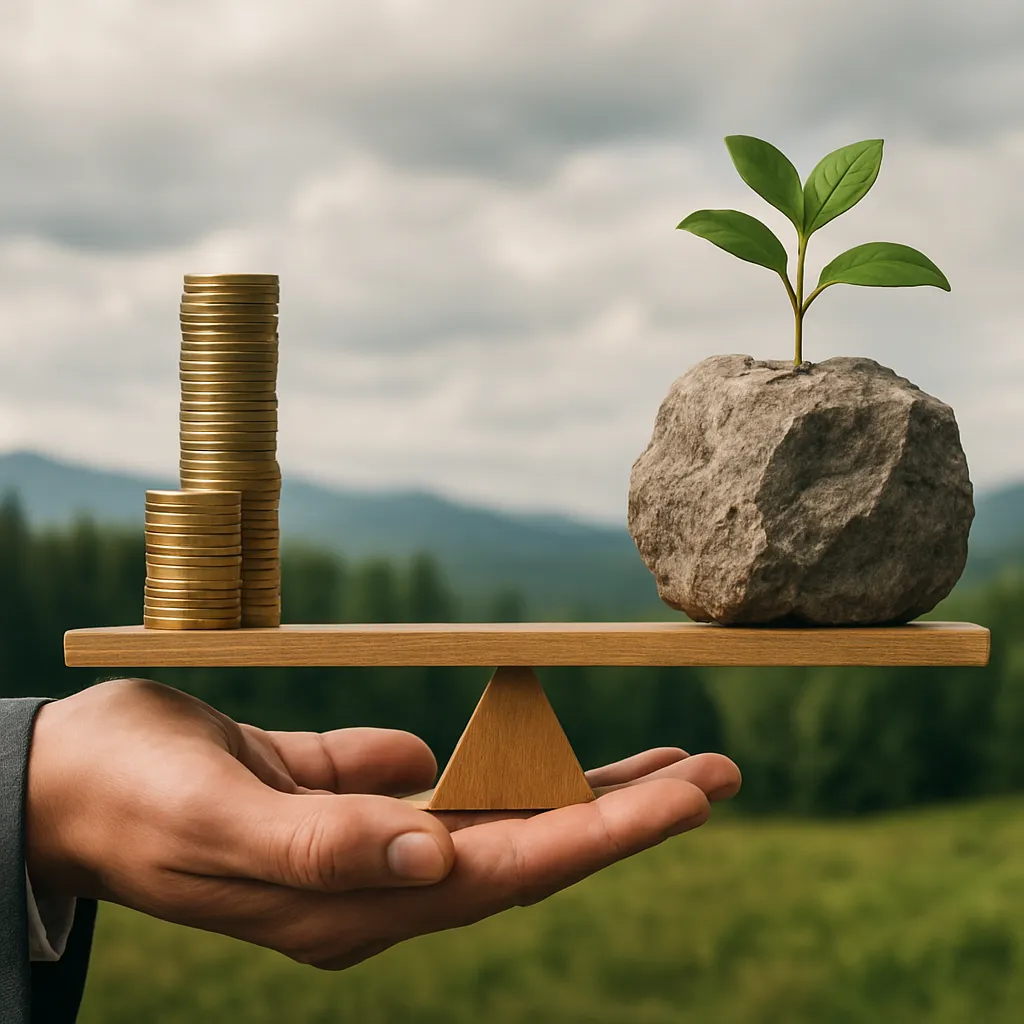
The confluence of policy leadership, technological advancement, and stakeholder collaboration will determine whether the global community can reconcile soaring demand for rare metals with the imperative of environmental stewardship. Balancing economic growth, resource security, and ecological integrity represents a formidable challenge—but also an extraordinary opportunity for innovation.