The refining of rare metals in emerging markets has become a focal point for investors, policymakers, and industrial strategists seeking to balance economic growth with environmental stewardship. This article examines the intricate interplay of supply and demand, explores the economic drivers behind refinery expansion, highlights cutting-edge technologies, and assesses the broader geopolitical implications. Readers will gain insight into how emerging economies navigate the challenges of scaling up infrastructure, managing cost structures, and complying with stringent regulations while capturing value from global supply chains.
Global Demand and Supply Dynamics
Shifting Consumption Patterns
Rapid adoption of electric vehicles, renewable energy systems, and advanced electronics has triggered a surge in demand for rare metals such as lithium, cobalt, and nickel. Manufacturers in developed regions are increasingly sourcing feedstock from emerging markets, placing pressure on local processors to build capacity swiftly. This trend is further amplified by government incentives for green technologies, creating a persistent upward trajectory in metal consumption.
Supply Constraints in Emerging Regions
Despite abundant mineral reserves, refining operations in countries like the Democratic Republic of Congo, Indonesia, and Brazil face a multitude of challenges. Limited access to capital, underdeveloped transport networks, and fluctuating commodity prices often disrupt the steady flow of raw inputs. Furthermore, geopolitical tensions and export tariffs can lead to supply bottlenecks, forcing downstream processors to hedge risks through diversified sourcing strategies.
Economic Drivers of Refining in Emerging Markets
Infrastructure and Investment Challenges
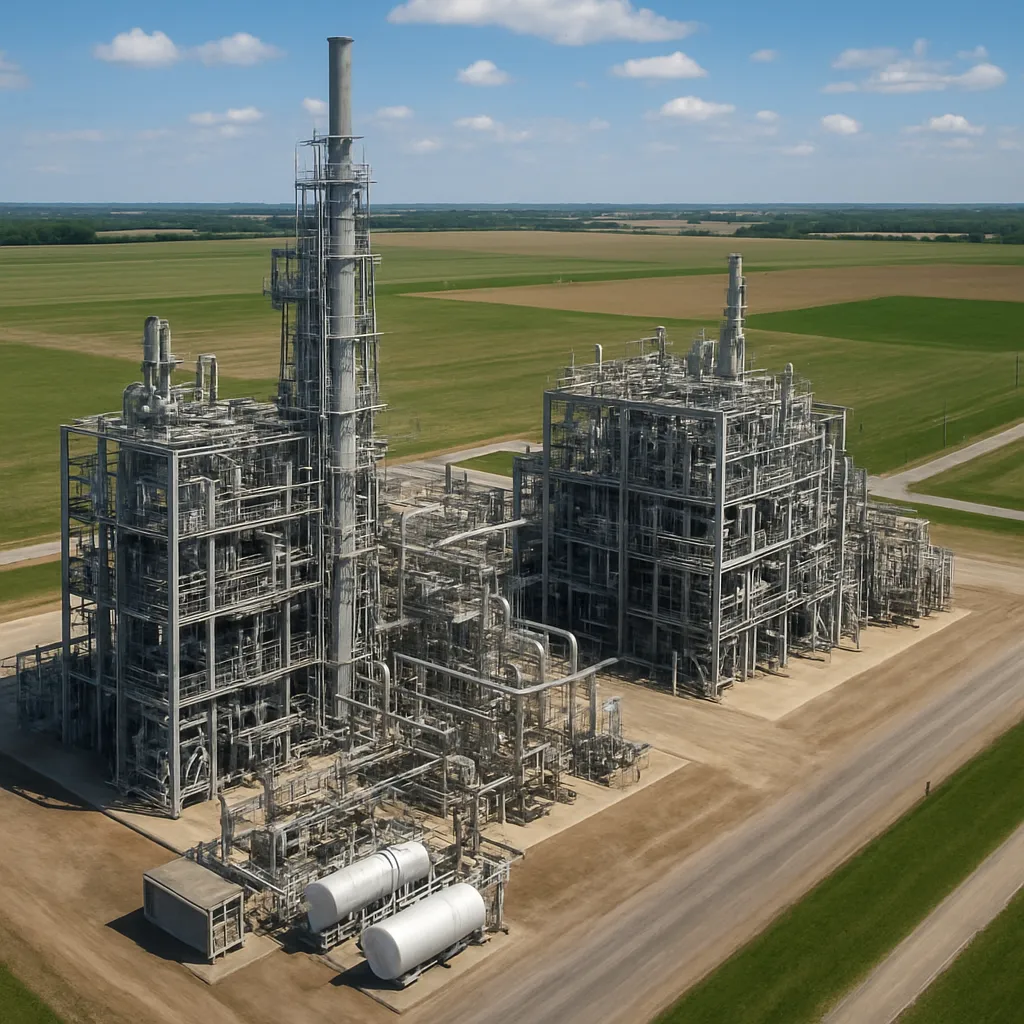
Building a modern refinery requires substantial upfront investment in facilities, skilled labor, and environmental controls. Many emerging economies struggle to secure long-term financing due to perceived political and currency risks. Private equity firms and state-owned enterprises have begun to form joint ventures, bridging financing gaps and sharing technical expertise. Public-private partnerships emerge as a pivotal model, enabling local governments to de-risk projects while ensuring alignment with national development goals.
Cost Structures and Profitability
Operational expenses for refineries can vary widely based on energy costs, workforce productivity, and raw material quality. Low-cost electricity and proximity to mining sites confer a competitive edge, but these advantages can be offset by environmental compliance fees and waste treatment obligations. Economies of scale remain critical: larger facilities can amortize capital expenditures over greater output, driving down the average cost per tonne of refined metal. However, oversupply risks persist if new projects come online simultaneously without sufficient market differentiation.
Technological Innovation and Environmental Considerations
Advancements in Processing Techniques
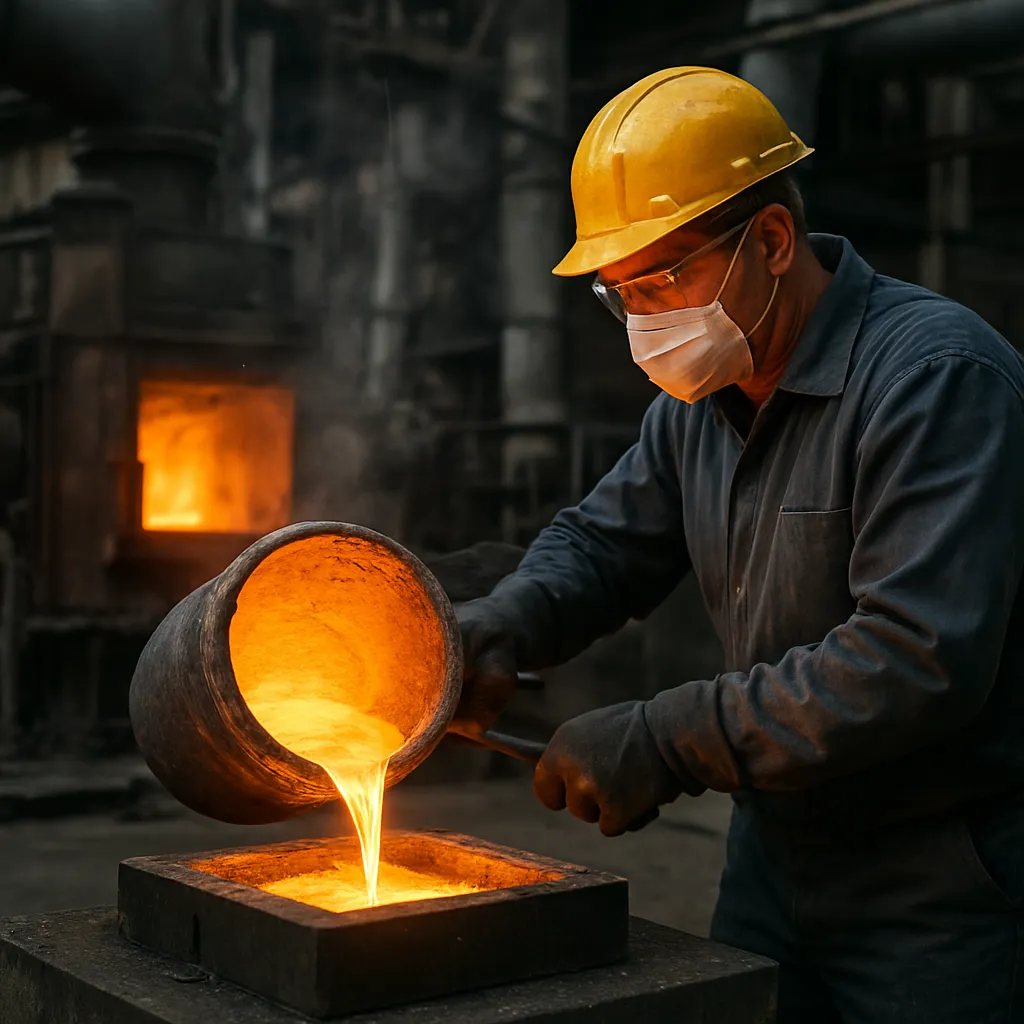
Recent breakthroughs in hydrometallurgical and pyrometallurgical processes have improved metal recovery rates and reduced energy intensity. Innovation in solvent extraction, membrane filtration, and leaching technologies enables refineries to achieve higher purity grades, meeting stringent specifications demanded by battery manufacturers and high-tech industries. Automation and digitization of plant operations further enhance yield optimization, predictive maintenance, and real-time monitoring of critical parameters.
Regulatory and Sustainability Pressures
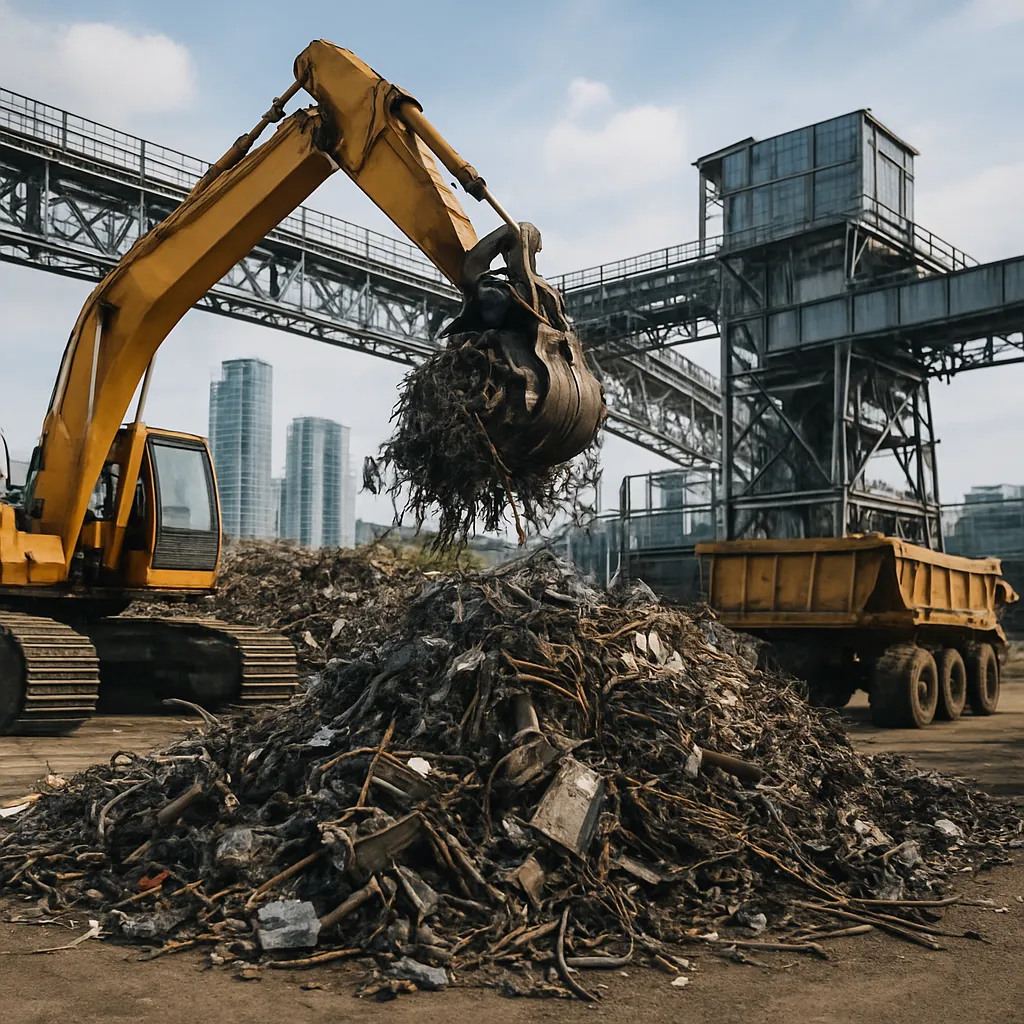
Environmental regulations in emerging markets are tightening in response to global climate commitments and community activism. Refineries must implement advanced emission control systems, wastewater treatment units, and tailings management protocols. Non-compliance can result in costly penalties, project delays, or permanent shutdowns. To address these risks, companies are investing in carbon capture, utilization, and storage (CCUS) and exploring circular economy models that recycle process by-products into secondary materials.
Strategic Implications and Future Outlook
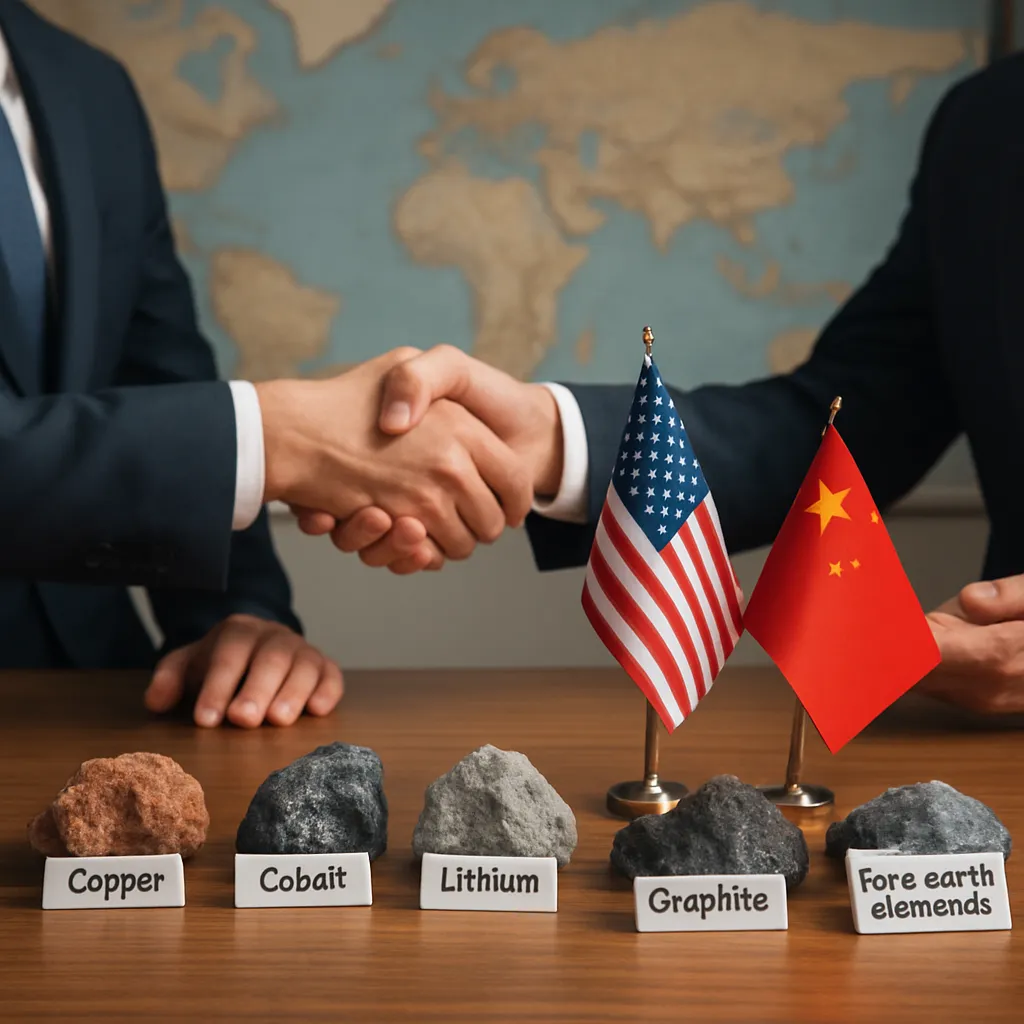
As emerging markets strive to become integral nodes in the global rare metal value chain, they must negotiate a complex landscape of investment incentives, market volatility, and geopolitical maneuvering. Major powers are forging bilateral agreements to secure stable mineral flows, while local governments leverage resource wealth to accelerate industrialization. The success of refining ventures will hinge on the ability to integrate advanced technology, adhere to evolving environmental standards, and maintain agile supply chain networks. Strategic collaboration across public and private sectors will be essential to unlock the full economic potential of rare metals, ensuring that emerging markets transition from raw material exporters to high-value processing hubs.