The integration of rare metals into modern military applications has transformed defense capabilities, driving an unprecedented era of innovation and operational superiority. From advanced propulsion systems to cutting-edge sensor arrays, these critical elements underpin many next-generation technologies deployed on land, sea, air, and space platforms. Their unique electronic, magnetic, and thermal properties make them indispensable for achieving higher performance, lighter weight, and greater energy efficiency. However, reliance on a limited number of global suppliers has introduced vulnerabilities in the supply chain, sparking international competition and strategic realignments. This article explores the multifaceted role of rare metals in future military systems, examining intertwined themes of geopolitics, materials science, environmental stewardship, and emerging technological trends.
Geopolitical Dynamics of Rare Metals
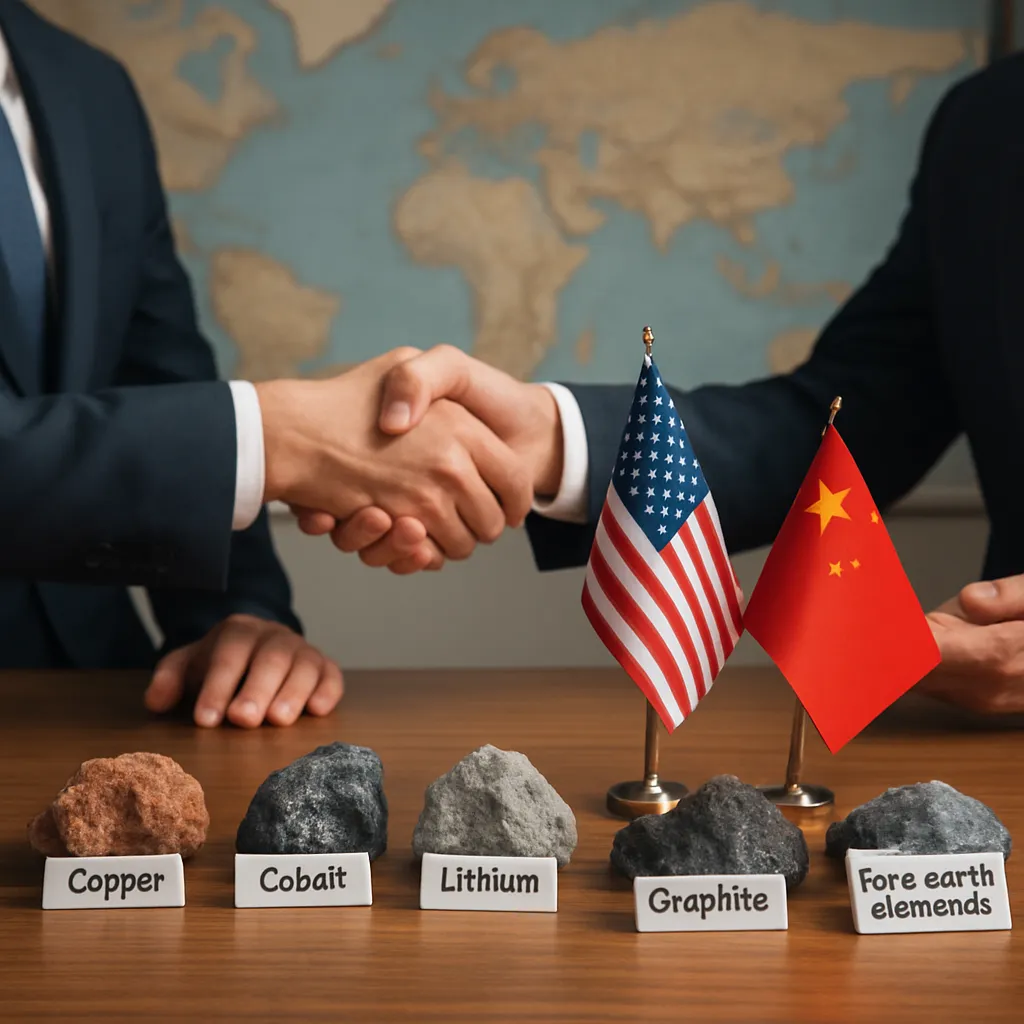
Access to rare metals such as neodymium, dysprosium, and tantalum is becoming a key determinant of military and industrial power. Nations with abundant reserves or refined processing capabilities gain a significant strategic edge. For instance, China controls over 60 percent of the world’s rare earth oxide production, enabling it to influence global prices and supply availability. Western governments are now forging new partnerships across Africa, Australia, and South America to diversify sources and reduce dependency. In parallel, defense alliances are exploring stockpiling measures and joint investments to shore up critical inventories.
These shifts carry profound implications for geopolitics. Trade restrictions or export quotas can be wielded as geopolitical leverage, pushing importing countries to accelerate domestic mining initiatives or develop alternative materials. The ongoing competition over cobalt in the Democratic Republic of Congo highlights how resource-rich regions can become hotbeds of foreign intervention. Simultaneously, technological rivalry between major powers is intensifying, with rare metal supply chains at the forefront of economic and military policymaking.
Advanced Materials in Next-Gen Combat Systems
Modern battlefields demand equipment that can withstand extreme conditions while delivering superior performance. Rare metals play a pivotal role in enabling these capabilities. For example, samarium-cobalt alloys are prized for their exceptional magnetic strength and thermal stability, making them essential in high-power electric motors for unmanned aerial vehicles (UAVs) and autonomous ground vehicles. Similarly, gallium nitride semiconductors deliver higher efficiency and faster switching speeds in radar and electronic warfare systems compared to traditional silicon-based components.
- High-temperature superalloys: Incorporating rhenium and ruthenium enhances turbine blade durability in jet engines.
- Advanced coatings: Hafnium oxide and zirconium-based ceramics provide thermal protection for hypersonic vehicles.
- Battery technologies: Lithium, nickel, and cobalt chemistries enable high energy-density power packs for portable soldier equipment.
Furthermore, the emergence of nanotechnology has opened new frontiers for tailoring material properties at the atomic scale. By engineering nanoscale composites, researchers achieve unprecedented strength-to-weight ratios and adaptive camouflage functions, crucial for stealth operations. As military platforms become more autonomous and interconnected, the demand for specialized rare metal-based components will only continue to grow.
Supply Chain Vulnerabilities and Mitigation Strategies
Despite their significance, rare metals are subject to pronounced supply chain fragility. Extraction and refinement processes often involve complex environmental and technical challenges, while concentration of production in a handful of countries exacerbates geopolitical risk. Any disruption—whether from regulatory changes, natural disasters, or market manipulation—can ripple through defense programs, leading to costly delays and operational setbacks. Recognizing these risks, defense agencies are implementing a range of mitigation strategies.
Key approaches include:
- Strategic stockpiling of critical elements to buffer short-term shortages.
- Investment in recycling and urban mining to recover metals from decommissioned electronics and obsolete weapon systems.
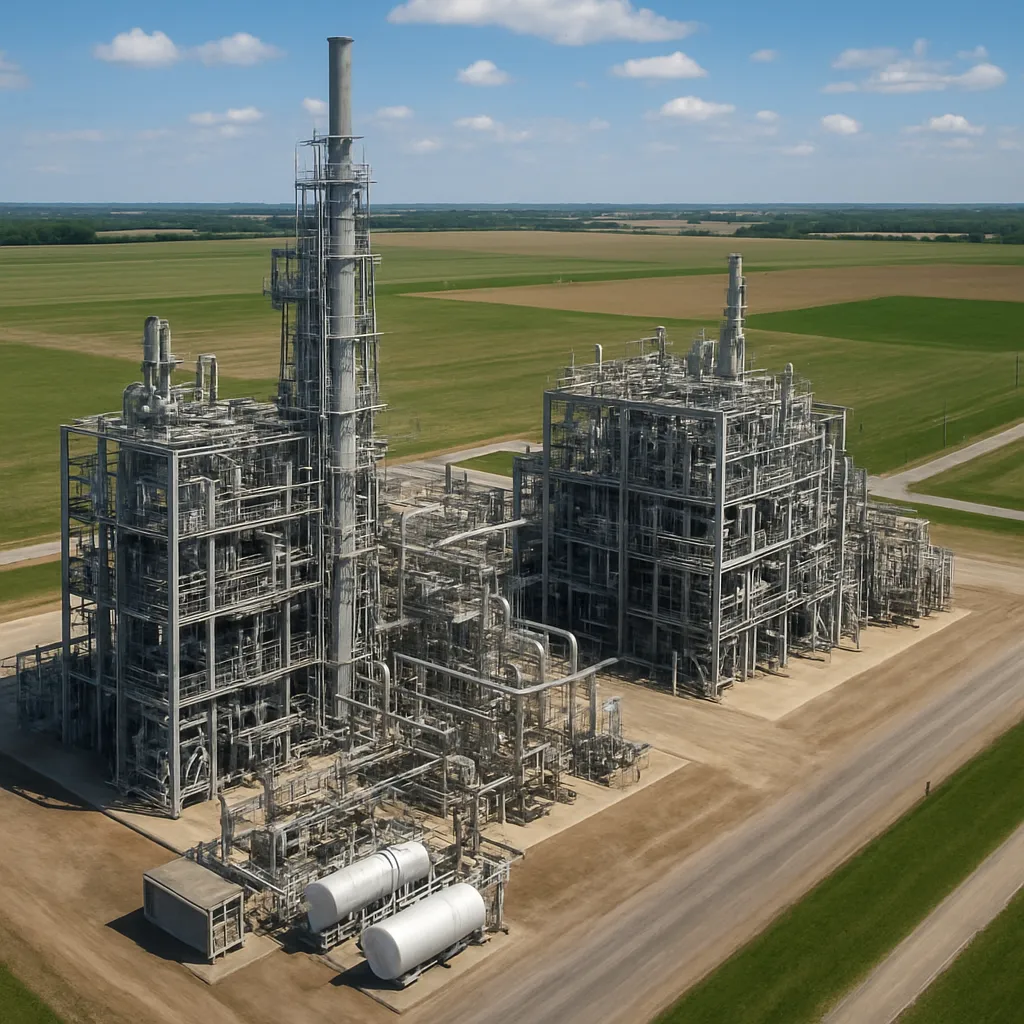
- Partnerships with private industry to co-develop domestic extraction and processing facilities under stringent environmental safeguards.
- Research into substitution materials that can partially replace scarce metals without compromising performance.
By enhancing resilience and adopting a holistic lifecycle perspective, defense planners aim to secure reliable access to essential resources while fostering sustainable supply chain ecosystems.
Environmental and Sustainability Considerations
The extraction and processing of rare metals carry significant environmental footprints. Mining operations can generate vast amounts of waste rock and tailings, leading to soil degradation and water contamination if not managed properly. Chemical separation methods often involve toxic solvents and high-energy consumption, raising questions about long-term ecological impact. In response, the defense sector is increasingly integrating sustainability principles into procurement and research agendas.
Innovations in green metallurgy seek to reduce the ecological cost of metal production. Promising techniques include:
- Bioleaching: Using microorganisms to extract metals from ores, offering lower energy requirements and reduced chemical usage.
- Electrochemical methods: Employing novel electrolytes to selectively separate target elements with minimal byproducts.
- Closed-loop systems: Designing refineries to capture and reuse process water, cutting freshwater withdrawals by up to 90 percent.
Military R&D programs also support remote sensing and AI-driven monitoring to ensure compliance with environmental regulations throughout mining regions. By aligning defense modernization goals with ecological stewardship, nations aim to balance strategic requirements and planetary health.
Future Trajectories and Emerging Innovations
Looking ahead, the convergence of advanced materials research and accelerating geopolitical competition will shape the next wave of defense capabilities. Efforts to develop strategic reserves of not just rare earth elements but also platinum-group metals and next-generation semiconductors are gaining momentum. Breakthroughs in additive manufacturing promise to revolutionize component fabrication, enabling on-demand production of complex metal alloys directly in theater—the so-called “factory on the front line” concept.
Quantum sensing and communication technologies, reliant on isotopically pure materials such as erbium and ytterbium, are poised to redefine secure battlefield networks. At the same time, AI-driven alloy discovery platforms are significantly reducing development timelines by predicting optimal compositions for specific applications. As these trends converge, the defense community must remain agile, continuously adapting supply chain strategies and innovation ecosystems to stay ahead in an era where control over rare metals translates directly into military advantage.