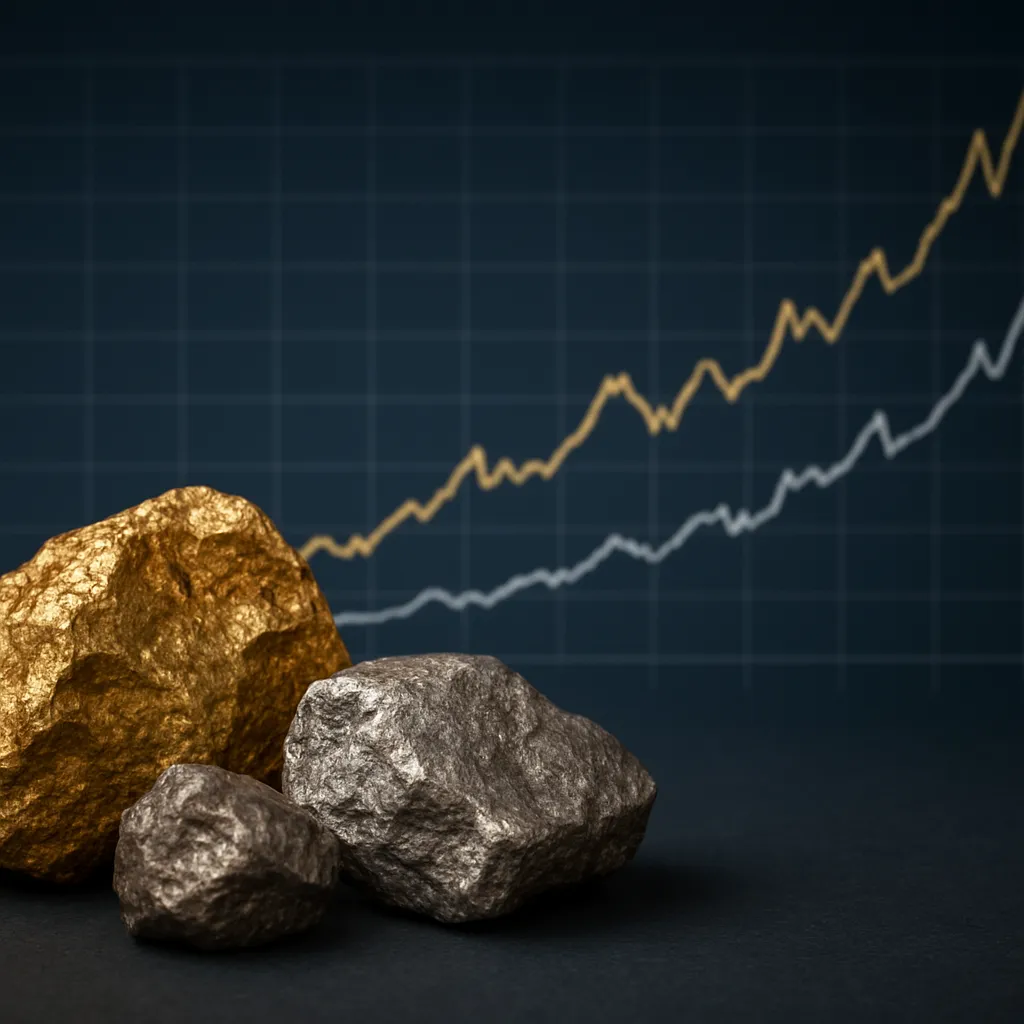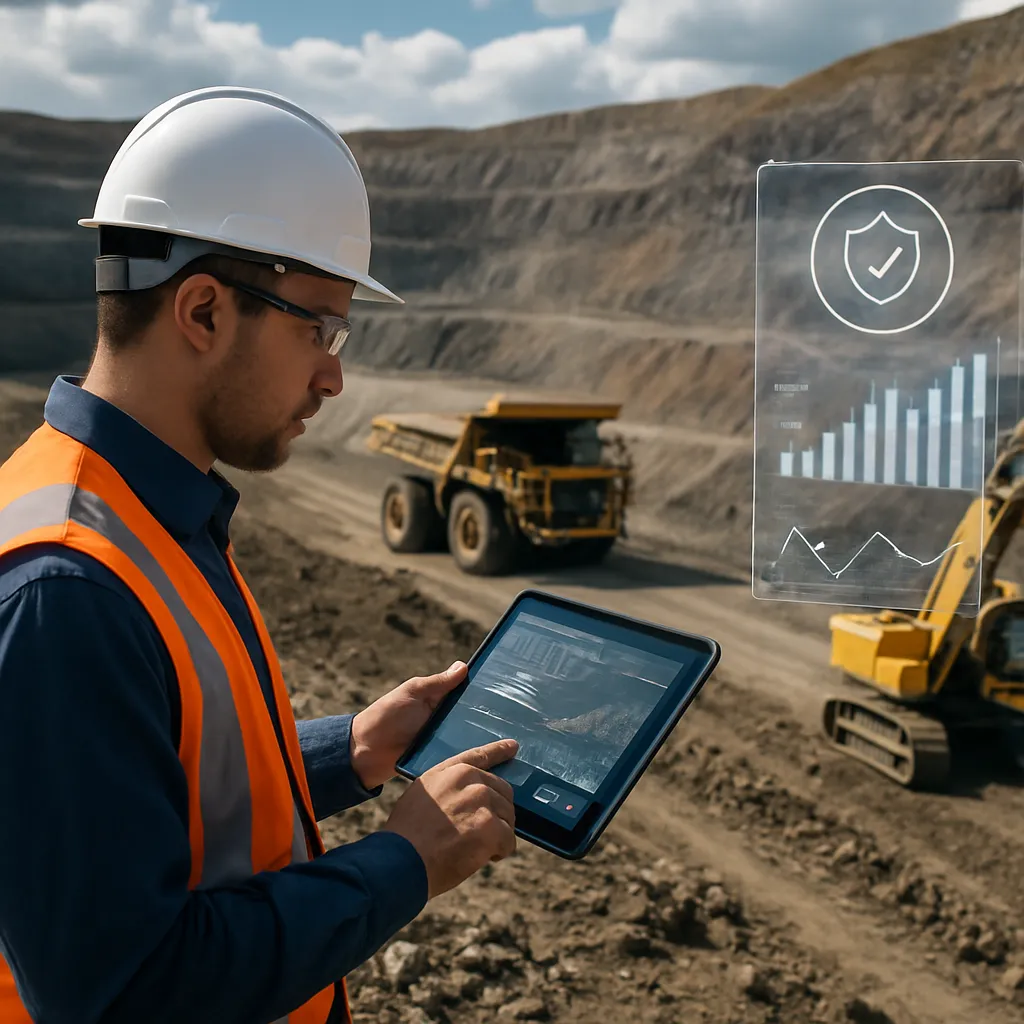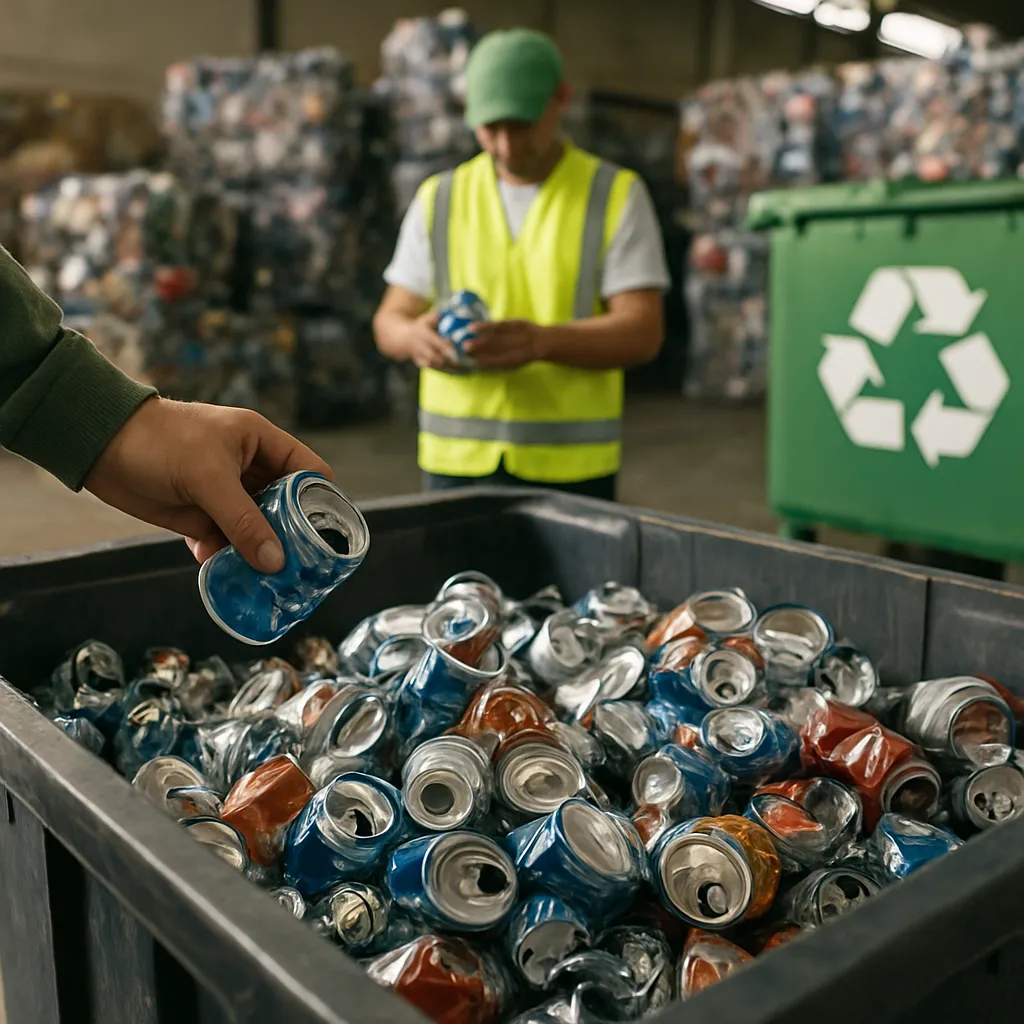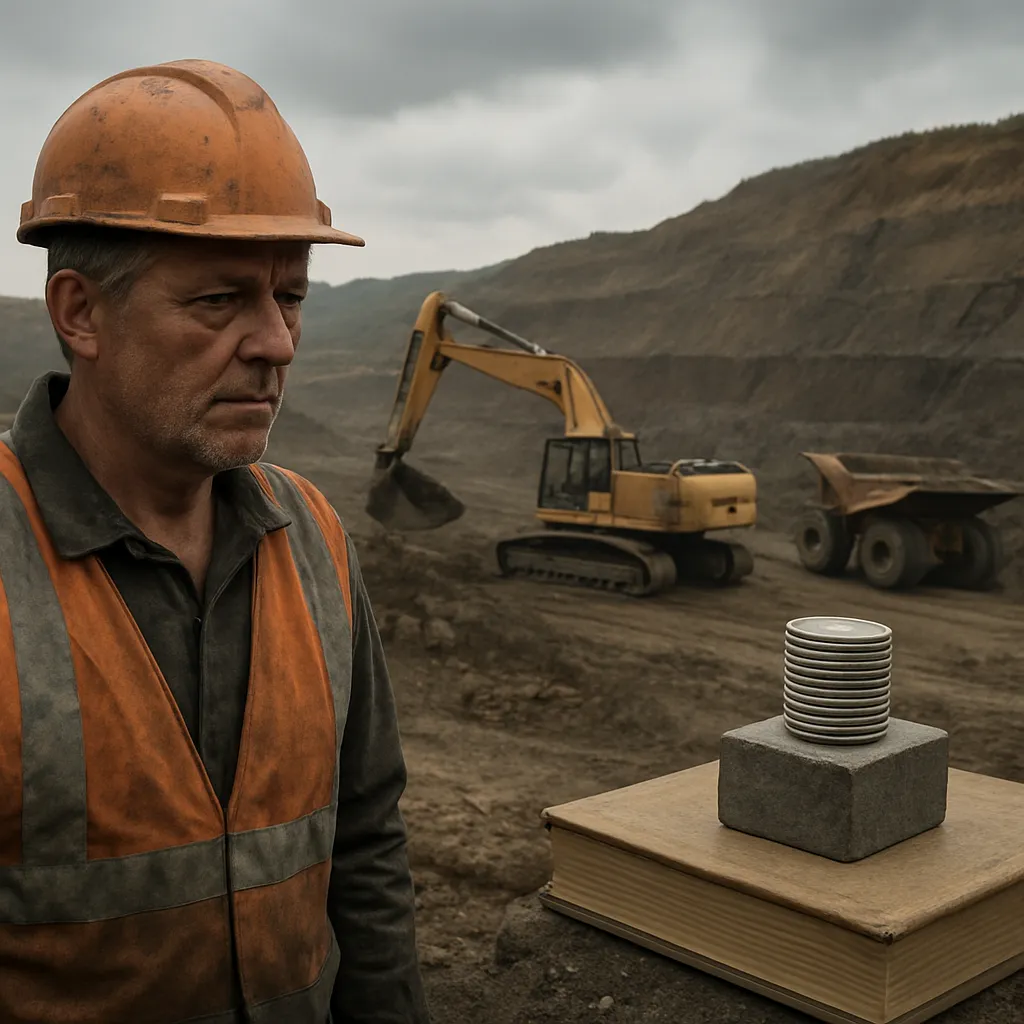
Understanding the multifaceted implications of extracting critical minerals is essential for shaping a sustainable future. As demand for rare metals surges in technologies like electric vehicles and renewable energy systems, a comprehensive methodology to measure the true cost of mining operations becomes paramount. This article explores the environmental, social, and economic dimensions of global rare metal production, identifying key metrics and innovative approaches that drive responsible practices.
1. Environmental Impact Assessment
Evaluating the environmental footprint of critical mineral extraction requires a rigorous analysis of various factors that influence local and global ecosystems. Conventional approaches often focus on direct emissions and waste, but a more expansive framework is necessary to capture the breadth of consequences.
1.1 Lifecycle Analysis
A lifecycle analysis (LCA) tracks every stage of a mineral’s journey—from exploration and extraction to processing, transportation, and end-of-life disposal. This holistic method quantifies resource consumption, greenhouse gas emissions, and pollutant release. Key metrics include:
- Carbon footprint measured in CO₂-equivalent per tonne of ore processed.
- Water usage, considering both freshwater withdrawal and contamination risks.
- Energy intensity, expressed as MJ per kg of refined metal.
- Land disturbance, tracking hectares affected per mine site.
1.2 Biodiversity and Ecosystem Services
Mining operations can lead to habitat loss, species displacement, and altered hydrological cycles. Assessing impacts on biodiversity involves:
- Mapping sensitive zones using remote sensing and GIS tools.
- Valuing ecosystem services, such as carbon sequestration and pollination, in monetary terms.
- Implementing biomonitoring programs to detect changes in flora and fauna populations.
By assigning economic value to ecosystem services, stakeholders can better understand trade-offs between mineral output and natural capital depletion.
1.3 Pollution and Waste Management
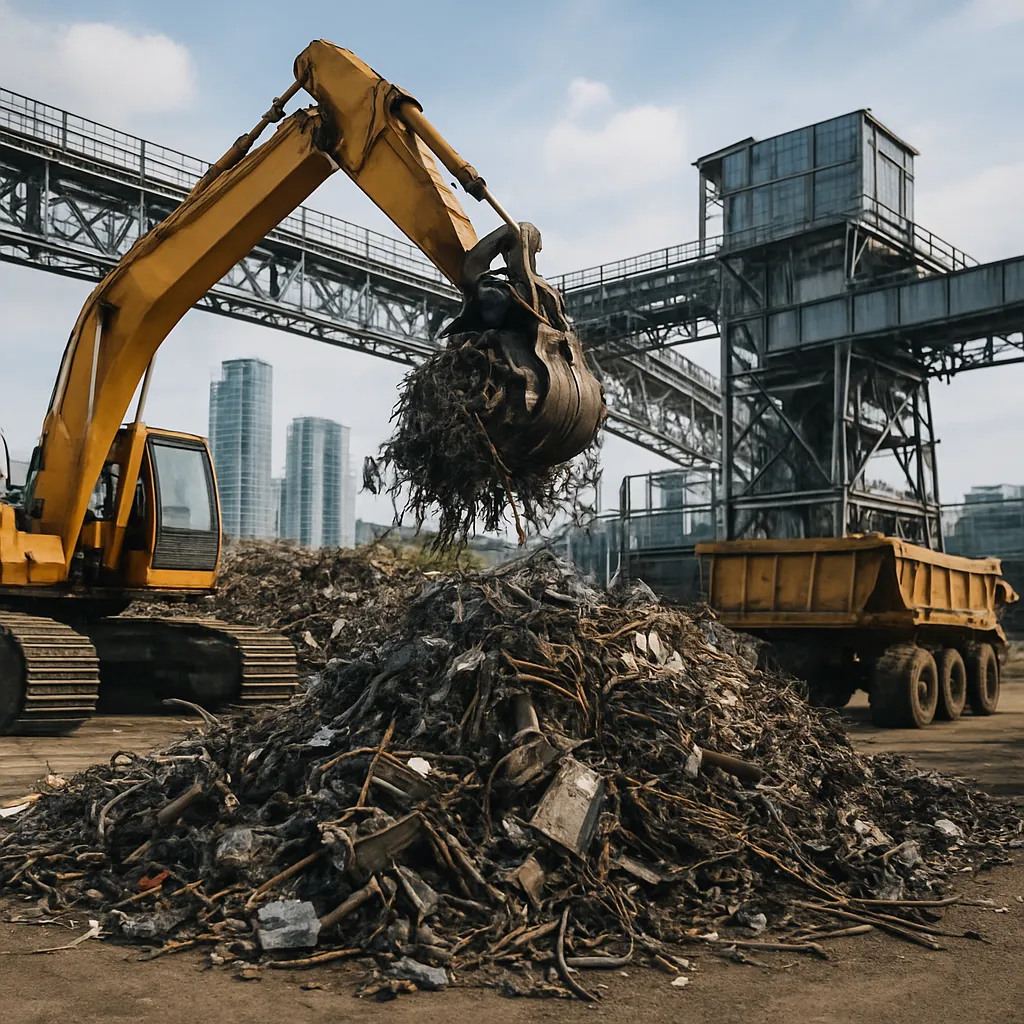
Tailings dams, acid mine drainage, and heavy metal contamination pose severe threats to soil and water quality. Effective measurement demands:
- Continuous water quality monitoring for pH, heavy metals, and turbidity.
- Quantification of mine tailings volume and chemical composition.
- Adoption of circular economy principles to divert waste streams into secondary uses.
Regulators and companies must establish transparent reporting on pollutant discharges, ensuring communities and investors have access to real-time data on environmental risks.
2. Social and Economic Externalities
Beyond environmental costs, critical mineral extraction influences social structures, community well-being, and economic stability. Capturing these externalities helps to align mining practices with principles of equitable development.
2.1 Community Health and Safety
Local populations often bear the brunt of mining-related health hazards. A robust impact assessment tracks:
- Incidence of respiratory illnesses and waterborne diseases in adjacent communities.
- Occupational safety records, including injury and fatality rates in mines.
- Access to healthcare services and mitigation measures for affected residents.
Incorporating community health indices into project appraisals ensures that companies internalize the cost of medical infrastructure and preventative programs.
2.2 Social License to Operate
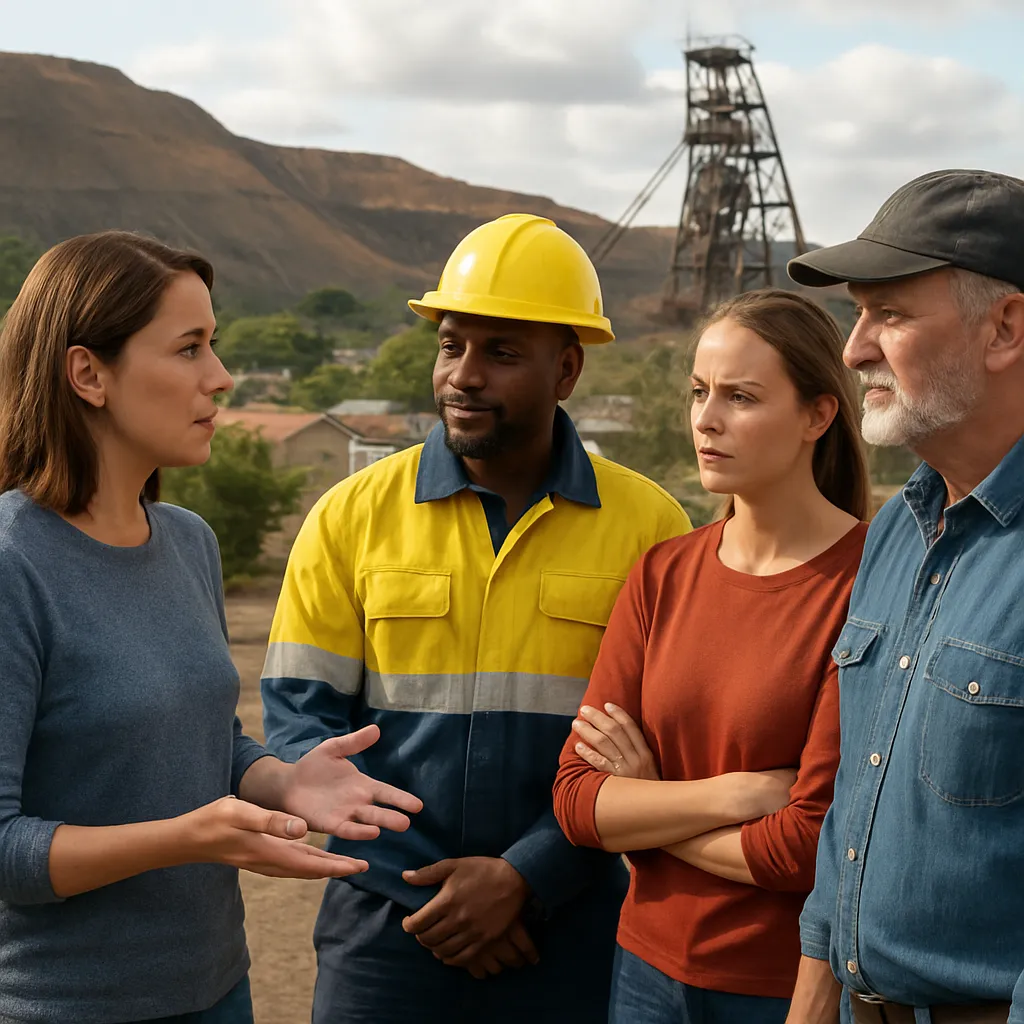
The concept of social license refers to community approval for mining projects. Key aspects include:
- Free, prior, and informed consent (FPIC) processes with Indigenous and local groups.
- Fair compensation mechanisms for land use and cultural heritage impacts.
- Stakeholder engagement forums to maintain ongoing dialogue.
Failure to secure genuine participation often leads to project delays, protests, or legal challenges, significantly raising the cost of extraction.
2.3 Economic Multipliers and Local Development
Critical mineral projects can catalyze regional growth through job creation and infrastructure development. However, disproportionate benefits sometimes accrue to outside investors. To measure true economic impact, analysts consider:
- Local employment ratios and skill-development programs.
- Revenue-sharing agreements between companies, governments, and communities.
- Long-term investments in education, healthcare, and transportation.
A balanced cost framework acknowledges both immediate financial returns and the resilience of local economies after mine closure.
3. Supply Chain Transparency and Governance
Ensuring ethical sourcing of rare metals hinges on transparent supply chains and robust governance structures. Proper oversight not only mitigates risks but also builds investor confidence in the sustainability of mineral markets.
3.1 Traceability Technologies
Blockchain, satellite imagery, and digital tagging enable end-to-end tracking of mineral flows. These technologies offer:
- Immutable ledgers that record every transaction from mine to manufacturer.
- Geospatial verification of extraction sites to detect unauthorized operations.
- Real-time data sharing across stakeholders, improving transparency.
By adopting these tools, companies can demonstrate compliance with international regulations and avoid association with conflict minerals.
3.2 Regulatory Frameworks and Standards
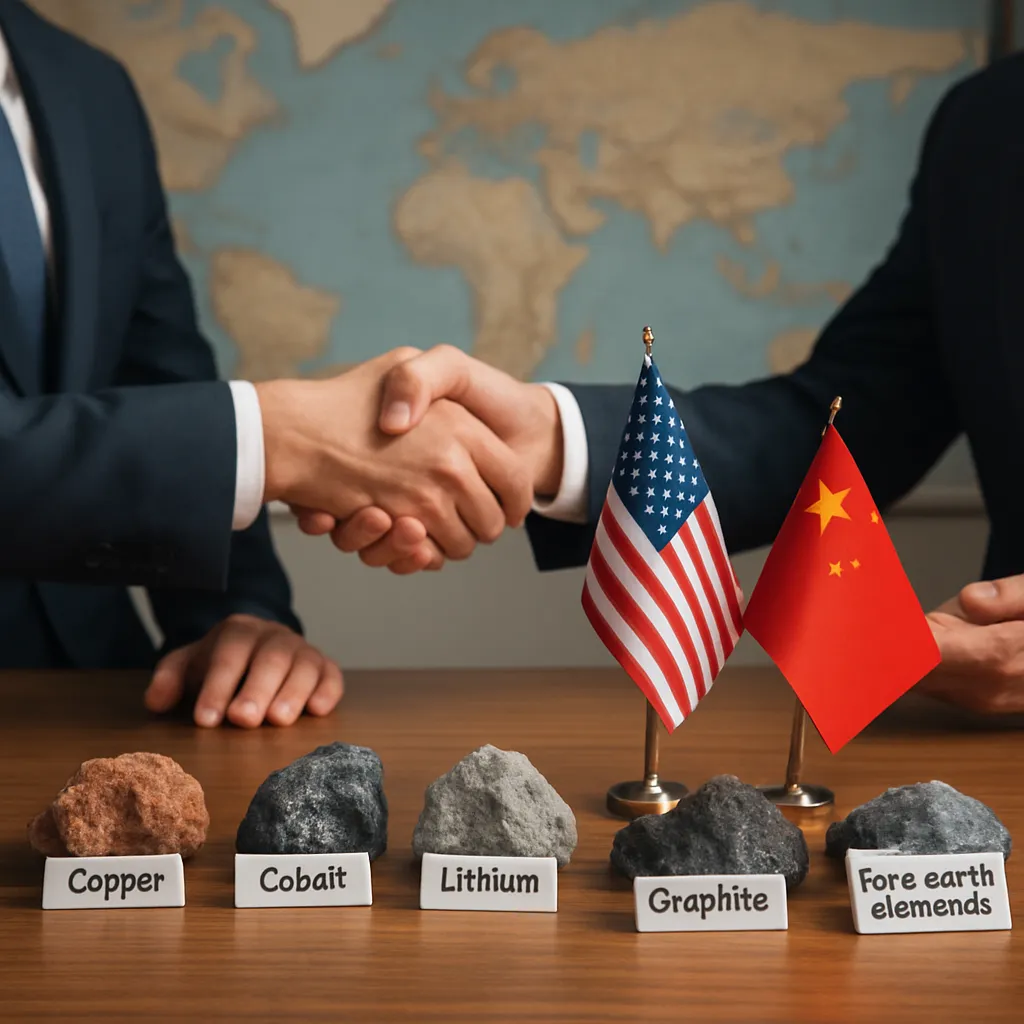
Harmonizing global standards is crucial for consistent measurement of mining costs. Key frameworks include:
- OECD Due Diligence Guidance for Responsible Supply Chains.
- International Council on Mining and Metals (ICMM) principles.
- ISO 14001 Environmental Management Systems certification.
Integrating these standards into corporate governance ensures that environmental, social, and economic metrics are systematically reported and audited.
3.4 Innovative Financing Models
Novel financial mechanisms can embed true cost accounting into capital flows. Examples range from:
- Green bonds, which tie interest rates to sustainability performance.
- Impact investing funds that allocate capital based on social and environmental returns.
- Insurance products rewarding companies with superior governance and risk management practices.
These models encourage companies to internalize externalities and seek continuous improvement in resource stewardship.
Integration of multi-stakeholder collaboration, advanced analytics, and forward-looking policies will shape the future of critical mineral extraction. By accounting for every dimension of cost—from ecological degradation to social disruption and governance lapses—industry players, regulators, and communities can forge pathways toward truly sustainable and responsible sourcing.