The rapid acceleration of digitalization, renewable energy deployment, and advanced defense systems has propelled rare metals to the forefront of global strategic discussions. Nations worldwide are grappling with supply constraints, tiered processing capabilities, and concentrated reserves. Achieving technological sovereignty through rare metal independence demands a holistic approach—balancing resource exploration, diversified trade partnerships, robust recycling frameworks, and cutting-edge substitution research. This article examines key dynamics shaping the rare metals landscape, highlights strategic supply chain vulnerabilities, and explores pathways toward a more autonomous and resilient future.
Global Dynamics of Rare Metal Scarcity
The supply of critical metals such as lithium, cobalt, nickel, and rare earth elements is subject to multiple pressures. Geological deposits are geographically concentrated in regions that often pose political or logistical challenges. Moreover, ramping up production requires time-consuming feasibility studies, environmental impact assessments, and significant capital investment in mining infrastructure. These factors contribute to pronounced supply-demand imbalances:
- High demand for electric vehicle batteries increases pressure on lithium and nickel reserves.
- Permanent magnet manufacturing for wind turbines and defense systems relies heavily on neodymium and dysprosium from a handful of producers.
- Scarcity-driven price volatility undermines long-term project planning in high-tech industries.
In spite of rich geological potential, extraction rates are constrained by environmental regulations and community concerns. Accelerating mine permitting, incorporating sustainable practices, and enhancing ore recovery techniques are critical to boosting global yields. Nations with underutilized deposits face an opportunity to emerge as new players, provided they invest in modern extraction technologies and transparent governance frameworks.
Strategic Supply Chains and Geopolitics
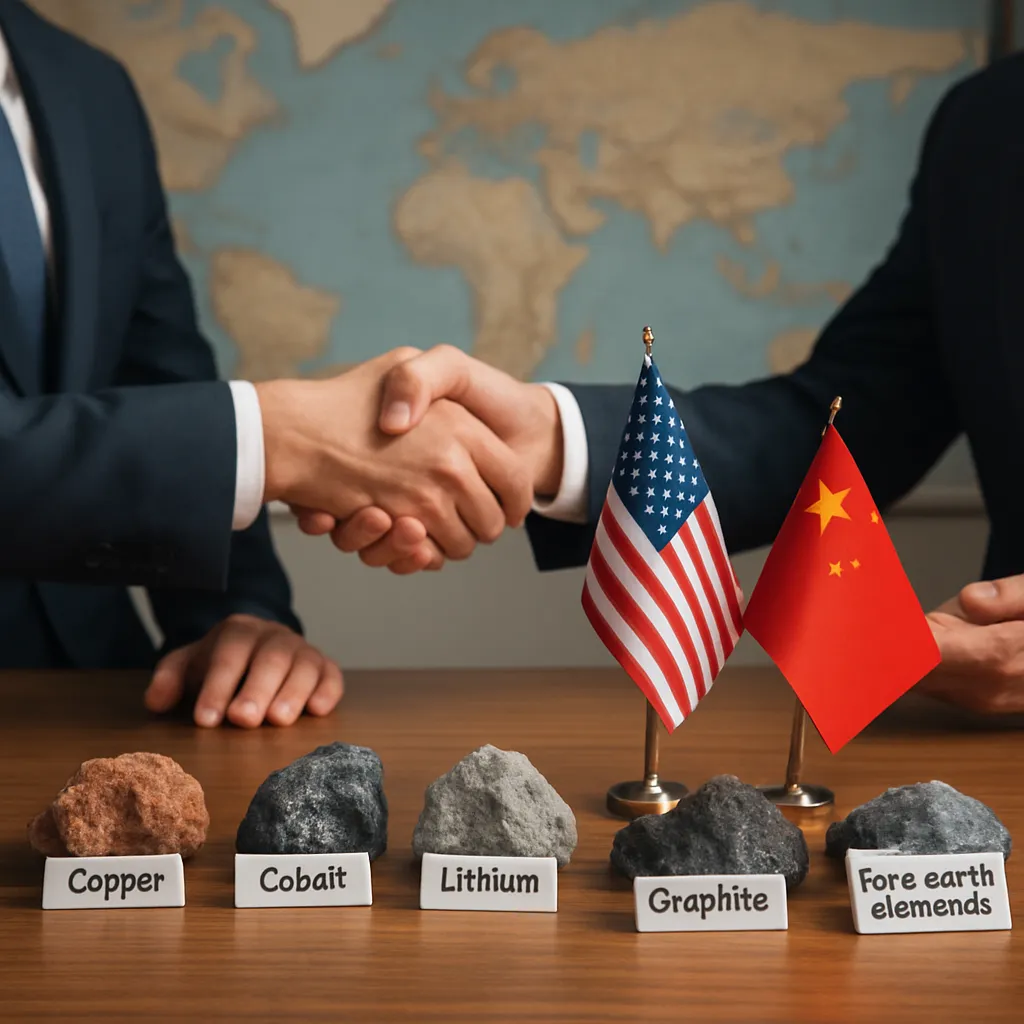
Rare metals occupy a unique intersection of geopolitics and economic competitiveness. Countries that control both mining and processing channels can exert substantial influence over downstream industries. Efforts to secure long-term offtake agreements have given rise to complex trade alliances and resource-backed financing deals. Key considerations include:
- State-driven investments in overseas deposits to guarantee future material flows.
- Joint ventures aimed at sharing advanced smelting and refining know-how.
- Political risk insurance and stockpiling strategies to buffer against supply disruptions.
Dominant exporters can deploy export quotas or tariffs, forcing importers to accelerate local production or invest in alternative sources. Such tactics heighten the need for diversification of supply chains. Countries and corporations are now evaluating second- and third-tier suppliers to spread risk. Strategic reserves are being established, but these require substantial capital and storage expertise. The evolving geopolitical chessboard underscores that resilience in rare metal procurement is as much about diplomatic relations as it is about geological endowments.
Technological Innovation and Circular Economy
Long-term independence from external suppliers hinges on breakthroughs in material science and closed-loop economies. Global research initiatives focus on three core pillars:
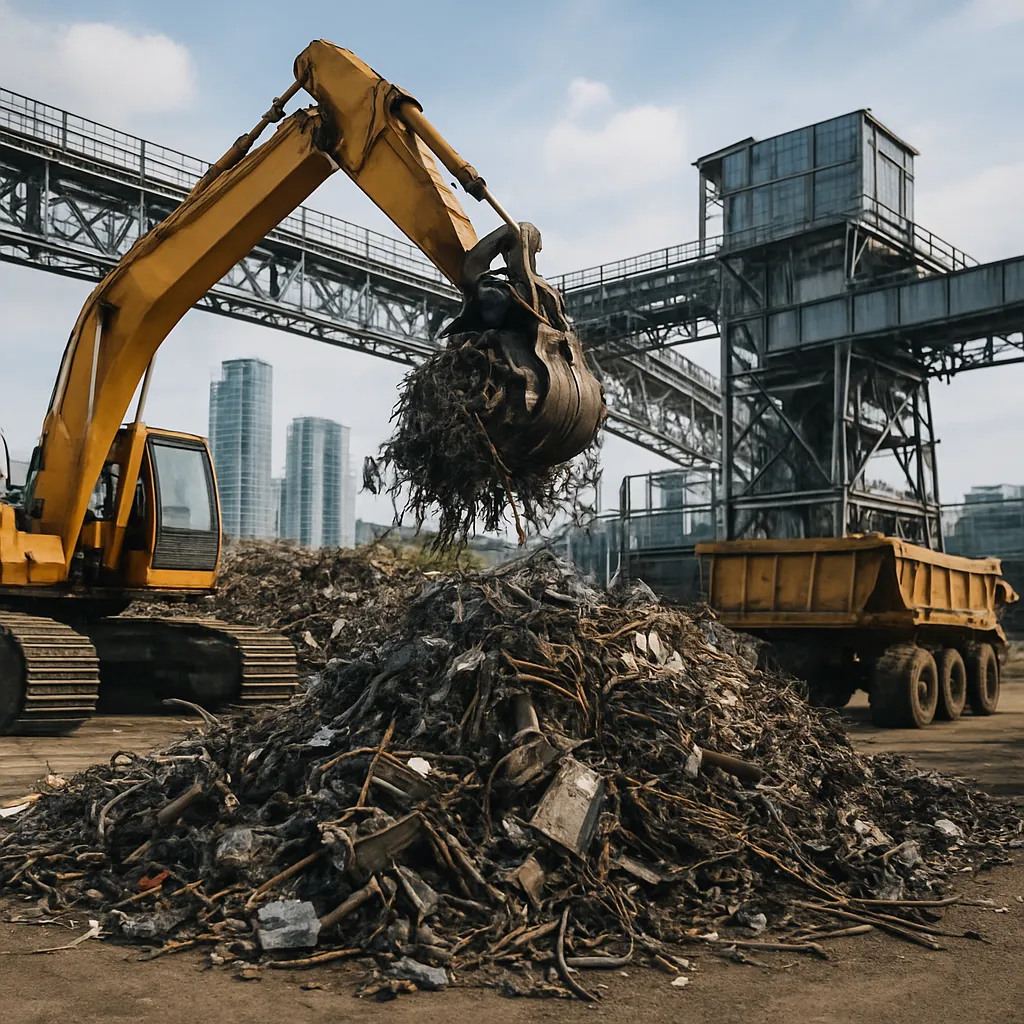
- Recycling and urban mining: Recovering metals from discarded electronics, batteries, and industrial waste streams.
- Alternative chemistries: Developing substitutes or low-rare-earth alloys that deliver comparable performance.
- Process optimization: Enhancing metallurgical yields and reducing environmental footprints via novel solvents, bioleaching, and plasma-based methods.
Recycling infrastructure is expanding, but current collection rates remain low, often below 20% for many critical minerals. Scaling up requires local regulatory incentives, standardized labeling for end-of-life products, and cross-border frameworks for waste transport. Simultaneously, materials scientists are exploring high-entropy alloys and doped ceramics to substitute rare earths in permanent magnets. While these technologies offer promise, commercialization pathways depend on extensive testing under extreme temperature and magnetic field conditions.
Innovative Case Studies
In Europe, collaborative clusters link automotive OEMs, battery recyclers, and universities to pilot modular recycling hubs. In North America, government grants are fostering partnerships that deploy advanced sorting robots and AI-driven process controls. Meanwhile, Asia-Pacific researchers are experimenting with biorecovery using metal-accumulating bacteria, potentially reducing energy consumption by up to 60% compared to conventional hydrometallurgy.
Pathways to Independence and Sovereignty
Achieving true autonomy in rare metals requires a multipronged strategy that encompasses resource diplomacy, domestic industrial revitalization, and environmental stewardship. Proposed measures include:
- Strategic exploration programs to map untapped deposits in underexplored regions.
- Public-private partnerships to finance state-of-the-art extraction and refining facilities.
- Tax credits and grants for companies investing in local recycling centers and material recovery plants.
- International consortia to create transparent trading platforms, reducing price speculation and promoting fair competition.
- Investment in workforce training, covering advanced metallurgy, environmental remediation, and data-driven resource management.
In parallel, nations must integrate sustainability into every stage of the value chain. This involves minimizing greenhouse gas emissions, safeguarding biodiversity in mining zones, and ensuring equitable benefit-sharing with local communities. Technology parks and innovation clusters can serve as hubs where raw material research converges with manufacturing prowess, driving a virtuous cycle of innovation and economic growth.
Ultimately, rare metal independence is not just a technical goal but a strategic imperative. By combining resource diversification, circular economy principles, and cooperative international frameworks, countries can fortify their industrial bases, mitigate supply risks, and secure a more sustainable and prosperous future.