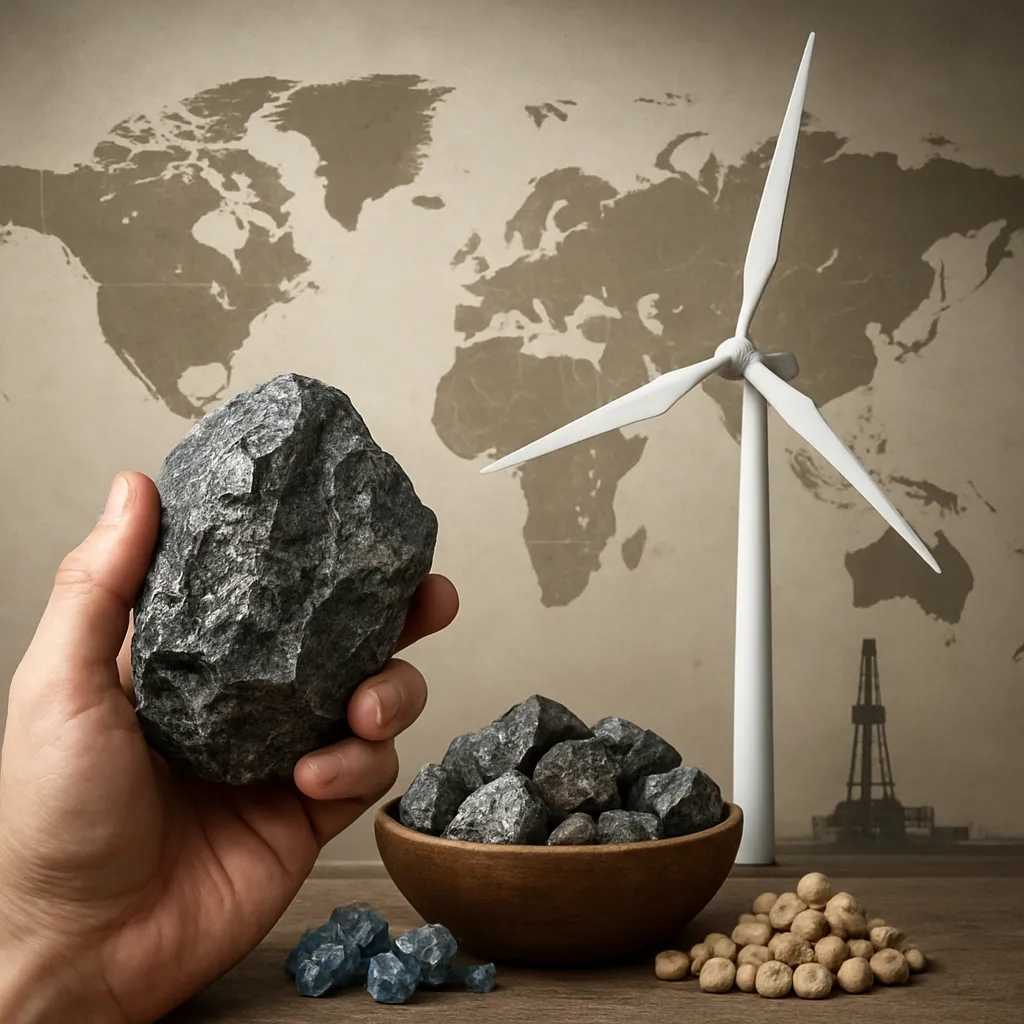
The accelerating shift toward renewable energy and electric mobility has thrust critical minerals into the global spotlight. These rare earth elements and specialty metals are essential components in wind turbines, solar panels, batteries, and advanced electronics. Competition for secure supplies is intensifying, reshaping alliances, trade patterns, and strategic calculations. This article examines the distribution of mineral reserves, the complex geopolitics that govern their trade, the environmental and social repercussions of extraction, and the role of technological innovation in fostering a more resilient supply chain.
Resource Distribution and Strategic Dependencies
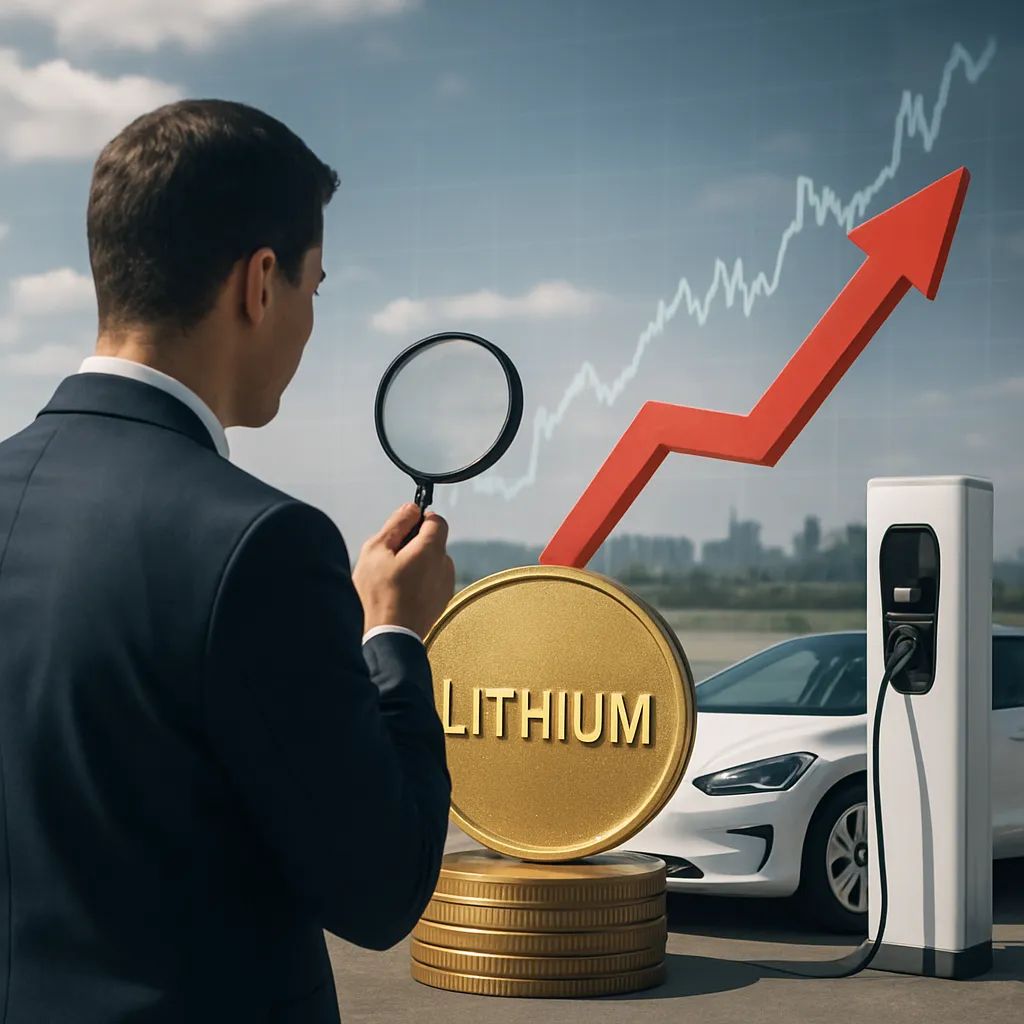
Geological surveys confirm that only a handful of countries control the bulk of global reserves for critical minerals. For instance, China dominates production of rare earth elements, accounting for over 60% of output and supplying key inputs for magnets used in electric vehicles and wind turbines. Australia and the United States hold significant deposits of lithium, cobalt, and nickel, but their extraction capacity remains constrained by investment cycles and regulatory hurdles.
Many nations have begun to recognize resource nationalism as a lever of economic and political influence. Export quotas, higher royalties, and stricter environmental regulations can be deployed to limit foreign access or to extract greater value domestically. Such policies heighten the risk of supply disruptions, pushing consuming countries to diversify import sources and to forge strategic alliances.
- Lithium Triangle: Argentina, Bolivia, and Chile control more than half of known lithium brine reserves.
- Cobalt Belt: The Democratic Republic of Congo produces roughly 70% of the world’s cobalt but faces challenges related to labor practices and governance.
- Rare Earth Ring: China, Australia, and Myanmar hold the largest accessible rare earth reserves, prompting other states to explore alternative sites in India, the U.S., and Greenland.
In seeking supply security, major economies are investing in joint ventures, stockpiling strategic inventories, and incentivizing domestic mining through tax credits and expedited permitting. This race for resources underscores the growing intersection between energy policy and foreign relations.
Environmental and Social Dimensions of Extraction
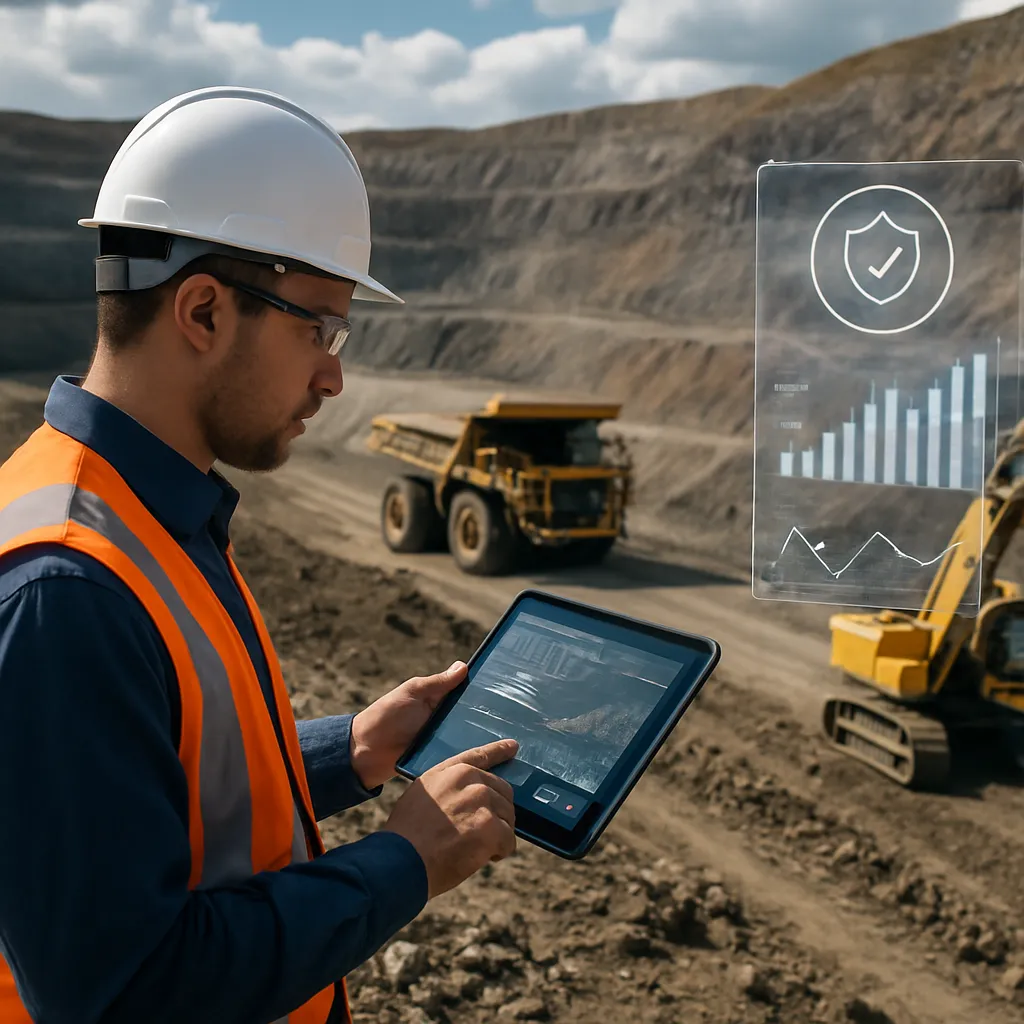
Extracting and processing critical minerals often generates substantial ecological footprints. Tailings dams, acid mine drainage, and heavy water usage can lead to land degradation, water pollution, and biodiversity loss. For example, rare earth extraction in some regions has resulted in toxic waste ponds and increased cancer rates among local communities.
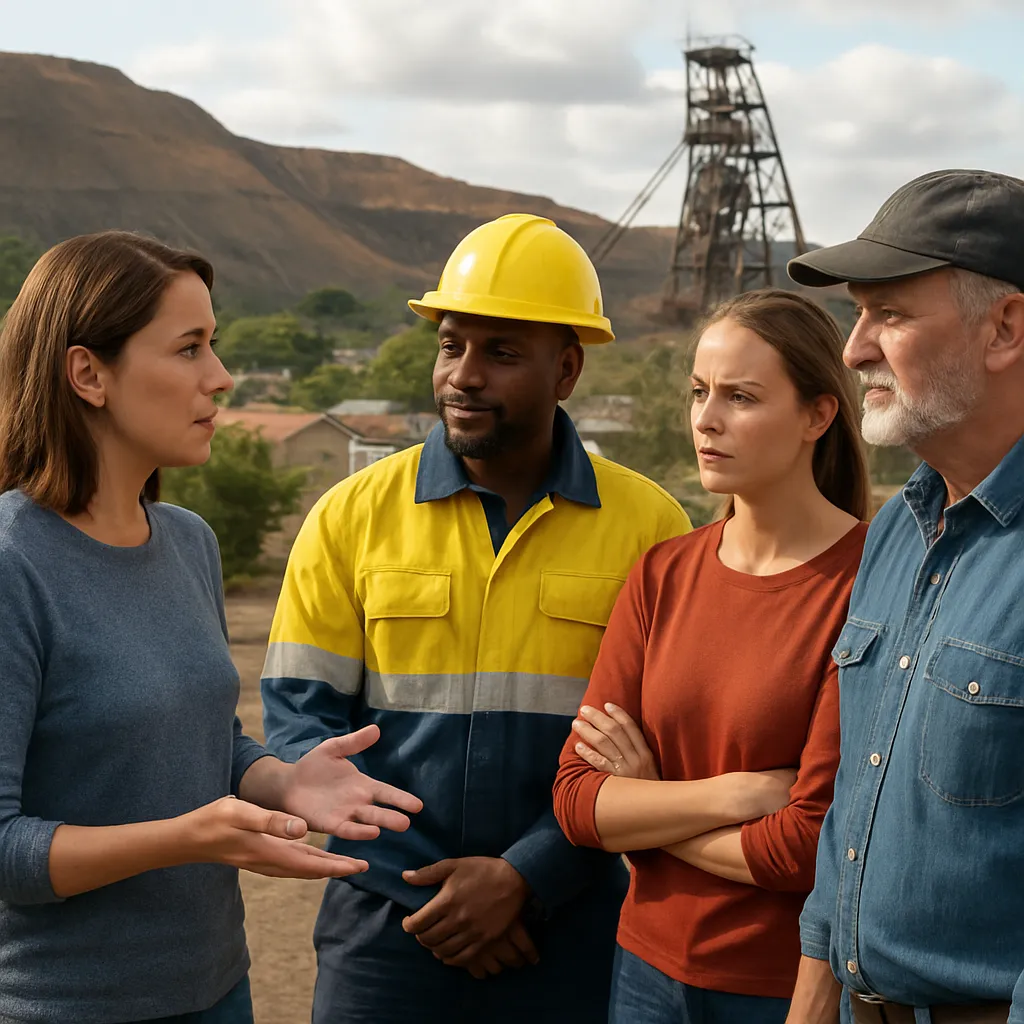
Beyond pure ecology, social factors play a pivotal role. Indigenous territories are increasingly targeted for mining, sparking conflicts over land rights and cultural heritage. Community consent, benefit-sharing agreements, and rigorous social impact assessments are no longer discretionary but vital for project viability.
International frameworks, non-governmental organizations, and industry coalitions are advocating for stronger standards:
- Responsible Sourcing Codes—Voluntary commitments to ensure transparency and traceability throughout the supply chain.
- Environmental Impact Assessments—Mandatory studies that evaluate cumulative effects and propose mitigation strategies.
- Community Engagement Protocols—Mechanisms for free, prior, and informed consent where Indigenous groups hold title or customary rights.
Upholding sustainability in mineral projects is not just an ethical imperative but also a risk-management strategy. Firms that ignore social license may face costly delays, legal injunctions, or reputational damage that can halt production indefinitely.
Strategic Alliances and Trade Dynamics
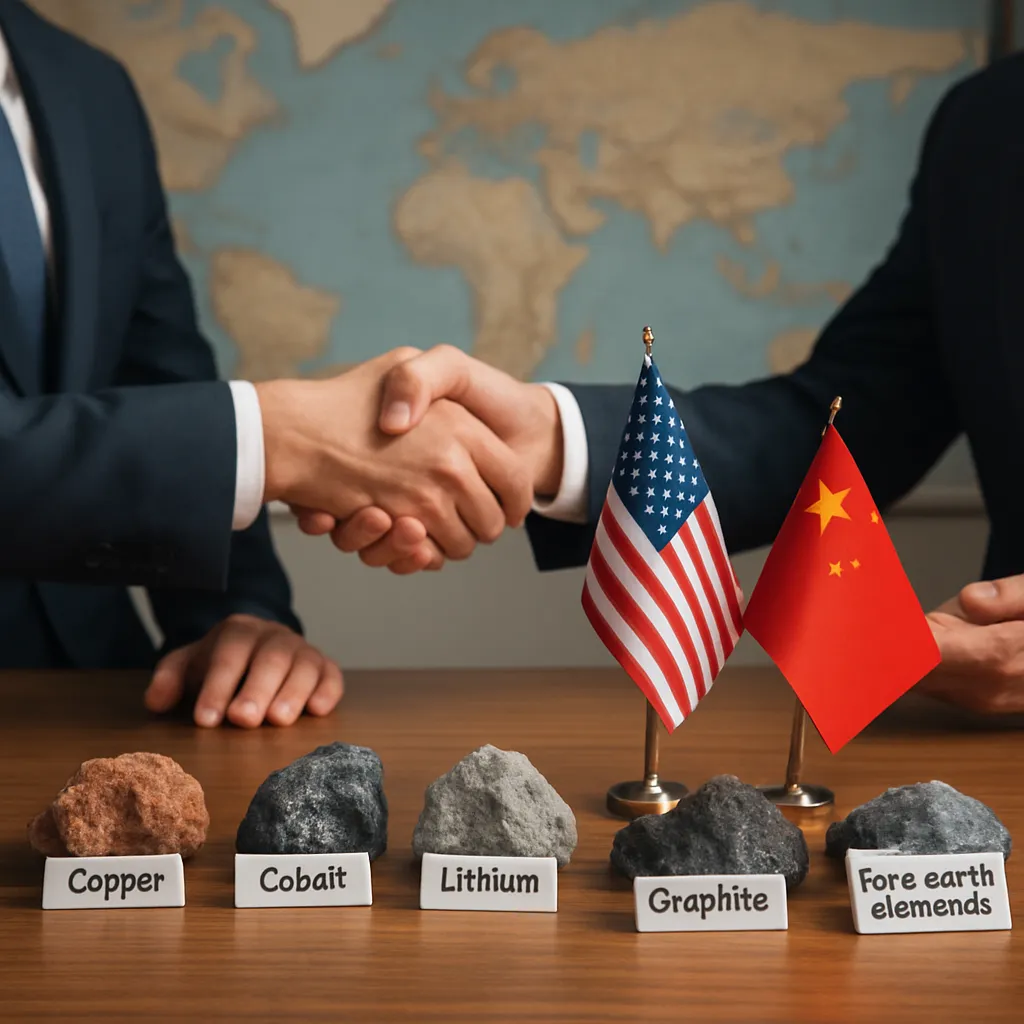
The scramble for critical minerals is prompting the formation of new alliances and trade partnerships. In Asia, bilateral accords between Japan and Australia secure lithium and nickel shipments. The European Union has launched its Raw Materials Initiative to identify strategic dependencies and to develop domestic processing capabilities.
Meanwhile, the United States has invoked the Defense Production Act to accelerate domestic mining and to fund research into alternative materials. Washington’s emphasis on nearshoring and onshoring has led to investment incentives for projects in friendly jurisdictions, as well as efforts to build a robust refining and recycling base onshore.
Supply-chain resilience is also being bolstered through multilateral frameworks:
- International Energy Agency (IEA) analyses to project demand and to guide policy interventions.
- Government-backed consortia supporting technological innovation in extraction techniques and in waste minimization.
- Trade pacts with clauses addressing export controls, anti-dumping measures, and dispute-resolution mechanisms specific to critical minerals.
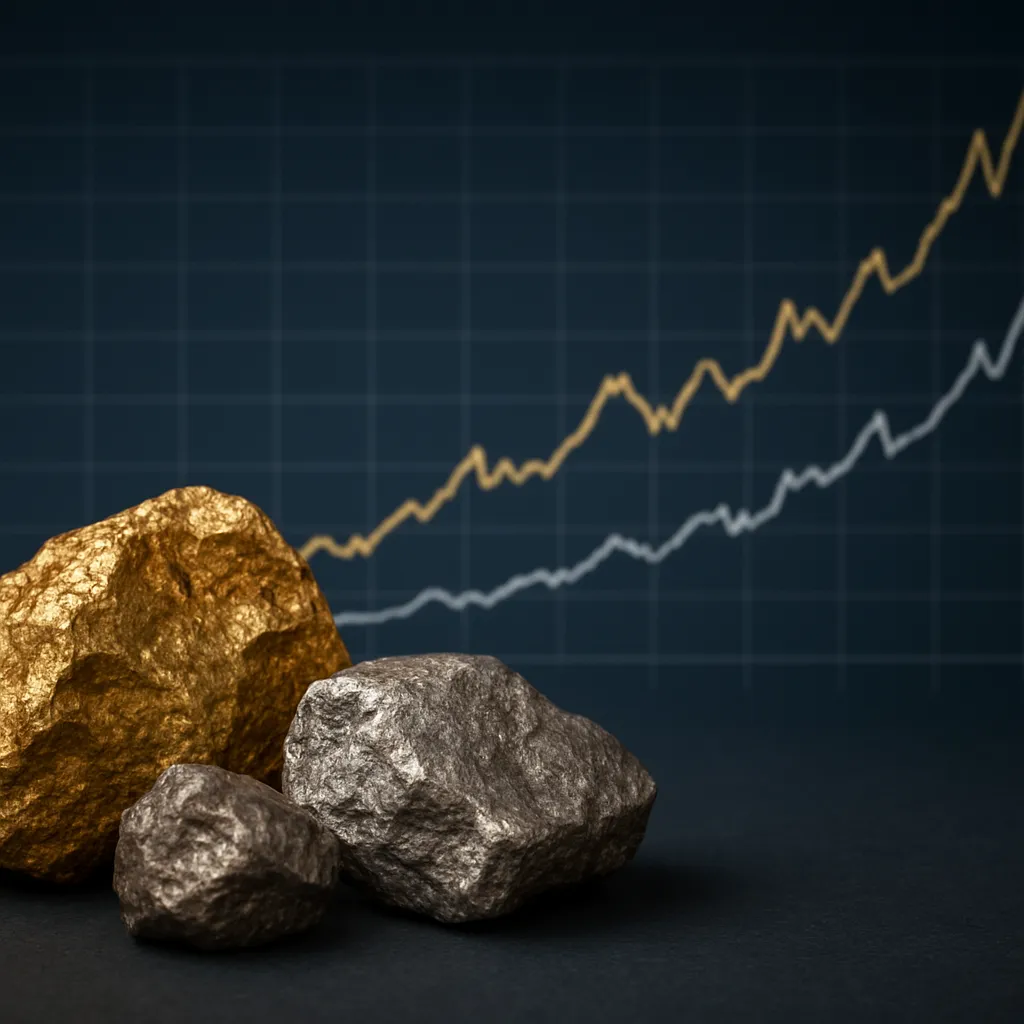
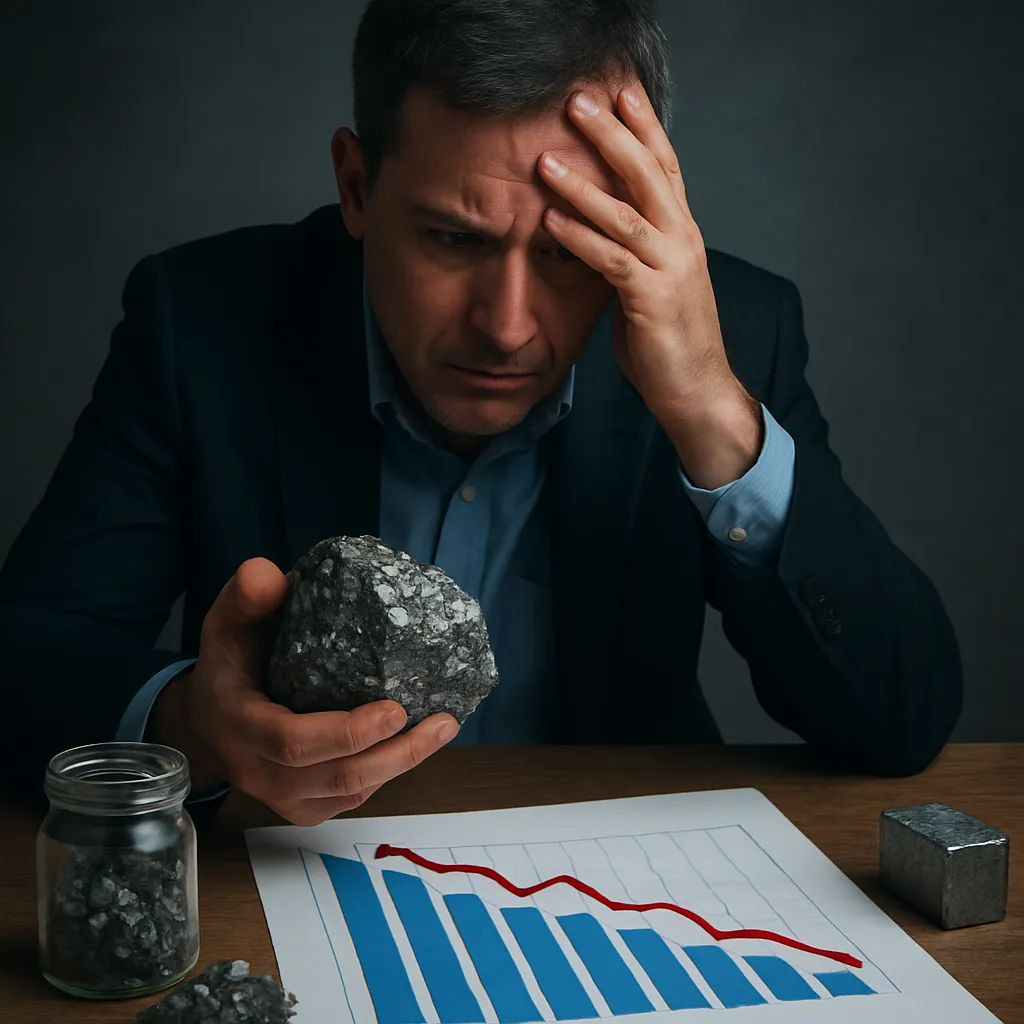
However, geopolitical tensions can disrupt even the most carefully constructed networks. Sanctions on major producers, maritime chokepoint blockades, or sudden nationalizations can trigger price spikes and force consumers to scramble for alternatives. As a result, transparency and real-time market data have become invaluable tools for both policymakers and industry leaders.
Technological Pathways and Circular Economy
Innovation is emerging as a powerful counterbalance to resource constraints. Advanced extraction methods, such as direct lithium extraction and solvent-based rare earth separations, promise higher yields with reduced environmental impact. Simultaneously, improvements in battery chemistry—like solid-state and sodium-ion technologies—could lessen dependence on cobalt and nickel.
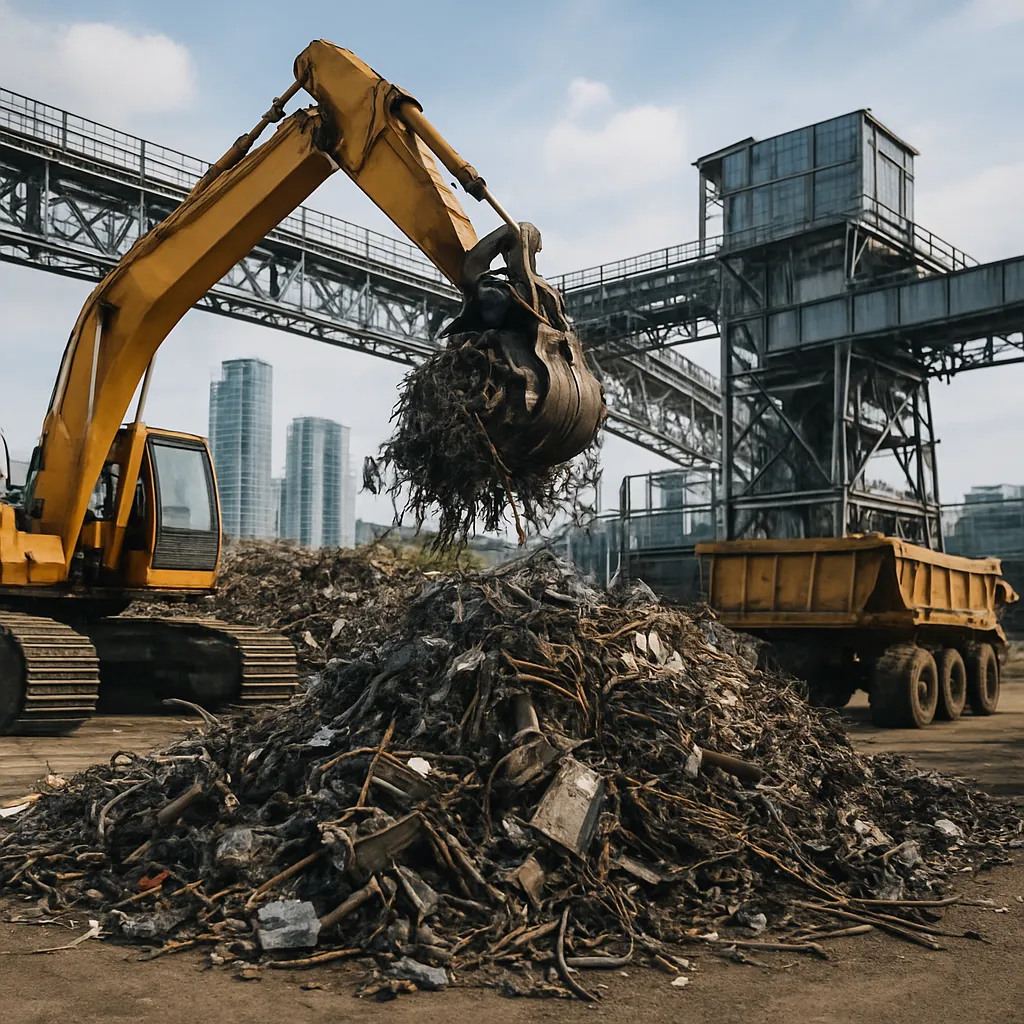
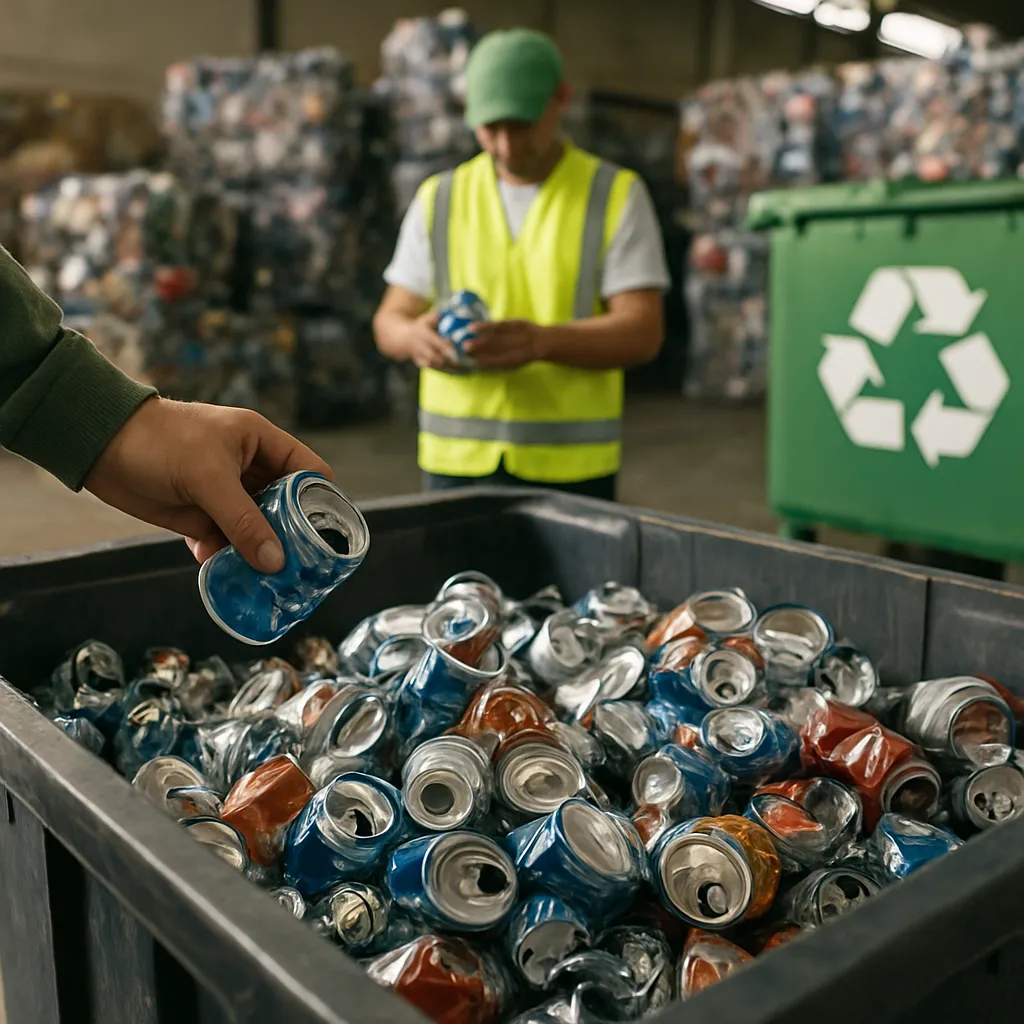
Recycling and recycling infrastructure are equally crucial. Currently, less than 10% of lithium-ion batteries are recycled globally. Scaling up recovery facilities for lithium, nickel, cobalt, and rare earth elements would open up secondary supply streams and mitigate waste management challenges.
- Urban Mining: Harvesting metals from electronic waste in densely populated regions.
- Design for Disassembly: Engineering devices to simplify material separation at end of life.
- Digital Traceability: Blockchain and sensor networks to verify ore provenance and to ensure compliance with environmental and social standards.
By integrating these technological innovation and circular economy approaches, stakeholders can reduce risk exposure, diminish carbon footprints, and enhance the overall resilience of the energy transition supply chain. A diversified strategy—combining supply diversification, robust standards, and breakthrough R&D—will be essential for navigating the complex landscape of global rare earth elements and other critical minerals.