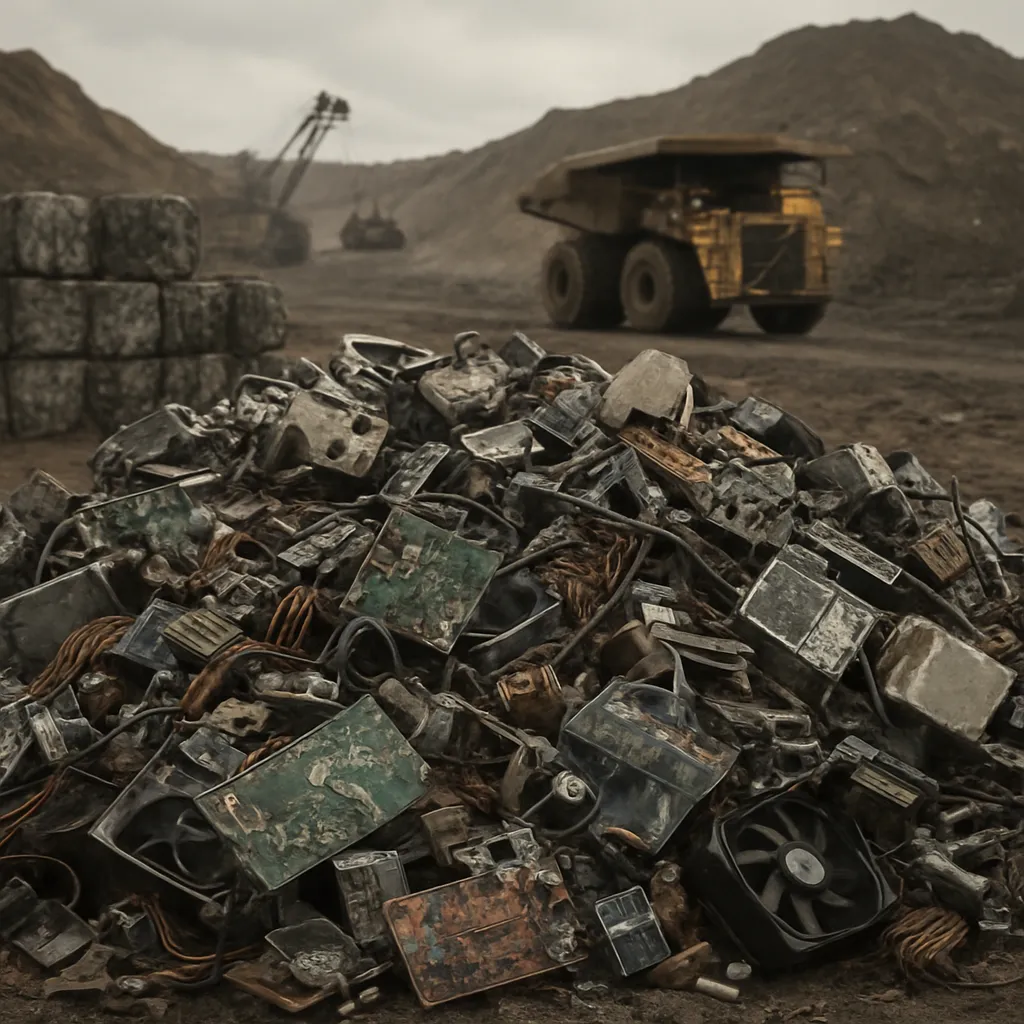
The accelerating transition to clean energy and advanced electronics has driven global demand for rare metals to unprecedented levels. From electric vehicle motors to wind turbine generators and high-performance batteries, these critical minerals underpin technological progress and national security. As governments and industries seek to secure steady sources of cobalt, lithium, neodymium and other scarce elements, a narrative has grown around the promise of recycling as the silver bullet. Yet experts warn that recycling alone cannot satisfy the relentless upswing in consumption. Understanding why requires a deep dive into supply dynamics, technological hurdles and strategic imperatives beyond mere waste processing.
Supply and Demand Dynamics in the Rare Metals Market
Global industrialization trends and ambitious climate targets have eroded traditional lead times between mine development and consumer deployment. Strategic forecasts predict that lithium-ion batteries could require up to 1.7 million metric tons of lithium by 2030—more than ten times current production. Meanwhile, the permanent magnets used in wind turbines rely heavily on neodymium and dysprosium, elements concentrated in just a handful of locations. Within this context, the supply chain for rare metals faces multiple stressors:
- Constrained mine output due to lengthy permitting processes and environmental concerns
- Volatile pricing driven by speculative trading and geopolitical tensions
- Uneven global distribution of reserves, creating strategic chokepoints
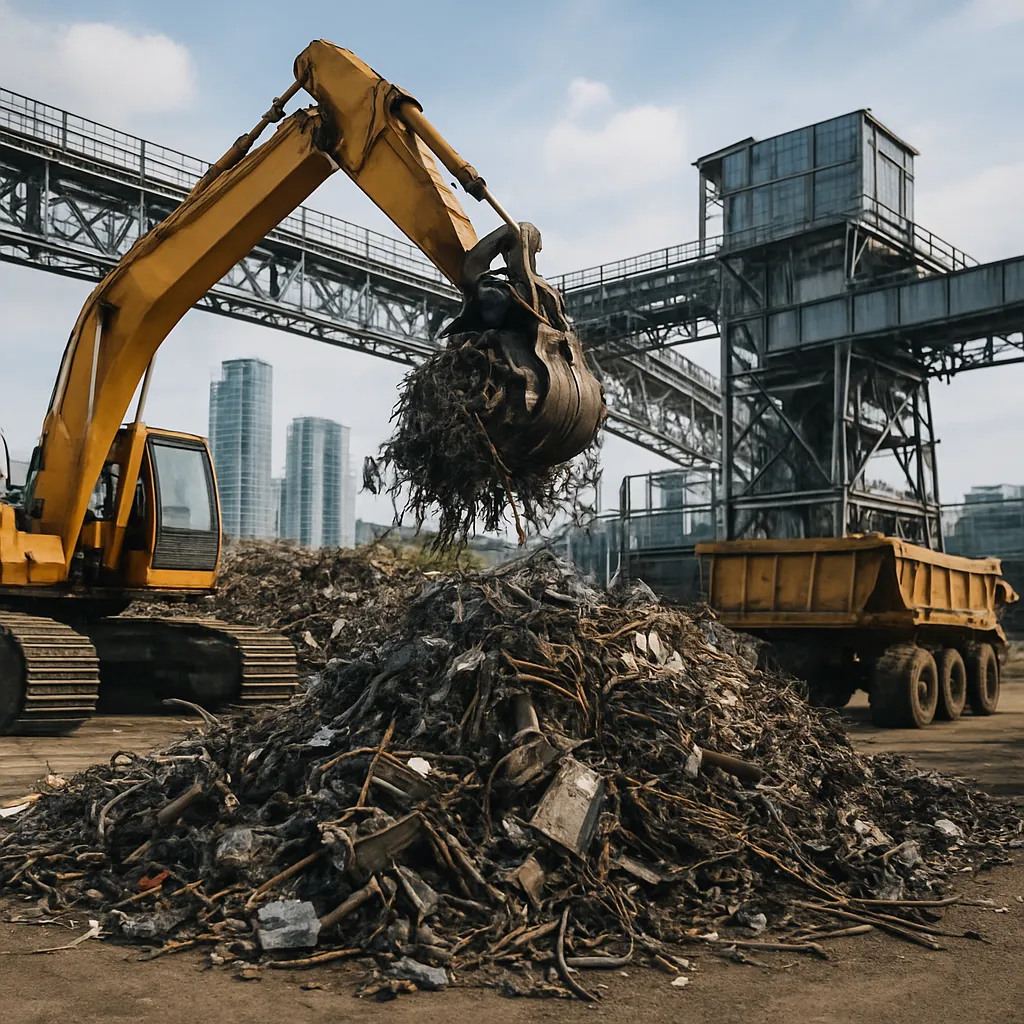
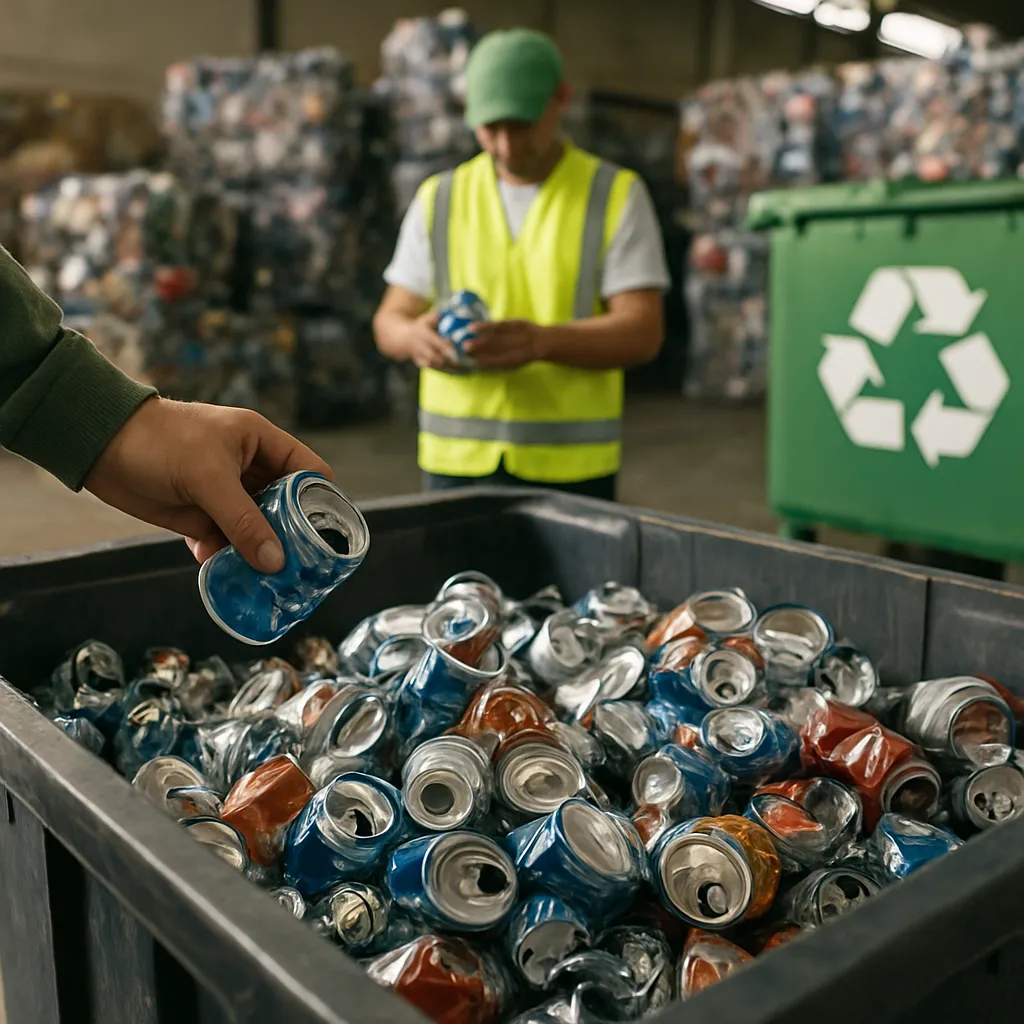
Even under aggressive recycling scenarios, the total recoverable fraction from end-of-life products remains limited. A typical electric vehicle battery, for instance, contains only 30–40 percent of its original lithium and cobalt in a form suitable for high-purity reuse. The vast majority ends up in lower-value applications, a phenomenon known as downcycling. Consequently, recycling facilities cannot single-handedly bridge the gap between surging demand and finite primary resources.
Limitations of Recycling Technologies
Industrial processes for recovering metals from spent electronics and batteries fall into two broad categories: pyrometallurgy and hydrometallurgy. While pyrometallurgy uses high-temperature smelting to extract metals, hydrometallurgy relies on chemical leaching. Both approaches have inherent drawbacks:
- Energy intensity: Pyrometallurgical plants can consume vast amounts of electricity or fossil fuels, undermining environmental benefits.
- Chemical waste: Hydrometallurgical operations often generate hazardous effluents that require costly containment and remediation.
- Recovery rates: Complex mixtures of metals in modern devices lead to losses during separation and purification steps.
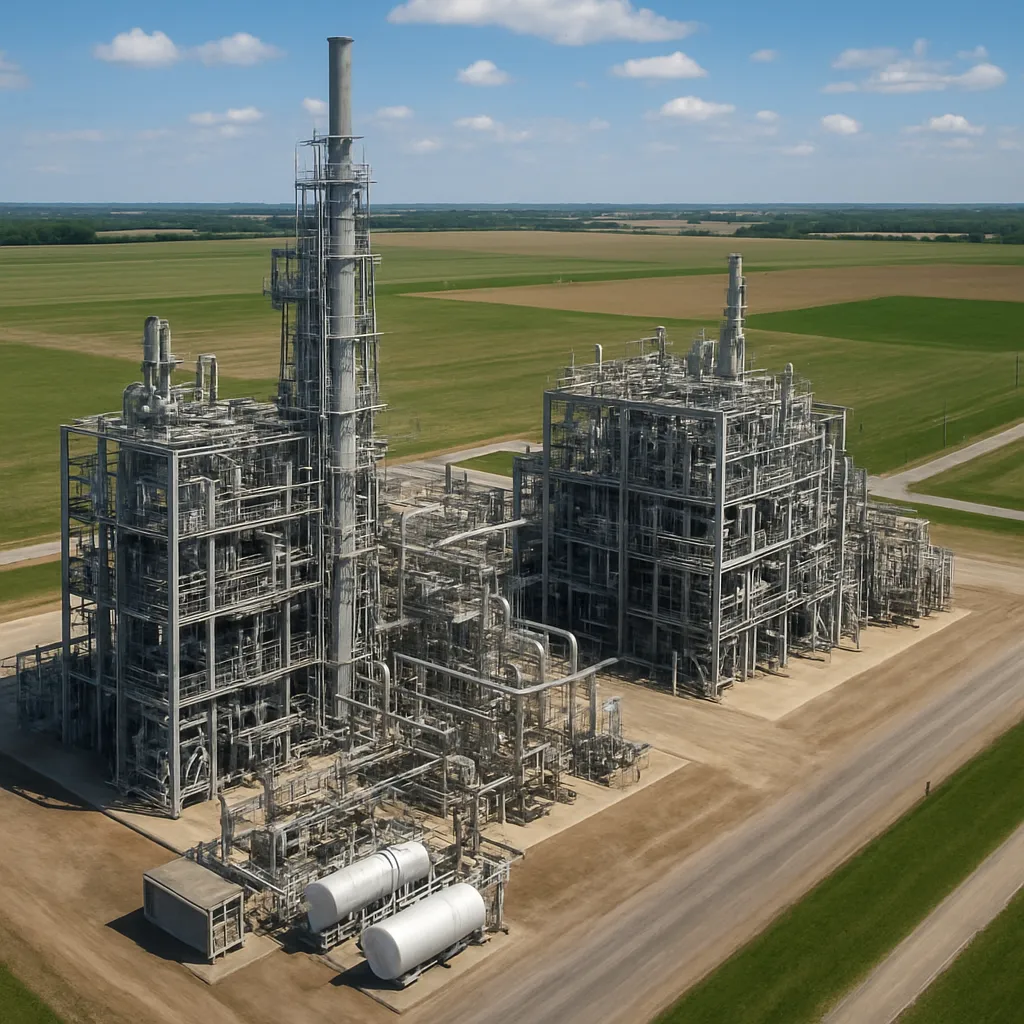
Even optimized facilities struggle to recover above 80 percent of target metals, leaving residual losses that accumulate over multiple recycling cycles. As the quality of recycled feedstock deteriorates, downstream processes must contend with higher impurity levels, demanding additional refining steps. These complexities translate into elevated operational costs, limiting the economic viability of many projects without substantial subsidies or regulatory incentives.
Challenges in Extracting New Resources
Given the shortfall in recycled volumes, expanding primary extraction appears inevitable. Yet mining remains a capital-intensive, time-consuming endeavor. Developing a new mine often takes more than a decade from exploration to commissioning, encompassing drilling surveys, environmental impact assessments and community consultations. Meanwhile, ore grades for many rare metals have declined over time, requiring higher throughput to maintain output levels. As a result, extraction projects face amplified pressure to demonstrate resource efficiency and rapid payback.
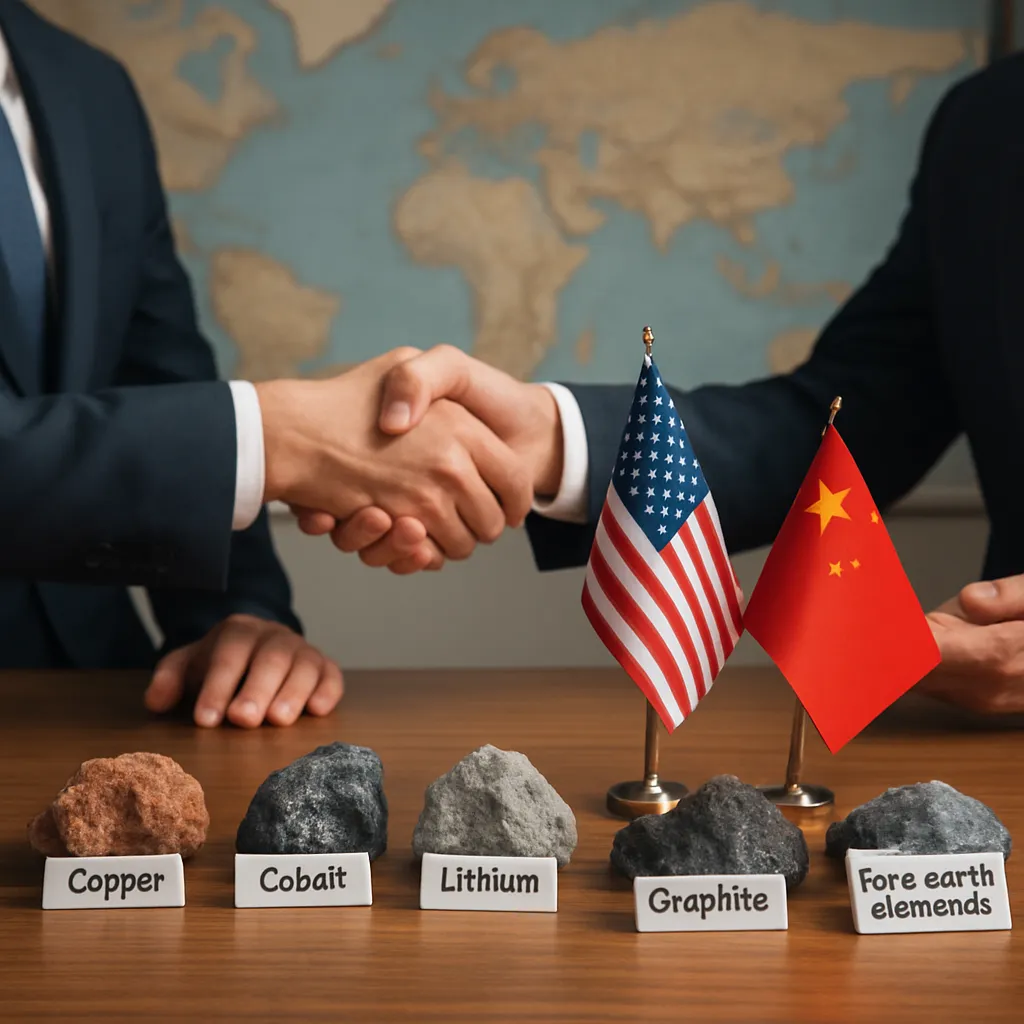
Moreover, geopolitical considerations loom large. Dominance of certain countries in processing or refining stages can expose downstream industries to supply shocks. Recent export restrictions on rare earth oxides have underscored the fragility of global arrangements. Strategic diversification of supply sources demands investment in alternative mining jurisdictions—from African lithium basins to South American brine operations—but these initiatives carry their own environmental and social complexities. Balancing local stakeholder interests with global demand creates an intricate policy puzzle for governments and corporations alike.
Strategies Beyond Recycling
Acknowledging the limitations of recycling spurs a broader agenda for achieving long-term resilience. Key pillars of this agenda include:
- Geopolitical diversification: Establishing trade agreements and strategic reserves to mitigate concentration risks.
- Innovation in materials science: Developing alternative chemistries or alloy formulations that reduce reliance on scarce elements.
- Circular economy design: Engineering products for ease of disassembly and high-purity material recovery from the outset.
- Public–private partnerships: Financing pilot plants and research institutes to scale next-generation extraction and separation technologies.
- Regulatory frameworks: Implementing standards for reclamation and responsible mining to accelerate project approvals.
Emerging techniques such as electrochemical extraction directly from brines or low-grade ores promise to reduce water footprints and carbon emissions. Biotechnology methods leverage microbes to selectively leach metals from solid matrices, offering a potentially sustainable alternative to harsh chemicals. At the same time, investment in digital tracking platforms enables end-to-end transparency of material flows, allowing companies to reclaim more alloy fractions before they enter waste streams.
Ultimately, a multifaceted approach that integrates primary mining, advanced recycling, and proactive policy measures is essential. By aligning incentives across the value chain—from mine site to manufacturing floor—stakeholders can forge a more robust ecosystem for critical minerals. Recycling will remain a vital component, but it cannot bear the entire burden of future demand. Only through concerted efforts in innovation, governance and strategic planning can the world secure the resources needed for the next wave of technological breakthroughs.