The accelerating demand for high-performance electronics, clean energy, and advanced manufacturing has sparked a revolution in the way we locate and evaluate the world’s most coveted resources. Rare metals like lithium, cobalt, and rare earth elements play an essential role in powering electric vehicles, renewable energy storage, and defense applications. As traditional exploration methods reach diminishing returns, the integration of cutting-edge technologies is reshaping the mining landscape and driving unprecedented gains in resource identification.
Global Landscape of Rare Metals and Their Strategic Importance
The term rare metals encompasses a variety of critical elements that are relatively scarce in the Earth’s crust yet indispensable for modern industries. These include:
- Lithium – pivotal for battery technology and energy storage.
- Cobalt – essential in high-energy-density batteries and aerospace alloys.
- Rare earth elements (REEs) – such as neodymium and dysprosium, vital for magnets, electronics, and defense systems.
- Platinum group metals (PGMs) – used in catalytic converters, fuel cells, and hydrogen technologies.
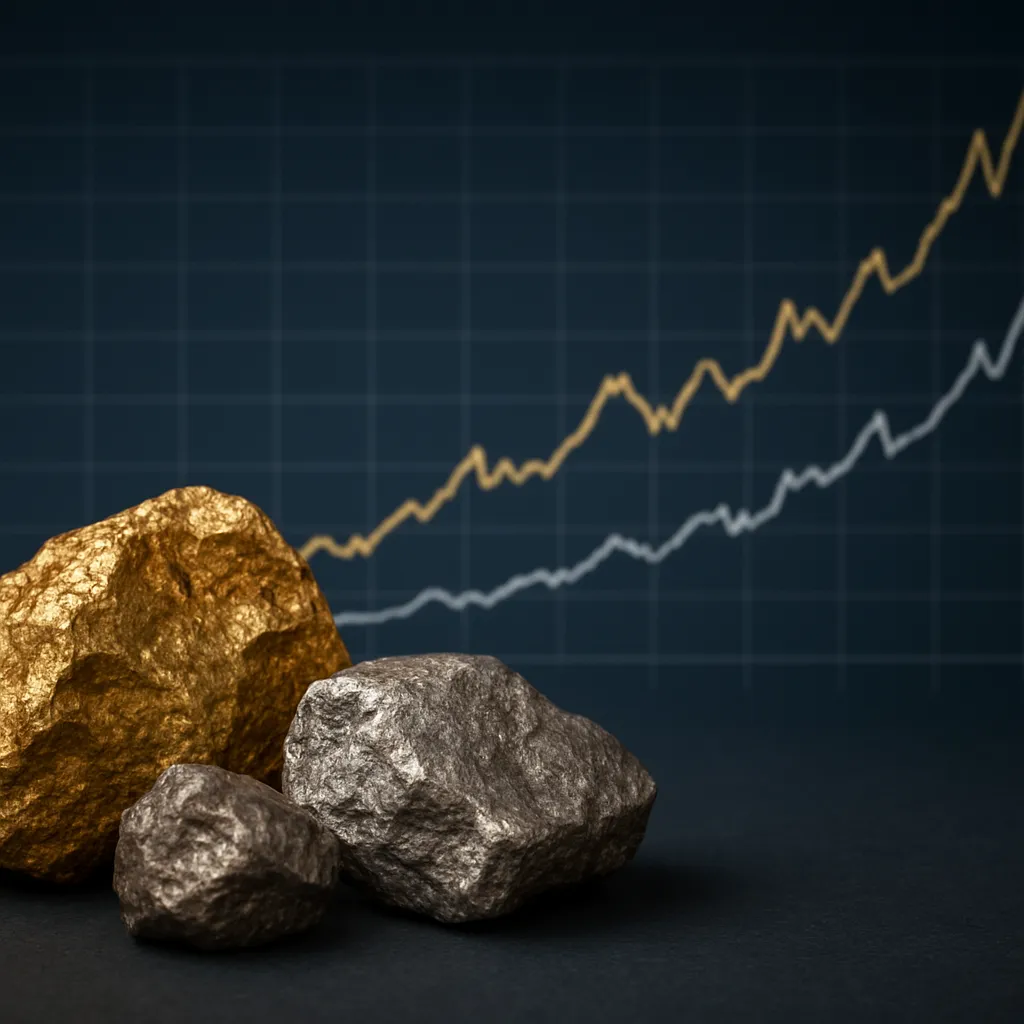
Global demand for these resources has surged: electric vehicle production ramped up nearly 50% in the past three years, and renewable energy installations grew by more than 30%. At the same time, accessible deposits are becoming harder to find, pushing exploration activities to deeper, more remote and geologically complex regions.
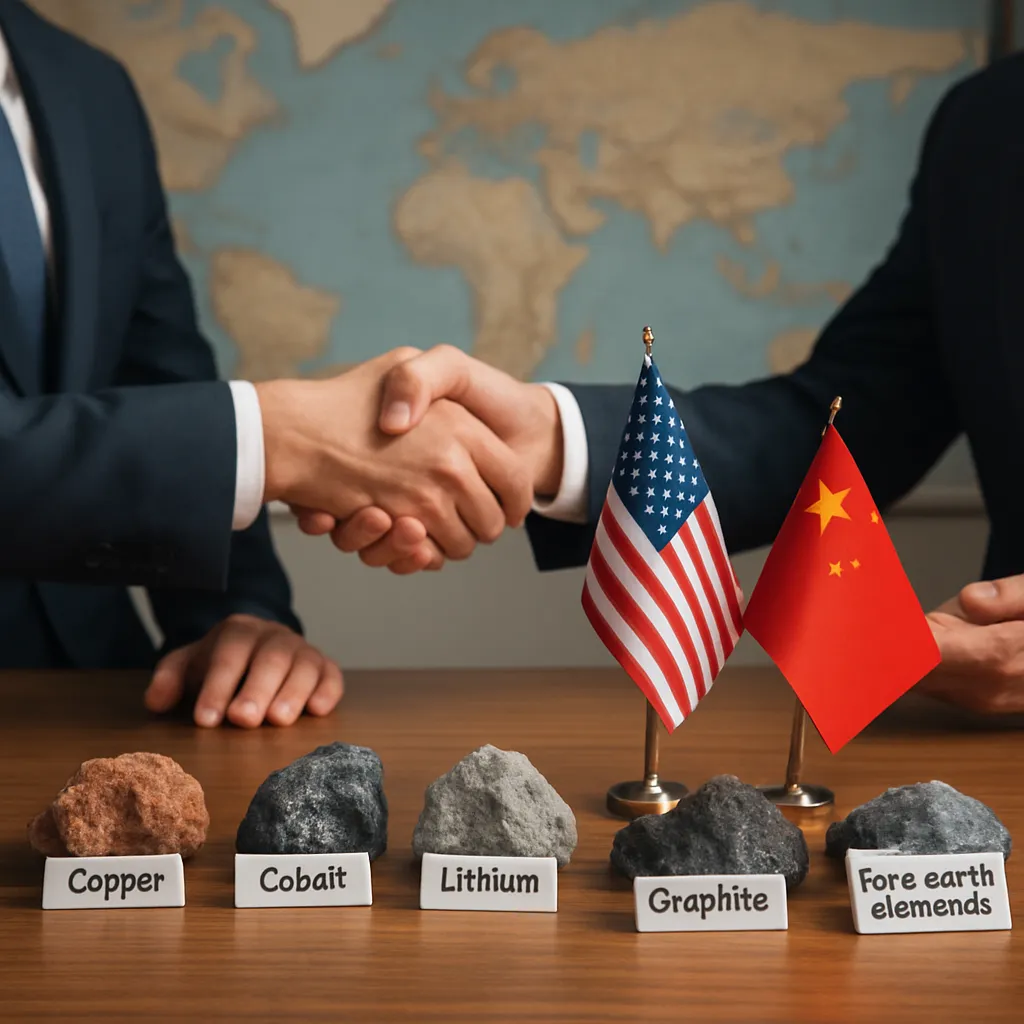
Geopolitical tensions over resource security have also heightened. Countries rich in REEs, such as China, hold significant leverage over global supply chains, prompting importing nations to seek alternative sources. In response, governments and corporations are investing heavily in exploration projects across Africa, South America, and the Arctic, where large but underdeveloped reserves lie untapped.
Revolutionizing Exploration with AI-driven Technologies
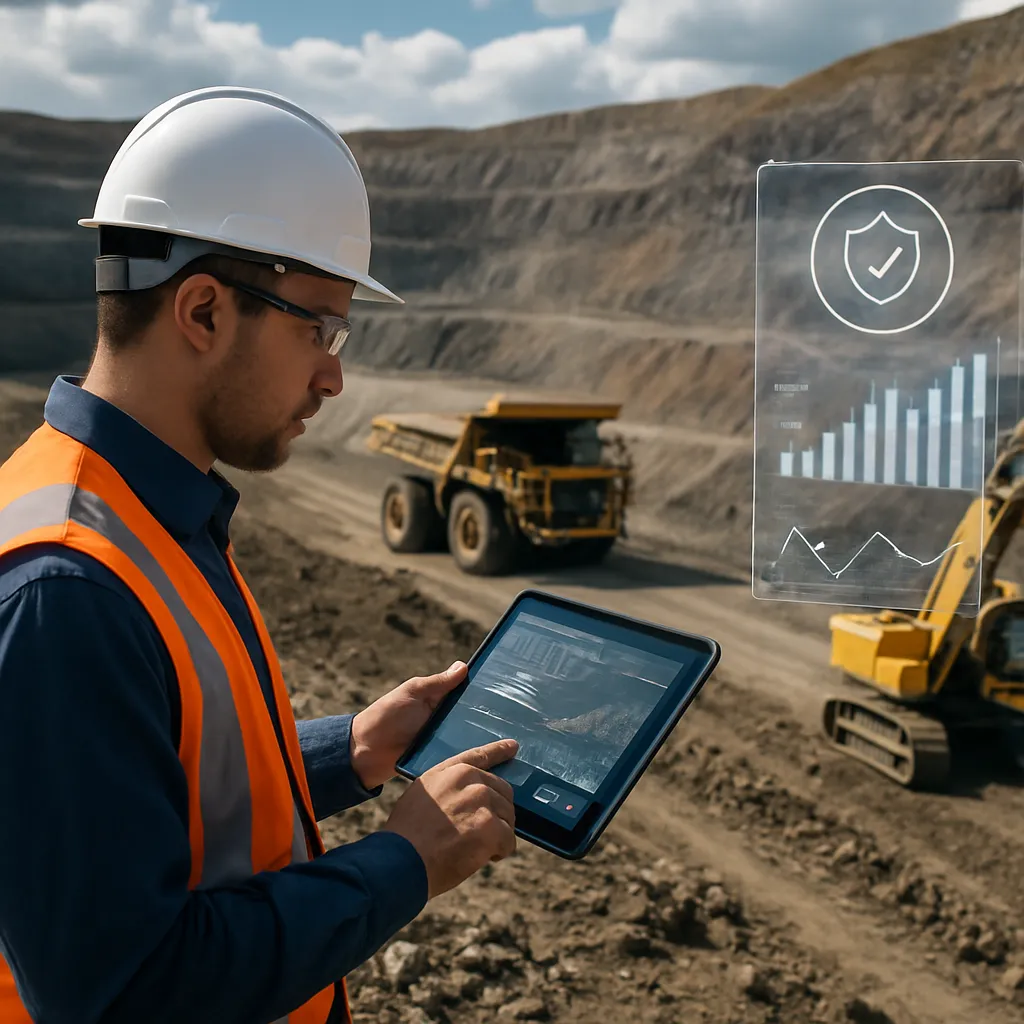
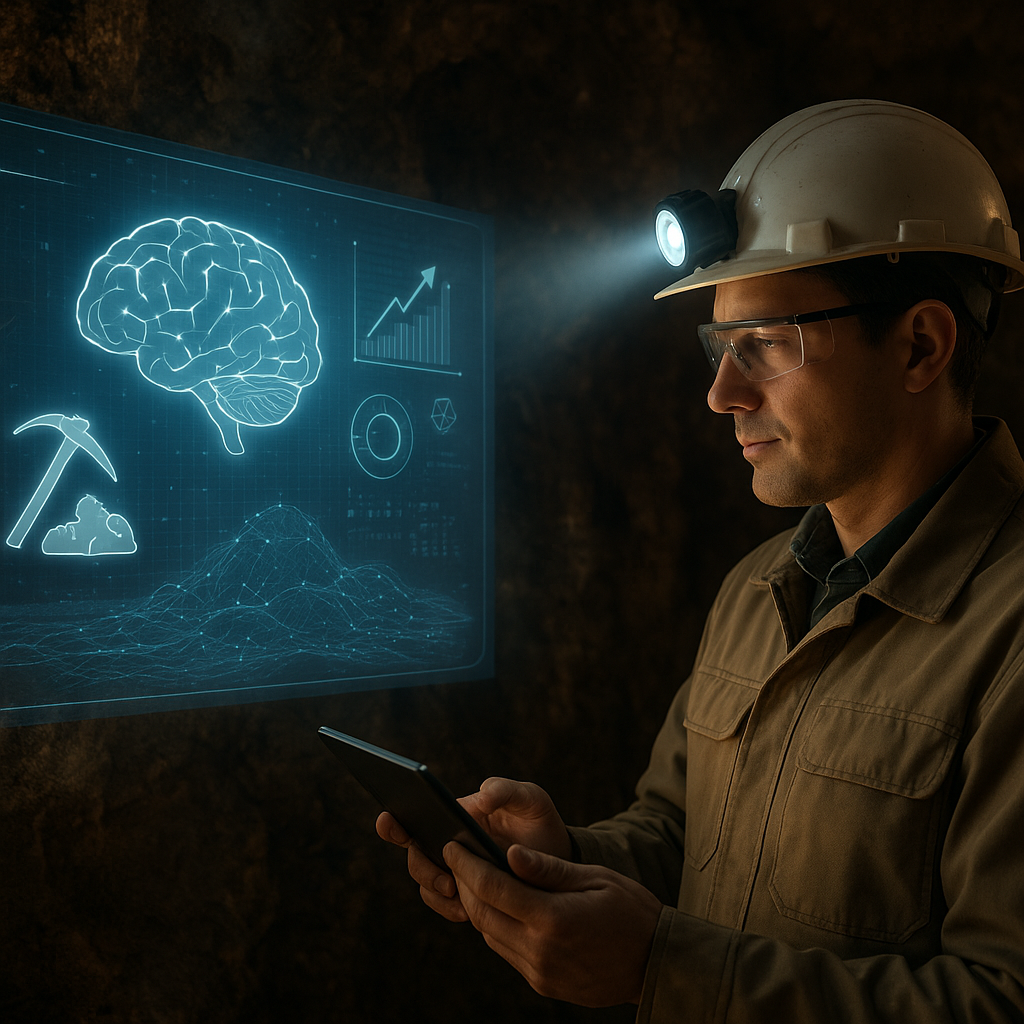
Traditional exploration methods—reliant on manual sampling, geological mapping, and labor-intensive drilling—often yield low discovery rates and extended timelines. By contrast, AI-driven exploration leverages advanced data analytics and machine learning algorithms to identify prospective zones with far greater speed and accuracy.
Machine Learning and Predictive Modeling
Machine learning models can analyze vast datasets, including:
- Historical drill logs and geochemical assays
- Geophysical surveys (magnetic, gravity, seismic)
- Remote sensing imagery (satellite, LiDAR, hyperspectral)
By training on known ore deposits, these algorithms learn patterns of geophysical and geochemical anomalies that correlate with mineralization. The result is a probability map highlighting the most promising target areas, reducing time wasted on low-potential sites.
Remote Sensing and Data Integration
Advances in remote sensing technologies enable high-resolution imaging of the Earth’s surface and subsurface structures. When combined with AI, these data streams help to:
- Detect subtle vegetation stress caused by underlying mineralization.
- Map fault lines and structural controls on ore emplacement.
- Monitor environmental parameters to ensure sustainability standards.
Cloud computing platforms aggregate these diverse datasets, allowing real-time analysis and cross-disciplinary collaboration. This integrated approach accelerates decision-making and enhances drilling success rates by up to 40%, based on pilot studies from major mining firms.
Breakthrough Case Studies in AI-enabled Discovery
Several pioneering projects illustrate the transformative impact of AI on rare metal exploration:
Case Study A: Lithium in South America
In the lithium-rich “Lithium Triangle” spanning Argentina, Bolivia, and Chile, AI algorithms processed hundreds of geochemical samples alongside satellite-derived evaporation rates to pinpoint new brine reservoirs. Within months, field teams confirmed multiple high-grade sites, slashing exploration costs by 25%.
Case Study B: REEs in Sub-Saharan Africa
A consortium of exploration firms utilized deep learning to reinterpret legacy aeromagnetic surveys across a large African plateau. The AI-driven reinterpretation revealed concealed carbonatite complexes—host rocks for neodymium and dysprosium—that traditional methods had overlooked. Drill results exceeded grade expectations by 15%.
Case Study C: Cobalt in the Arctic
Challenging logistics and harsh conditions have historically hindered Arctic mining. By leveraging autonomous airborne drones equipped with hyperspectral sensors and AI-based anomaly detection, exploration teams quickly mapped outcroppings of cobalt-bearing rocks. This remote strategy minimized on-site footprint while delivering high-resolution target maps.
Emerging Challenges and Future Directions
The integration of AI in exploration is not without hurdles. Data quality and availability remain critical constraints, especially in regions with limited historical records. Ensuring robust training datasets requires standardized data collection protocols and collaborative data sharing among industry stakeholders.
- Data interoperability – Harmonizing formats across geochemical, geophysical, and remote sensing sources.
- Environmental compliance – Balancing rapid discovery with ecological sustainability and social license to operate.
- Regulatory frameworks – Updating mining codes to recognize AI-based discovery methods and streamline permitting processes.
Looking ahead, hybrid approaches combining AI with emerging fields such as geometallurgy and synthetic biology promise to further revolutionize exploration. Novel sensor technologies, including quantum magnetometers and bio-inspired detection systems, will feed richer datasets into ever-more sophisticated models. As these innovations converge, the efficiency and precision of rare metal discovery will continue to climb, securing the materials foundation for our sustainable, technology-driven future.