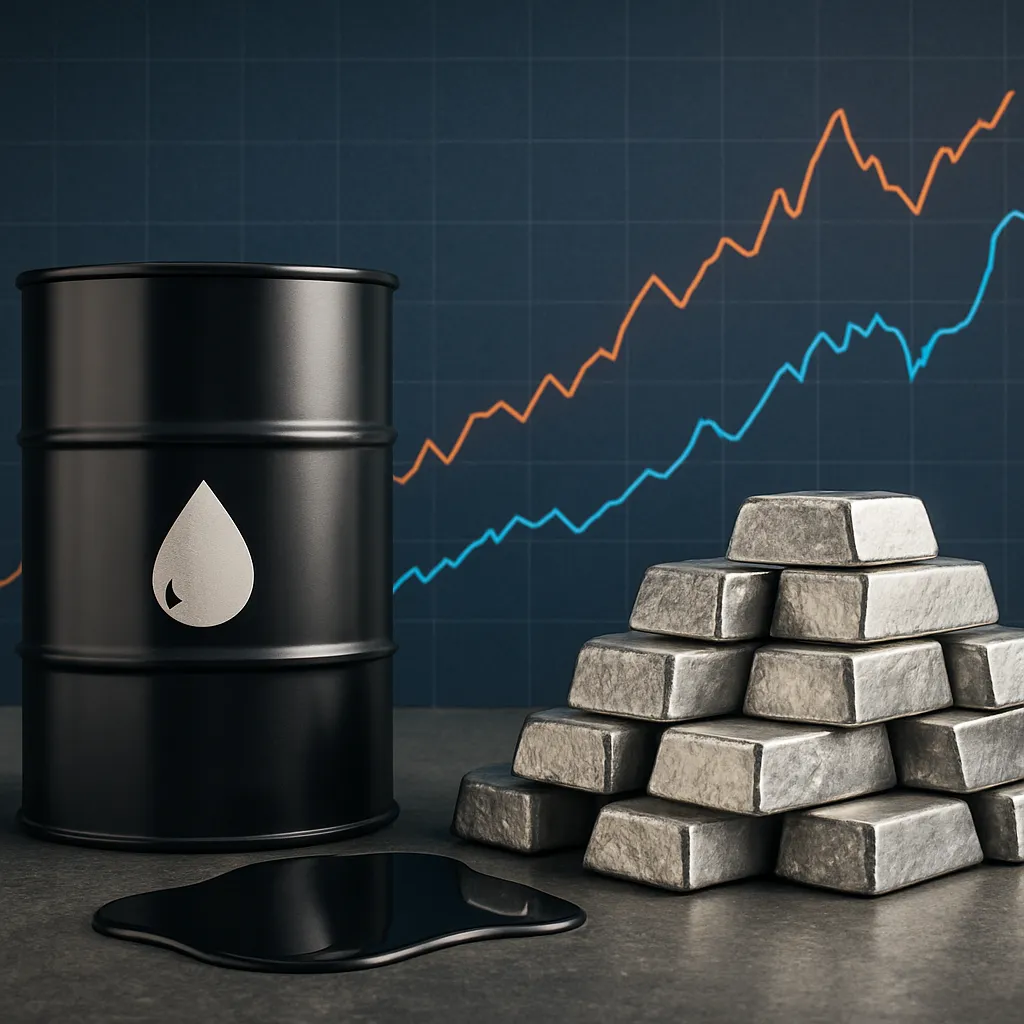
The intricate dance between energy commodities and critical minerals shapes the trajectory of industrial transformation and national security. Rare metals—integral to electronics, renewable energy systems, and high-performance alloys—often mirror the oscillations of oil markets, reflecting intertwined demand drivers, shared logistical hurdles, and overlapping geopolitical fault lines. Examining how crude oil price swings resonate through rare metal supply chains reveals deep insights into future resource strategies, as global players grapple with supply shocks, emergent technologies, and environmental imperatives.
Global Dynamics of Rare Metals
As economies pivot toward decarbonization and digitalization, the appetite for rare metals—including lithium, cobalt, nickel, and the suite of rare earth elements—has soared. Extraction and processing centers in Africa, South America, and China dominate output, yet political instability and export policies can trigger abrupt supply constraints. These constraints ripple through global markets, challenging manufacturers to secure feedstock for electric vehicle batteries, wind turbines, and advanced electronics.
Noteworthy factors influencing these dynamics include:
- Resource Concentration: A small number of countries control over 80% of certain extraction capacities, heightening vulnerability to trade restrictions.
- Environmental Regulations: Stricter mining standards elevate production costs and timeline unpredictability.
- Technological Advancements: New recycling processes and substitution research promise to alleviate some resource pressures.
Understanding the intricate web of supply dependencies is crucial as industry leaders seek to diversify sources, invest in innovation, and forge strategic partnerships across continents.
Oil Market Fluctuations and Price Correlations
Crude oil price volatility exerts a powerful influence on the cost structures of mining operations and logistics. Elevated oil prices inflate transportation, heavy machinery operation, and energy consumption expenses. Conversely, depressed oil costs may temporarily ease input expenses but can also signal global demand weakness, indirectly undermining metal demand growth.
Empirical studies reveal notable correlations:
- Positive Correlation Periods: During robust growth phases, rising oil prices coincide with heightened industrial output and stronger demand for both hydrocarbons and metals.
- Divergence Episodes: Geopolitical shocks or supply disruptions in oil markets can spike crude prices without immediate industrial expansion, leading to temporary decoupling.
- Long-Term Trends: Over multi-year horizons, energy cost shifts shape capital allocation patterns, influencing new mine developments and exploration budgets.
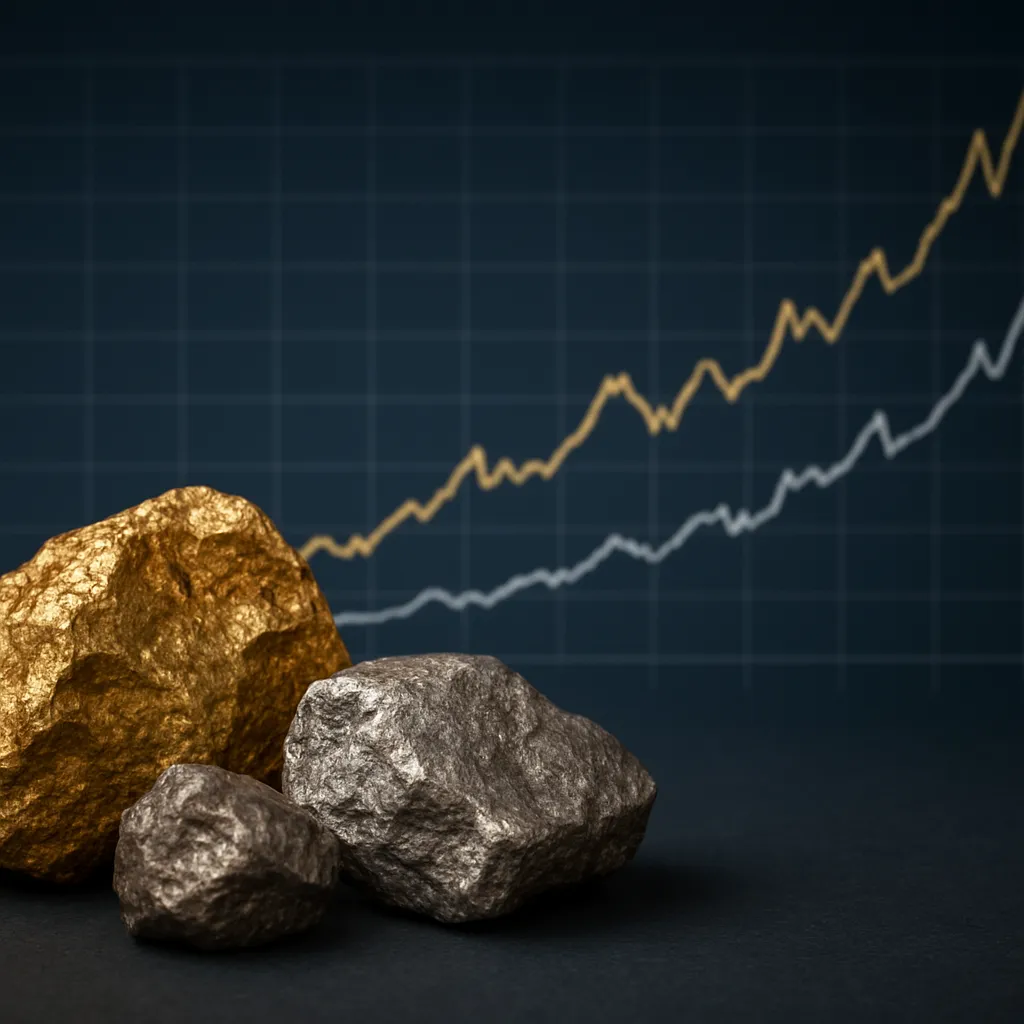
For investors and policymakers, monitoring co-movements between oil benchmarks (such as Brent and WTI) and rare metal futures offers predictive insights into broader commodity cycles and potential price spikes.
Technological Innovation and Supply Chain Resilience
Industrial stakeholders are aggressively pursuing substitution strategies and novel extraction techniques to mute price volatility and reduce dependency on central producers. Advances such as solvent extraction, bioleaching, and deep-sea mining trials illustrate the drive toward more sustainable and distributed sourcing.
Key innovations include:
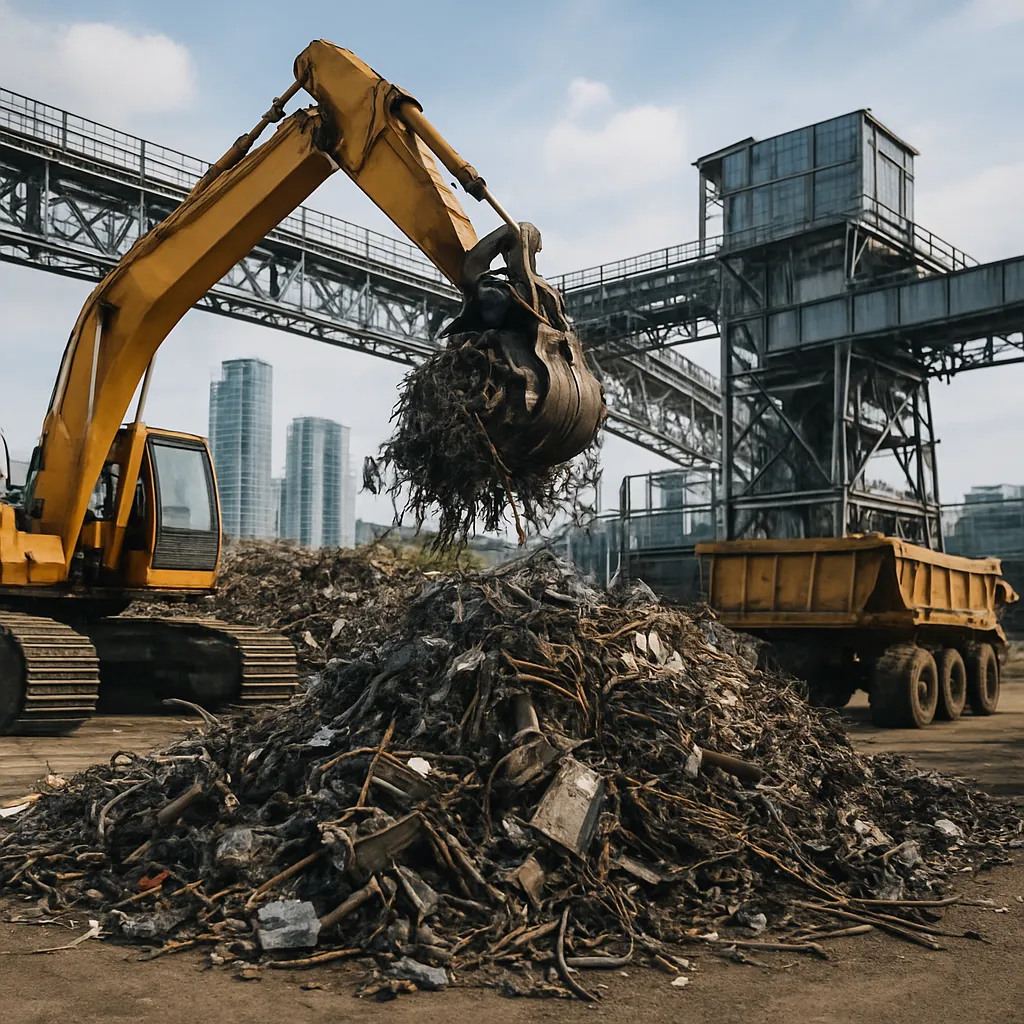
- Urban Mining: Recovering valuable metals from electronic waste mitigates raw material scarcity and environmental impact.
- Hydrometallurgical Processes: Lower-energy refining methods decrease reliance on fossil fuels and shrink carbon footprints.
- Digital Traceability: Blockchain-based supply chain tracking enhances transparency and reduces risks of illicit sourcing.
By deploying supply chain resilience measures—such as strategic stockpiling, diversified procurement, and public-private partnerships—companies can better weather oil price swings and safeguard against unforeseen geopolitical disruptions.
Investment Strategies and Geopolitical Risks
Portfolio managers and corporate treasurers increasingly treat rare metals as a vital commodity class, akin to precious metals and energy resources. Structured products, futures contracts, and targeted equity positions in mining firms allow exposure to price volatility while balancing risk through hedging with oil derivatives.
However, the interplay between political developments and market sentiment cannot be overstated:
- Trade Sanctions: Export controls on rare earths by major producers can trigger abrupt price surges and force supply realignments.
- Resource Nationalism: Governments may nationalize mining assets or raise royalty rates to capture greater rents during oil-fueled booms.
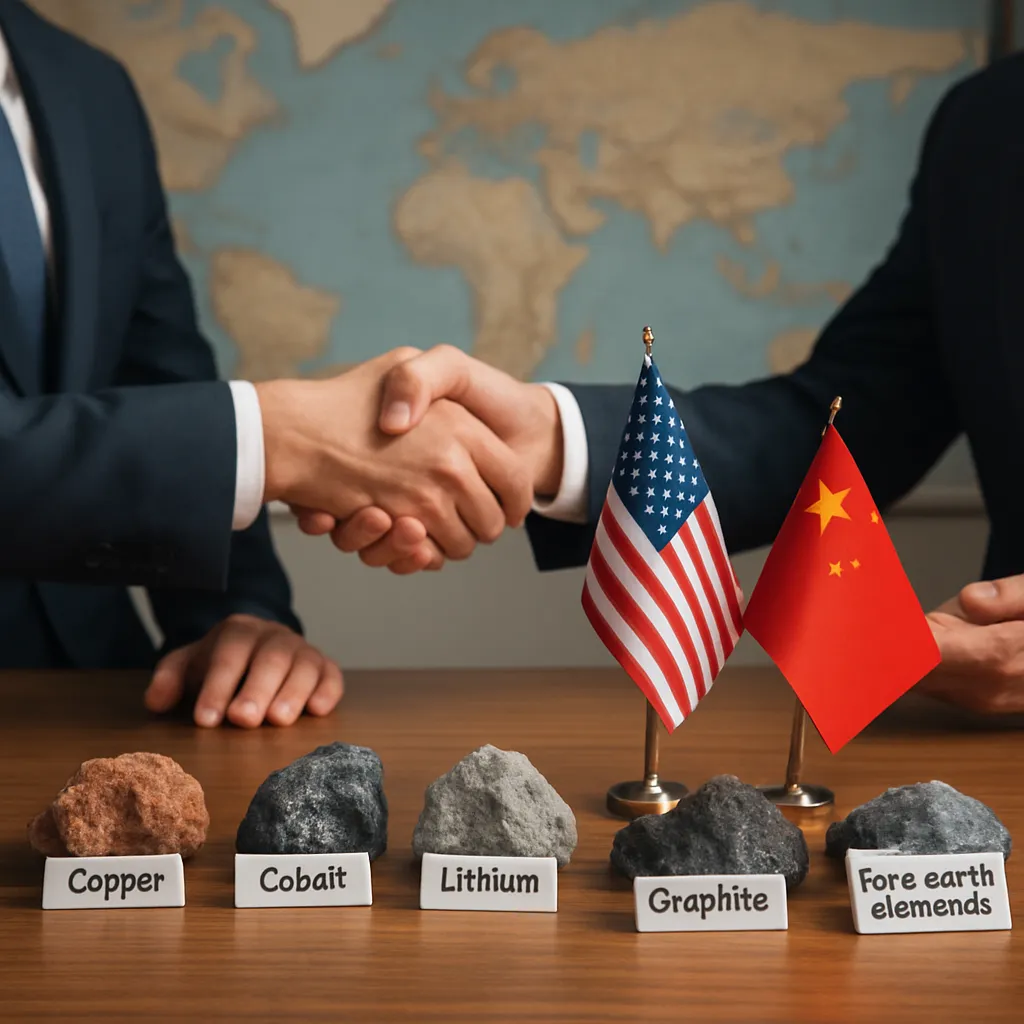
- Strategic Alliances: Bilateral agreements between energy-rich and mineral-rich nations can stabilize long-term resource flows.
Savvy investors must navigate a landscape where investment opportunities are entangled with policy shifts and diplomatic tensions. Deploying diversified commodity baskets, blending oil-linked instruments with targeted rare metal exposure, can optimize risk-adjusted returns amidst an era of heightened resource competition.