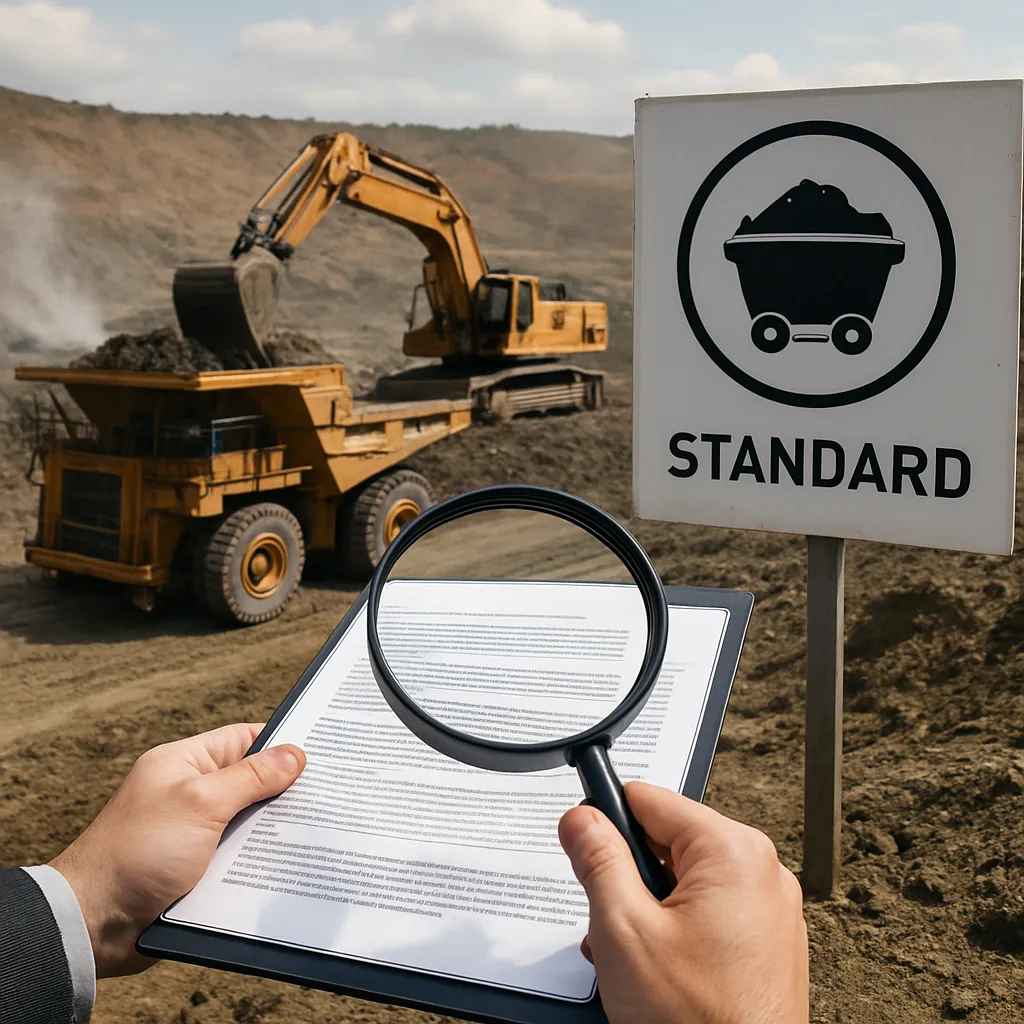
The global demand for sustainability and responsible resource management has led to intensified scrutiny of the rare metals sector. From the cobalt mines of the Democratic Republic of Congo to lithium brine pools in South America, stakeholders are calling for enhanced transparency and uniform governance. In response, international bodies, governments, and industry consortia are developing rigorous standards aimed at safeguarding environmental integrity, social welfare, and corporate accountability.
Challenges in Rare Metals Extraction
Mining and refining rare metals present multifaceted challenges that threaten both local communities and global markets:
- Environmental Impact: Unregulated extraction can lead to soil erosion, water contamination, and loss of biodiversity.
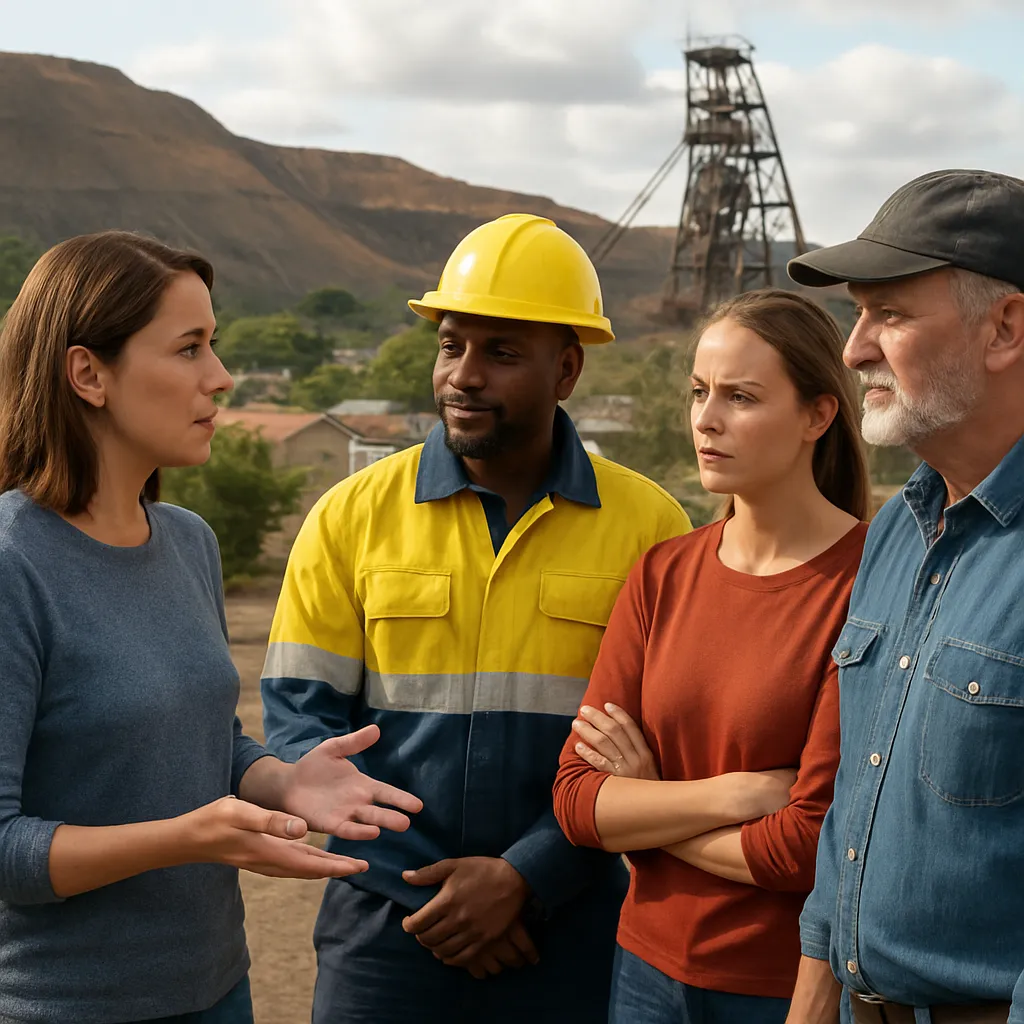
- Social Risks: Poor labor conditions, child labor, and displacement of indigenous communities have been reported in several jurisdictions.
- Market Volatility: Price fluctuations driven by geopolitical tensions compromise long-term investment planning and stable supply.
- Opaque Supply Chains: Lack of traceability makes it difficult for end-users to verify the ethical provenance of metals.
Effective solutions must address these risks through a combination of regulatory enforcement, industry-led codes of conduct, and innovative tracking technologies.
International Regulatory Landscape
Efforts to harmonize mining standards span diverse institutions and legal frameworks:
UN Global Compact and Responsible Mineral Initiative
- Encourages companies to adopt ten universal principles on human rights, labor, environment, and anti-corruption.
- Maintains a publicly accessible list of risk profiles for various mineral-producing regions.
- Promotes due diligence guidance that aligns with OECD recommendations.
EU Conflict Minerals Regulation
- Mandatory for importers of tin, tantalum, tungsten, and gold into the European Union.
- Requires comprehensive risk assessments and annual compliance reports.
- Enforces penalties for non-compliance, driving companies toward more rigorous supplier audits.
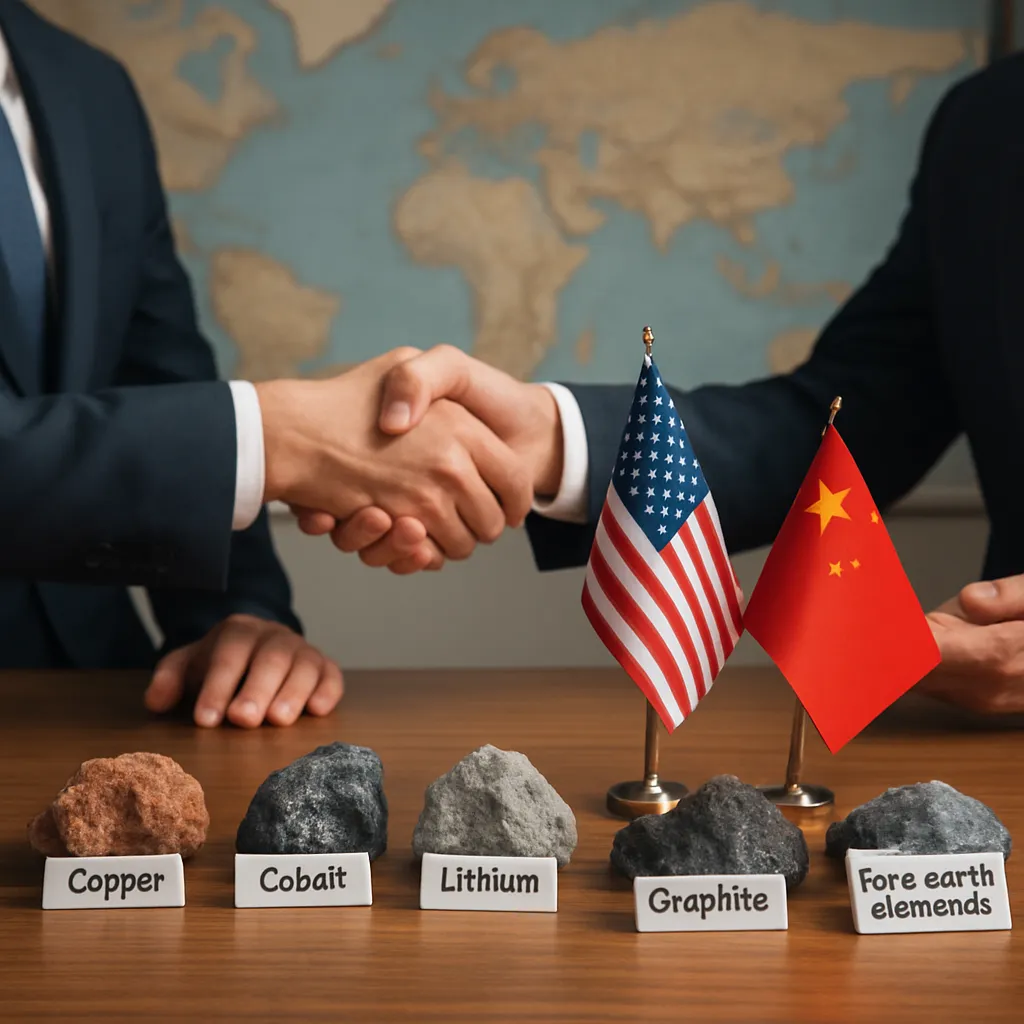
China’s Green Mining Standards
- Seeks to reduce carbon emissions and water usage per ton of ore processed.
- Incentivizes operations to obtain green certificates, enhancing market access both domestically and abroad.
- Emphasizes ethics in labor management and community engagement.
Together, these initiatives underscore a global shift toward mandatory traceability and risk-based due diligence, compelling stakeholders to elevate their operational frameworks.
Technological Innovations Driving Transparency
Emerging technologies are reshaping how rare metals are tracked, verified, and managed:
Blockchain and Distributed Ledger Solutions
- Immutable ledgers record every step of the mineral’s journey, from extraction to end-user.
- Smart contracts automate compliance checks, reducing administrative overhead.
- Consumers and regulators can access real-time data, fostering trust across the supply chain.
Satellite and Remote Sensing
- High-resolution imagery monitors land-use changes and unauthorized mining activities.
- Data analytics platforms integrate remote sensing with ground-level reports to flag potential environmental breaches.
- Provides early warnings, enabling rapid response by authorities and civil society.
AI-Driven Risk Assessment Tools
- Advanced analytics models predict hotspots for labor abuses and environmental degradation.
- Machine learning algorithms evaluate supplier data to score compliance risk.
- Integrates public records, news feeds, and NGO reports for a holistic risk profile.
By leveraging these cutting-edge systems, the mining sector can transition from reactive oversight to proactive risk mitigation.
The Role of Stakeholder Collaboration
Effective implementation of global standards hinges on robust cooperation among diverse actors:
Mining Companies
- Adopting zero-tolerance policies for human rights violations and environmental harm.
- Investing in community development projects to foster local support and social license to operate.
- Partnering with technology firms to deploy innovation-driven monitoring tools.
Governments and Regulatory Bodies
- Aligning national legislation with international best practices to avoid regulatory arbitrage.
- Providing incentives such as tax credits or expedited permitting for certified green operations.
- Facilitating multi-stakeholder forums for dialogue and consensus-building.
Civil Society and NGOs
- Conducting independent audits and social impact assessments to hold companies accountable.
- Raising public awareness through campaigns highlighting the importance of ethics in mineral sourcing.
- Collaborating with academia to refine risk indicators and transparency benchmarks.
Consumers and End-User Industries
- Electronics, automotive, and renewable energy sectors demanding proof of origin for critical minerals.
- Implementing procurement policies that prioritize certified, conflict-free sources.
- Leveraging brand value by marketing responsibly sourced products to eco-conscious buyers.
Through collective action, these stakeholder groups can drive systemic change, fostering a resilient and ethical supply chain.
Future Directions and Emerging Trends
As the rare metals industry evolves, several trends are poised to shape its trajectory:
Decentralized Certification Schemes
- Blockchain-based tokenization of mineral assets to democratize verification processes.
- Peer-to-peer auditing networks reduce reliance on single certifying authorities.
Circular Economy Models
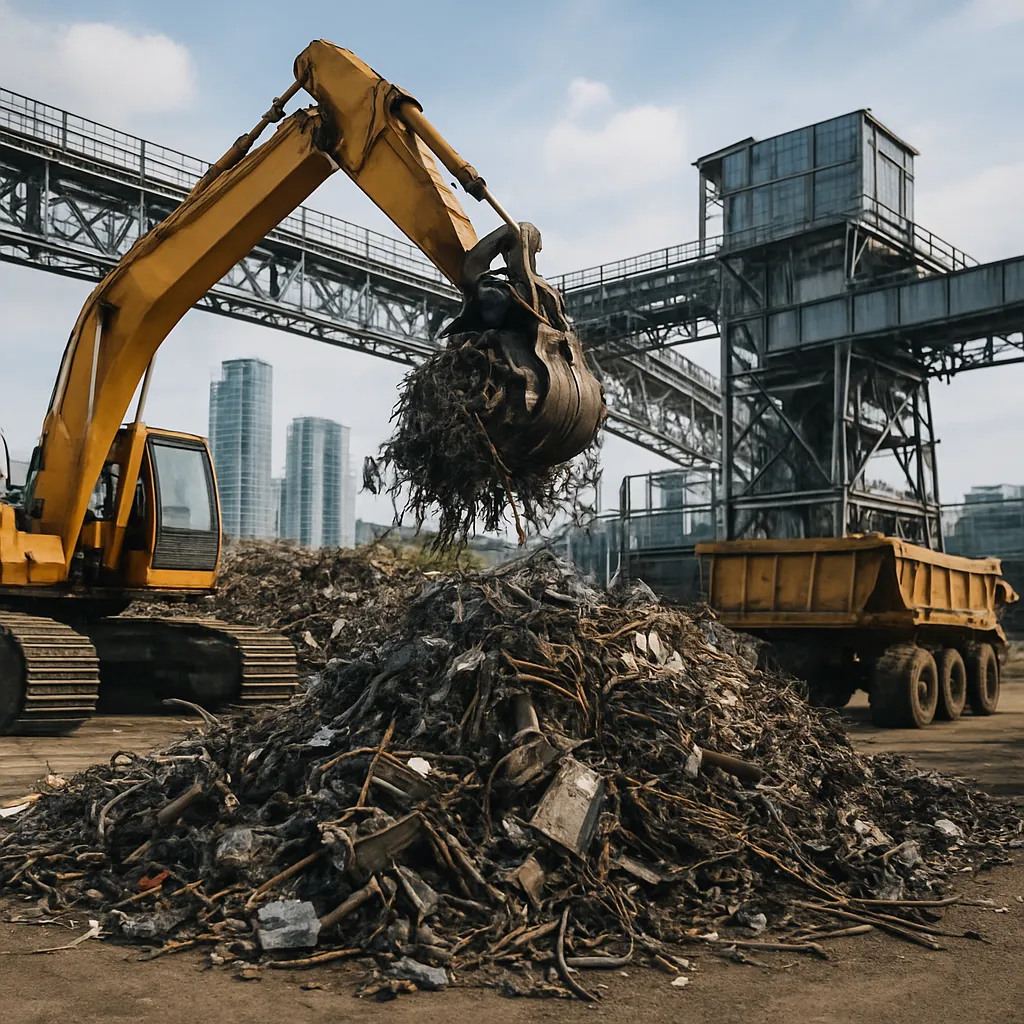
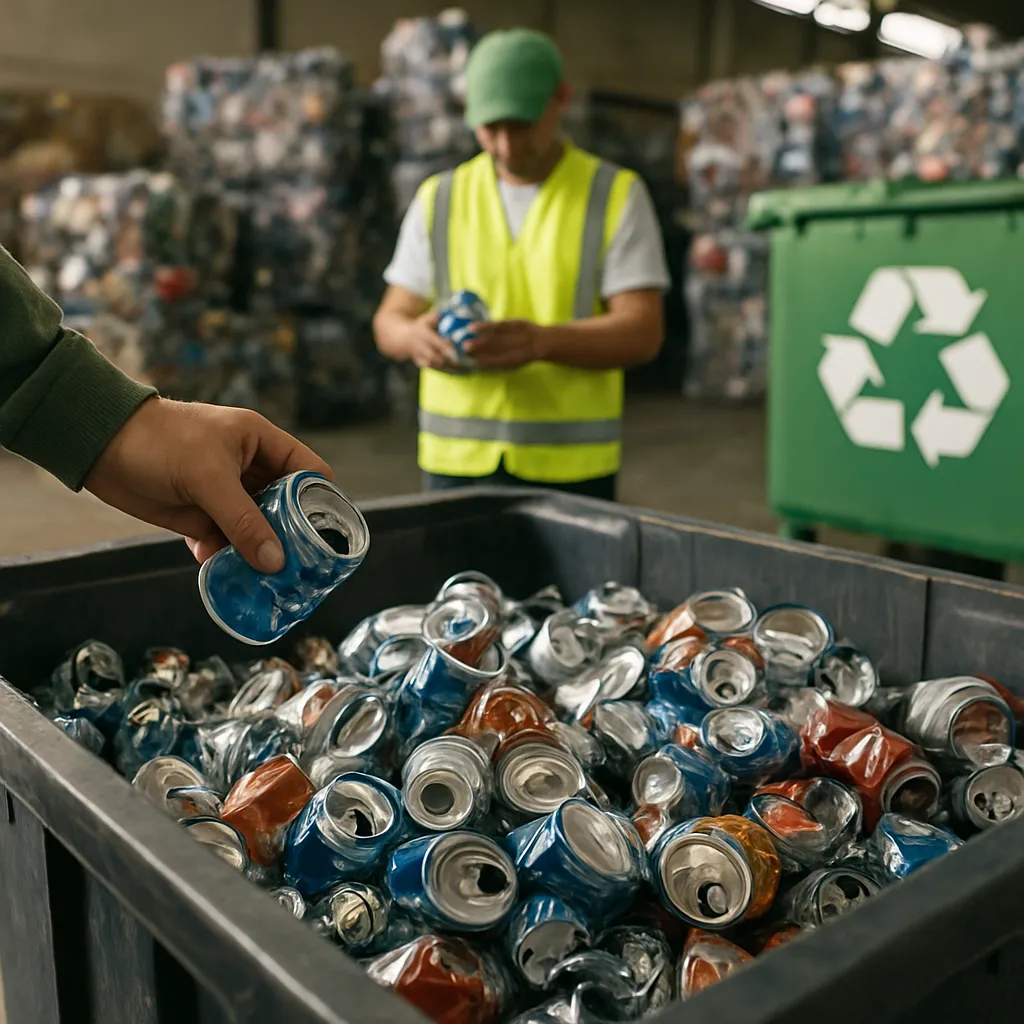
- Enhanced recycling programs to recover metals from end-of-life products.
- Design-for-disassembly principles embedded in manufacturing to facilitate material recovery.
Public-Private Partnerships
- Joint investment in infrastructure and technology transfer to support artisanal miners.
- Capacity-building initiatives that strengthen local regulatory enforcement.
Data Standardization Efforts
- Global metadata frameworks ensure interoperability between diverse reporting platforms.
- Standardized metrics for environmental performance, human rights impact, and compliance scoring.
By embracing these innovations, the industry can transition toward a future defined by responsibility, resilience, and equitable benefit-sharing.