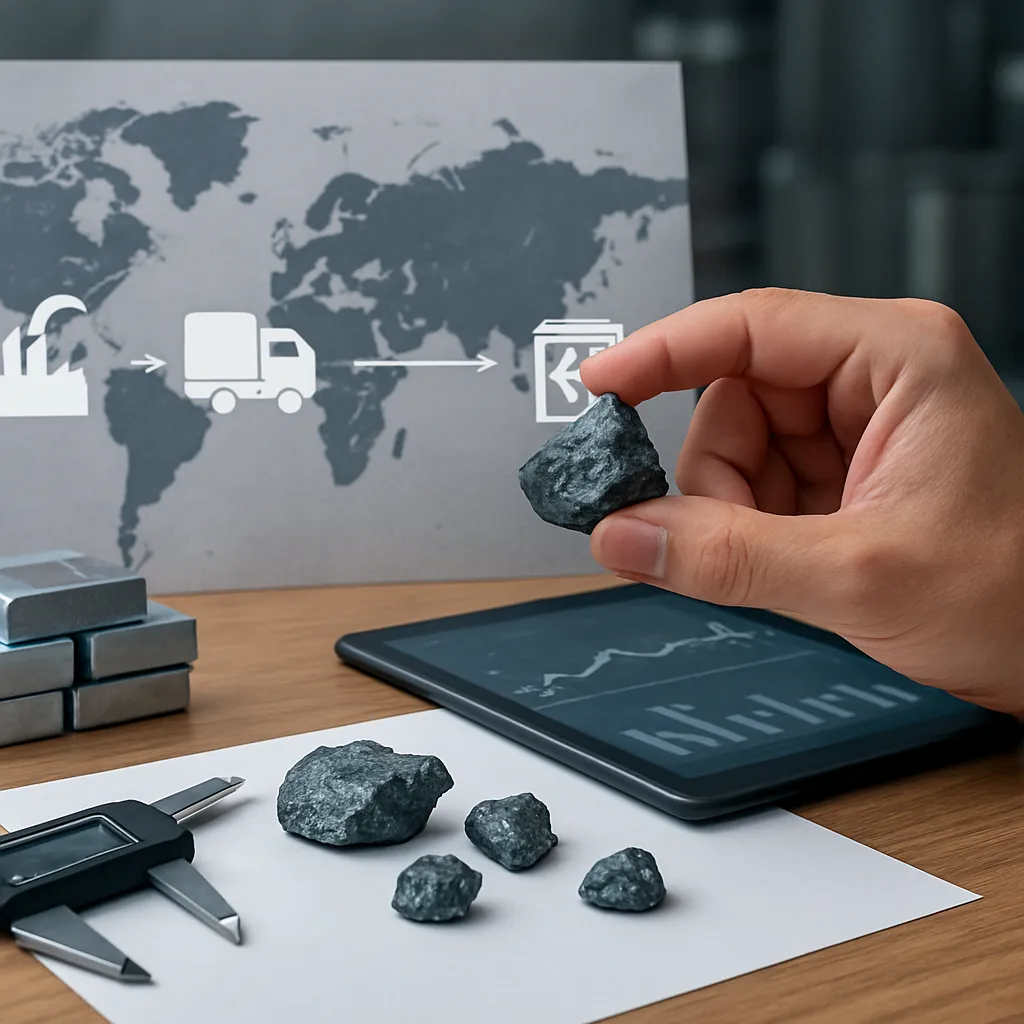
The strategic significance of tungsten has grown alongside the global push for advanced technologies and resilient supply chains. Its unique properties make it indispensable in sectors ranging from aerospace to electronics. This article explores the evolving landscape of rare metals, highlighting tungsten’s role in modern industry, the geopolitical forces shaping its trade, and the challenges awaiting stakeholders in a rapidly changing world.
Global Demand and Supply Dynamics
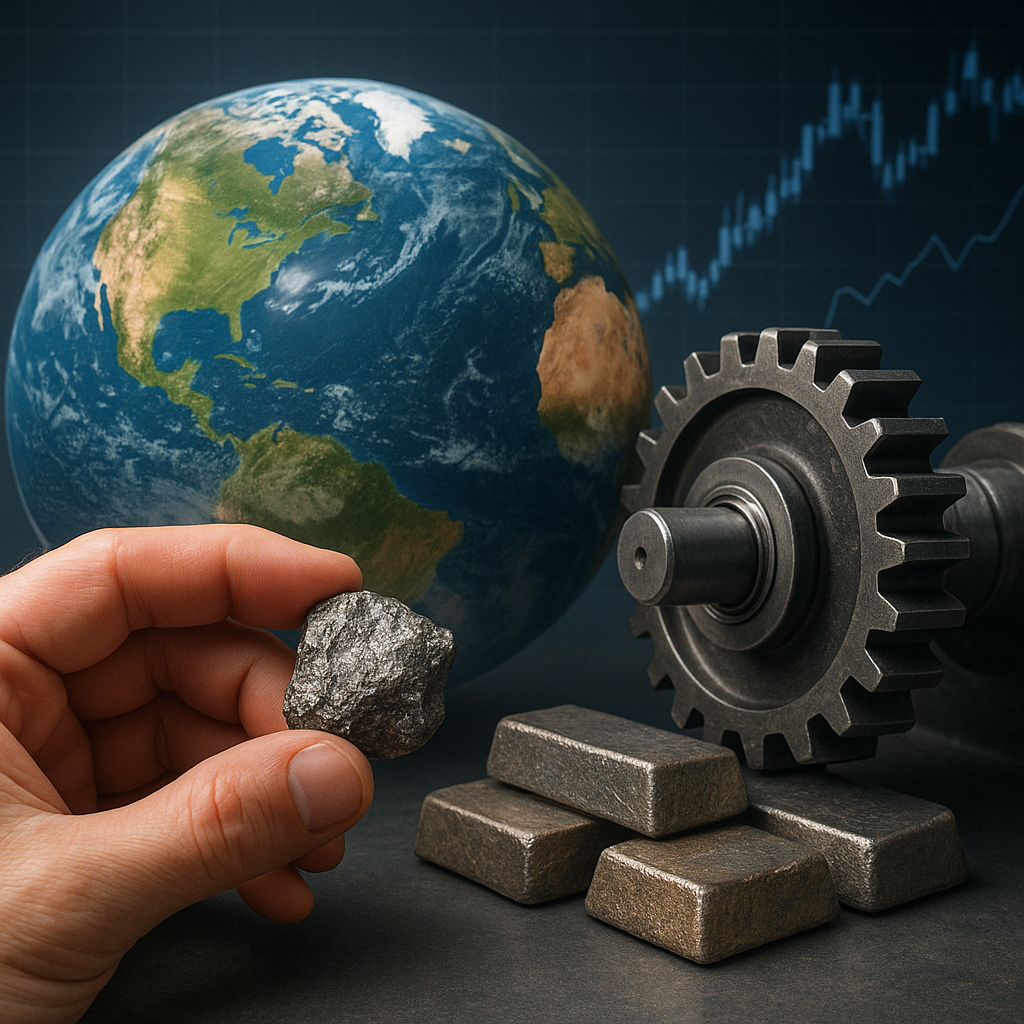
Tungsten stands out among critical raw materials due to its exceptionally high melting point and remarkable hardness. These attributes translate into a multitude of industrial uses, driving up demand as economies strive to innovate.
Primary Sources and Production Hubs
- China dominates global tungsten production, accounting for over 80% of mined output.
- Other notable producers include Russian Federation, Vietnam, Bolivia, and Portugal.
- Supply concentration raises concerns about market resilience and potential export restrictions.
Emerging Mining Projects
New projects in Africa and North America aim to diversify sources. Companies are exploring:
- High-grade deposits in Rwanda and Ethiopia
- Reopening of dormant mines in Canada and the United States
- Partnerships between junior explorers and major metal traders
Such initiatives respond to industry calls for stable supplies and decreased dependency on a single region.
Recycling and Circular Economy
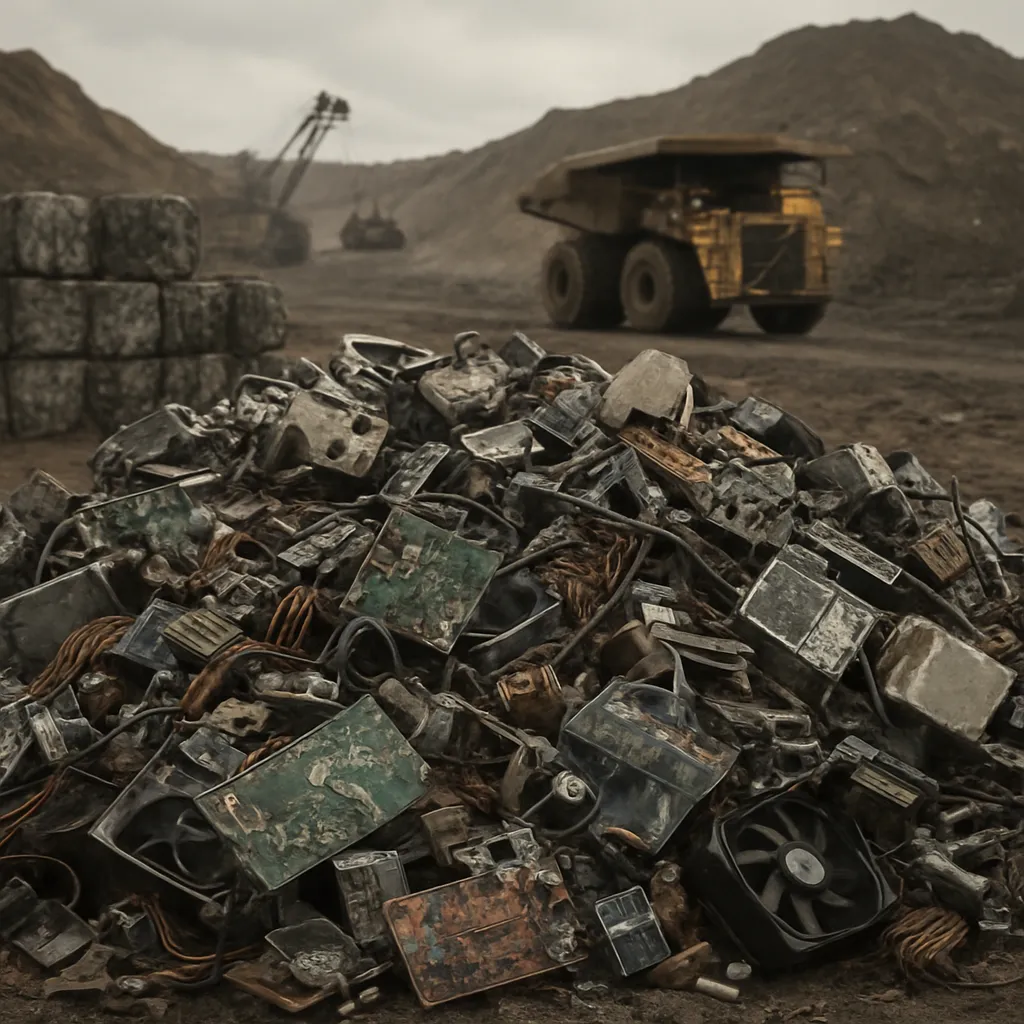
Given its scarcity and environmental footprint, recycling tungsten-bearing scrap has become a priority. End-of-life products from cutting tools, drilling bits, and electronics offer a valuable secondary stream. Innovations in recovery technology aim to boost recycling rates, alleviating pressure on primary mining and contributing to a circular economy for rare metals.
Strategic Applications of Tungsten
The versatility of tungsten underpins numerous advanced applications where alternative materials fail to perform.
Aerospace and Defense
In aerospace, tungsten alloys serve in jet engine components and counterweights, benefiting from high density and temperature resistance. Defense sectors utilize tungsten in armor-piercing ammunition and kinetic energy penetrators. The metal’s ability to maintain integrity under extreme stress makes it a critical choice for national security.
Electronics and Renewable Energy
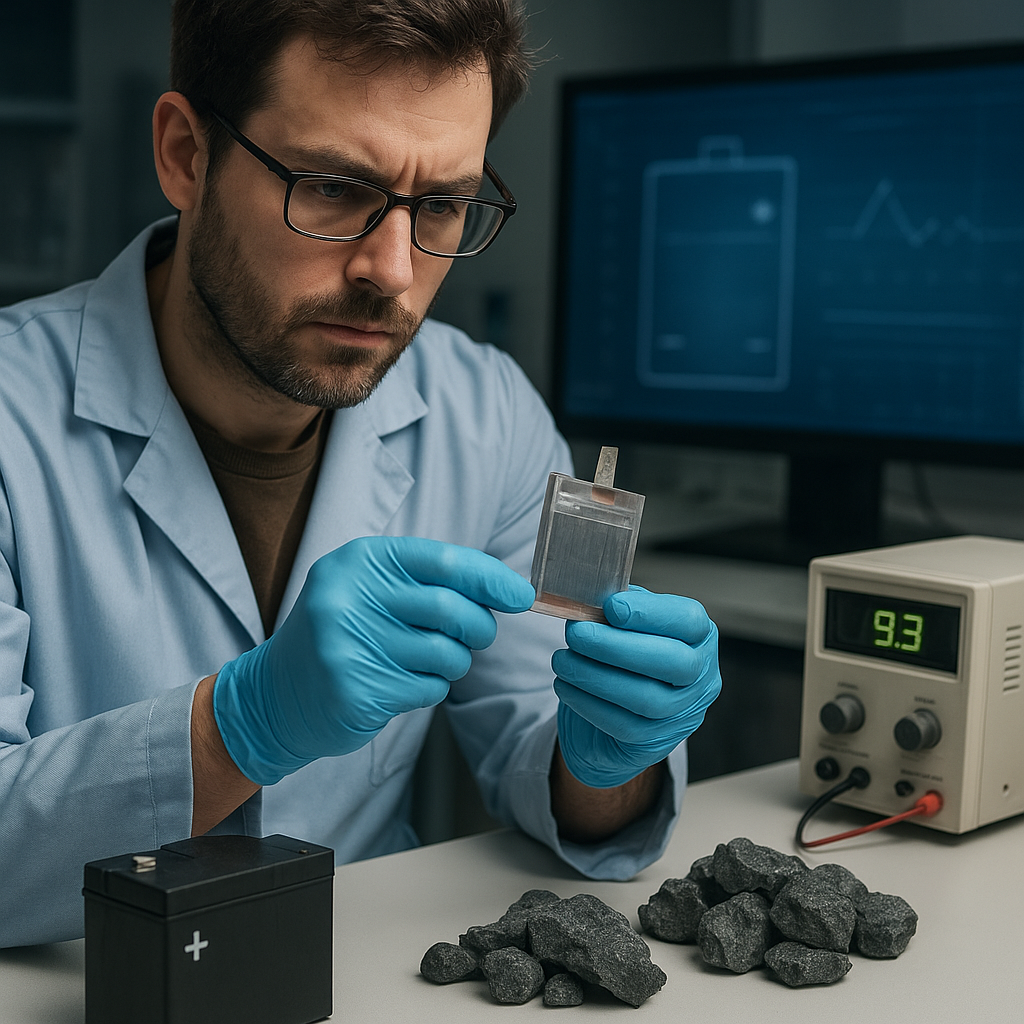
As devices shrink and power requirements rise, tungsten’s thermal conductivity and conductivity are prized in:
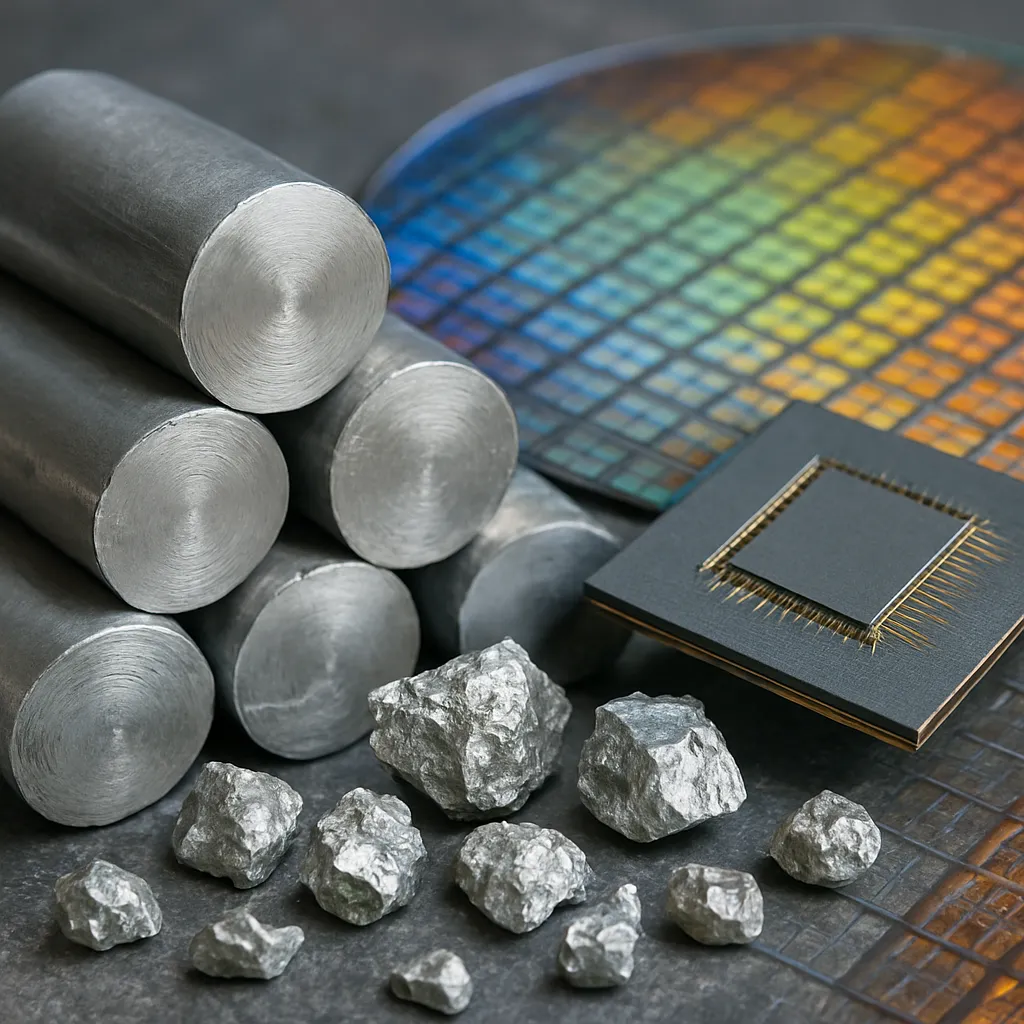
- High-performance semiconductors
- LED lighting filaments and electrodes
- Solar panel contacts
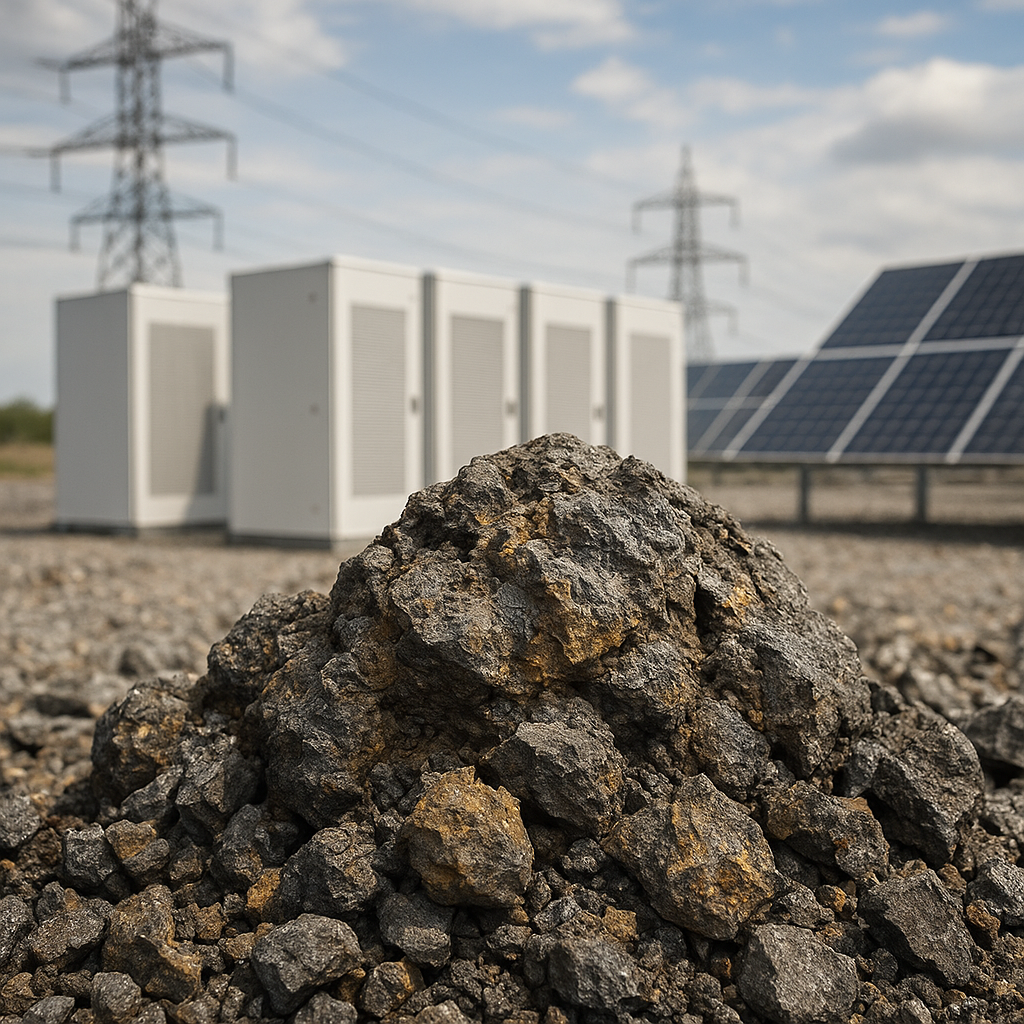
In wind turbines and electric vehicles, tungsten components enhance efficiency and longevity, directly influencing the pace of the electrification transition.
Industrial Tools and Machinery
Cutting, drilling, and milling processes rely on tungsten carbide tips and inserts. These tools deliver unmatched wear resistance, boosting productivity and reducing downtime. In sectors such as mining and metal fabrication, tungsten-based solutions are synonymous with operational excellence.
Geopolitical Pressures and Trade Considerations
The strategic value of tungsten has attracted significant geopolitical attention. National policies and international trade relations critically influence the metal’s market dynamics.
Export Controls and Tariffs
Certain governments impose export controls to secure domestic supplies. Tariffs and quotas can disrupt global flows, forcing manufacturers to seek local or alternative sources. Such measures trigger strategic stockpiling and long-term contracts to hedge against supply shocks.
Supply Chain Resilience
Organizations are reassessing procurement strategies to mitigate risks:
- Dual sourcing from diverse geographic regions
- Vertical integration through equity stakes in mining ventures
- Investment in research for novel substitutes and material optimization
These tactics aim to fortify supply chains against political upheaval, logistical bottlenecks, and regulatory changes.
International Collaboration and Standards
Multilateral forums and industry alliances work on harmonized standards for tungsten materials. Shared protocols on quality, environmental practices, and trade documentation foster transparency. Collaborative research programs encourage innovation in extraction and recycling technologies, minimizing environmental impact while enhancing resource security.
Technological Innovations and Future Outlook
Advancements in mining, processing, and applications promise to reshape tungsten’s strategic footprint. Emerging technologies offer pathways to overcome existing limitations and unlock new uses for this indispensable metal.
Next-Generation Extraction Techniques
Hydrometallurgical and bioleaching methods aim to reduce energy consumption and tailings. Nanotechnology-enhanced recovery systems target low-grade ore, expanding viable reserves. Automation and AI-driven operations improve efficiency, safety, and cost-effectiveness across the value chain.
Material Science Breakthroughs
Researchers are developing:
- Tungsten-based nanocomposites with superior strength-to-weight ratios
- Coatings that extend component lifespans under corrosive conditions
- Hybrid alloys combining tungsten with lighter metals for targeted performance
Such innovations could revolutionize sectors like biomedical devices, where biocompatibility and durability are paramount.
Market Trends and Investment Opportunities
Financial institutions and strategic investors are tracking tungsten’s trajectory:
- Exploration financing for untapped regions
- Venture capital for recycling start-ups
- Bonds and funds dedicated to critical materials
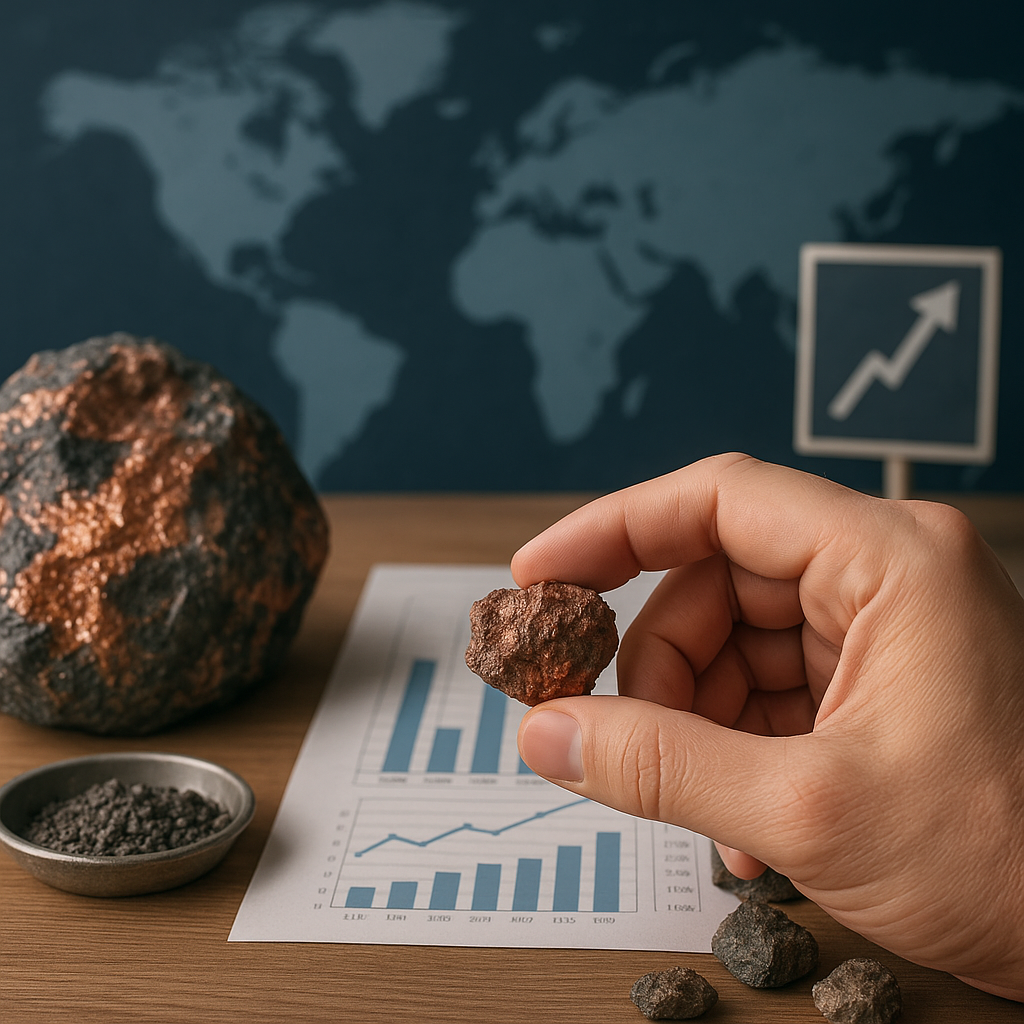
Growing interest in sustainable and ethically sourced metals aligns with global ESG principles, further elevating tungsten’s prominence.
Evolving Challenges and Strategic Imperatives
The path ahead is defined by emerging risks and the need for coherent strategies. Stakeholders must navigate a complex landscape shaped by technology, policy, and market dynamics.
Environmental and Social Governance
Mining operations face scrutiny over water usage, biodiversity impacts, and community relations. Adherence to rigorous ESG standards enhances a company’s license to operate and attracts conscientious investors. Transparent reporting and community engagement are essential to maintain social trust.
Technological Substitution Risks
While tungsten remains unmatched in many applications, research into alternative materials—such as molybdenum alloys or high-entropy ceramics—continues. The industry must balance investment in tungsten R&D with monitoring substitution threats, ensuring long-term relevance.
Strategic Stockpiling and Policy Frameworks
Governments are updating resource security policies, emphasizing:
- National strategic reserves of critical metals
- Public–private partnerships to develop domestic mining
- Incentives for advanced refining capabilities
These measures aim to insulate economies from external shocks and nurture resilient industrial ecosystems.
Conclusion
As the world transitions toward more sophisticated technologies and cleaner energy solutions, the demand for tungsten is set to escalate. Navigating supply constraints, geopolitical tensions, and environmental concerns requires concerted action. By fostering innovation, diversifying sources, and upholding sustainable practices, the global community can secure the future of this indispensable metal and maintain robust industrial capabilities.