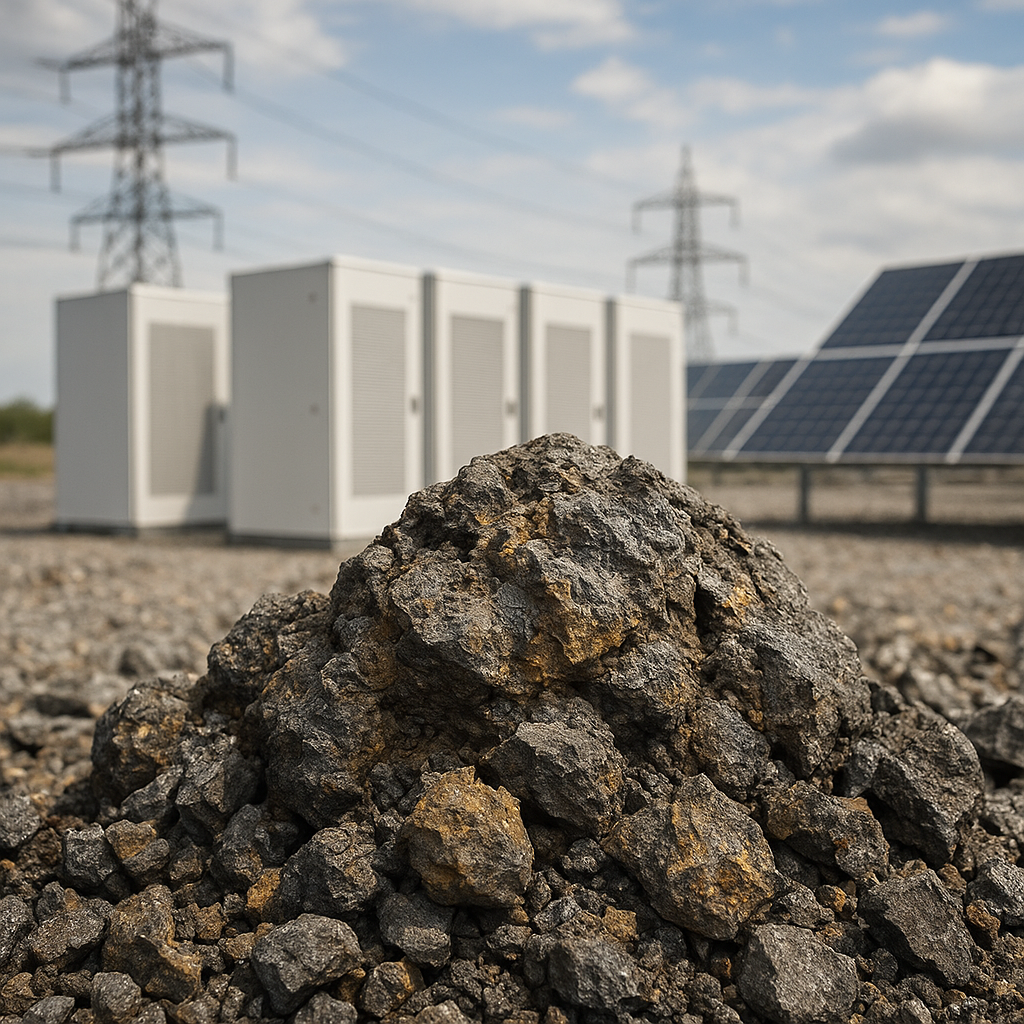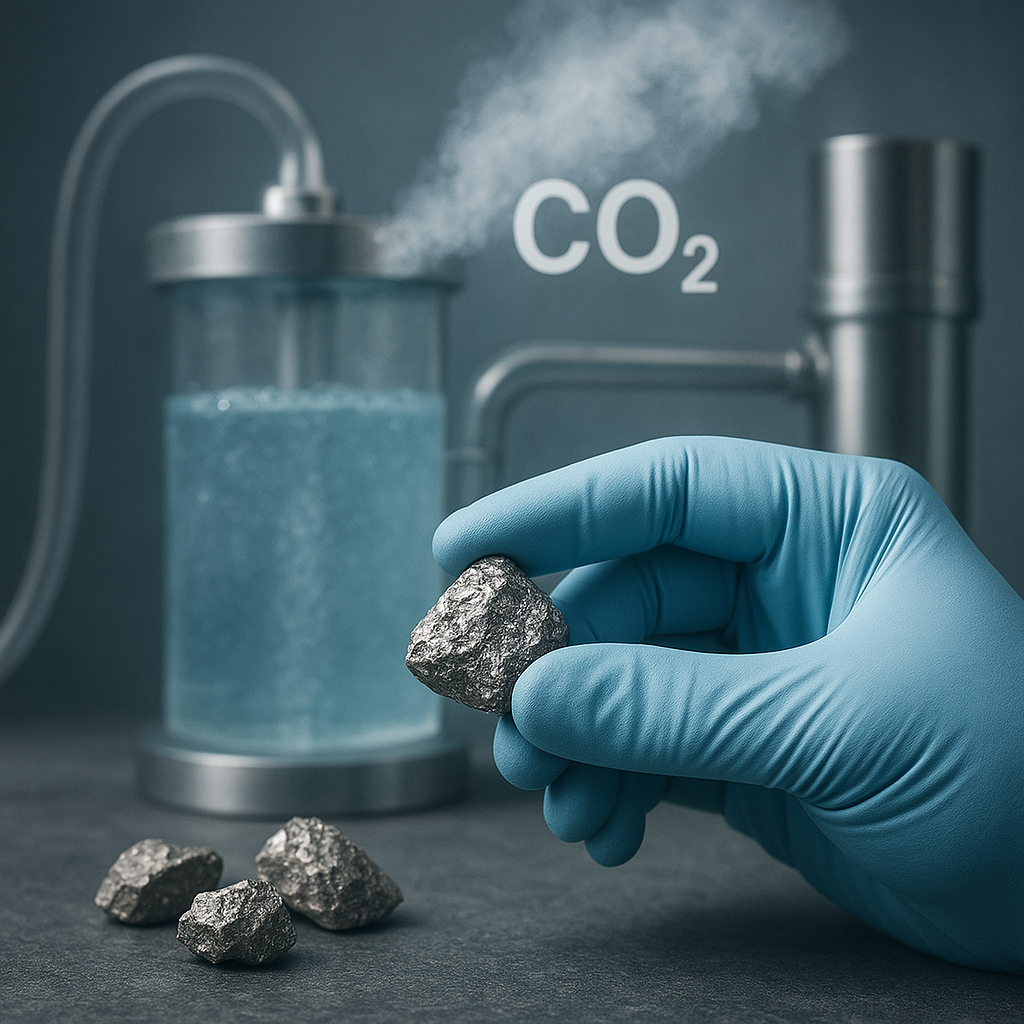
The increasing urgency to mitigate climate change has sparked remarkable progress in the field of carbon capture technologies. Among the innovations driving this movement is the strategic integration of rare metals, which serve as critical components in advanced sorbents, catalysts, and membranes. Their exceptional properties—ranging from high chemical stability to unique electronic configurations—enable more efficient CO₂ adsorption, conversion, and storage. This article explores the multifaceted role of rare metals within carbon capture systems, examining material science breakthroughs, practical applications, and the path toward large-scale deployment.
Material Properties and Mechanisms
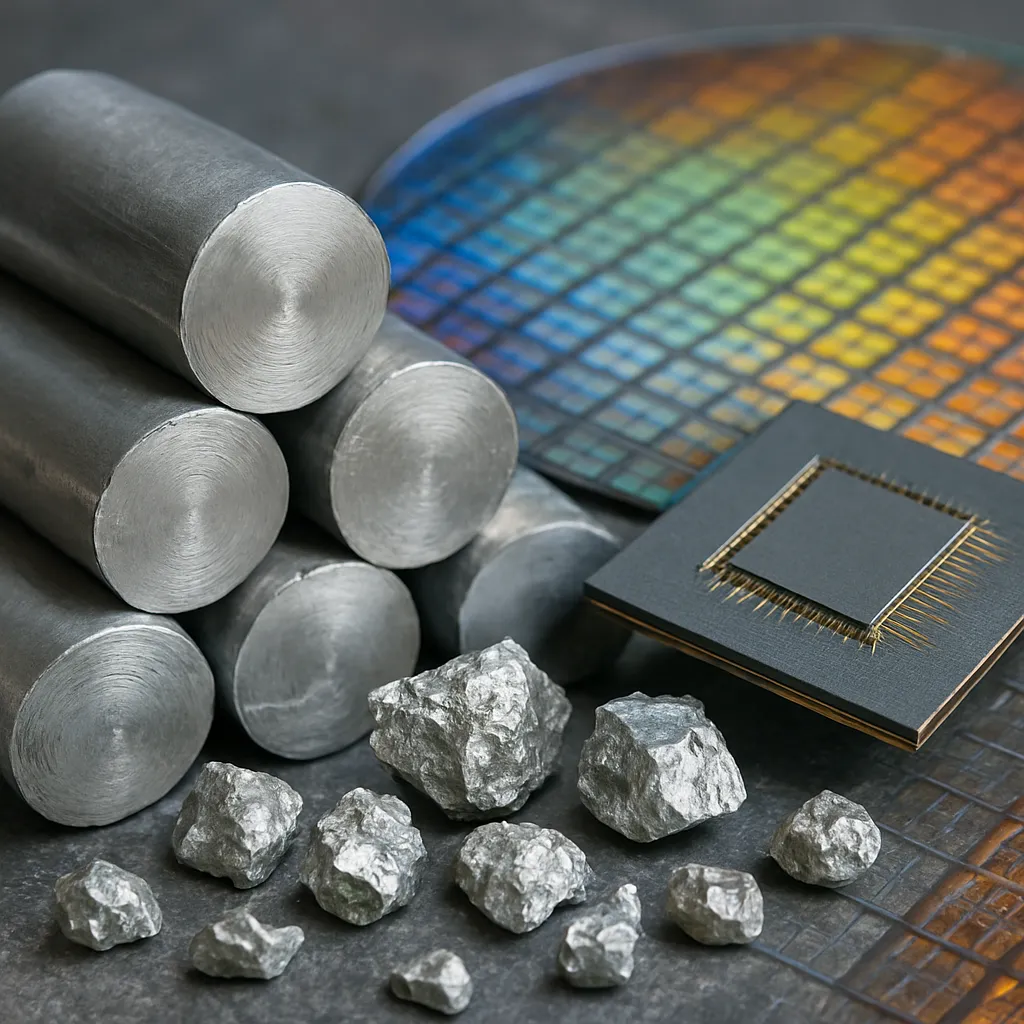
Rare metals, such as palladium, platinum, cerium, and scandium, exhibit a suite of characteristics that make them ideal for carbon capture. Their high affinity for CO₂ molecules is often attributed to variable oxidation states and finely tuned electronic structures. For instance, cerium oxide (CeO₂) can alternate between Ce³⁺ and Ce⁴⁺, promoting reversible CO₂ adsorption and release. Meanwhile, palladium-based frameworks facilitate hydrogenation and reduction reactions, enhancing catalytic conversion of captured carbon into value-added products.
At the nanoscale, metal nanoparticles and clusters introduce additional performance gains. Nanostructuring maximizes surface area, creating abundant active sites for CO₂ interaction. When embedded into porous supports—such as metal–organic frameworks (MOFs) or zeolites—these particles transform into powerful catalysts and sorbents. Research has demonstrated that integrating platinum nanoparticles into MOF channels can boost CO₂ uptake by up to 40%, owing to synergistic effects between the metal centers and the organic linkers.
Synergistic Composites
- Hybrid sorbents combining rare-earth oxides with functional polymers
- Layered double hydroxides doped with scandium or yttrium for enhanced stability
- Graphene-supported metal clusters for rapid adsorption–desorption cycles
These composites leverage the mechanical resilience of host matrices alongside the chemical reactivity of embedded metals. The result is a new generation of materials capable of withstanding harsh flue-gas conditions—high temperatures, moisture, and impurities—without significant performance degradation.
Applications in Carbon Capture Processes
Carbon capture technologies span multiple approaches, including pre-combustion, post-combustion, and direct air capture (DAC). Rare metals find roles across all these categories, tailoring solutions to specific process requirements.
Post-Combustion Capture
In traditional power plants, CO₂ concentration in flue gas is relatively low, making capture challenging. Here, rare-metal-based solvents and membranes excel. For instance, iridium complexes dissolved in ionic liquids exhibit remarkable selectivity for CO₂ over N₂, ensuring efficient separation at ambient pressure. Conversely, thin-film membranes coated with vanadium oxide layers can operate at elevated temperatures, reducing operational costs and energy penalties.
Pre-Combustion Capture
Gasification of fossil fuels yields a synthesis gas rich in CO and H₂. Water–gas shift reactors, often lined with nickel or cobalt catalysts, convert CO to CO₂. Incorporating small amounts of platinum or rhodium boosts reaction rates and allows operation at lower temperatures. This innovation not only improves conversion efficiency but also minimizes catalyst poisoning by sulfur compounds.
Direct Air Capture
Removing CO₂ directly from ambient air demands materials with ultra-high affinity. Magnesium and calcium-based sorbents have shown promise, yet their regeneration often requires harsh conditions. By contrast, cerium-doped metal oxides facilitate low-temperature desorption cycles, cutting energy consumption by up to 30%. Companies are now experimenting with modular DAC units employing scandium-infused zeolites, which combine structural integrity with high adsorption capacity.
Challenges and Future Prospects
Despite compelling advantages, the widespread adoption of rare-metal-enabled carbon capture faces hurdles. Primary among these is the scalability of extraction and processing. Many rare metals are sourced from geopolitically sensitive regions, raising supply chain concerns. Furthermore, recovery and recycling of spent catalysts and sorbents remain underdeveloped, risking environmental and economic inefficiencies.
Supply Chain and Sustainability
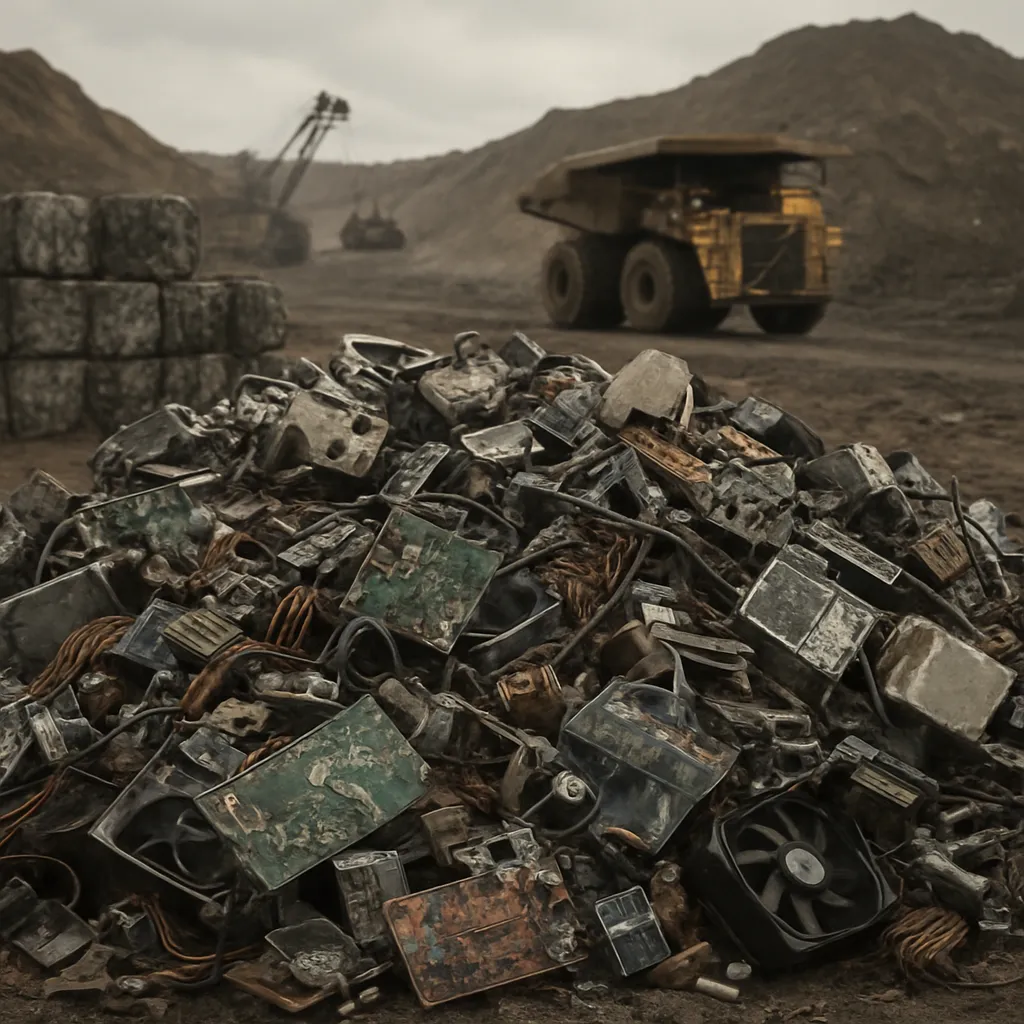
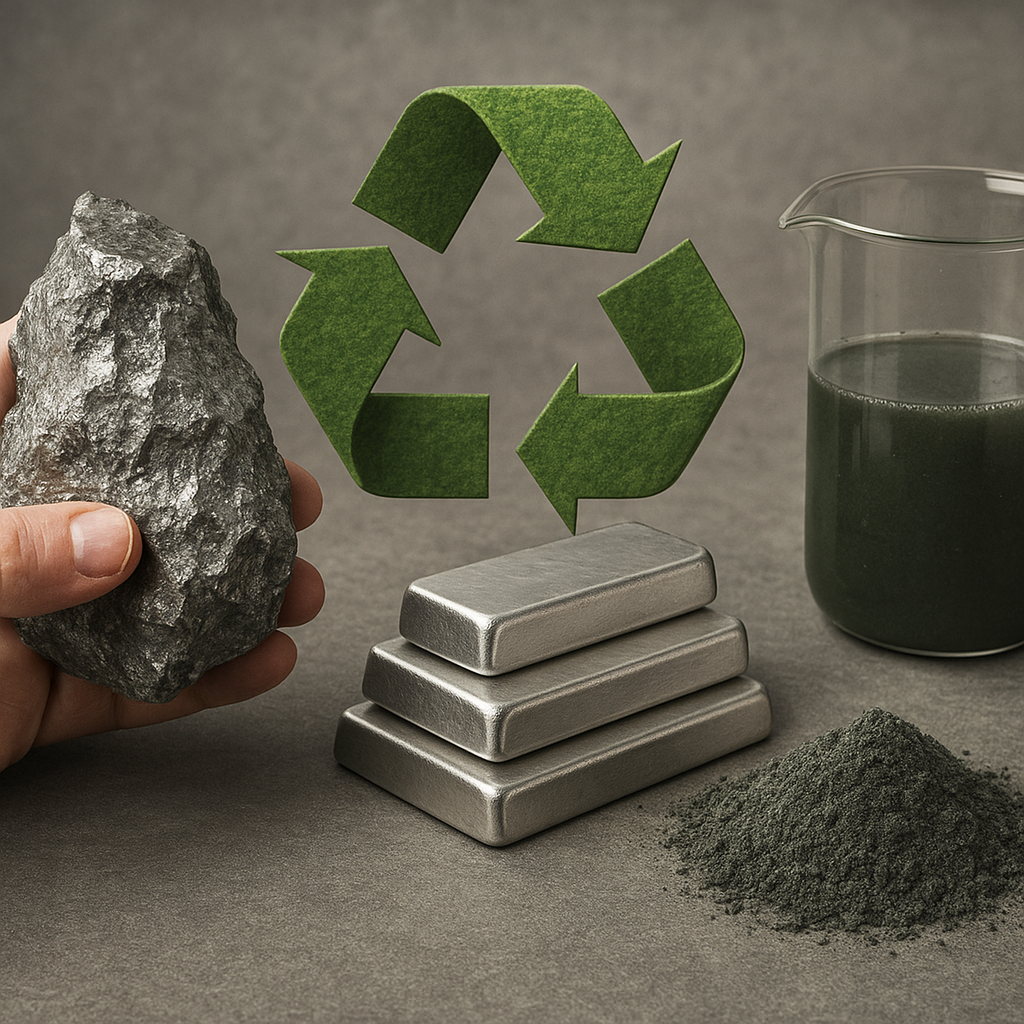
Securing critical minerals without exacerbating ecological damage necessitates innovative mining practices. For example, bioleaching—using microorganisms to extract metals—offers a low-impact alternative to conventional smelting. Additionally, circular approaches that reclaim rare metals from electronic waste or decommissioned catalysts can help close the material loop. Implementing these strategies aligns with broader goals of sustainability and resource security.
Cost Reduction and Process Integration
Economic viability demands continuous cost reduction through material optimization and process intensification. Researchers are exploring earth-abundant substitutes, such as manganese- or iron-based analogues, that may replicate the performance of platinum-group metals. Meanwhile, process integration—coupling carbon capture with renewable energy sources or industrial waste heat—can leverage innovation to slash operational expenses.
- Developing low-cost synthesis routes for metal–organic frameworks
- Engineering multifunctional membranes with built-in catalytic sites
- Designing modular units for rapid deployment at dispersed emission sources
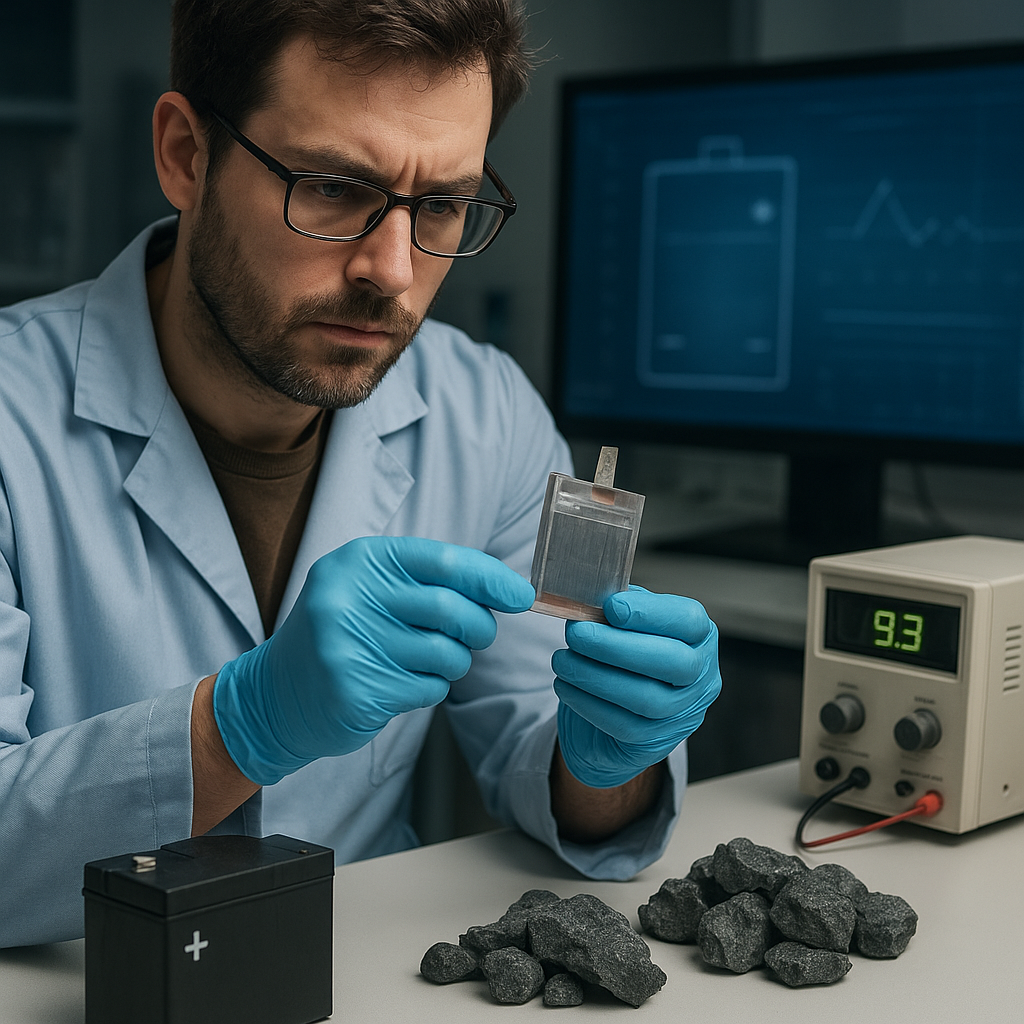
Advancements in computational modeling and machine learning also accelerate material discovery. By screening thousands of metal–ligand combinations in silico, scientists can pinpoint promising candidates before committing to costly laboratory synthesis. These efforts pave the way for next-generation sorbents and catalysts that optimize sequestration and conversion pathways.
Innovative Pathways to Carbon Utilization
Beyond mere capture, the valorization of CO₂ into fuels, chemicals, and building materials transforms a pollutant into a resource. Rare metals are pivotal in catalytic processes that upgrade CO₂, enabling the synthesis of methanol, hydrocarbons, and polymer precursors. For instance, copper–rhenium alloys exhibit high selectivity for CO₂ electroreduction to ethanol, while ruthenium-based systems demonstrate proficiency in Fischer–Tropsch synthesis.
Coupling carbon capture units with downstream conversion reactors fosters circular carbon economies. Pilot projects are already underway, featuring integrated platforms where flue gas is scrubbed and the resulting CO₂ stream is fed directly into catalytic reactors. Such holistic designs emphasize both capture efficiency and downstream membranes for selective product separation, maximizing overall process sustainability.
Conclusion
The incorporation of rare metals into carbon capture technologies represents a frontier where materials science converges with environmental engineering. Through targeted design of nanostructures, hybrid composites, and catalytic membranes, researchers are achieving unprecedented performance in CO₂ removal and utilization. Addressing supply chain constraints, reducing costs, and improving recyclability remain critical to scaling these solutions. As the demand for climate mitigation intensifies, the strategic deployment of rare metals will continue to catalyze breakthroughs, driving the transition toward a carbon-neutral future.