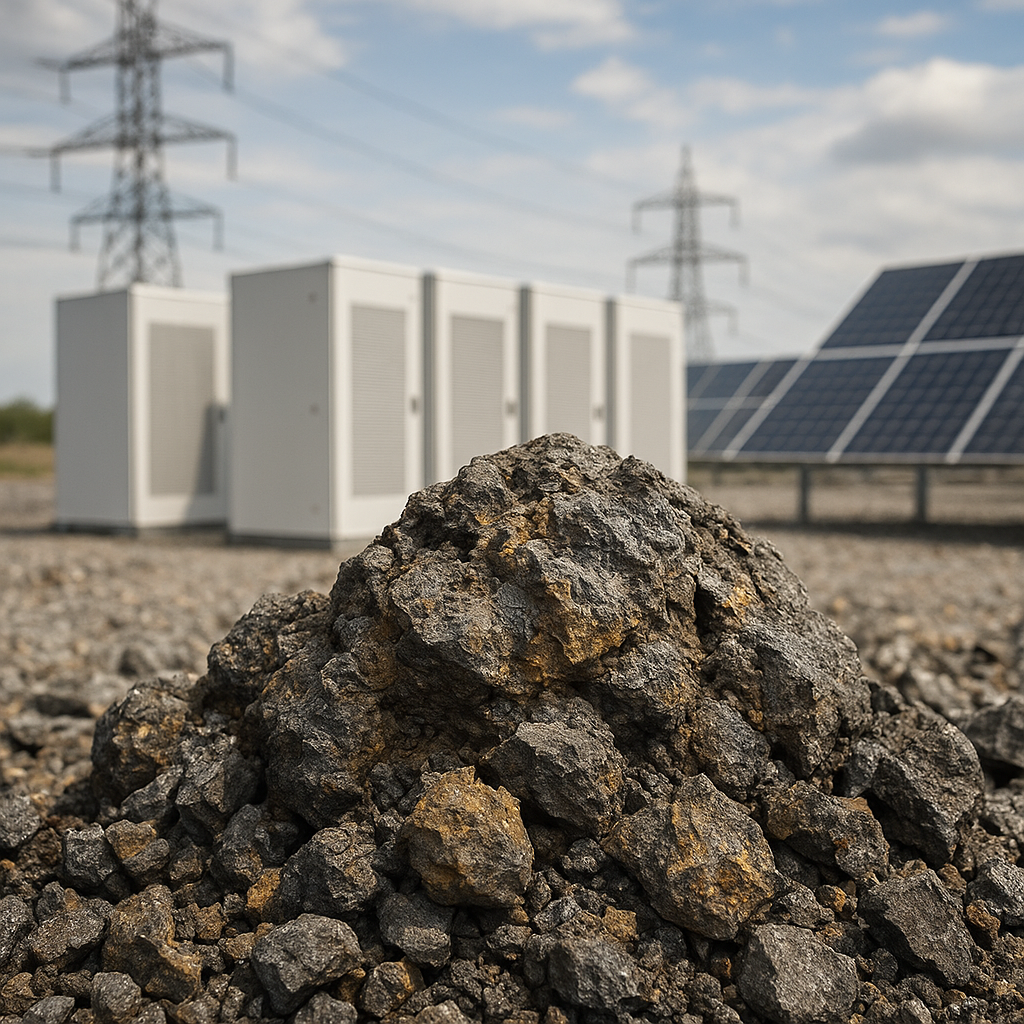
The dynamic landscape of global rare metals markets presents both unprecedented opportunities and daunting challenges. From deep-sea extraction initiatives to artisanal mining operations, the complexities of sourcing cobalt, lithium, and other critical elements have exposed supply chains to geopolitical, environmental, and regulatory pressures. Enhanced transparency across all stakeholders can illuminate hidden bottlenecks, strengthen risk mitigation strategies, and pave the way for a more stable and ethical supply of these indispensable materials.
Market Transparency and Supply Chain Vulnerabilities
Efficient markets rely on clear information flows, yet the rare metals sector often suffers from opaque transactions, undisclosed reserves, and fragmented reporting standards. These deficiencies contribute to price volatility and raise the likelihood of risk events such as sudden export bans or unanticipated production halts. By adopting common reporting frameworks and opening access to verified data, industry participants can reduce uncertainty and align expectations across producers, traders, and end-users.
Key factors driving supply risks include:
- Geopolitical tensions that disrupt shipping routes or trigger trade restrictions
- Concentration of reserves in a handful of countries lacking robust governance
- Environmental and social compliance lapses that lead to operational shutdowns
- Lack of real-time information on inventory levels at smelters and warehouses
When market transparency increases, stakeholders gain visibility into these vulnerabilities. Investors can perform more accurate data-driven stress tests, while manufacturers can diversify sourcing strategies based on publicly available reserve and production figures. Over time, enhanced disclosure standards foster trust, reduce speculative behavior, and facilitate smoother price discovery.
Enhanced Data Sharing and Traceability
Traceability initiatives aim to map every stage of the metal’s journey—from mine face to final product—thereby closing loopholes that can mask unethical or non-compliant practices. Digital ledger technologies, such as blockchain, provide immutable records of transactions and material movements, bolstering accountability and auditability across the value chain.
Implementing Robust Traceability Frameworks
- Adoption of standardized digital passports embedding key attributes (origin, grade, ownership changes)
- Integration of IoT sensors for real-time monitoring of ore shipments and storage conditions
- Partnerships with certified third-party auditors to verify chain-of-custody claims
- Open-access registries that allow regulators, NGOs, and customers to track compliance metrics
These mechanisms not only deter illicit extraction and trade but also help manufacturers demonstrate compliance with environmental and human rights standards. Companies that prioritize traceability can proactively address supply disruptions, such as those caused by labor disputes or logistic bottlenecks, before they escalate into broader crises.
Collaborative Governance and Stakeholder Engagement
Supply chain transparency thrives when diverse actors unite under common governance structures. Multi-stakeholder initiatives bring together governments, industry associations, civil society, and local communities to co-create policies and monitoring protocols. Such collaboration ensures that governance frameworks reflect the interests of marginalized groups while maintaining commercial viability.
Models for Joint Oversight
- Regional transparency compacts that set shared reporting requirements for all mining operators
- Public–private partnerships to fund satellite-based detection of illegal mining activities
- Grievance mechanisms allowing community voices to flag environmental or safety breaches
- Capacity-building programs equipping regulators with digital tools for real-time data analysis
By fostering open dialogue and co-investment in monitoring infrastructure, these models reduce the occurrence of sudden regulatory clampdowns or reputational scandals. As transparency standards mature, supply chain participants can shift from reactive crisis management to proactive risk anticipation.
Technological Innovations Driving Transparency
Emerging technologies are reshaping how rare metals information is captured, verified, and disseminated. Advanced analytics leveraging artificial intelligence can predict demand shifts based on macroeconomic indicators, while remote sensing platforms map geological formations with unprecedented precision. Together, these tools enhance reliability of supply forecasts and enable preemptive mitigation of potential disruptions.
Key Technologies in Focus
- Machine learning algorithms analyzing global trade flows to detect early signs of market tightness
- Drone- and satellite-based surveys that quantify untapped reserves and monitor environmental compliance
- Smart contracts enforcing automatic payments only when certification milestones are met
- Decentralized data marketplaces that reward data contributors for sharing verified production metrics
Combined, these innovations foster an ecosystem where data-driven decisions replace anecdotal assessments. Investors gain more visibility into project viability, while manufacturers can negotiate long-term supply agreements backed by credible performance histories.
Sustainability and Future Outlook
Heightened transparency not only reduces supply risks but also underpins broader sustainability goals. Ethical sourcing becomes more than a marketing claim; it evolves into a measurable attribute verified by tamper-proof data trails. This shift drives compliance with environmental regulations and embeds social responsibility into every link of the chain.
Looking ahead, continuous improvements in transparency will likely include:
- Harmonized global standards that unify reporting formats across jurisdictions
- Real-time dashboards accessible to all stakeholders, displaying key performance indicators
- Integration of carbon-footprint accounting to track emissions from extraction to processing
- Collaborative funding models incentivizing data sharing among competitors for mutual benefit
By embracing open information flows, the rare metals industry can transform supply challenges into opportunities for innovation and collaboration. As transparency becomes the norm rather than the exception, market resilience will be strengthened, ensuring a steady inflow of critical materials essential for the clean energy transition and next-generation technologies.