The global market for rare metals has become a linchpin in modern economies, influencing sectors from renewable energy to defense. As governments navigate a web of partnerships, the interplay of alliances and competition shapes the availability and pricing of these critical materials. Examining the evolving dynamics reveals how political pacts and trade agreements directly impact supply chains, technological progress, and national security strategies.
1. Strategic Dependencies and Supply Chains
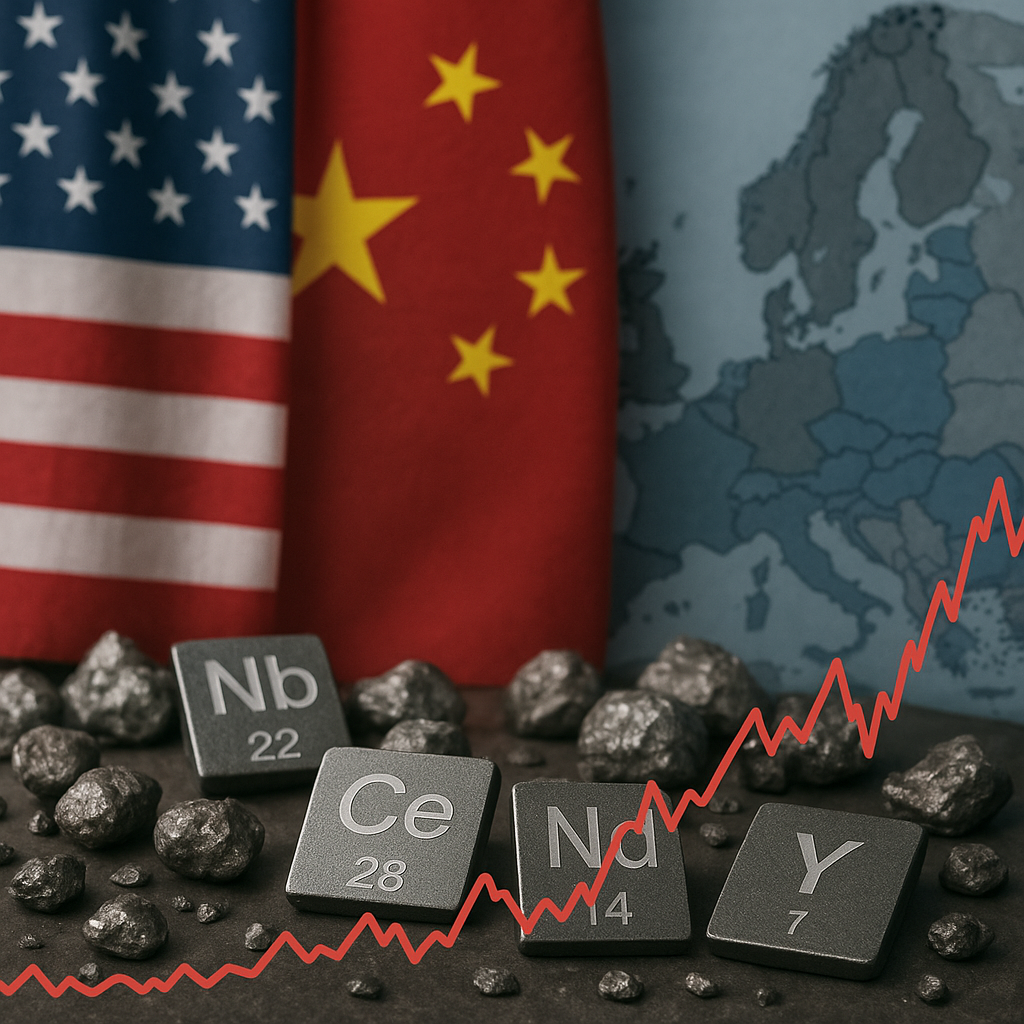
Rare metals such as rare-earths, lithium, cobalt, and platinum-group elements underpin advancements in electronics, batteries, and aerospace. Many nations lack domestic mining operations, rendering them reliant on a handful of producers. China, for instance, controls more than 60% of global rare-earth processing capacity. This concentration fosters strategic dependencies, prompting consuming countries to forge partnerships aimed at ensuring stable inflows.
Efforts to mitigate risks include:
- Joint mining ventures in Africa and South America
- Long-term offtake agreements with suppliers
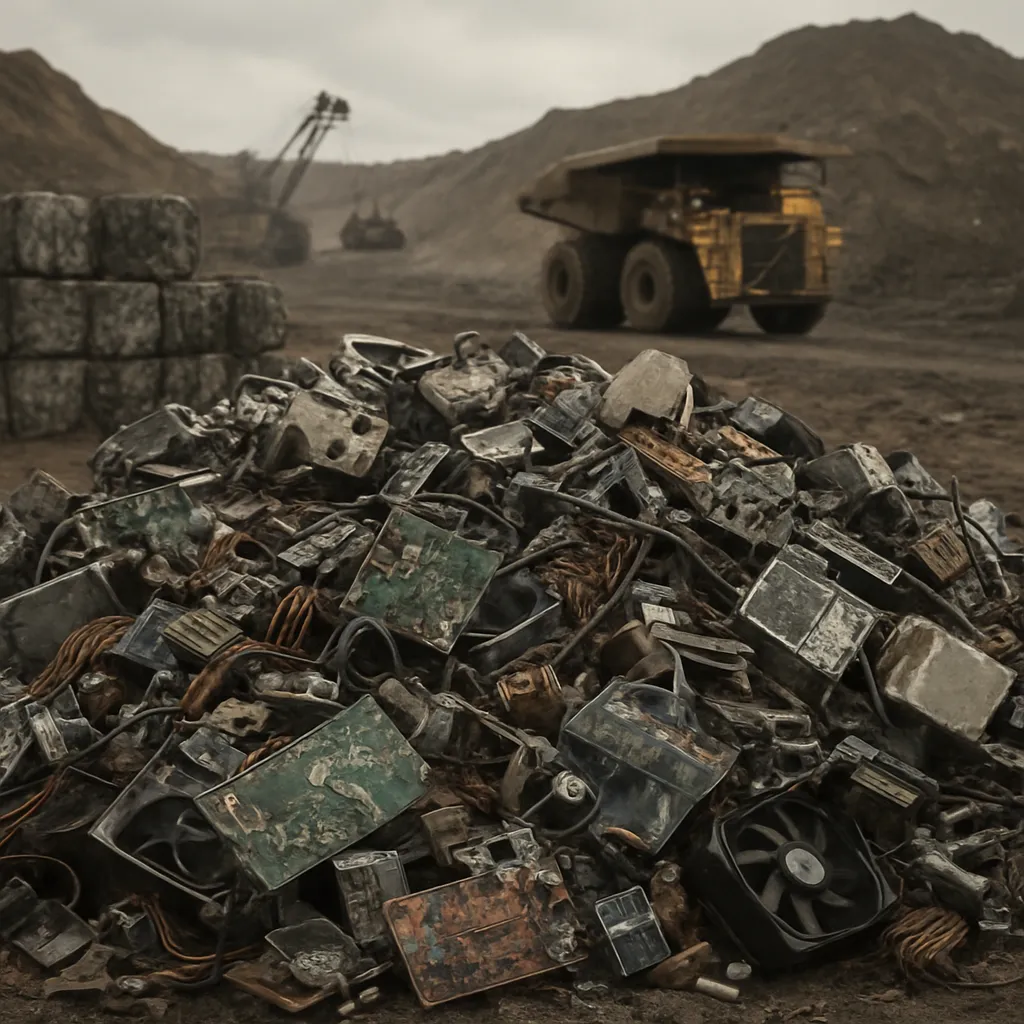
- Development of recycling programs to reclaim metals from end-of-life products
However, such initiatives often collide with protectionist policies. Export restrictions, environmental regulations, and local content requirements can stall projects. Thus, supply chain resilience hinges on building trust among partners and aligning regulatory frameworks. In this context, supply diversification becomes a critical goal, requiring investments in alternative sources and processing facilities outside dominant regions.
2. Alliance Formation and Market Access
Economic blocs and security coalitions have begun to incorporate rare metal cooperation into their agendas. The European Union’s Raw Materials Initiative and the U.S. Mineral Security Partnership exemplify how states pool resources to secure critical inputs. These alliances deliver multiple advantages:
- Market access through preferential tariffs and streamlined customs procedures
- Shared research funding to explore new extraction and refining techniques
- A unified stance in global forums to contest unfair trade practices
By negotiating collective offtake contracts, member nations can achieve economies of scale. Yet the heterogeneity of industrial demands—ranging from automotive battery makers to defense manufacturers—adds complexity. Balancing the needs of high-volume consumers against specialized end users becomes a diplomatic challenge. Additionally, aligning environmental and labor standards across diverse partners demands sustained coordination, often extending negotiation timelines.
3. Technological Competition and Innovation
The race to develop substitutes and optimize processing methods underscores a broader contest for technological leadership. Innovations such as ion-exchange separation, molecular sieves, and deep-sea mining hold promise for reducing dependence on entrenched producers. In response, governments channel subsidies and grants to domestic firms, seeking to leapfrog existing capabilities.
Research Collaborations
Academic institutions, national labs, and private enterprises in allied countries frequently establish joint research centers. These hubs focus on:
- Extractive metallurgy improvements
- Eco-friendly leaching processes
- High-efficiency recycling of electronic waste
Underpinning these partnerships is the shared goal of accelerating innovation. Yet intellectual property considerations often dictate the scope of collaboration. Striking a balance between open exchange and proprietary protection remains a persistent hurdle. Moreover, as geopolitical tensions rise, restrictions on cross-border talent movement can hamper research progress.
4. Toward Resilience and Diversification
Facing potential supply shocks, nations are reassessing their investments in rare metal projects while exploring new alliances. Recent agreements in Southeast Asia and Central Asia diversify sources for lithium and titanium. Meanwhile, some countries turn to domestic recycling to capture secondary streams of critical elements.
Key strategies include:
- Establishing national strategic stockpiles
- Incentivizing private sector participation through tax credits and loan guarantees
- Strengthening regional mining clusters with shared infrastructure
Transitioning from merely reactive measures to proactive planning demands sustained political commitment. Building resilience involves fostering flexible partnerships that can adapt to shifting geopolitical landscapes. By prioritizing diversification and collaboration, states can insulate their industries from abrupt disruptions. Ultimately, the intersection of diplomatic ties and resource strategy will define the next era of global competition and cooperation in rare metals.