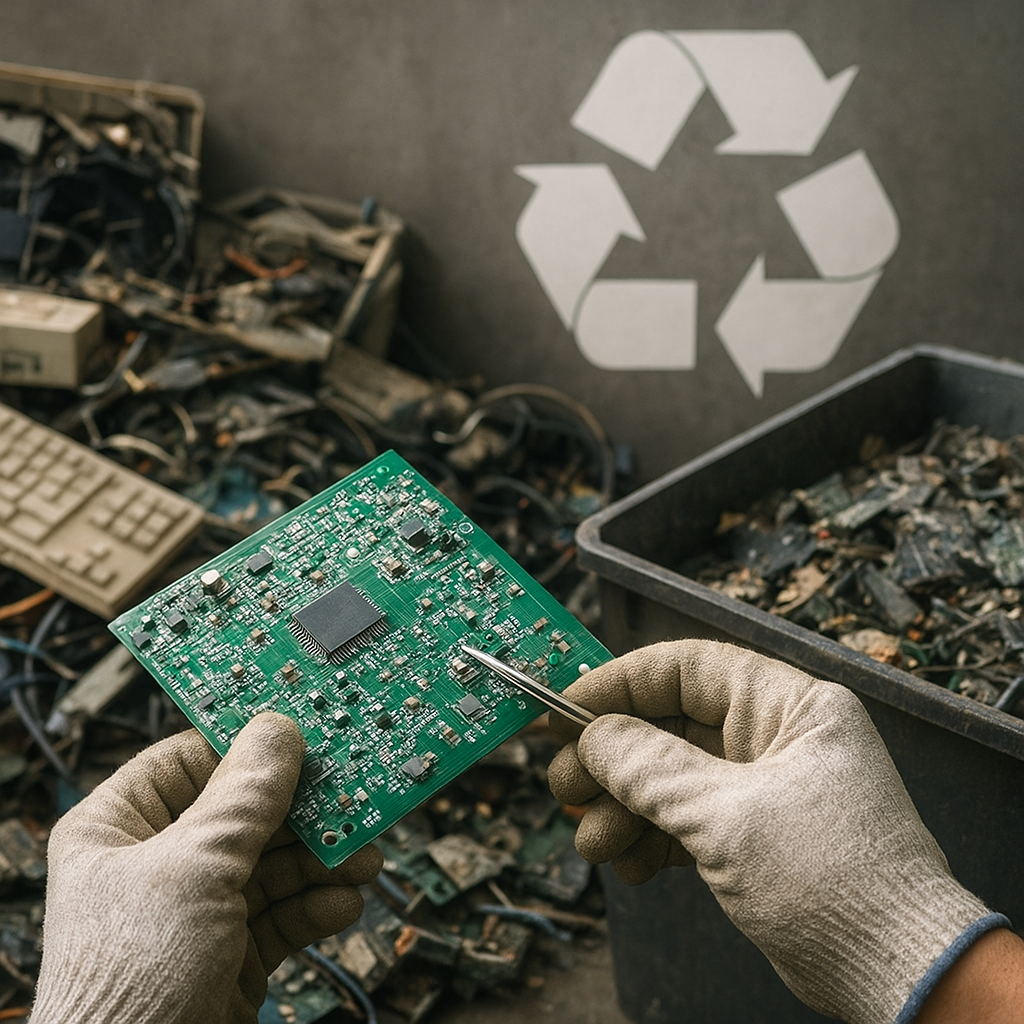
Rapid technological advances and the proliferation of consumer electronics have led to an unprecedented accumulation of electronic waste worldwide. Discarded smartphones, laptops, and other devices contain a treasure trove of critical metals that are essential for modern industries, from renewable energy systems to electric vehicles. Recovering these resources through effective recycling not only alleviates supply risks but also reduces the environmental footprint associated with primary mining. This article explores the composition of e-waste, the hurdles to efficient recovery, innovative processing methods, market dynamics, and policy measures that can drive a more circular future.
Critical Metals in Modern Electronics
Consumer electronics are complex assemblies of plastics, glass, and a variety of metals. Among these, certain elements are both scarce and strategically important:
- Lithium: Used in rechargeable batteries, its demand has surged with the growth of electric vehicles and portable devices.
- Cobalt: Enhances battery stability and energy density but often comes with ethical and supply concerns.
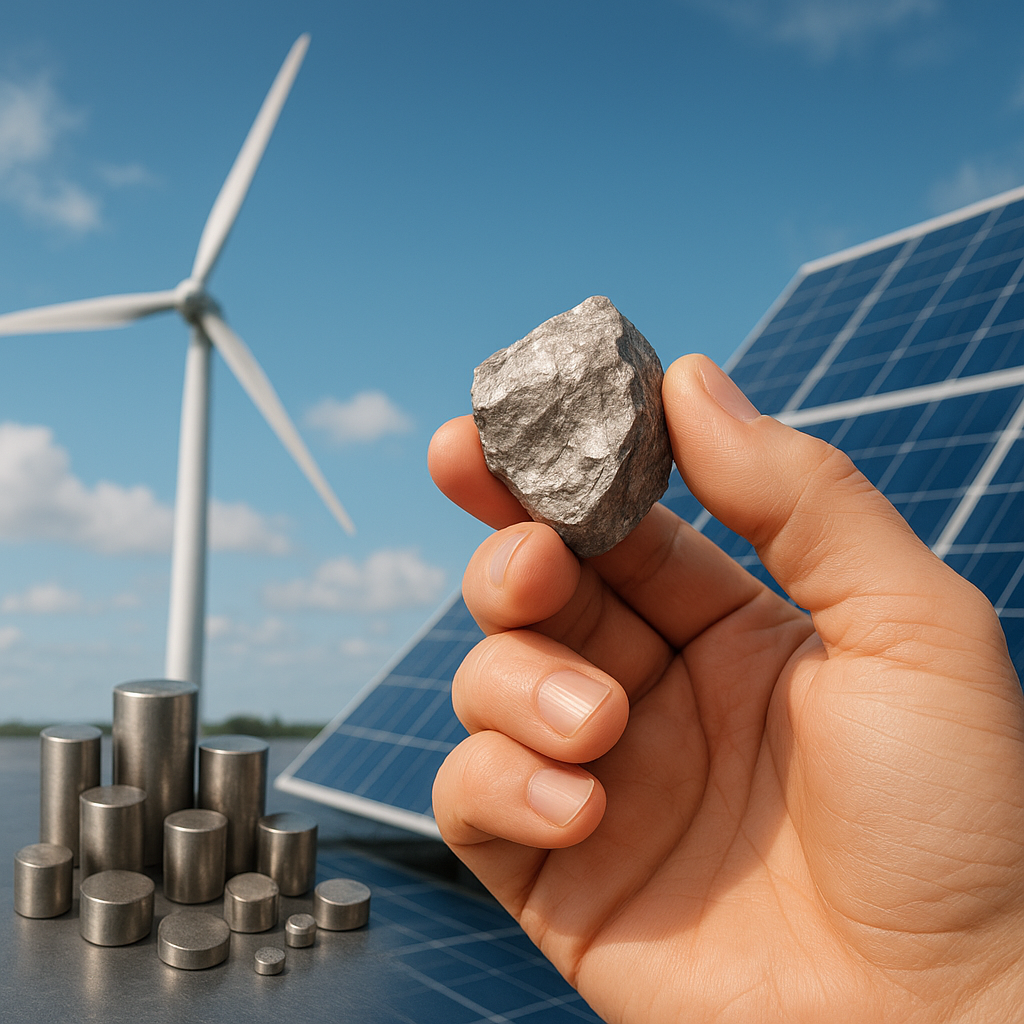
- Rare earth elements (e.g., neodymium, dysprosium): Vital for permanent magnets in motors, speakers, and wind turbines.
- Precious metals (gold, silver, palladium): Employed in connectors and printed circuit boards for their conductivity and corrosion resistance.
- Base metals (copper, nickel, tin): Present in wiring, solder, and casings, they remain highly recyclable.
Collectively, these materials can represent up to 40% of a device’s total economic value despite accounting for only a small fraction of its weight.
Technical Challenges in Recycling Electronic Waste
Turning complex electronics into reusable raw materials involves several obstacles:
- Fragmented supply chains: Devices are sourced globally, making consistent collection and transport difficult.
- Material heterogeneity: Mixed plastics, composite laminates, and micro-components demand sophisticated separation.
- Hazardous substances: Lead, mercury, and flame retardants require specialized treatment to avoid environmental contamination.
- Small-scale components: Miniaturization increases the ratio of labor and processing costs to recoverable metal value.
- Informal sector practices: In many regions, unsafe manual dismantling leads to worker exposure and pollution.
Overcoming these hurdles is essential to unlock the full potential of e-waste as an urban mining resource.
Innovative Technologies and Processes
Recent research and pilot operations have yielded a suite of approaches that enhance both recovery rates and environmental compliance.
Mechanical Pretreatment and Sorting
Shredders, eddy current separators, and density-based classifiers provide an initial concentration of metal-bearing fractions. Advanced optical sorters can even identify circuit boards and cable insulation for targeted downstream processing.
Hydrometallurgy
In contrast to energy-intensive smelting, hydrometallurgy uses aqueous lixiviants—such as acids or organic solvents—to selectively dissolve metals. Typical steps include:
- Leaching: Nitric, sulfuric, or bio-derived acids extract base and precious metals.
- Solvent extraction: Complexing agents separate specific ions like cobalt or nickel.
- Electrowinning: Metals are recovered in pure form via electric current.
This approach can achieve recovery efficiencies above 90% for many critical metals.
Bioleaching and Biometallurgy
Harnessing microorganisms to oxidize metal-bearing compounds represents a promising low-energy route. Certain bacteria thrive on copper or nickel sulfides, releasing ions that are subsequently recovered through conventional techniques. Bioleaching is particularly attractive for processing low-grade materials and reducing greenhouse gas emissions.
Direct Recycling and Component Reuse
Rather than extracting pure metals, direct recycling repurposes functional modules, such as battery electrodes or magnet assemblies. This method minimizes chemical processing and preserves the structural integrity of high-value parts.
Global Rare Metals Market and Geopolitical Implications
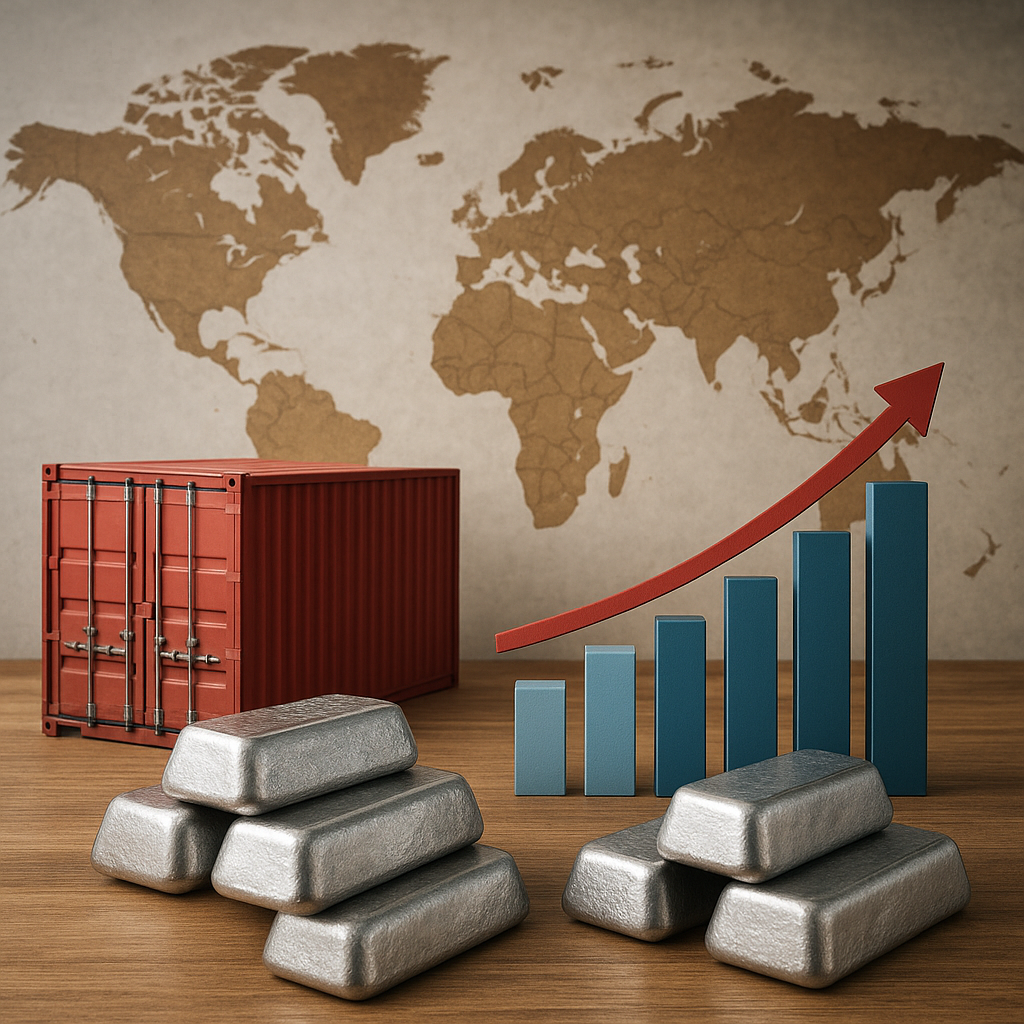
The supply chain for rare earth elements and other critical metals is highly concentrated. Over 60% of rare earth mining and processing occurs in a single country, creating potential bottlenecks. Key factors include:
- Geological distribution: Certain metals are found in limited geological settings, such as lithium brines in South America or cobalt deposits in Central Africa.
- Export restrictions: Governments may impose quotas or tariffs to protect domestic interests, affecting downstream industries.
- Strategic stockpiles: Nations are establishing reserves to buffer against market volatility and ensure defense-related supply.
Recycling can serve as a hedge against these geopolitical risks by diversifying supply sources and promoting decentralized recovery.
Environmental and Economic Benefits of E-Waste Recycling
Proper management of discarded electronics reduces the environmental impact of raw material extraction:
- Resource conservation: Each ton of recycled circuit boards can yield 40–800 g of gold, cutting the need for primary mining.
- Greenhouse gas reduction: Recycled aluminum and copper consume up to 95% less energy than virgin production.
- Waste minimization: Recovering plastics and polymers reduces landfill volume and the risk of toxic leachates.
- Job creation: Advanced recycling facilities generate employment in engineering, operations, and R&D.
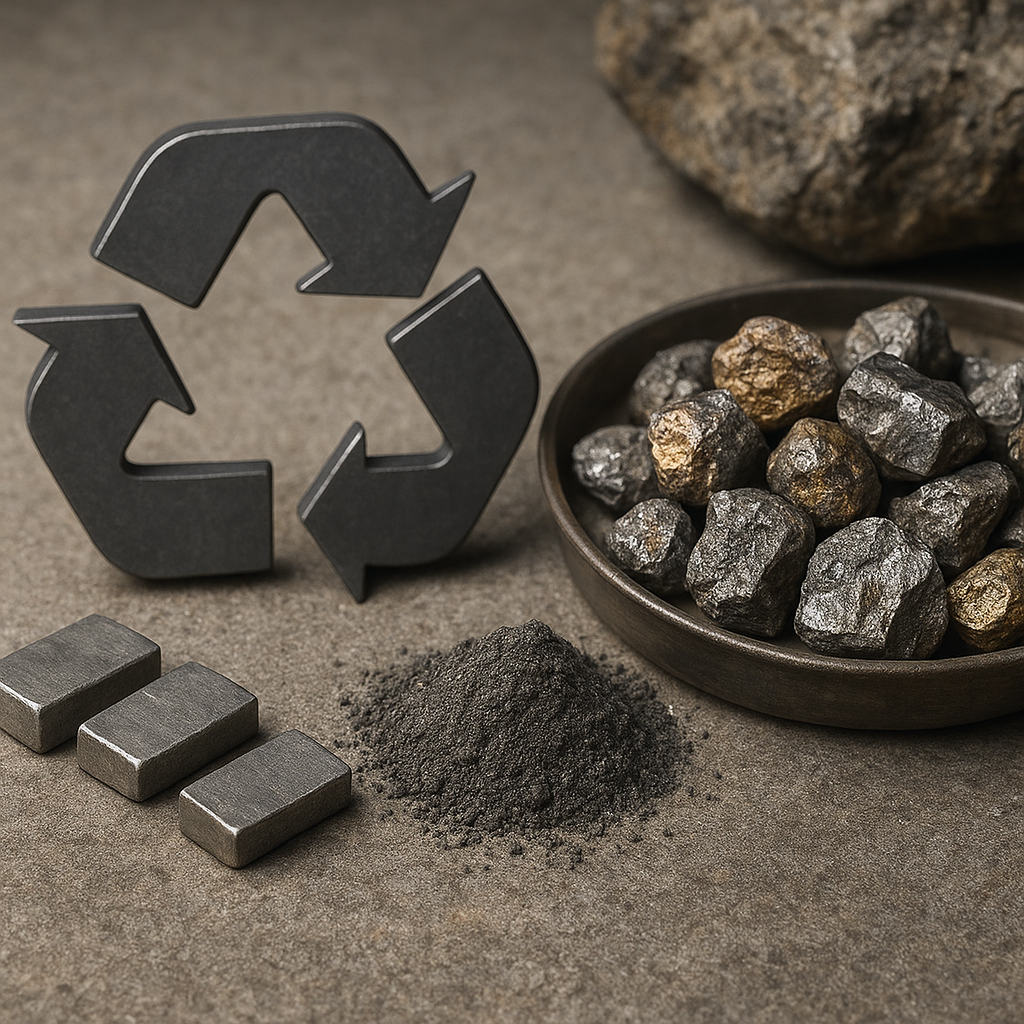
Integrating recycled metals into new products also fosters a circular economy, where materials continuously flow through design, use, and recovery phases.
Policy Frameworks and Industry Collaboration
Effective recycling depends on coherent regulations and partnerships across stakeholders:
- Extended Producer Responsibility (EPR): Requires manufacturers to finance end-of-life management, incentivizing eco-design.
- International standards: Harmonized guidelines for transport and processing of hazardous components streamline cross-border trade.
- Public–private partnerships: Joint ventures between governments, recyclers, and tech firms accelerate infrastructure investment.
- Consumer engagement: Awareness campaigns and convenient drop-off points increase collection rates.
By aligning policy incentives with technological innovation, the e-waste sector can evolve towards greater efficiency and sustainability, ensuring that valuable metals re-enter the industrial cycle rather than becoming environmental liabilities.