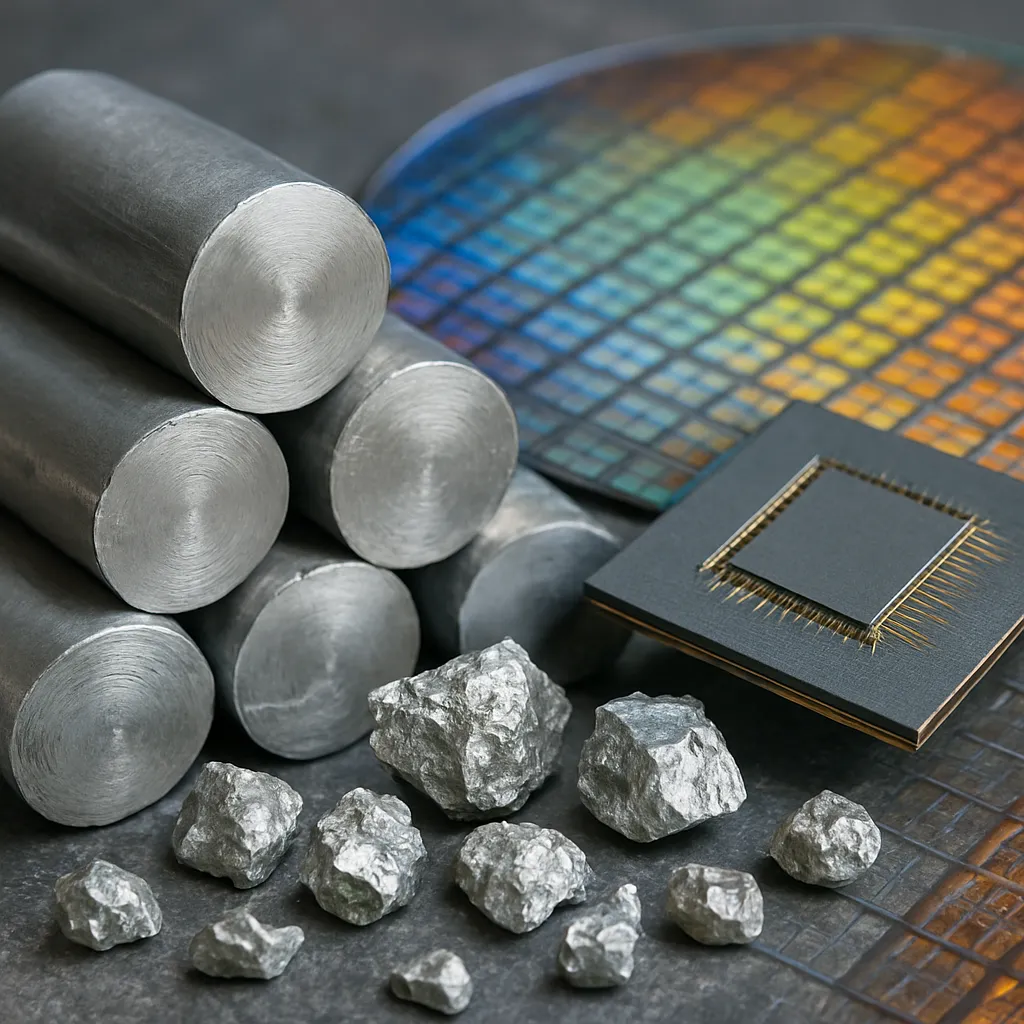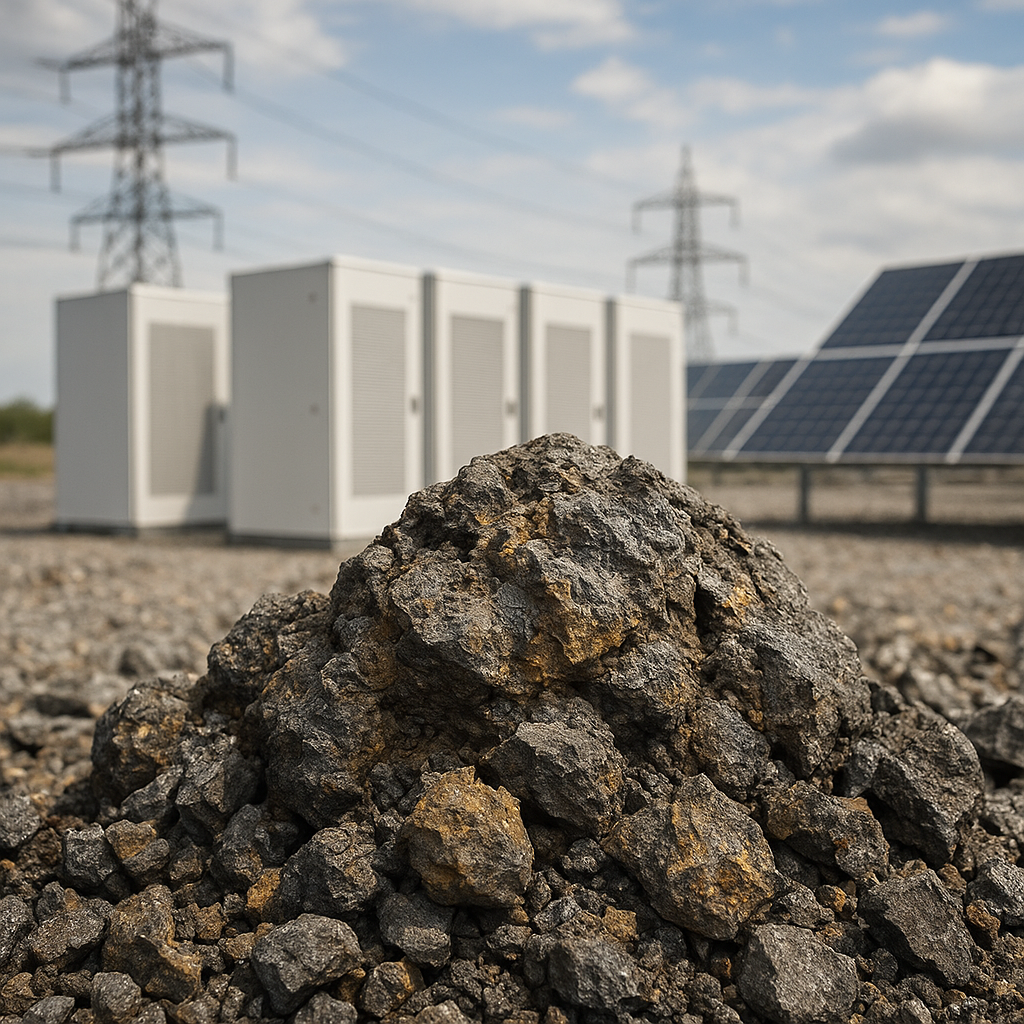
As the demand for cutting-edge devices continues to surge, two often-overlooked metals have emerged as linchpins in the advancement of electronics and communications: gallium and germanium. These elements, though not as famous as gold or silver, play a pivotal role in shaping the contours of modern technology—from powerful microchips to high-speed fiber optic networks. This article explores their unique properties, critical applications, global supply chain dynamics, environmental considerations, and the road ahead for sustainable development.
Essential Properties and Roles in High-Tech Applications
The distinct atomic structures of gallium and germanium confer properties that are invaluable to industries reliant on precision and performance. While both elements sit just below carbon and silicon in the periodic table, they exhibit semiconducting behavior that can be fine-tuned by doping and alloying.
Electronic and Optical Characteristics
- Semiconductor Behavior: Both elements offer energy band gaps that are ideal for diode and transistor functions. For instance, gallium arsenide (GaAs) is prized for its direct band gap, which enables efficient light emission and high electron mobility.
- Optics and Photonics: Germanium is transparent to infrared radiation, making it the material of choice for infrared lenses, thermal imaging, and night-vision devices. Its refractive index also lends itself to lens systems in surveillance and aerospace applications.
- Alloys and Composites: When alloyed with elements like aluminum or indium, gallium creates compounds with enhanced thermal stability and power-handling capabilities, essential for high-frequency amplifiers and radar systems.
Key Industry Applications
Major sectors leveraging these metals include:
- Consumer Electronics: From smartphones to gaming consoles, gallium-based semiconductors deliver higher clock speeds and lower power consumption than traditional silicon chips.
- Telecommunications: Fiber-optic networks benefit from gallium and germanium doped waveguides and amplifiers, ensuring long-distance data transmission with minimal loss.
- Renewable Energy: Gallium-based solar cells, particularly those using copper indium gallium selenide (CIGS), offer higher conversion efficiencies and flexibility for building-integrated photovoltaic panels.
- Defense and Aerospace: Germanium optics are critical in missile guidance systems, airborne sensors, and satellite payloads due to their reliability in extreme temperature conditions.
Global Supply Chain and Geopolitical Challenges
Securing a reliable flow of gallium and germanium is a strategic imperative. Unlike bulk metals such as iron or aluminum, rare metals are often byproducts of other mining operations and can be subject to significant price volatility and supply constraints.
Key Producing Regions
- China: Dominates global refining capacity for both metals, accounting for over 80% of gallium production and a substantial share of germanium recovery from zinc ores.
- Taiwan and South Korea: Home to leading semiconductor foundries that import and refine specialized gallium compounds for wafer fabrication.
- Europe and North America: Smaller-scale recovery operations exist but often struggle to achieve the economies of scale necessary to compete with Asian producers.
Geopolitical Risk Factors
The concentration of refining capacity raises concerns around supply chain resilience. Trade tensions, export controls, and environmental regulations can trigger sudden shifts in availability:
- Export Restrictions: Past limitations on gallium exports have prompted importing countries to seek alternative suppliers or ramp up domestic recycling initiatives.
- Regulatory Hurdles: Stricter environmental standards on mining waste have led to mine closures, further constraining raw material supplies.
- Strategic Stockpiling: Governments and corporations have begun to establish strategic reserves of rare metals to mitigate potential disruptions.
Extraction, Refining, and Recycling Strategies
Given the environmental footprint of primary mining, the industry is increasingly focused on resource efficiency through improved recycling and recovery methods. Secondary recovery from electronic waste and industrial byproducts is gaining traction.
Mining and Refining Processes
Extraction of gallium and germanium generally occurs as a byproduct of bauxite and zinc processing, respectively. Both require multiple separation stages:
- Leaching: Acid or alkaline solutions dissolve the target metals from ore concentrates.
- Solvent Extraction: Organic solvents selectively remove gallium or germanium from the leach solution.
- Electrowinning or Precipitation: Final recovery of pure metal or oxide forms for further processing into high-purity crystals or wafers.
Urban Mining and Electronic Waste
Electronic waste, often referred to as “urban ore,” contains trace amounts of gallium and germanium embedded in old circuit boards, LEDs, and optical components. Advances in hydrometallurgical and pyrometallurgical techniques have made it possible to recover these metals with reasonable efficiency:
- Hydrometallurgy: Gentle leaching processes avoid high energy costs and minimize emissions.
- Bioleaching: Use of specialized bacteria to selectively mobilize germanium, reducing chemical usage.
- Closed-Loop Processes: Integrating recovery directly at manufacturing sites to capture scrap before it enters the waste stream.
Innovation, Sustainability, and Future Outlook
Technological innovation is driving down material usage while boosting performance, addressing both scarcity and environmental concerns. Key trends include:
Material Substitution and Miniaturization
Researchers are exploring ways to reduce reliance on scarce metals by:
- Developing silicon-germanium heterojunctions that combine cost-effectiveness with high-speed operation.
- Designing gallium-nitride (GaN) transistors that can be produced with lower purity requirements without sacrificing performance.
Green Manufacturing and Sustainability
To minimize ecological impact, the industry is adopting:
- Renewable Energy Integration: Solar and wind power for energy-intensive refining operations.
- Water Recycling: Closed-loop systems that recover and reuse process water, critical in regions facing scarcity.
- Lifecycle Assessment: Embedding environmental impact metrics at each production stage to guide strategic decisions.
Emerging Fields: Nanotechnology and Beyond
Down the road, gallium and germanium will likely find new roles in areas such as:
- Quantum Computing: Gallium-based quantum dots and germanium spin qubits show promise for next-generation processors.
- Advanced Sensors: Ultra-sensitive photodetectors for environmental monitoring and medical diagnostics.
- Flexible Electronics: Printable semiconductors leveraging thin films of these metals for wearable devices.
As the global community strives for smarter, faster, and more sustainable technology, understanding the strategic importance of gallium and germanium becomes ever more critical. Their journey from obscure byproducts to indispensable enablers of progress underscores the intricate interplay between material science, geopolitical strategy, and environmental stewardship.