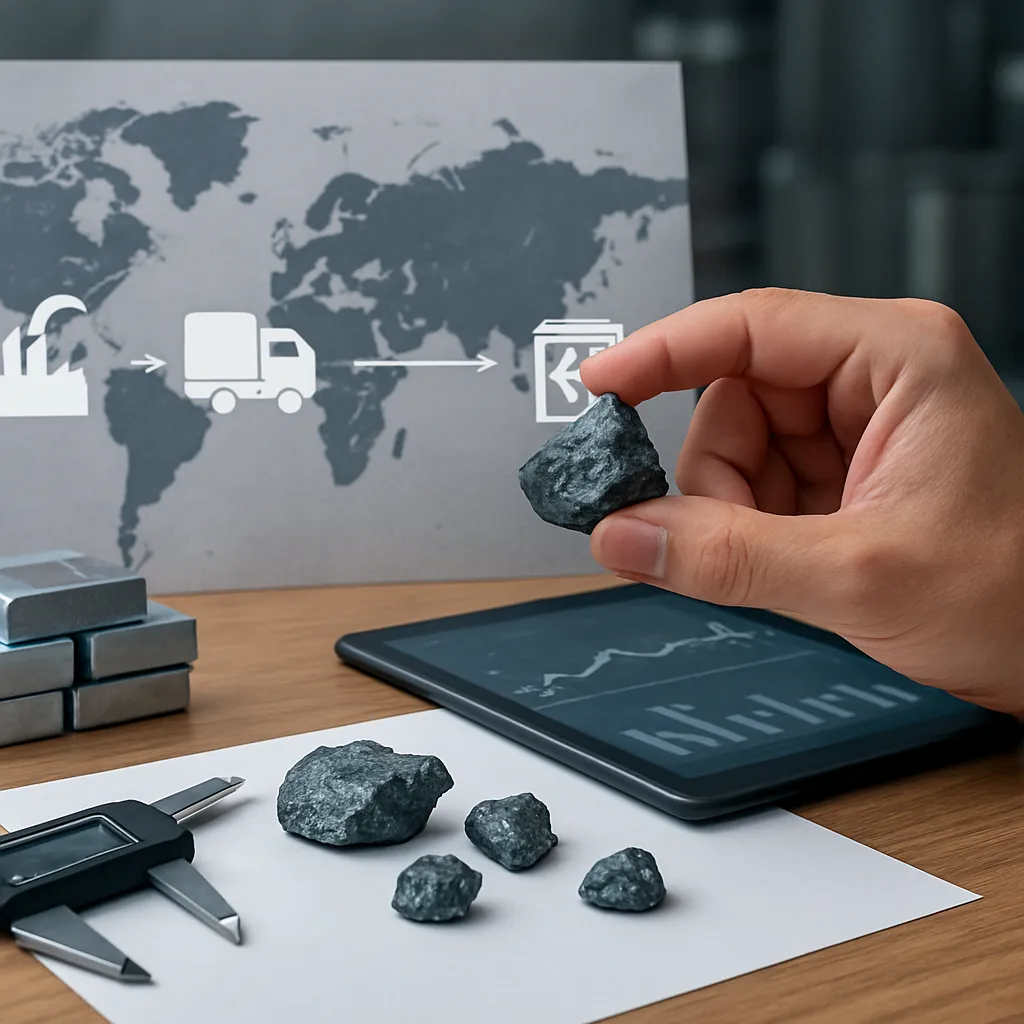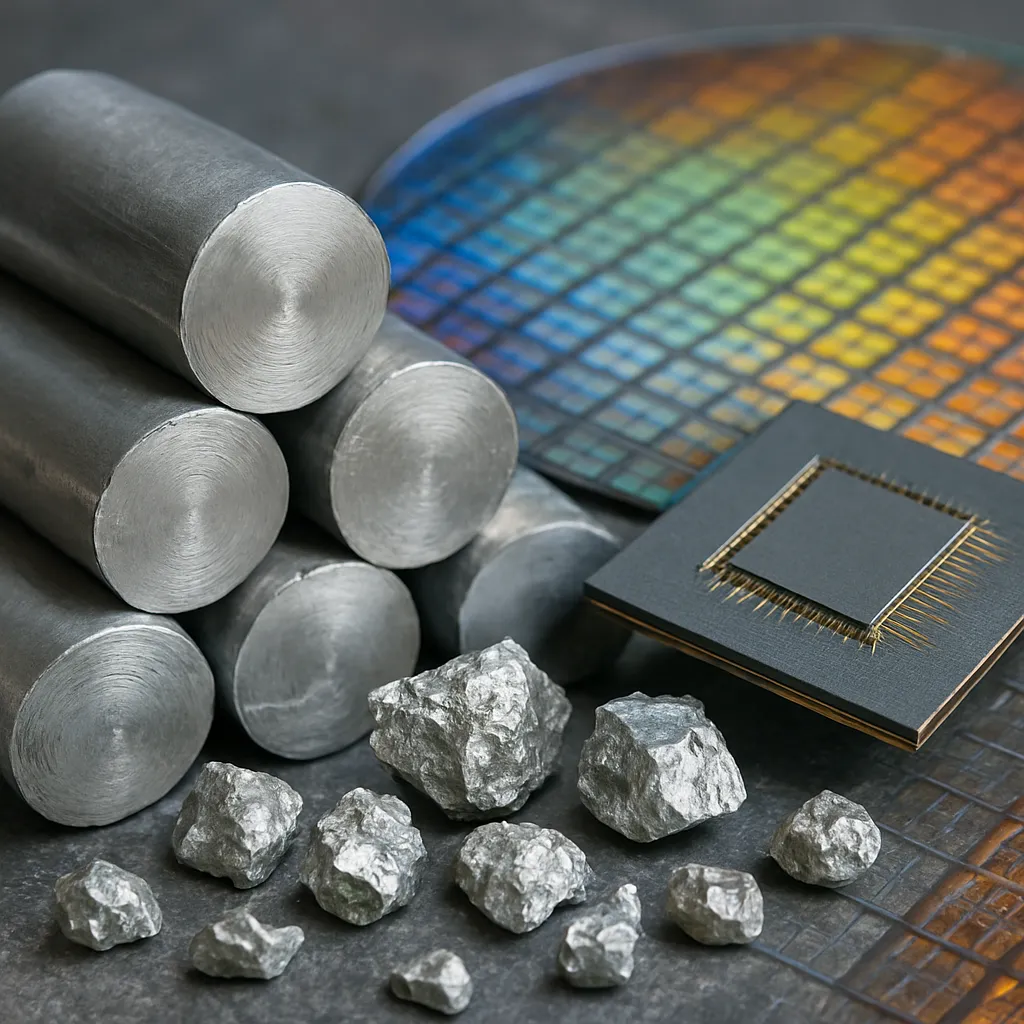
The global market for rare metals has witnessed an unprecedented wave of mergers and acquisitions in recent years, driven by strategic imperatives and the evolving demands of modern industries. From electric vehicles to advanced electronics and renewable energy technologies, the reliance on critical minerals such as lithium, cobalt, nickel, and rare earth elements has intensified competition among producers and consumers alike. This article delves into the geopolitics shaping the market, the strategic motivations fueling consolidation, and the emerging challenges that businesses must navigate to secure long-term growth and sustainability.
Global Landscape of Rare Metals
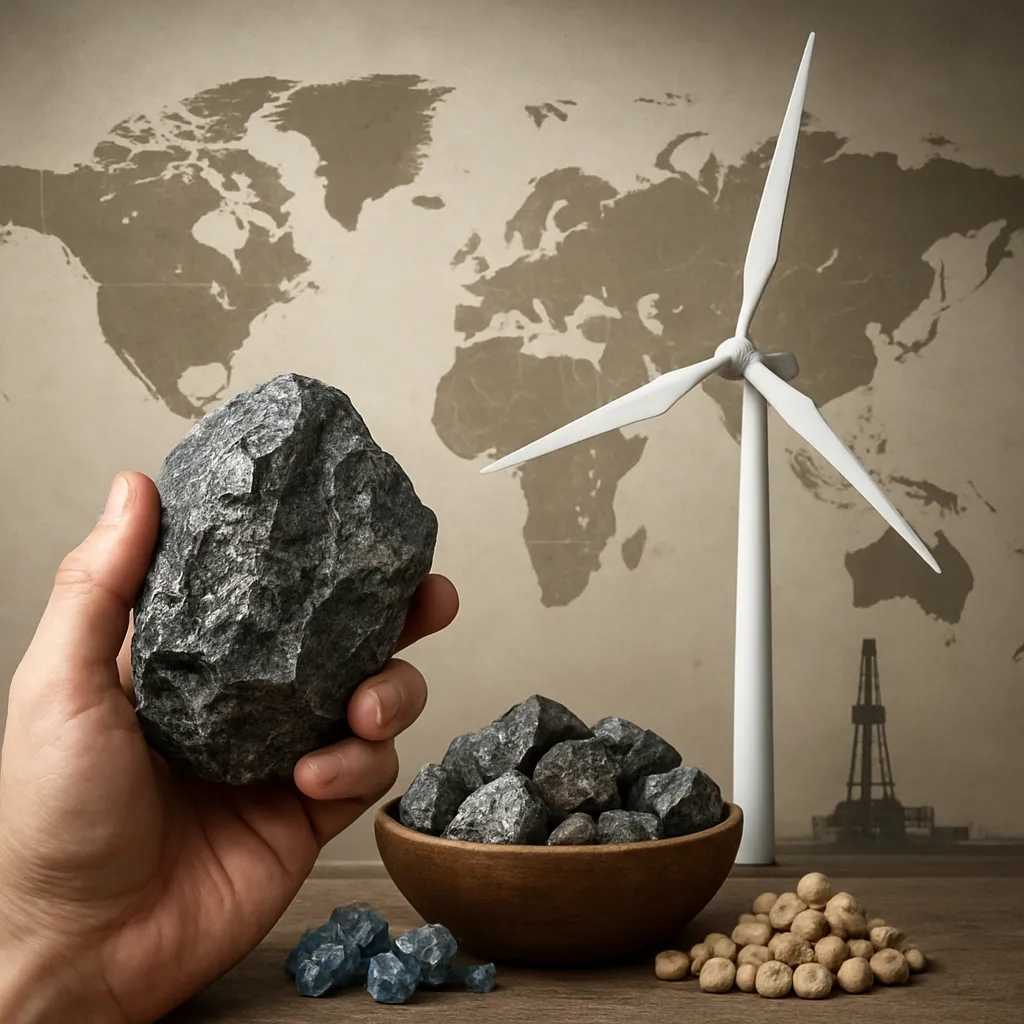
As global economies accelerate their transition toward decarbonization and digitalization, the demand for critical minerals has soared. Lithium-ion batteries, permanent magnets, and catalytic converters increasingly rely on elements that were once considered niche commodities. Major producers span multiple continents, from Australian lithium mines and South American brine pools to Chinese rare earth processing facilities and North American nickel deposits.
Key Players and Production Hubs
- China: Dominates processing of rare earth elements, controlling up to 60% of global output and refining capacity.
- Australia: Leading miner of lithium and titanium minerals, with robust exploration pipelines across Western Australia and Queensland.
- Chile and Argentina: Home to the “Lithium Triangle,” accounting for a significant share of the world’s lithium extracted from brine resources.
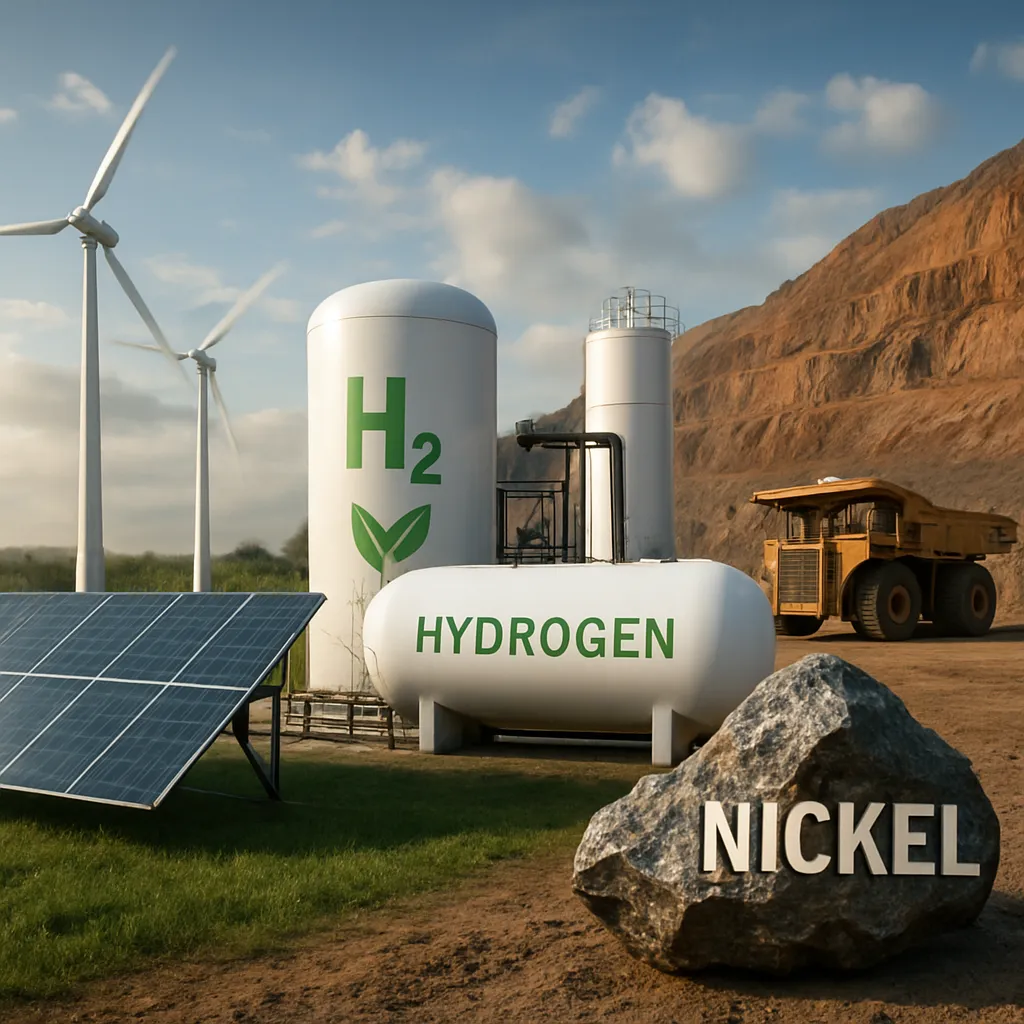
- Canada and Russia: Important sources of nickel, copper, and cobalt, vital for battery production and renewable energy infrastructure.
Recent years have also seen the emergence of exploration projects in Africa and Southeast Asia, fueled by the search for new deposits to diversify supply chains. Companies are racing to secure footholds in these frontier markets, often through joint ventures or outright acquisitions of junior miners.
Strategic Drivers Behind the M&A Surge
In a climate of rising investment risk and technological innovation, consolidation offers companies a pathway to resilience and growth. Several factors explain why mergers and acquisitions in the rare metals sector have accelerated:
Supply Chain Security and Vertical Integration
With geopolitical tensions and export restrictions on the rise, major industrial players seek greater control over their raw material sources. By acquiring upstream mining assets or refining facilities, battery manufacturers and automakers can lock in supply, hedge against price volatility, and reduce dependency on third-party suppliers. Vertical integration has become a key strategy for firms aiming to guarantee consistent access to critical inputs.
Economies of Scale and Cost Optimization
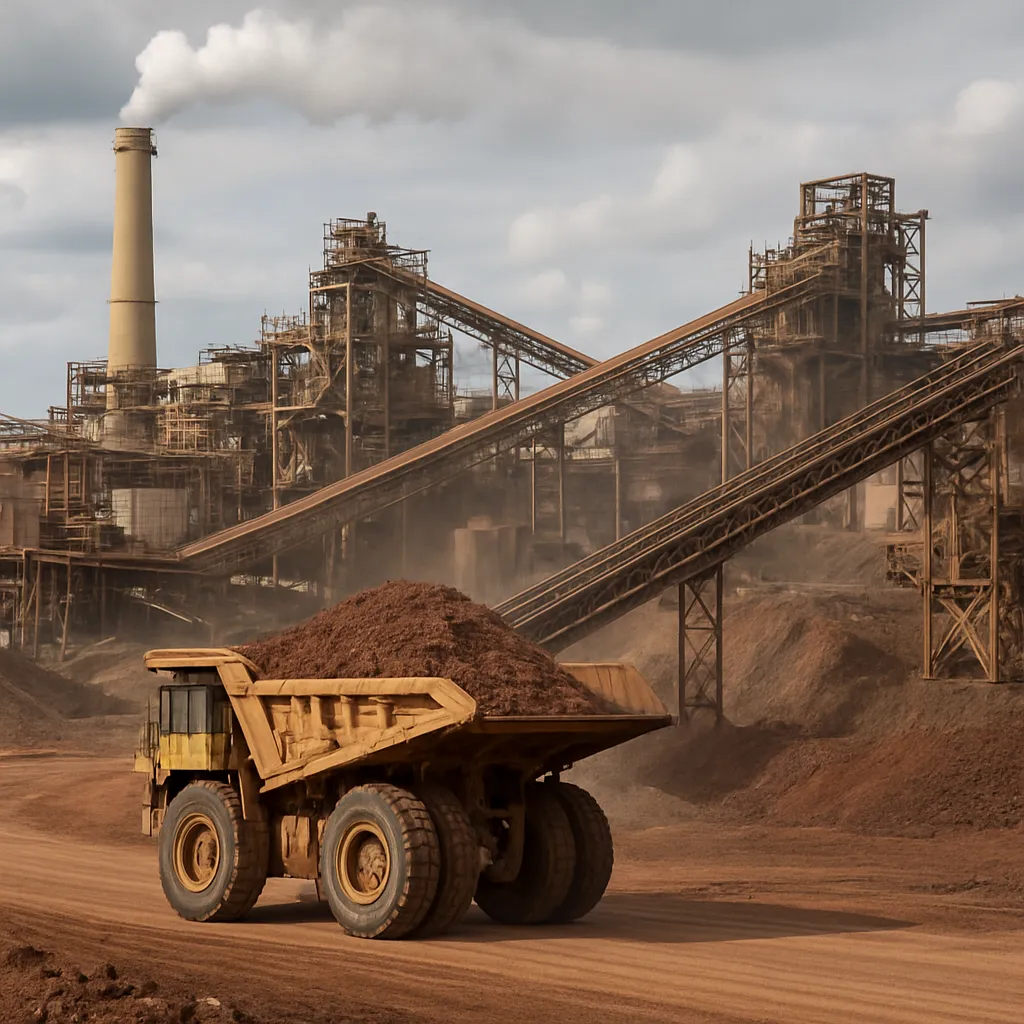
Mining and processing operations are capital-intensive, with high fixed costs and long development timelines. Through M&A, companies can pool resources, streamline operations, and optimize logistics networks. Consolidated entities often benefit from improved bargaining power with equipment suppliers, reduced duplication of administrative functions, and enhanced R&D capabilities. These synergies translate into lower per-unit costs and a stronger competitive position.
Innovation and Technological Collaboration
As demand shifts toward advanced materials—such as high-nickel cathodes or neodymium-praseodymium permanent magnets—producers must invest in next-generation refining processes and sustainable extraction methods. Mergers often come with technology licensing agreements, joint R&D centers, or cross-border knowledge transfer. The resulting leaps in efficiency and environmental performance provide a distinct edge in markets increasingly governed by ESG criteria.
Geopolitical Resilience and Diversification
Countries and corporations alike are keen to avoid overreliance on any single region, especially in light of recent export quotas and trade disputes. By acquiring assets in different jurisdictions, companies can mitigate political risk and navigate shifting regulatory frameworks. This geographic diversification also allows firms to tap into local incentives, such as tax credits, strategic funding, and infrastructure support offered by host governments eager to develop their mineral sectors.
Challenges and Future Outlook
Despite the momentum, the path forward is fraught with complexities that require careful navigation:
Regulatory Hurdles and Antitrust Scrutiny
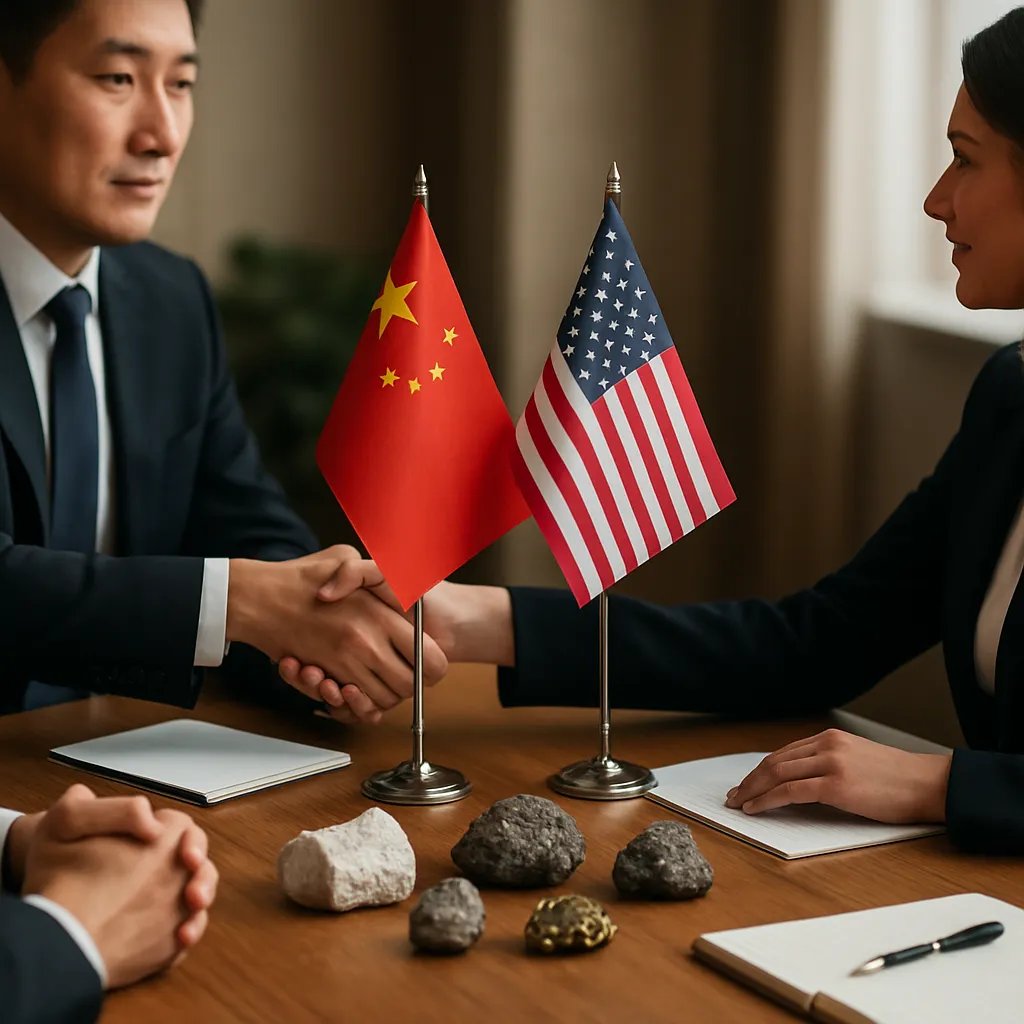
Large-scale transactions in mining and processing often attract scrutiny from competition authorities, which assess potential impacts on market concentration and domestic supply stability. National security concerns may also prompt governments to block foreign acquisitions or impose conditions. For instance, bids by state-backed entities can trigger reviews aimed at preserving critical supply chains under domestic control.
Environmental and Social Governance (ESG) Pressures
Environmental activism and community opposition can derail projects at multiple stages, from exploration to production. Social license to operate demands rigorous stakeholder engagement, transparent reporting, and adherence to stringent environmental standards. Acquiring firms must factor in rehabilitation costs, carbon footprint reduction targets, and equitable benefit-sharing with local communities to maintain trust and secure long-term permits.
Market Volatility and Commodity Cycles
Rare metal prices often experience cyclical swings driven by macroeconomic conditions, technological breakthroughs, and speculative trading. Overleveraged companies that pursue acquisitions during price peaks risk financial distress if markets correct sharply. Sound due diligence, stress testing of cash flows, and flexible debt structures become paramount to absorb shocks and preserve strategic objectives.
The Role of Diversification and Recycling
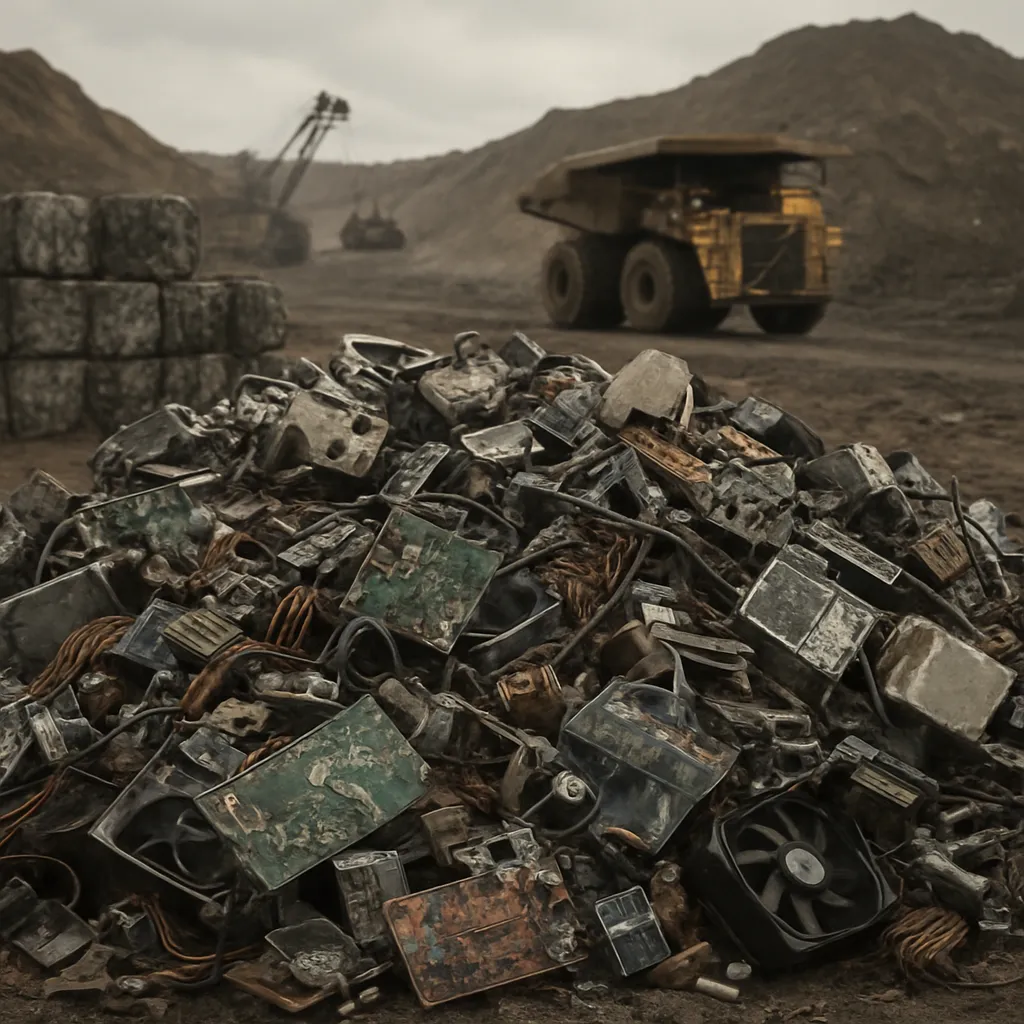
As the industry matures, recycling of end-of-life products—ranging from spent batteries to electronic waste—offers an alternative supply stream. Mergers between miners, refiners, and recycling specialists can create full-cycle enterprises that integrate primary extraction with secondary resource recovery. Such models enhance material circularity, reduce reliance on virgin ores, and align with global decarbonization goals.
Looking ahead, the rare metals sector will continue to evolve under the dual pressures of soaring demand and heightened sustainability expectations. Companies that balance diversification, innovation, and stakeholder collaboration are best positioned to navigate the complexities of an increasingly strategic market. The ongoing wave of mergers and acquisitions reflects not only competition for finite deposits but also the quest to build resilient supply chains that underpin the technological revolution of the 21st century.