The rapid ascent of the green hydrogen sector is reshaping demand for critical materials, notably nickel, and altering the broader landscape for global rare metals. As industries pivot toward decarbonization, stakeholders face complex supply-chain, technological, and geopolitical challenges. This article examines how nickel’s role is expanding in the hydrogen economy and explores implications for other strategic metals, from lithium and cobalt to platinum-group elements.
Global Rare Metals Market: A Shifting Landscape
Over the past decade, the rare metals market has evolved from niche industrial use into a cornerstone of sustainability and high-tech applications. Renewables, electric vehicles, and now the green hydrogen revolution have triggered unprecedented pressure on supply and infrastructure. As demand outpaces production in many jurisdictions, analysts warn of rising prices and potential bottlenecks that could stall climate goals. Major exporters such as Indonesia, Russia, and Australia are recalibrating export policies, while newcomers in Africa and Latin America seek to capture value through downstream processing.
The Role of Nickel in the Green Hydrogen Economy
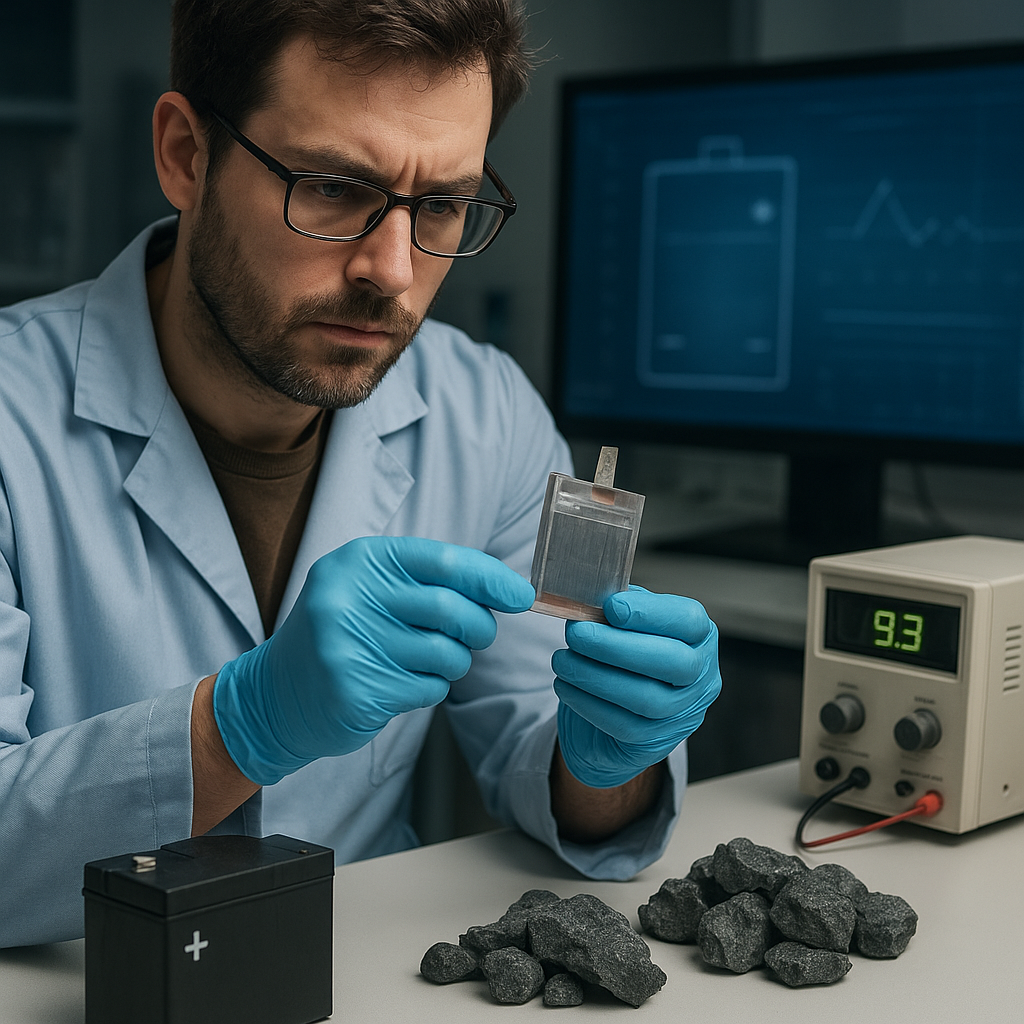
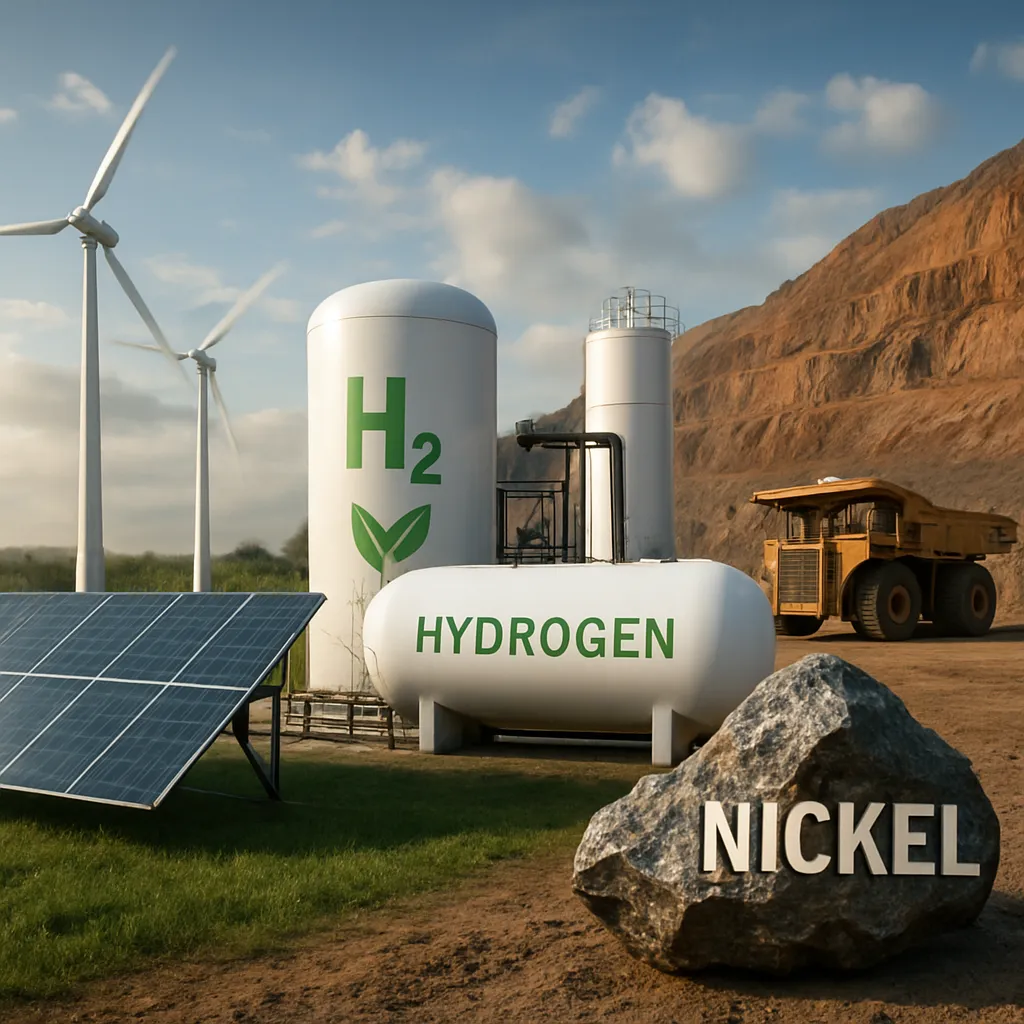
Nickel has long been prized for its corrosion resistance and high-temperature performance. In the context of green hydrogen, its significance intensifies: electrolyzer components, hydrogen storage alloys, and fuel-cell catalysts often rely on nickel-based materials. Advances in membrane and electrode technology hinge on optimizing nickel content to boost efficiency and longevity under harsh electrochemical conditions. Forecasts suggest that by 2030, green-hydrogen projects will account for up to 20% of global nickel consumption.
Electrolyzer Technology and Nickel Alloys
Electrolyzers split water into hydrogen and oxygen via electricity. Two dominant architectures—alkaline and proton-exchange membrane (PEM)—employ nickel alloys differently:
- Alkaline systems use nickel-coated electrodes for robust performance in caustic environments.
- PEM units, prized for compactness and rapid response, incorporate nickel in catalysts blended with platinum or iridium.
Optimizing alloy composition can lower precious-metal loading and improve catalytic activity. As R&D pushes toward hybrid designs, nickel’s alloy versatility becomes a decisive factor in production cost curves.
Supply Chain Challenges and Investment
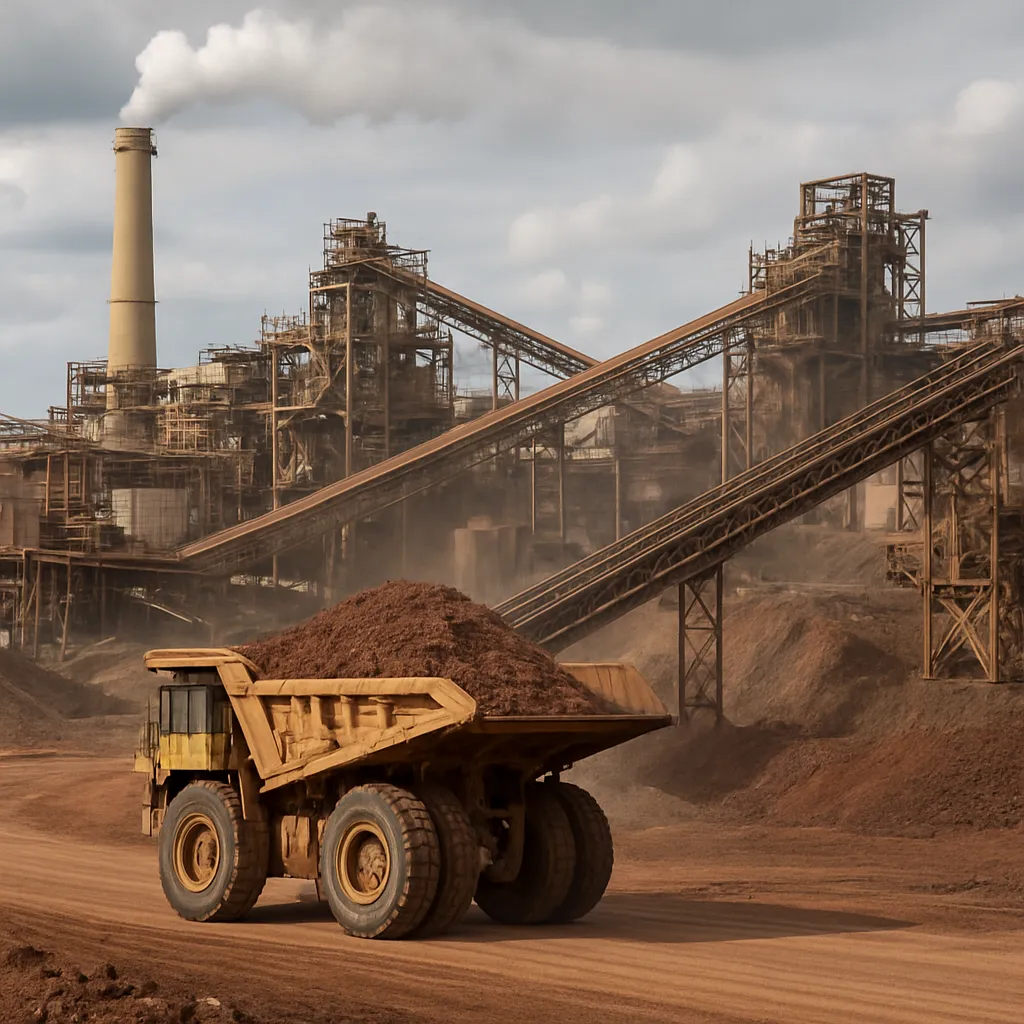
Meeting the nickel requirements of green-hydrogen projects demands both increased mining output and enhanced refining capacity. Key obstacles include:
- Geospatial mismatch: Nickel deposits are often located far from conversion facilities and end markets.
- Capital intensity: New mines and refineries require billions in investment, long lead times, and rigorous permitting.
- Environmental concerns: Tailings management and water usage pose compliance risks under stricter ESG standards.
Major mining companies are forging joint ventures and off-take agreements to secure long-term nickel supplies, while midstream refiners explore low-carbon smelting technologies.
Beyond Nickel: Diversification of Rare Metals Demand
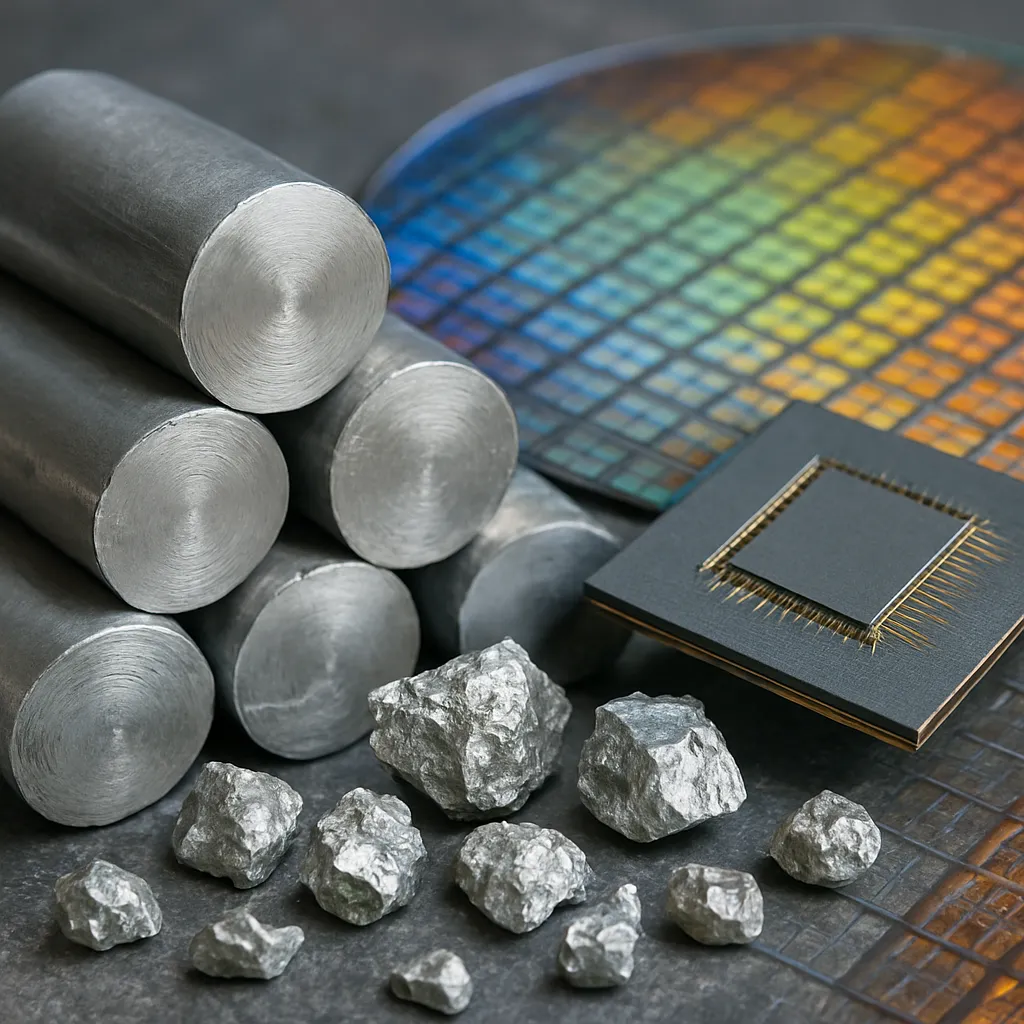
While nickel stands at the forefront, other rare metals are indispensable to the clean-energy transition:
- Lithium: Essential for batteries in electric vehicles and grid storage.
- Cobalt: Used in battery cathodes and specialized catalysts.
- Platinum-group metals (PGMs): Key in PEM electrolyzers and fuel cells.
- Vanadium: Critical for flow-battery systems that complement hydrogen storage.
As sectoral demand intensifies, markets face cyclical price swings and potential shortages. Stakeholders are exploring alternative chemistries—such as cobalt-free batteries—and boosting investments in resource exploration.
Strategic Stockpiling and Recycling
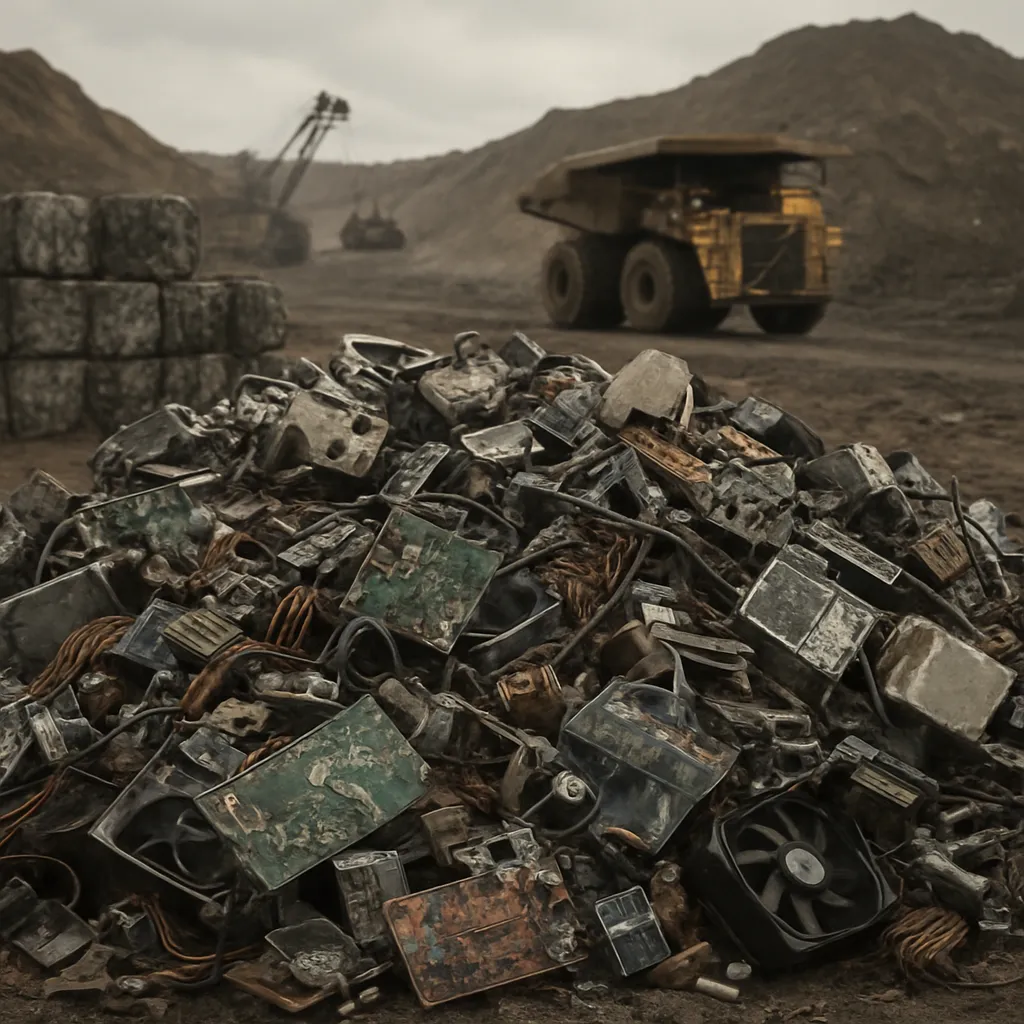
To mitigate supply risks, several governments are initiating strategic reserves of critical metals. At the same time, recycling and circular economy initiatives aim to reclaim metals from end-of-life products. For example, spent lithium-ion batteries can yield lithium, nickel, and cobalt through hydrometallurgical processes. Scaling these methods could recover up to 50% of metal demand by 2040, easing pressure on virgin deposits.
Investment and Market Dynamics
Financial markets have taken notice of the rare-metals renaissance. Exchange-traded funds (ETFs) tied to battery and hydrogen metals have seen surging inflows. Meanwhile, mining equities and project financings are underpinned by long-term offtake agreements with energy conglomerates. Private-equity firms and sovereign wealth funds are strategically acquiring stakes in both exploration assets and refining operations to secure upstream control.
Risk Management and Price Volatility
Volatility in metal prices stems from factors such as geopolitical tensions, changing export restrictions, and currency fluctuations. To stabilize costs, manufacturers are using hedging instruments and securing multi-year contracts. However, prolonged underinvestment during past price downturns has left the industry exposed to sudden supply shocks, underscoring the need for diversified sourcing.
Geopolitical and Environmental Considerations
Rare metals occupy a pivotal position in global politics. Resource nationalism and strategic stockpiling have become common as countries recognize the geostrategic importance of raw materials. At the same time, environmental advocacy groups press for stricter oversight of mining practices to uphold ESG principles. Balancing national interests, investor returns, and community welfare remains a formidable challenge.
Environmental Impact of Nickel Mining
Nickel extraction, especially from laterite ores, involves energy-intensive operations and can generate significant waste. Open-pit mines may lead to deforestation, soil erosion, and tailings dam failures. Water contamination and greenhouse-gas emissions are scrutinized under new regulations. To align with global climate targets, miners are investing in carbon-capture, renewable energy integration, and low-impact extraction methods.
Regulatory Frameworks Shaping the Future
Legislation worldwide seeks to secure critical-metal supply chains and foster domestic processing:
- EU Critical Raw Materials Act: Aims to designate strategic minerals and impose due-diligence requirements.
- US Inflation Reduction Act: Provides tax credits for clean-energy projects using domestically sourced metals.
- Export controls and trade agreements: Countries adjust tariffs and quotas to protect local industries.
Such policies influence investment decisions and may expedite new projects or, conversely, introduce market distortions if poorly coordinated.