The global energy transition, burgeoning technological innovation, and evolving defense priorities have thrust rare earth metals into the spotlight as vital components of modern economies. Investors searching for high-growth sectors often turn to specialized exchange-traded funds (ETFs) that track these critical minerals. Understanding the nuances of these vehicles is crucial for anyone seeking to capitalize on shifting market trends and emerging supply constraints.
Overview of Rare Earth Metals and Their Strategic Importance
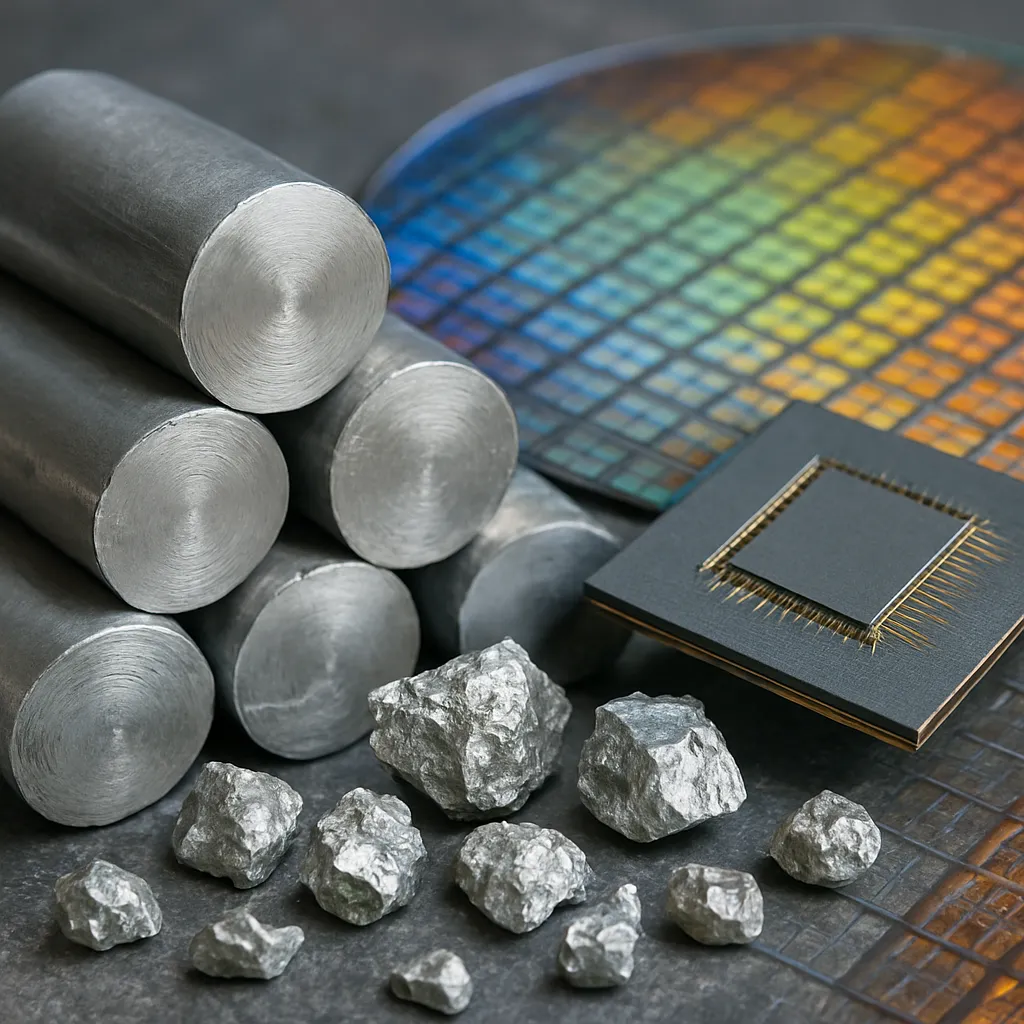
Rare earth elements (REEs) comprise a group of 17 chemically similar metallic elements, including neodymium, dysprosium, and praseodymium. Despite their name, many REEs are relatively abundant in the Earth’s crust, but they are rarely found in concentrations high enough for cost-effective extraction. Their strategic importance stems from applications in permanent magnets, catalysts, batteries, and phosphors—key components in electric vehicles (EVs), wind turbines, consumer electronics, and military systems.
China dominates the extraction and processing of REEs, accounting for over 60% of global mine production and an even larger share of refining capacity. This concentration creates a single point of geopolitical tension, as export quotas or trade disputes can send shock waves through advanced industries. In response, governments and corporations worldwide are exploring alternative sources and downstream processing facilities, spurring exploration projects in Australia, North America, and parts of Africa.
- Demand for EV motors and renewable energy infrastructure is projected to soar over the next decade.
- Permanent magnets using neodymium and dysprosium are critical to high-efficiency wind turbine generators.
- Advancements in battery technology increasingly rely on lanthanum and cerium alloys for improved performance.
Understanding Rare Earth ETFs: Structure and Composition
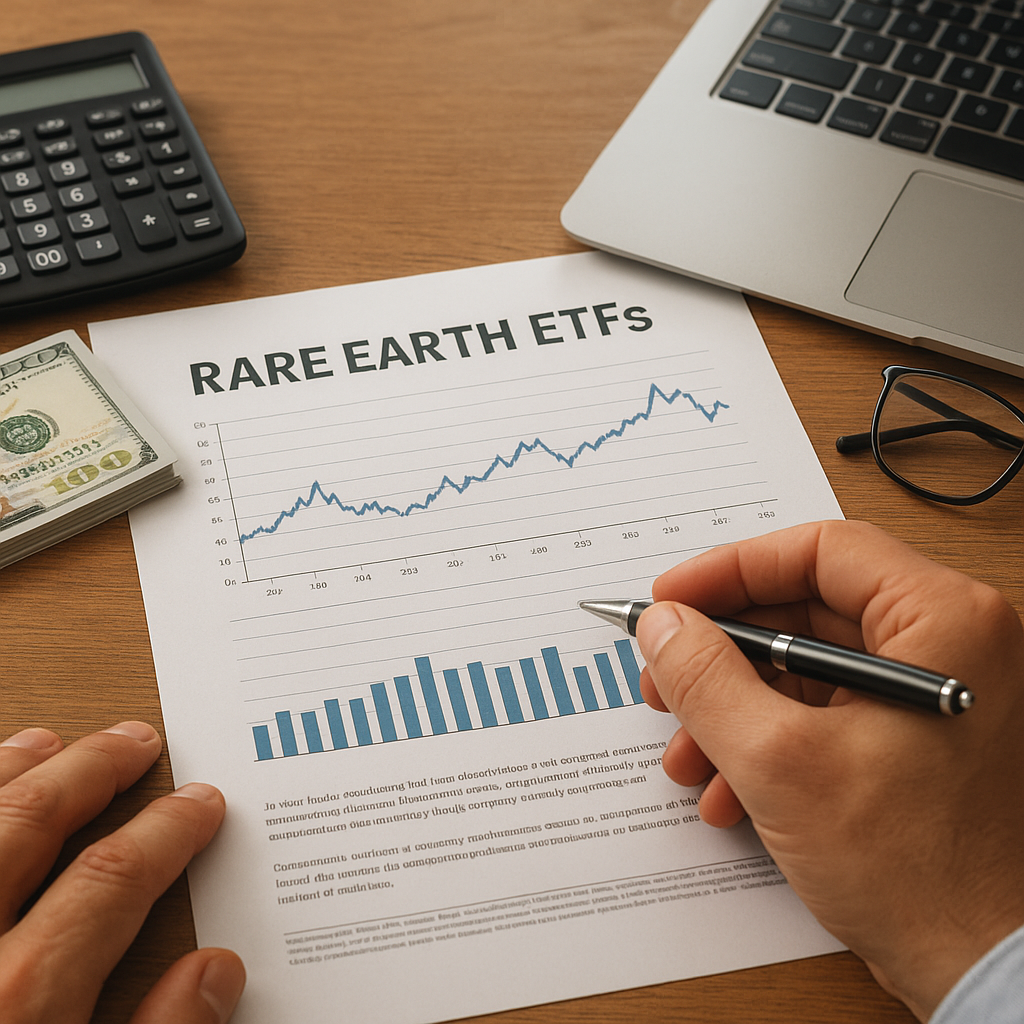
Rare earth ETFs are designed to provide targeted exposure to companies involved in exploration, mining, processing, and manufacturing of REEs or related technologies. These ETFs can differ widely in composition, tracking indices that weigh firms by market capitalization, production volume, or revenue from rare earth activities. Some funds also include firms focused on broader technology metals or diversified mining groups with significant REE divisions.
Key considerations when evaluating a rare earth ETF:
- Concentration: Many ETFs hold a handful of large producers or tech giants. High concentration can lead to increased volatility if any constituent faces operational setbacks.
- Geographic Exposure: Funds with heavy allocations to Chinese-listed companies may reflect domestic policy risks, while those tilted toward Western miners could carry exploration and permitting challenges.
- Expense Ratios and Liquidity: Niche commodity ETFs tend to have higher expense ratios and lower average daily volumes than broad market funds.
For example, an ETF might allocate 25% to a major Chinese REE refiner, 15% to an Australian miner, and the remainder to a mix of small-cap explorers and global technology giants producing permanent magnets. Understanding each component’s role in the supply chain helps investors gauge risk and upside potential.
Investment Risks and Rewards Associated with Rare Earth ETFs
Investing in rare earth ETFs offers potential rewards, driven by the accelerating adoption of clean energy technologies, defense modernization, and automotive electrification. However, this niche segment brings unique challenges:
- Price Cycles: Like other commodities, REE prices can exhibit pronounced booms and busts tied to sentiment, inventory levels, and policy shifts.
- Regulatory and Environmental Hurdles: Mining and refining rare earths often involve significant environmental considerations, water usage, and radioactive byproducts. Regulatory delays can stall new projects for years.
- Geopolitical Tensions: Export restrictions or sanctions can abruptly change the competitive landscape, affecting both supply and corporate earnings.
On the reward side, governments worldwide are providing subsidies, grants, and loan guarantees to develop domestic REE capacities. Electric vehicle manufacturers and wind energy firms are signing long-term purchase agreements, supporting stable demand forecasts. Exposure through an ETF offers diversified access to this trend without the single-company risk that plagues direct stock holdings.
Global Supply Dynamics and Geopolitical Factors
The REE supply chain is notoriously complex. It begins with ore extraction, followed by separation and refining, and ends with manufacturing high-precision magnets and alloys. Currently, China’s dominance at each stage creates both cost advantages and systemic risks. Efforts to build alternative supply chains involve multi-faceted challenges:
- Exploration and Mining: Higher grades and fewer contaminants outside China require significant capital for new mines.
- Processing Infrastructure: Establishing chemical separation plants is capital-intensive and subject to strict environmental regulations.
- Downstream Manufacturing: Producing fine-tuned magnets and alloys demands specialized technology and expertise.
In recent years, the United States, European Union, Japan, and Australia have launched strategic initiatives to secure REE supply. These include public-private partnerships, research into recycling end-of-life electronics, and even exploration of deep-sea nodules. Such measures aim to reduce overreliance on a single source and to foster stable markets. All these dynamics interplay, creating a landscape where geopolitical developments can trigger rapid price swings.
Future Outlook and Investment Considerations
Looking forward, several themes will shape the trajectory of rare earth investments:
- Technology Innovation: Breakthroughs in magnet alternatives, recycling techniques, or substitution could reshape demand patterns.
- Policy Support: National security policies and renewable energy targets will drive public funding and corporate off-take agreements.
- Supply Chain Resilience: Companies that secure diversified sources and invest in vertical integration stand to benefit from stronger margins.
For investors, rare earth ETFs can serve as a means of diversification within a commodities or materials portfolio, offering exposure to transformative growth drivers. However, balancing potential rewards against inherent cyclical and geopolitical risks is essential. Allocation size should reflect one’s risk tolerance and investment horizon, given that rare earth markets may experience periods of rapid appreciation followed by sharp corrections.
Ultimately, combining thematic knowledge of the geopolitical landscape, technological trends, and supply dynamics with careful ETF selection can position investors to harness the profound impact of rare earth elements on the global economy.