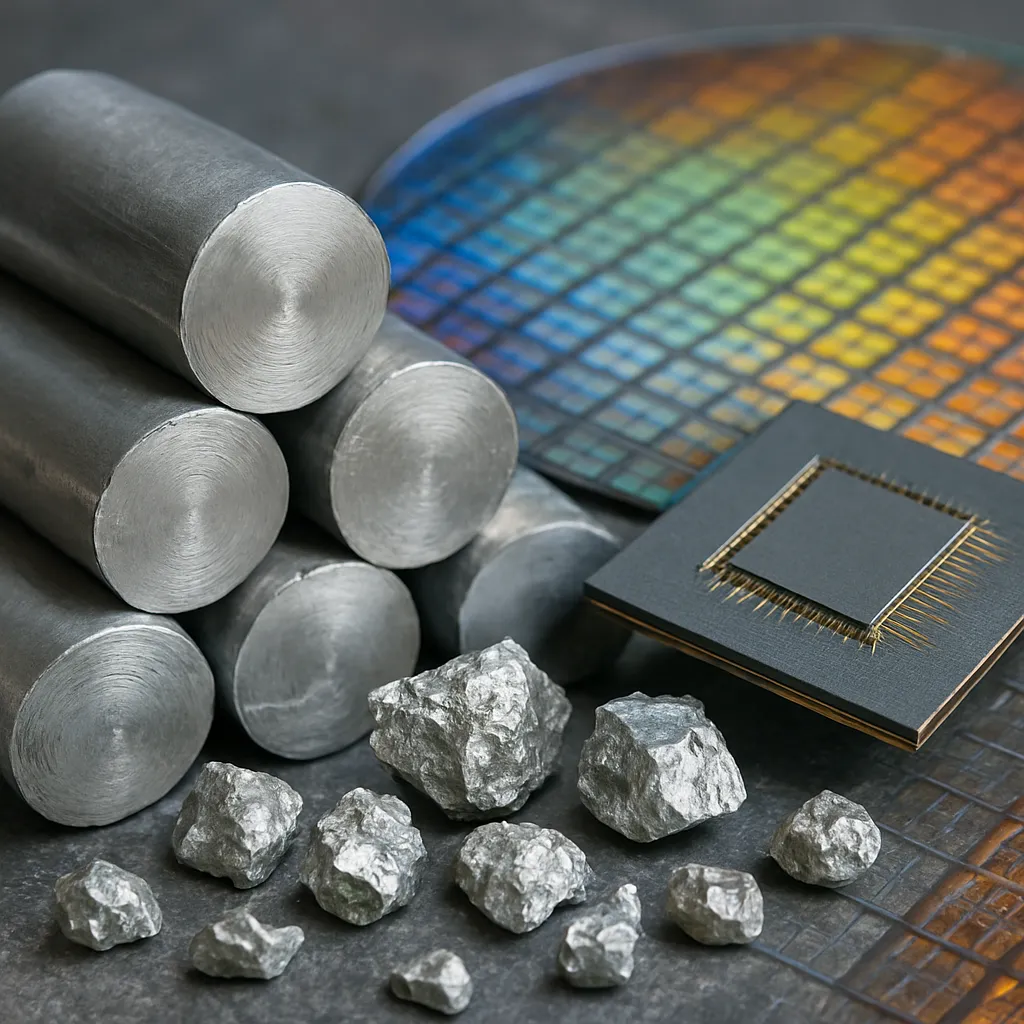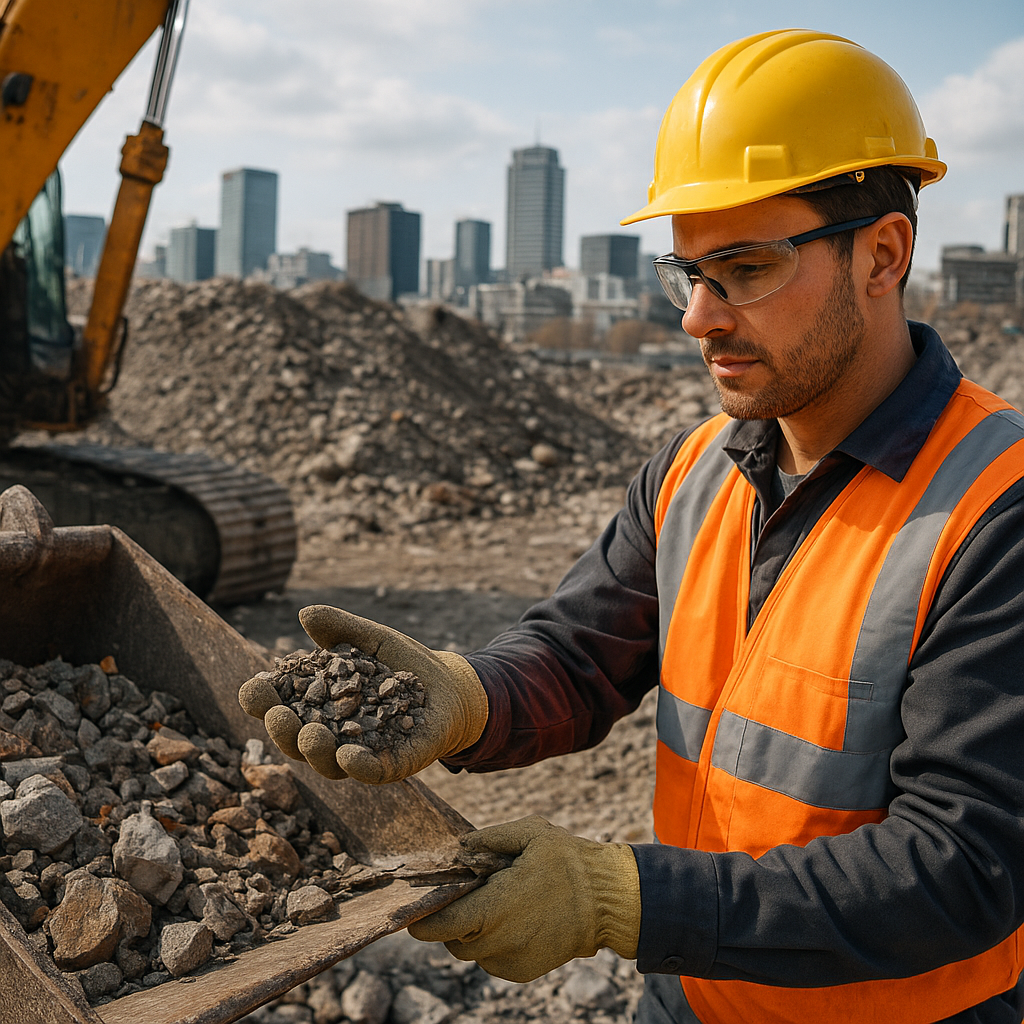
The relentless advancement of modern technologies has placed unprecedented pressure on the availability of critical materials essential for electronics, renewable energy, and electric vehicles. As traditional extraction struggles to keep pace with demand, urban landscapes emerge as untapped reservoirs of valuable metals. This article explores the global dynamics of rare metals, examines innovative urban mining techniques, and evaluates the economic and environmental ramifications of reclaiming resources from the built environment.
Global Demand and Strategic Importance of Rare Metals
The global economy increasingly depends on a handful of scarce elements—such as lithium, cobalt, nickel, and the rare earth elements—to power smartphones, wind turbines, and next‐generation batteries. Competition among nations for secure supply chains has intensified, exposing vulnerabilities and creating geopolitical tensions.
Key factors driving the surge in demand include:
- Electrification of transportation: Electric vehicles require large quantities of lithium and cobalt for battery production.
- Expansion of renewable energy: Permanent magnets in wind turbines and solar panel inverters depend on neodymium, dysprosium, and other lanthanides.
- Proliferation of consumer electronics: Miniaturization of devices often demands high-purity silver, gold, and palladium.
- Defense and aerospace applications: Titanium, tantalum, and platinum group metals play critical roles in high-performance alloys and sensors.
Supply disruptions—from political instability in mining regions to export restrictions—underscore the necessity of diversifying sources. Urban mining holds promise for mitigating shortages and enhancing the resilience of global supply chains.
Technologies and Methodologies in Urban Mining
Urban mining leverages technologies borrowed from both primary extraction and advanced recycling. It transforms electronic waste, end-of-life vehicles, and industrial by-products into concentrated streams of valuable metals.
Physical Separation and Sorting
Sensor-based sorting, employing X-ray fluorescence (XRF) and near-infrared (NIR) spectroscopy, enables rapid identification of metal-laden components. Automated disassembly lines use robotics to dismantle devices, isolating circuit boards, battery cells, and connectors for further processing.
Hydrometallurgical Processes
Hydrometallurgy involves leaching metals into solution using acids or complexing agents. Advanced solvents and ion-exchange resins recover lithium and cobalt with high efficiency and minimal energy input. Ongoing research focuses on bioleaching, where microbial consortia selectively solubilize target metals at ambient conditions.
Pyrometallurgical Techniques
High-temperature smelting and refining operations extract copper, gold, and platinum group metals from e-waste concentrates. Integration of novel fluxes and reductants reduces greenhouse gas emissions and improves metal recovery rates.
Electrochemical Recovery
Electrowinning enables deposition of pure metal onto cathodes from spent solutions. Coupling this method with renewable electricity sources amplifies the sustainability credentials of the process.
- Sensor-based sorting for component preconcentration
- Acid and alkaline leaching for selective metal solubilization
- High-temperature smelting for robust recovery
- Electrowinning for high-purity outputs
- Bioleaching for low-carbon footprint
Economic and Environmental Implications of Urban Mining
Urban mining offers a dual benefit: reducing the environmental footprint of primary mining while unlocking economic value from waste streams. Capital expenditures (CAPEX) for urban mining facilities can be offset by the high premium prices commanded by recovered metals.
Economic advantages include:
- Lower transportation costs compared to remote mines
- Reduced need for extensive waste storage and tailings management
- Creation of skilled jobs in recycling and material recovery sectors
- Mitigation of price volatility through diversified supply
From an environmental standpoint, urban mining curtails the environmental impact of raw-material extraction:
- Decreased land disturbance and habitat destruction
- Lower water consumption and contamination risks
- Reduced greenhouse gas emissions per unit of metal produced
- Promotion of a circular economy by closing material loops
However, challenges persist. E-waste streams are heterogeneous, requiring sophisticated sorting to achieve consistent feedstock quality. Regulatory hurdles and the need for substantial upfront investment can impede project development in certain regions.
Policy Frameworks and Future Outlook
National and international policies play a pivotal role in stimulating urban mining initiatives. The European Union’s Critical Raw Materials Act aims to secure 30% of strategic materials from recycling by 2030. In the United States, incentives under the Infrastructure Investment and Jobs Act support domestic recycling facilities for lithium-ion batteries.
Key policy measures include:
- Mandatory recycling targets for electronics and batteries
- Tax credits and subsidies for recycling infrastructure
- Standardization of collection and reporting protocols
- Public-private partnerships to drive innovation
Looking ahead, integration of innovation in material science—such as designing products for disassembly and material recovery—will be crucial. Digital twins of recycling operations could optimize process flows, while blockchain systems ensure traceability of critical materials.
By aligning technology, finance, and policy, urban mining can evolve from niche operations to mainstream supply-chain elements, fortifying the global availability of critical materials necessary for the clean-energy transition and digital economy.