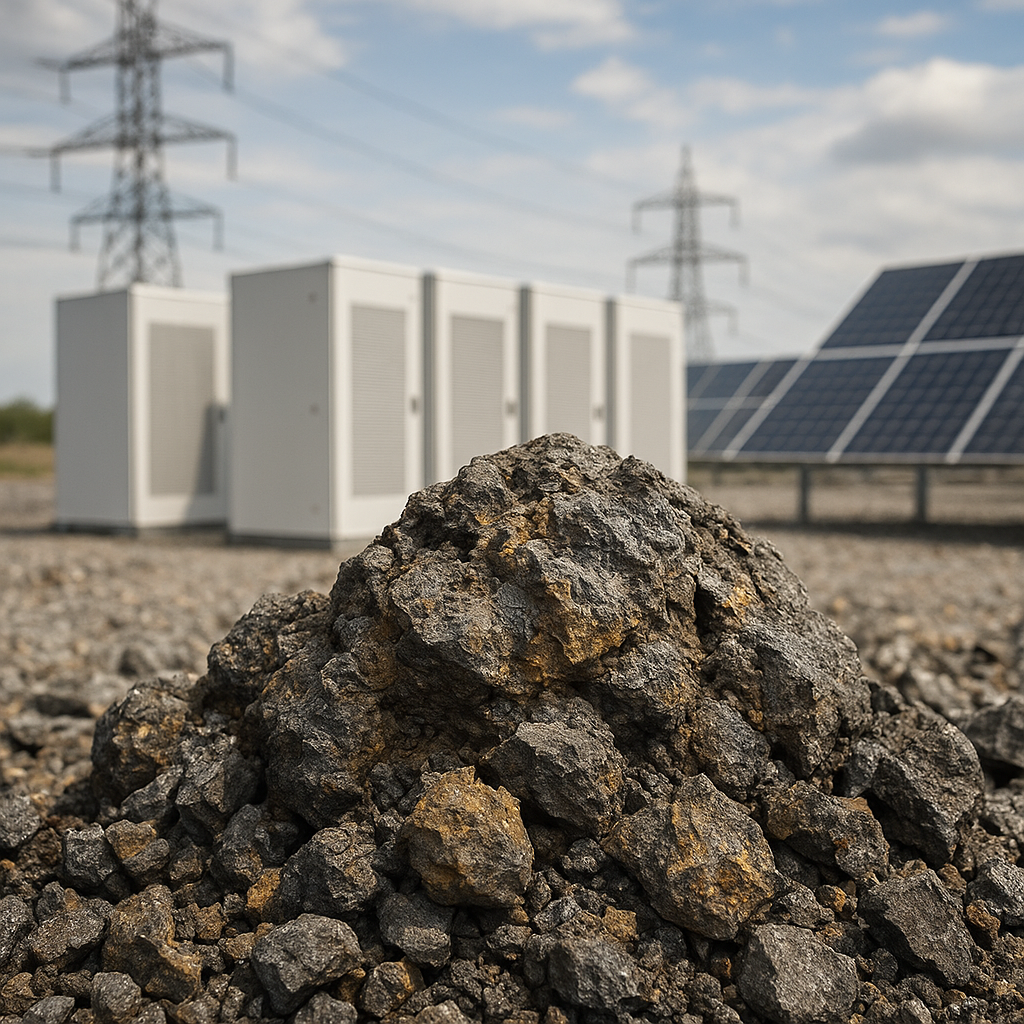
The intricate web of modern cities relies heavily on a myriad of specialized elements. As skylines rise and public transit systems expand, the pressure on the global supply of rare metals intensifies. This exploration delves into the intersection between burgeoning urban infrastructure and the escalating demand for critical raw materials, addressing geopolitical tensions, recycling strategies, and the path toward a more sustainability-focused urban future.
Urbanization and the Boom in Metal Demand
Rapid urbanization has transformed landscapes worldwide. From high-voltage transformers to fiber-optic networks, even the simplest metropolitan conveniences depend on small quantities of expensive metals. Key applications include:
- Electric grid systems using critical conductor alloys containing copper and molybdenum
- Smart traffic control units embedded with rare earth magnets
- Next-generation street lighting enabled by LED modules requiring gallium and indium
- Public Wi-Fi nodes built on printed circuit boards that need palladium and silver
Underpinning these advancements are private and public investments that equate digital connectivity and energy efficiency with economic growth. Yet, the finite availability of key elements such as neodymium, yttrium, and cobalt signals a looming resource bottleneck. Cities that ignore these constraints risk facing soaring material costs, potential supply interruptions, and stalled construction schedules.
Key Drivers of Growing Consumption
- Electrification of transportation fleets requiring high-performance battery metals like lithium and nickel.
- Deployment of 5G networks demanding increased quantities of specialized substrates and rare alloys.
- Urban resilience projects such as microgrids and green building certifications.
- Automation and robotics in public services, fueling demand for precision magnets and sensors.
When viewed collectively, these factors crystallize into a global surge in technology integration within urban environments. Forecasts suggest that by 2035, the average metropolis could consume up to 40% more rare earth oxides than it does today.
Supply Chains and Geopolitical Dynamics
Securing reliable imports of metals raises complex geopolitical questions. Many key materials originate from a handful of nations that exercise significant export controls. This dynamic has led to:
- Strategic stockpiling by industrialized countries.
- Trade disputes and tariffs impacting raw-material costs.
- Foreign direct investment in mining projects across Latin America, Africa, and Asia.
For example, certain rare earth elements are predominantly mined and refined in a single country, creating vulnerabilities in times of diplomatic strain. Competing regional blocs now vie to establish alternative supply pipelines, as illustrated by:
- underwritten agreements between European nations and African mining firms.
- North American partnerships aimed at boosting domestic processing capacity.
- Alliances in East Asia to develop deep-sea mining technologies.
Implications of Export Restrictions
Export curbs on particular critical minerals can trigger abrupt price hikes. Urban planners and investors must account for:
- Potential delays in rail electrification projects due to cobalt scarcity.
- Increased capital expenditure for power distribution upgrades.
- Insurance premiums rising to cover supply chain disruptions.
Furthermore, industrial users often seek long-term off-take agreements with mining companies to hedge against market volatility. Such contracts, however, may shift risk from buyers to resource-rich nations, sparking fresh debates over equitable profit-sharing.
Recycling, Circular Economy, and Sustainable Approaches
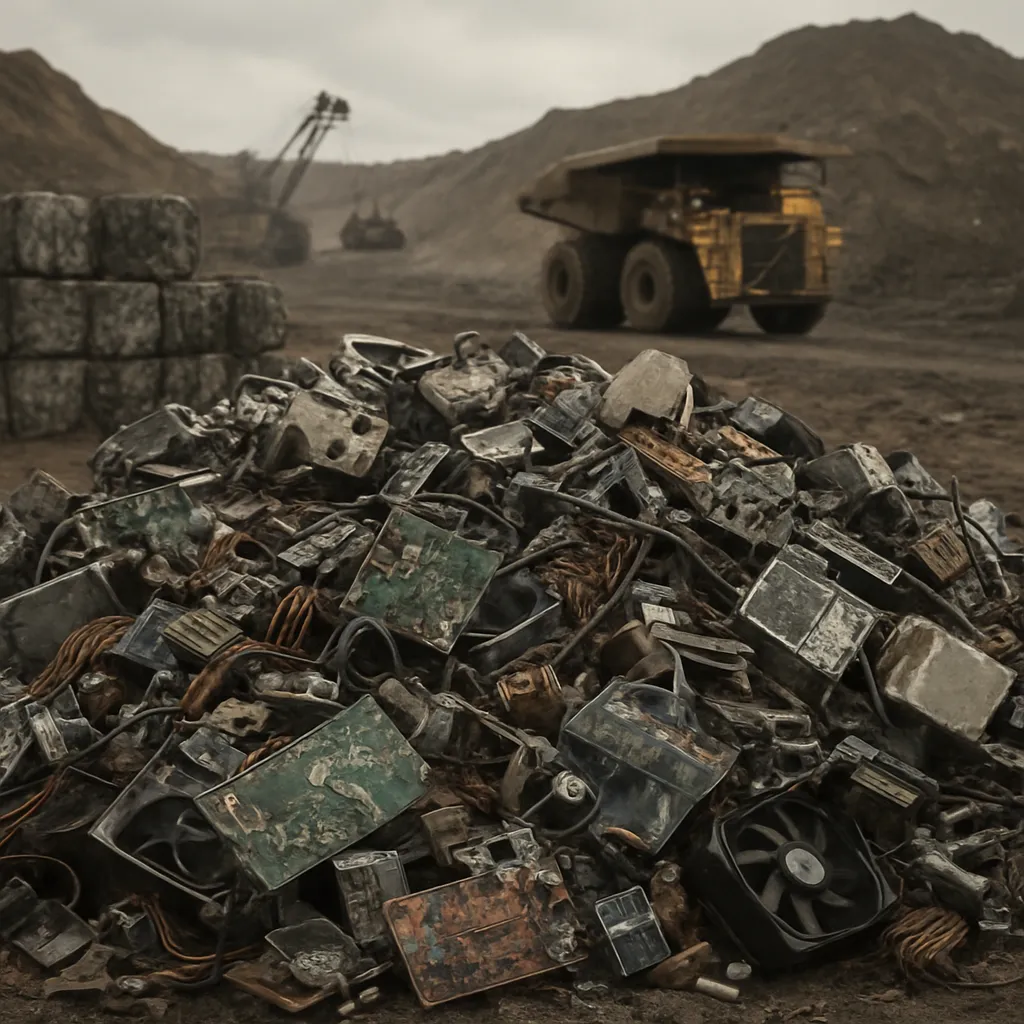
Recycling urban waste streams offers a promising avenue to alleviate pressure on virgin supplies. Components such as spent batteries, decommissioned lighting fixtures, and obsolete electronics are rich in rare and precious elements. Municipalities can adopt three core strategies:
- Urban mining initiatives at dedicated processing centers.
- Incentivized take-back programs to collect end-of-life devices.
- Regulations mandating minimum recycled content in public procurement.
By closing the material loop, cities can reduce reliance on geopolitically sensitive imports. Successful examples include:
- A European capital recovering over 70% of rare earths from LED waste.
- A coalition of Asian megacities funding joint battery recycling facilities.
Technological Enablers for Urban Mining
Innovations in innovation-led extraction processes—such as bioleaching and supercritical fluid separation—enhance yield from low-concentration sources. Key technological developments involve:
- Selective chemical agents that isolate metals at ambient temperatures.
- Robotic sorting lines that identify valuable alloys within mixed waste.
- IoT-based tracking to ensure full-chain traceability of recycled outputs.
When scaled appropriately, these methods push the needle toward greater sustainability while unlocking economic opportunities via value-added byproducts.
Technological Innovations and Future Outlook
Anticipated breakthroughs in material science and resource management stand to reshape the urban metal equation. Graduate research labs and corporate R&D units are exploring:
- Alternative magnetic materials that sidestep rare earth dependencies.
- Graphene-based conductors poised to replace silver in certain electronics.
- Advanced substitution models utilizing abundant metals like manganese.
Looking ahead, three emerging trends will crucially define the compatibility between city growth and metal supply:
- Decentralized Manufacturing: Additive and modular construction methods limiting raw-material waste.
- Digital Twins: Real-time simulation of resource flows to optimize procurement and recycling.
- Policy Harmonization: Global standards for mineral sourcing to mitigate ethical and environmental risks.
By embracing these directions, governments and industries can better navigate the uncertainties inherent to geopolitics and resource scarcity. The shift toward a more circular, sustainability-driven model will be essential for meeting the escalating demands of tomorrow’s urban landscapes without compromising planetary health.