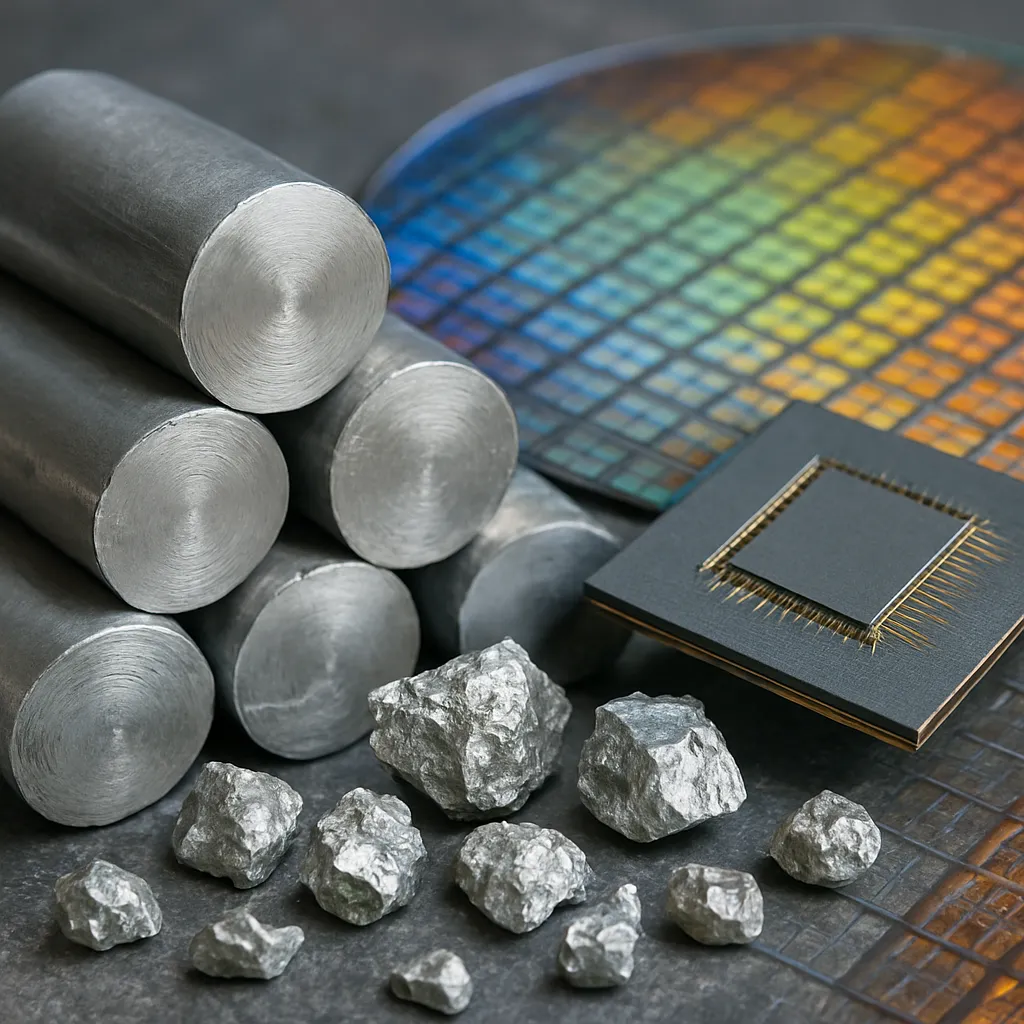
The market for rare metals has evolved into a cornerstone of the modern economy, driven by cutting-edge technologies and shifting geopolitical landscapes. Investors and industry participants must navigate a landscape characterized by pronounced volatility, complex supply chain challenges, and surging demand from sectors such as electric vehicles and renewable energy. This article explores global trends in rare metal prices, dissects the key drivers of market behavior, and outlines robust investment strategies to capitalize on emerging opportunities while managing inherent risks.
Global Market Dynamics and Price Volatility
Over the past decade, rare metal prices have undergone dramatic fluctuations. The dominance of China in the processing and refining of rare earth elements has created a unique dependency for many Western nations. When export quotas tighten or geopolitical tensions rise, prices can spike within weeks, as observed during the trade disputes of 2010 and more recently in 2020. Conversely, new discoveries and ramped-up production in Australia, Brazil, and the United States have occasionally tempered price surges, forcing market participants to reassess long-term strategic reserves.
A range of factors contributes to this pronounced volatility. Rapidly expanding demand for lithium in electric vehicle batteries collided with supply chain disruptions during the COVID-19 pandemic, sending prices to record highs in early 2022. Meanwhile, critical metals such as cobalt and nickel have been subject to intense geopolitical risk, given that a small number of countries control a majority of global output. These dynamics underscore the importance of understanding not just production volumes, but also refining capacity and export regulations.
Emerging economies across the Asia-Pacific region have signaled intentions to develop national mining champions, aiming to capture greater value from local resources. This strategic shift may reduce Western dependence on Chinese processing hubs and potentially stabilize certain price corridors. Nevertheless, infrastructure bottlenecks and environmental permitting delays in Africa and South America continue to constrain supply growth.
Key Drivers of Rare Metal Price Movements
Surging Demand from Clean Energy and Electronics
The push toward decarbonization has elevated the role of rare metals in renewable energy systems. Solar panels require rare earth elements for high-efficiency magnets, while wind turbines rely on neodymium and dysprosium for permanent magnets. The electric vehicle revolution, propelled by government incentives in Europe, China, and North America, has unleashed unprecedented demand for lithium, nickel, and cobalt. Analysts project that global lithium consumption could triple by 2030, a forecast that underpins many bullish price outlooks.
Supply Constraints and Extraction Challenges
Rare metals often occur in low concentrations, necessitating extensive extraction and processing efforts. Environmental, social, and governance (ESG) regulations increasingly delay new mine developments. Companies frequently face community opposition, water scarcity concerns, and high energy costs, all of which contribute to production delays. These bottlenecks can trigger abrupt price spikes when demand outstrips available supply, as seen with spodumene concentrate shortages in Western Australia.
Recycling and Secondary Sources
As primary production struggles to keep pace, recycling has emerged as a vital source of supply. Battery recycling facilities in Europe and North America are scaling up to recover lithium, cobalt, and nickel from spent cells. While technical hurdles remain—namely, separation efficiency and cost competitiveness—recycled output could account for 20–30% of total supply by 2035. Investors tracking this space should monitor advancements in hydrometallurgical and direct-recycling technologies, which may disrupt traditional mining economics.
Investment Strategies and Risk Management
Given the cyclical nature of rare metal prices, investors should adopt a diversified approach. No single metal offers both stable returns and high growth potential. Instead, constructing a balanced portfolio—incorporating exposure to lithium, cobalt, nickel, and rare earth elements—can mitigate the impact of sector-specific downturns.
- Physical Ownership: Direct bullion or concentrate purchases allow investors to hold the underlying commodity. However, storage, insurance, and liquidity costs can be prohibitive.
- Exchange-Traded Funds (ETFs): Mining and metal ETFs offer diversified exposure with lower transaction costs. Look for funds that track multiple rare metals or specific technology themes, such as battery metals.
- Equity Stakes: Shares in junior and senior mining companies provide leveraged exposure. While juniors can deliver outsized returns if a discovery proves commercial, they also carry higher operational and permitting risks.
- Futures and Options: Commodity derivatives enable sophisticated hedging strategies. Producers often lock in future prices to guarantee margins, while speculators can play short-term price swings. Margin requirements and rollover costs, however, must be carefully managed.
Effective risk management also entails hedging currency exposure. Many rare metal transactions are denominated in US dollars, exposing non-dollar investors to additional currency volatility. Implementing diversification both across metal types and geographic jurisdictions can help cushion portfolios against sudden policy shifts or trade barriers.
Forecasting and Emerging Opportunities
Advanced forecasting models leverage a combination of production data, policy analysis, and proprietary demand metrics. Scenarios incorporating aggressive climate targets suggest significant upside for metals integral to clean energy. For instance, dysprosium and praseodymium deficits appear likely if wind turbine deployment accelerates beyond current projections.
Beyond core battery and magnet metals, secondary rare metals like tellurium and indium are gaining prominence in thin-film photovoltaics and touch-screen technology. Investors seeking niche growth areas may explore companies specializing in these lesser-known but strategically vital commodities.
Technological Innovations
Breakthroughs in extraction methods—such as direct lithium extraction (DLE) and bioleaching—promise to revolutionize cost structures and environmental footprints. Early investments in DLE pilot projects could yield significant returns if processes scale successfully. Similarly, research into alloy optimization may reduce reliance on high-cost heavy rare earths, altering global demand patterns.
Geopolitical Shifts and National Strategies
Governments worldwide are drafting mineral security plans to ensure stable access to essential metals. Strategic stockpiling, incentives for domestic refining capacity, and bilateral trade agreements will shape price trajectories. Investors should keep a close eye on policy announcements from major consumers and producers alike, including evolving regulations in the European Union’s Critical Raw Materials Act.
Ultimately, mastering the rare metals arena requires a blend of macroeconomic insight, technical understanding, and agile portfolio construction. By staying informed on investment strategies and technological trends—and by emphasizing robust risk management—market participants can position themselves to capitalize on the transformative potential of these indispensable resources.