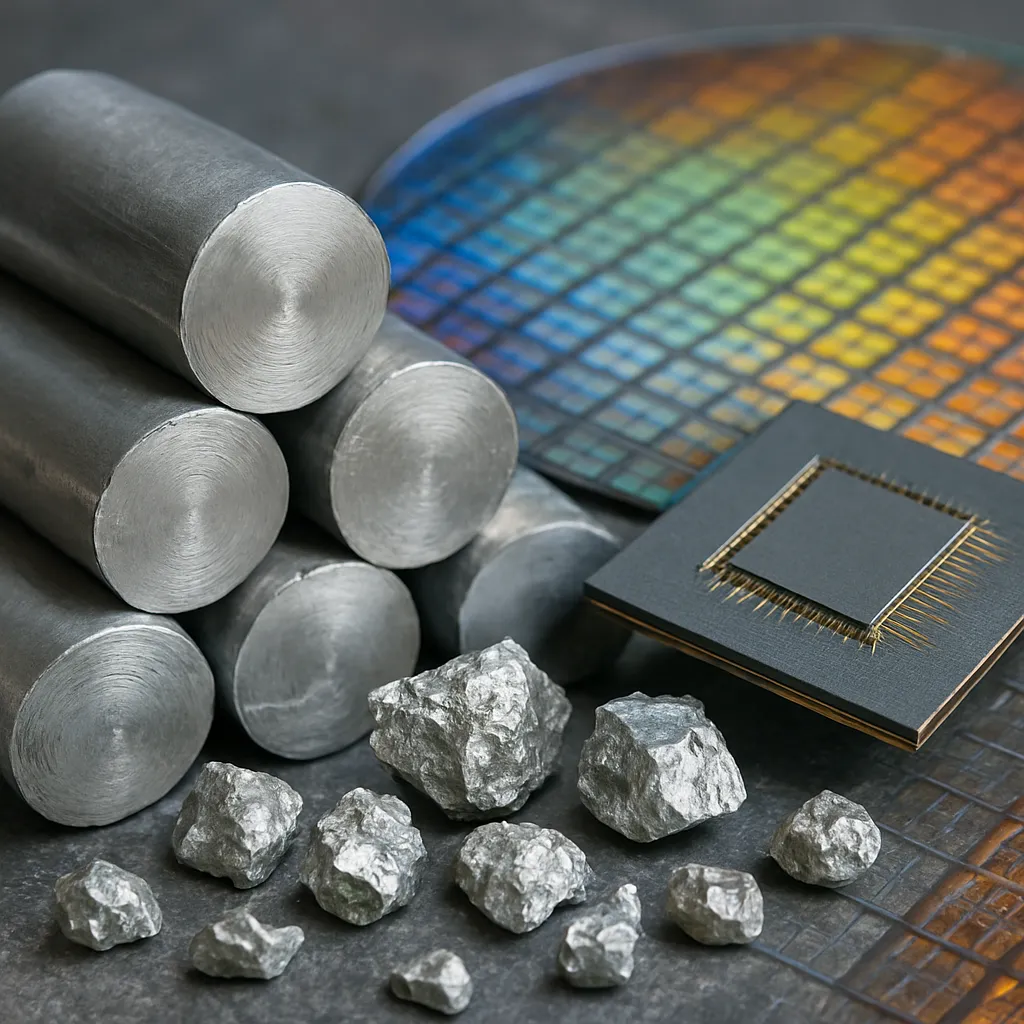
The global landscape of critical mineral resources is undergoing a profound transformation as markets grapple with mounting demand, geopolitical shifts, and environmental imperatives. While primary extraction remains the traditional path to secure essential elements, a vast reservoir of value lies hidden in discarded electronics, industrial by-products, and obsolete infrastructure. This article explores how secondary metal markets can alleviate supply constraints, foster a circular economy, and catalyze sustainable growth within the high-tech and green energy sectors.
Shifting Supply and Demand Dynamics in Global Rare Metals
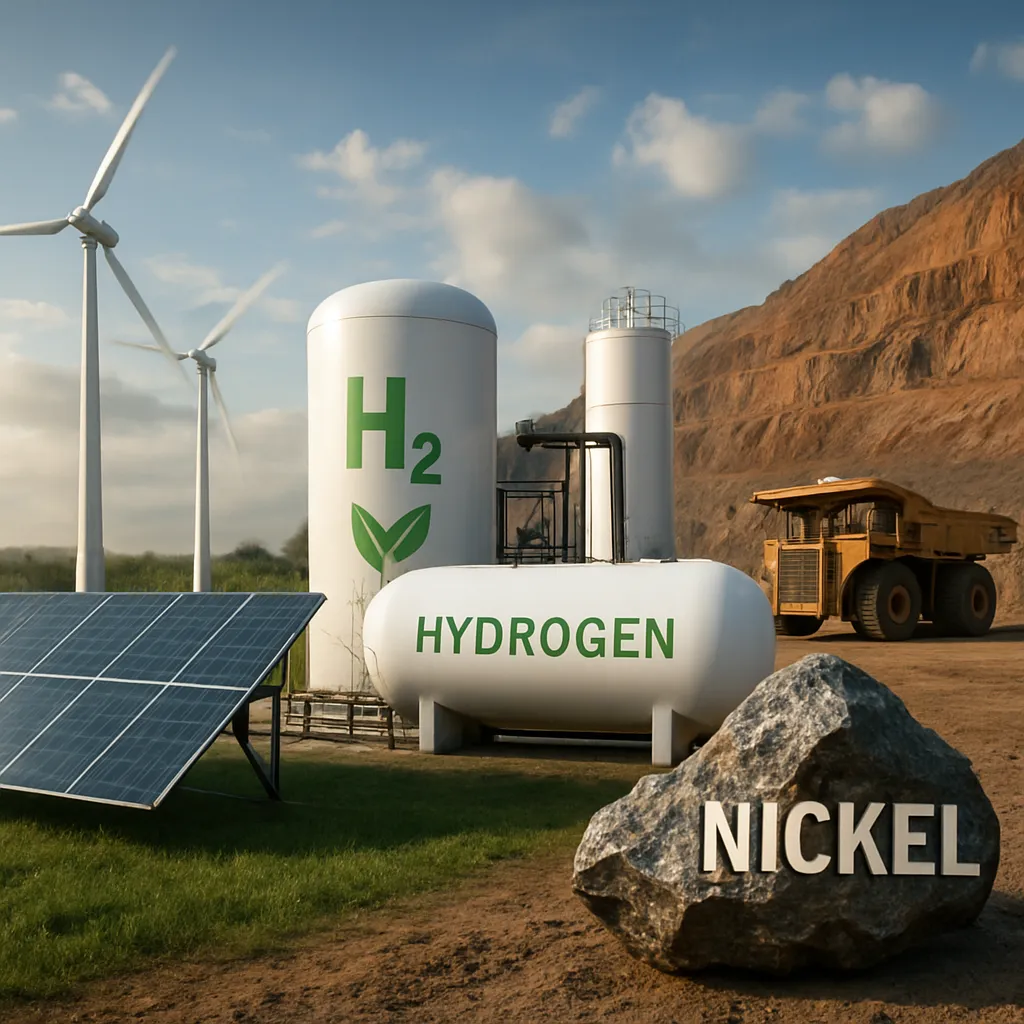
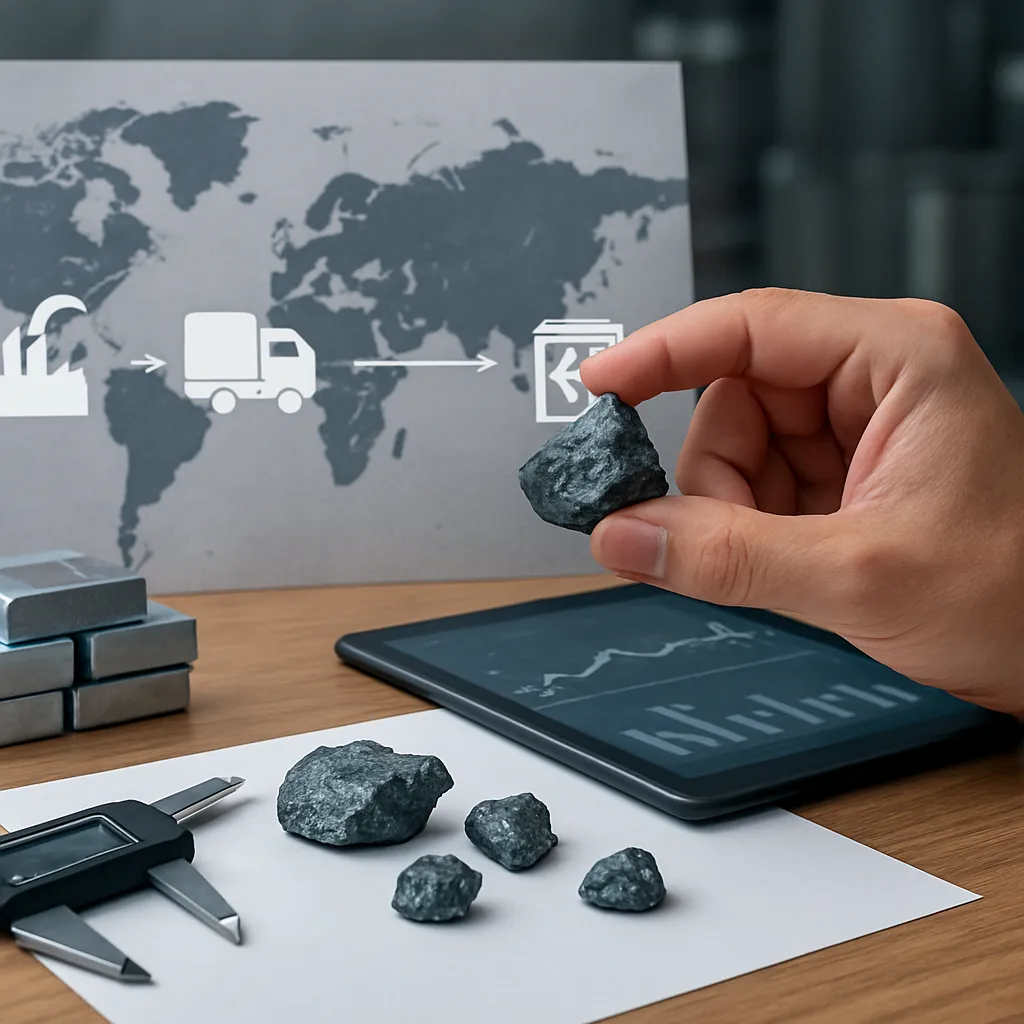
Rapid adoption of electric vehicles, renewable energy systems, and advanced electronics has driven unprecedented demand for rare earths, lithium, cobalt, nickel, and other critical metals. Geological scarcity, coupled with concentrated mining operations, creates vulnerabilities in the supply chain that ripple through industries worldwide. For instance, a handful of nations controls the lion’s share of processing capacity, leaving buyers exposed to price volatility, export restrictions, and strategic stockpiling.
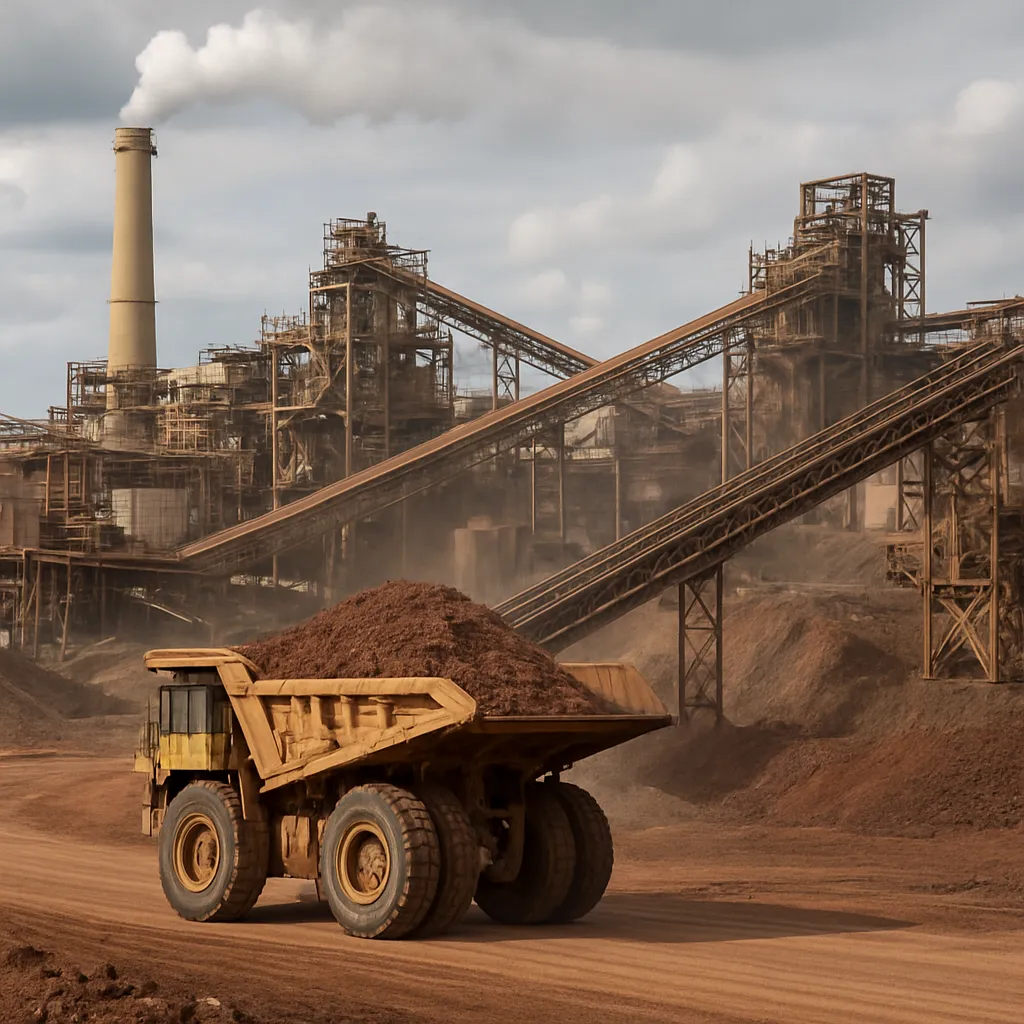
At the same time, escalating environmental scrutiny challenges conventional mining practices. High water usage, habitat destruction, and toxic waste tailings provoke community opposition and regulatory hurdles. As a result, companies face mounting costs and uncertain timelines when developing new mines. These barriers have rekindled interest in non-traditional sources of materials, spurring research into saline extraction, deep-sea mining, and—in particular—the potential of secondary streams.
Secondary Markets and the Rise of Urban Mining
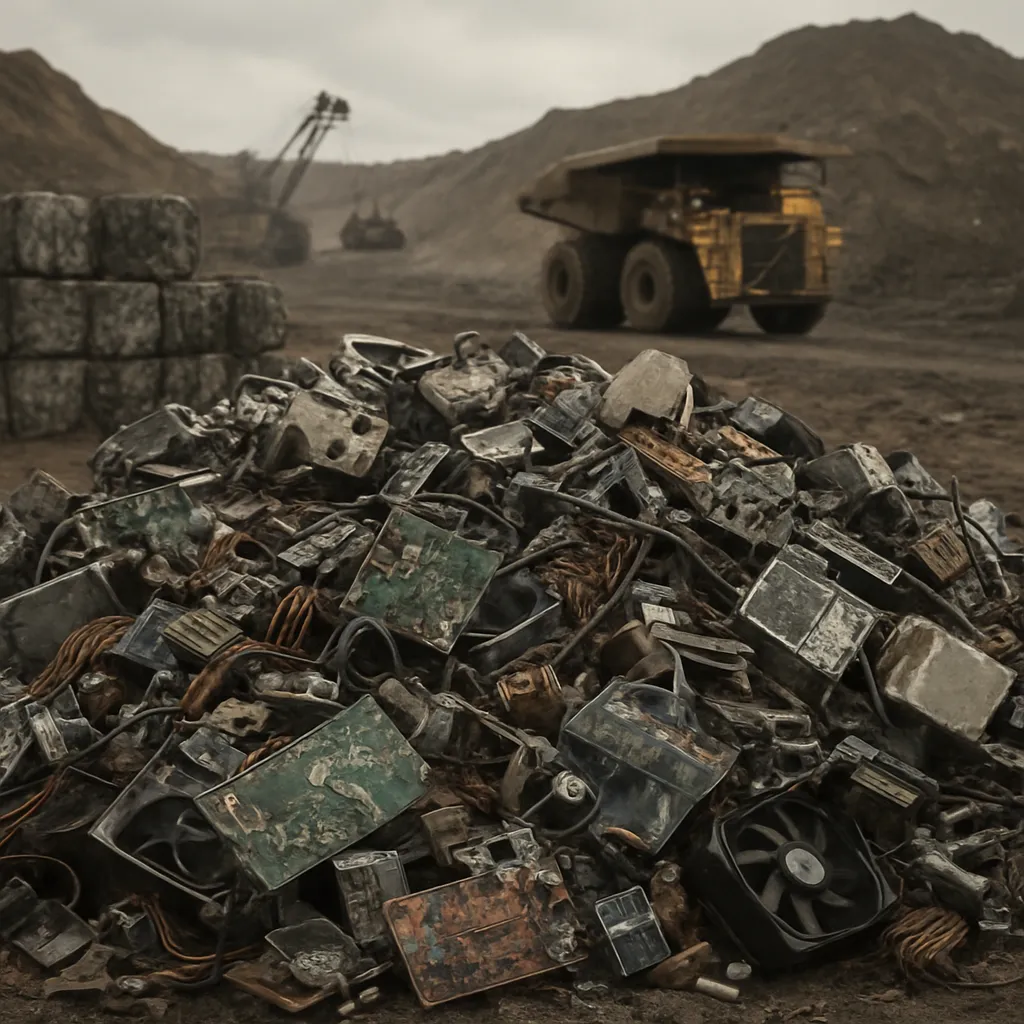
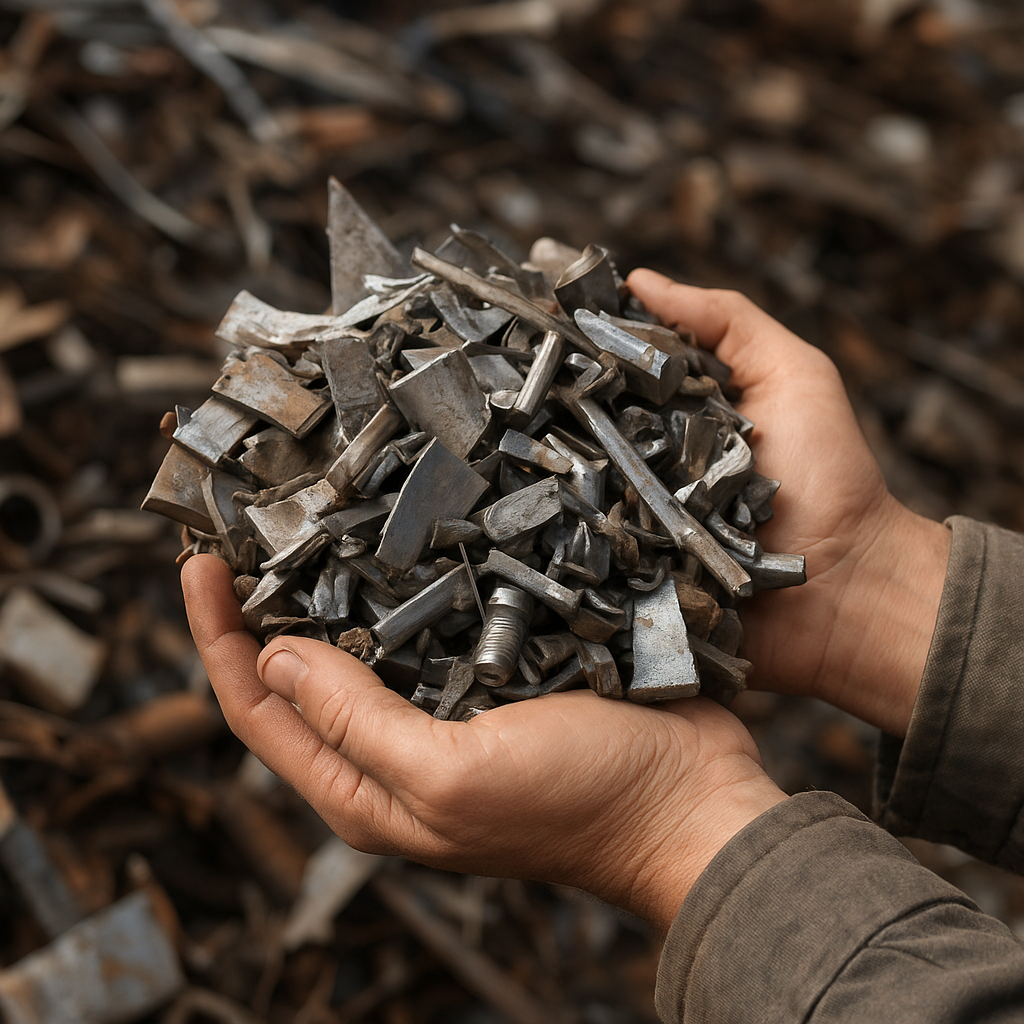
Urban centers, industrial facilities, and even household waste now represent a modern treasure trove for critical metals. Urban mining leverages existing stocks of discarded equipment—ranging from circuit boards and magnets to batteries and catalysts—to reclaim valuable constituents. This approach not only offsets primary extraction but also diminishes environmental impacts associated with large-scale mining operations.
Key Advantages of Urban Mining
- Decoupling resource supply from geological limitations
- Reducing greenhouse gas emissions and water pollution
- Creating localized processing hubs that strengthen economic resilience
- Extending product life cycles through effective recycling and material recovery
Several pioneering ventures have demonstrated the technical feasibility of extracting high-purity metals from scrap streams. Electrochemical processes, hydrometallurgical leaching, and selective solvent extraction can achieve recovery rates exceeding 90% for elements like neodymium and dysprosium. Moreover, new sensor-based sorting technologies and AI-driven robotics improve feedstock quality, lowering downstream refining costs.
Beyond the environmental benefits, secondary markets foster upcycling—where recovered materials attain higher performance or a second life in premium applications. For instance, reclaimed cobalt from spent batteries can be processed into advanced electrode materials with properties rivaling virgin feedstock, thereby enhancing the value proposition of the entire recycling chain.
Policy Frameworks and Technological Innovations
Effective mobilization of secondary metal markets hinges on supportive policy measures and continuous innovation. Governments and industry stakeholders are exploring a range of instruments to incentivize collection, processing, and reintegration of recovered metals.
Regulatory and Fiscal Incentives
- Mandatory take-back schemes obliging manufacturers to accept end-of-life products
- Tax credits and subsidies for recycling facilities and research programs
- Trade agreements that recognize recycled content and reduce tariffs on recovered metals
- Standards for traceability and material certification to build market trust
At the national level, several countries have implemented extended producer responsibility (EPR) frameworks, compelling electronics and automotive companies to finance collection networks. Such policies have dramatically increased the volume of e-waste funneled into certified recycling channels, unlocking significant stocks of copper, gold, palladium, and critical battery metals.
Breakthrough Processing Technologies
Advances in metallurgical engineering are key to maximizing yield and reducing energy consumption. Traditional pyrometallurgical smelters face competition from more sustainable alternatives. For example, low-temperature bioleaching harnesses specialized microbes to dissolve metal ions, offering a gentle and eco-friendly route to extraction. Meanwhile, plasma-assisted refining achieves rapid separation of metal phases with minimal chemical additives.
The integration of digital monitoring and process analytics further optimizes resource recovery. Sensor arrays can detect minute variations in feed composition, allowing for real-time adjustments that minimize waste. Machine learning algorithms identify patterns in material flows and predict maintenance needs, boosting uptime and operational efficiency.
Strategic Collaborations and Funding Models
- Public-private partnerships to co-fund demonstration plants and scale-up projects
- Innovation clusters clustering startups, research institutes, and OEMs around shared facilities
- Green bonds and sustainability-linked loans specifically earmarked for recycling infrastructure
- Collaborative R&D consortia that pool intellectual property and minimize duplication of efforts
These collaborative models have yielded pilot programs capable of processing thousands of tons of scrap annually. In some cases, recycled output has achieved price parity with newly mined materials, signaling a turning point in market competitiveness.
Challenges and Future Directions
While the promise of secondary metal markets is considerable, several hurdles remain:
- Fragmented collection systems that limit feedstock availability and consistency
- High capital requirements for specialized processing plants and advanced technologies
- Complex mixtures of alloys and composites that complicate separation processes
- Regulatory uncertainties regarding material ownership and cross-border shipments
Addressing these obstacles requires a holistic approach that aligns industry incentives, regulatory frameworks, and technological roadmaps. A robust secondary market not only strengthens resource security but also underpins global efforts to achieve net-zero emissions and a truly sustainability-driven industrial transition.
As policymakers, investors, and corporate leaders recognize the geopolitics of mineral supply, the urgency to cultivate resilient, diversified, and environmentally sound sources intensifies. The integration of recycled metals into existing value chains can mitigate geopolitical risk and foster economic sovereignty for resource-scarce nations. With continued advancements and cross-sector collaboration, the untapped potential of secondary markets will play a pivotal role in securing the materials foundation for tomorrow’s clean energy systems.