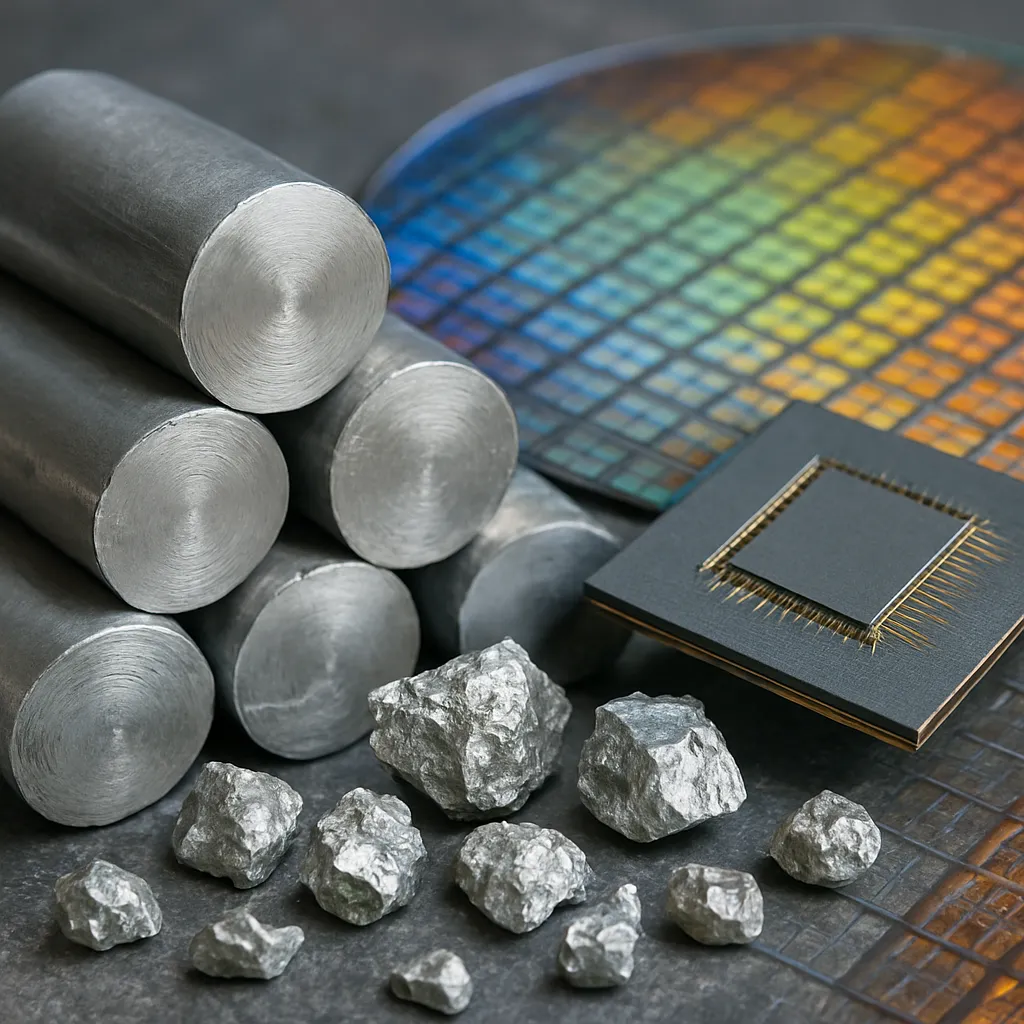
Rare metals occupy a pivotal place in modern industry, powering everything from smartphones to electric vehicles. Their unique properties make them indispensable for advanced technologies, and their scarcity creates intense competition among nations and corporations. This article delves into the intricate world of rare metals, exploring market dynamics, geopolitical implications, and the push for sustainable innovation.
Market Dynamics and Economic Drivers
The global rare metals market has witnessed explosive growth over the past two decades. Components such as lithium, cobalt, and rare earths have become central to battery technologies, renewable energy systems, and high-performance electronics. As demand surges, supply constraints and price volatility pose significant challenges to manufacturers and end users alike.
Supply and Demand Trends
- Lithium – Demand driven by electric vehicle (EV) batteries has tripled since 2015.
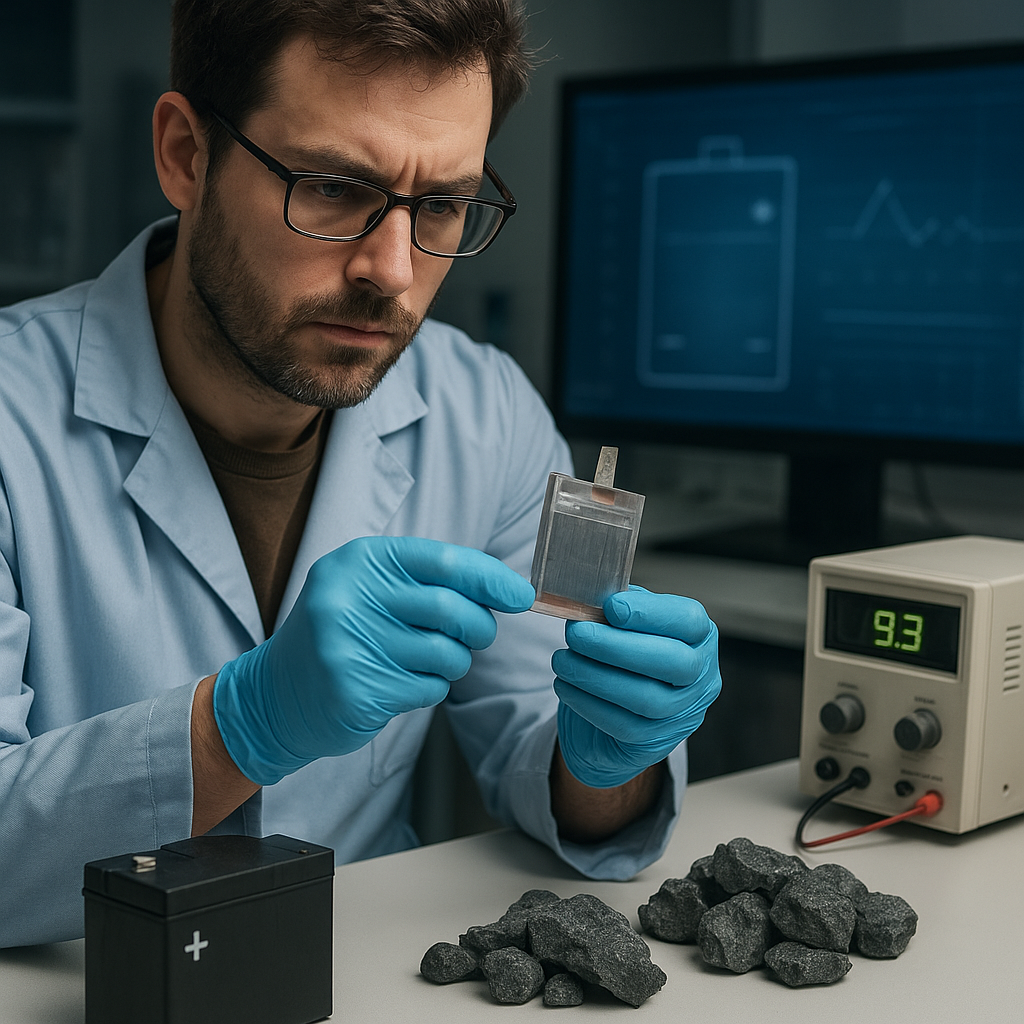
- Cobalt – Critical for battery stability, but subject to ethical concerns over mining practices.
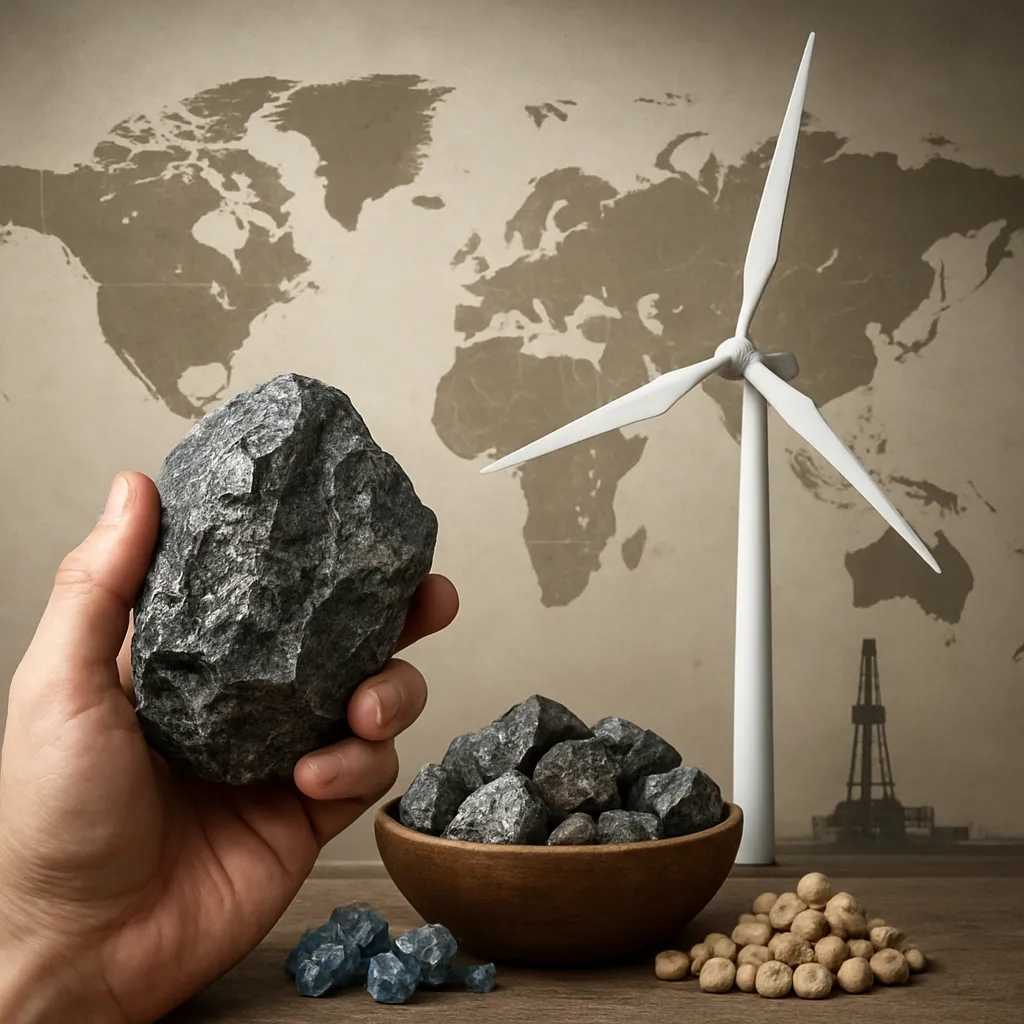
- Rare earth elements – Neodymium and dysprosium remain essential for powerful magnets used in wind turbines and hybrid motors.
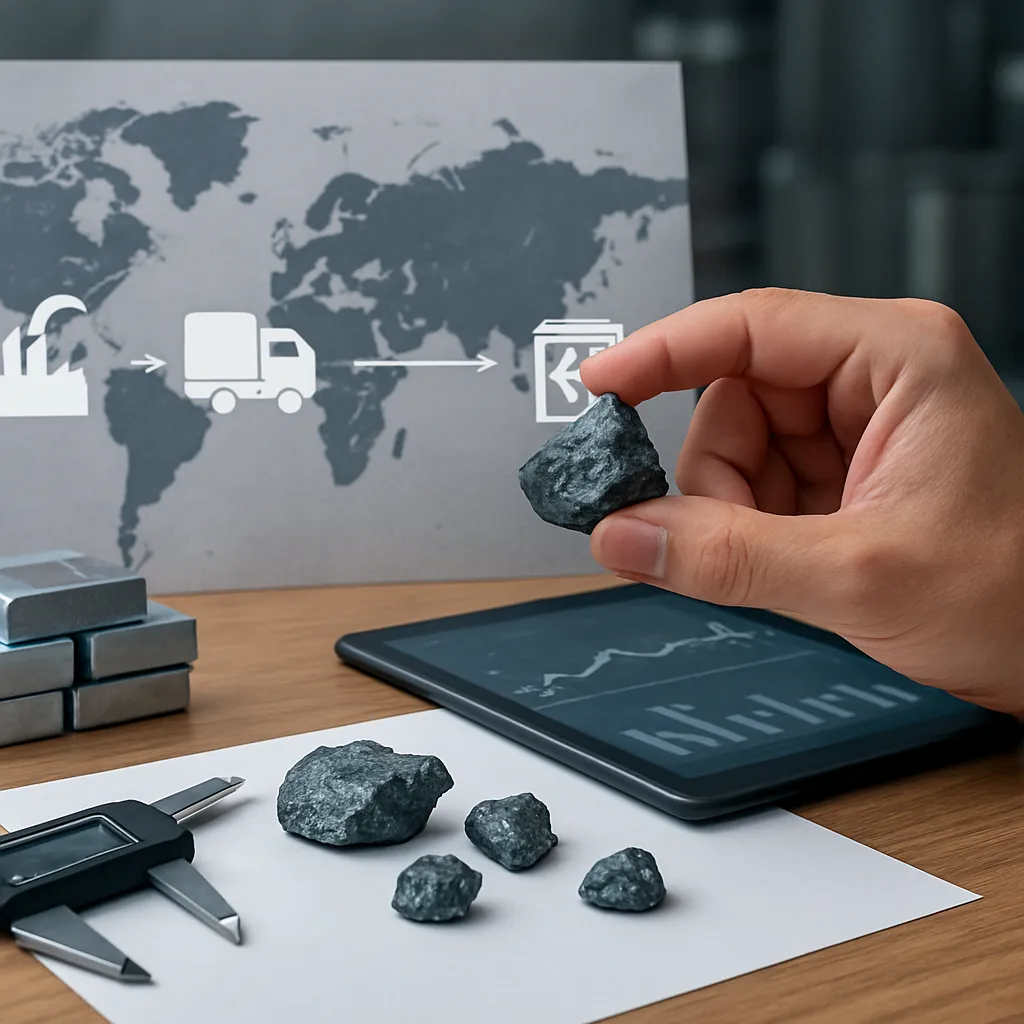
Producers are racing to develop new extraction sites, while investors pump capital into exploration projects across South America, Africa, and Asia. Despite these efforts, processing bottlenecks and environmental regulations continue to constrain output. As a result, companies constantly adjust procurement strategies, balancing long-term contracts with spot-market purchases to maintain resilient supply chains.
Price Volatility and Investment Strategies
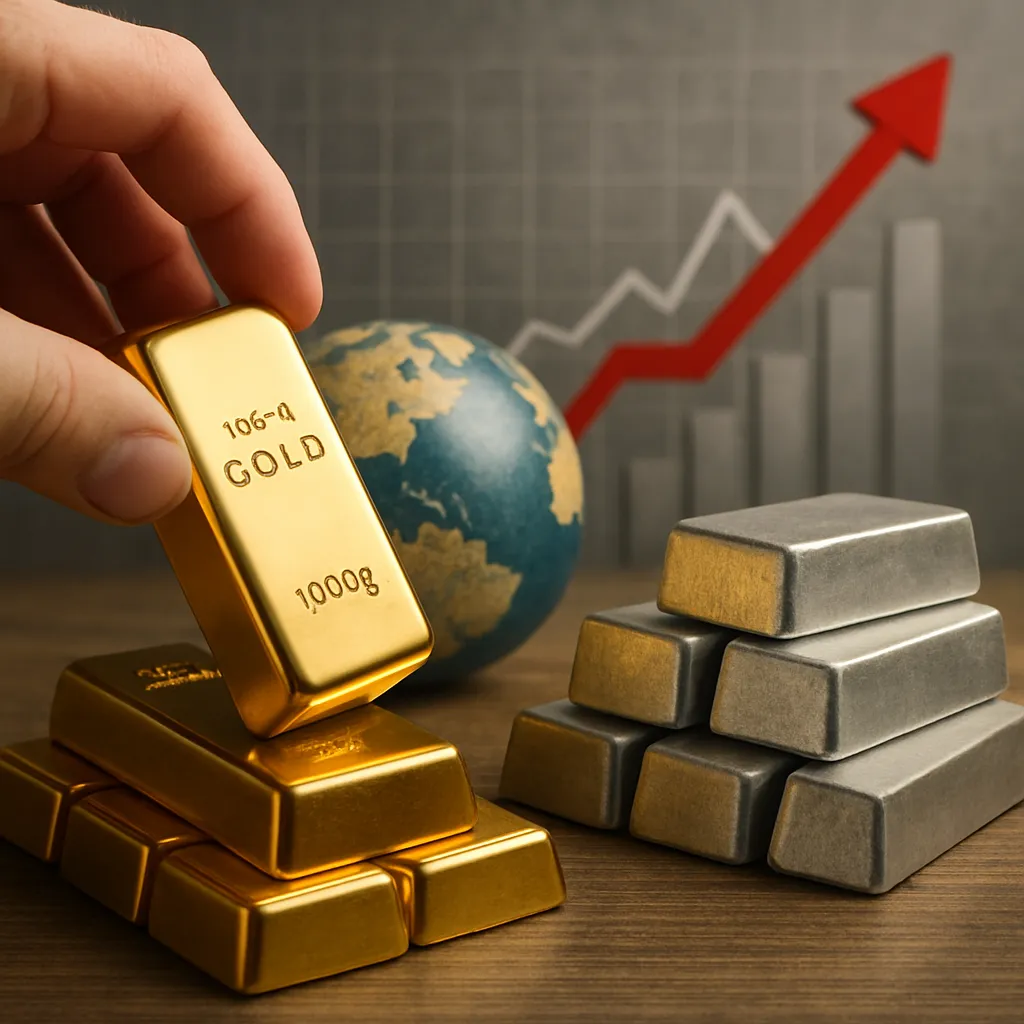
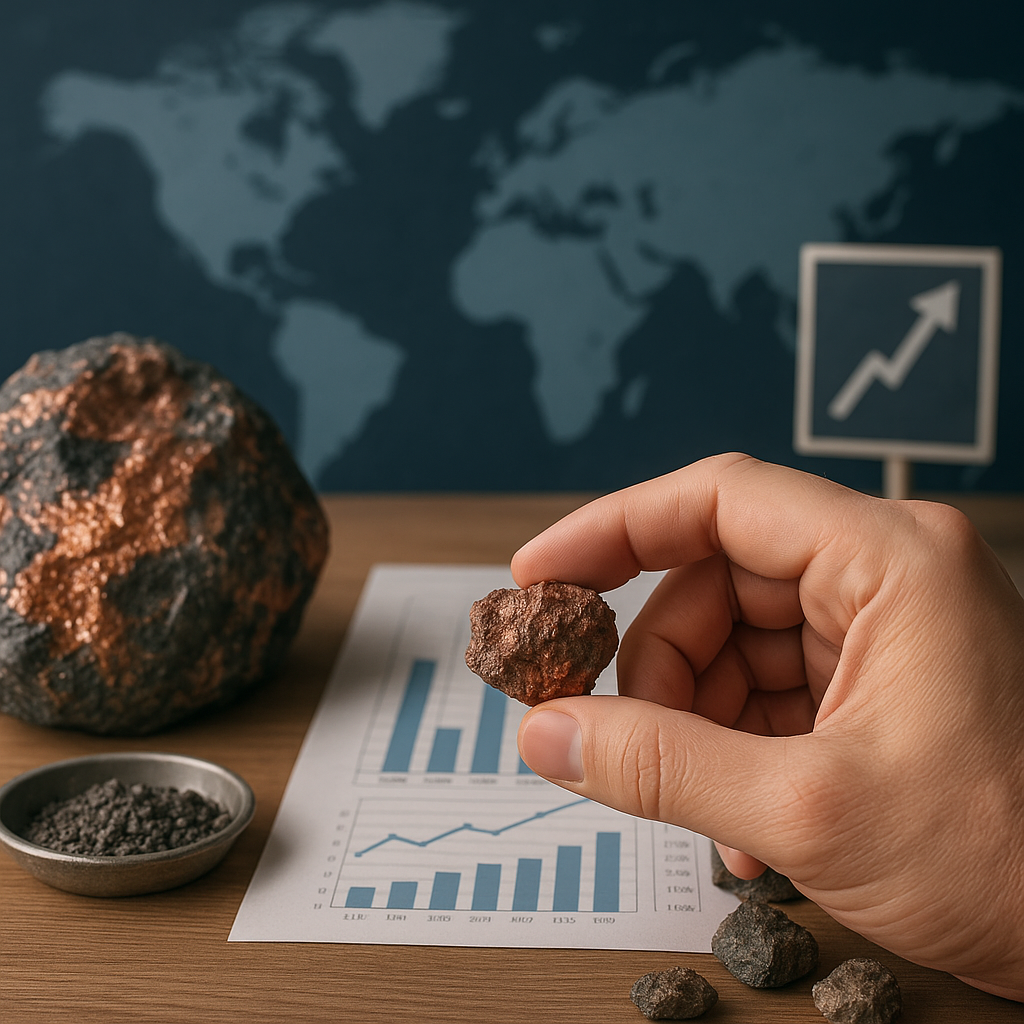
Price spikes have become commonplace, frequently triggered by export restrictions or sudden shifts in consumption patterns. For instance, China’s export quotas on rare earths have historically caused global prices to soar, prompting other nations to stockpile reserves. Such moves illustrate how strategic resource management can influence market sentiment and investment flows.
- Hedging through derivatives and futures contracts
- Diversification of supplier base
- Vertical integration from mine to manufacturing
Firms adopting a vertically integrated approach gain better control over costs and quality, while reducing exposure to geopolitical shocks.
Geopolitical Implications and Strategic Rivalries
The concentration of rare metal reserves in a handful of countries has heightened geopolitical tensions. Major producers leverage their resource endowment to wield economic and political influence on the global stage.
Resource Nationalism and Trade Policies
Nations with abundant reserves often adopt resource nationalism policies, limiting foreign ownership and imposing higher royalties. These measures aim to maximize domestic benefits but can deter foreign investment. Simultaneously, importing countries forge strategic alliances to secure stable access to vital inputs, sometimes extending beyond trade into defense and technology cooperation.
Major Players and Strategic Alliances
- China – Holds over 60% of global rare earth processing capacity, using state-sponsored R&D to maintain a competitive edge.
- Australia – Rich in lithium and nickel; attracts global capital with transparent regulatory frameworks.
- Democratic Republic of Congo – Supplies over half of the world’s cobalt, but faces criticism for environmental and labor conditions.
To mitigate risks, consuming nations form consortiums and sign long-term supply agreements. The European Union, for example, launched the European Raw Materials Alliance to reduce dependency on single suppliers and foster domestic mining and recycling projects.
Sustainability, Recycling, and Technological Innovation
Environmental concerns and social responsibility are reshaping the rare metals landscape. Stakeholders recognize that sustainable practices and circular economy principles are vital to secure long-term supplies and meet climate goals.
Eco-friendly Extraction and Processing
Traditional mining methods often entail significant ecological footprints, including water pollution and habitat destruction. New techniques, such as bioleaching and solvent extraction, promise to lower energy consumption and reduce toxic waste. Companies are also investing in automated monitoring systems that track emissions and ensure compliance with stringent environmental standards.
Recycling and Urban Mining
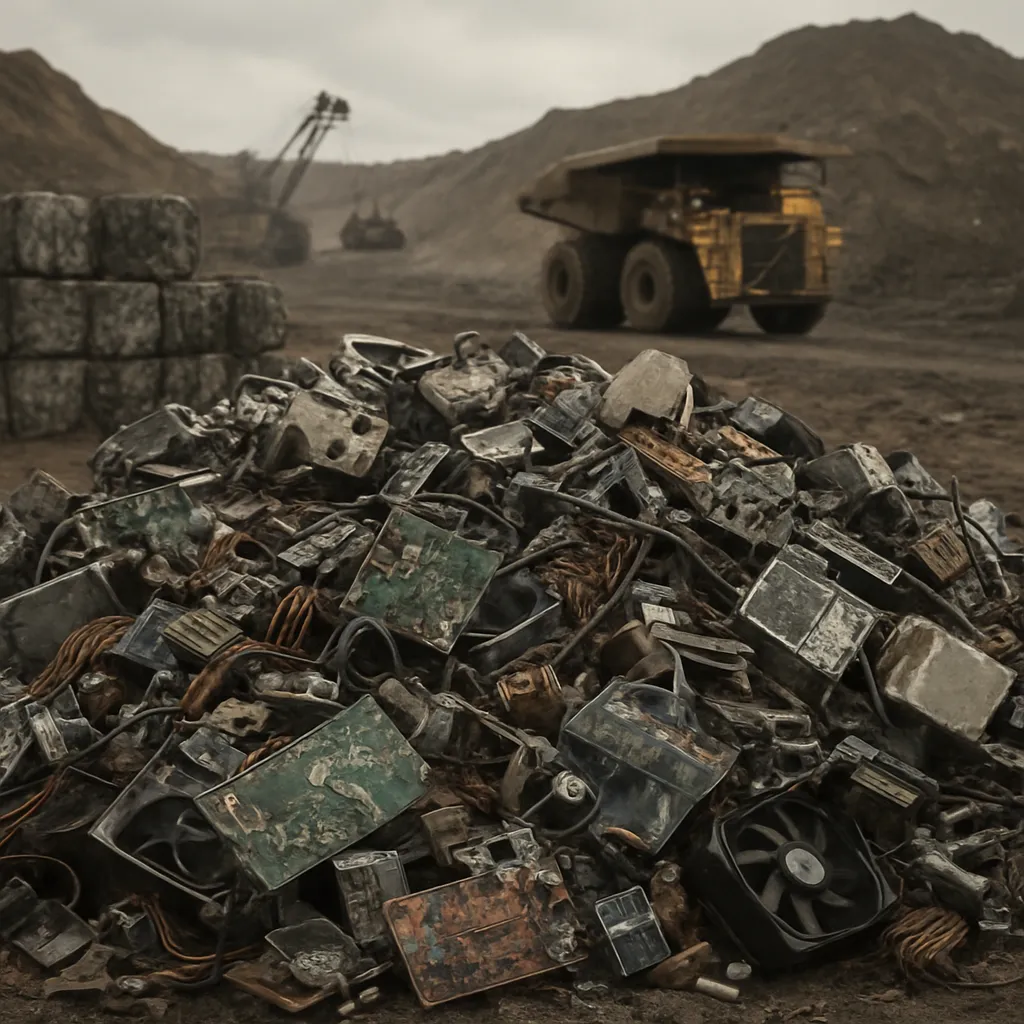
Recycling end-of-life products emerges as a key strategy to alleviate raw material shortages. Urban mining initiatives aim to recover metals from discarded electronics, with processes designed to extract:
- Gold and palladium from printed circuit boards
- Neodymium from hard disk drives
- Lithium and cobalt from spent batteries
These efforts not only reduce reliance on virgin ore but also diminish the environmental toll of mining. Advanced hydrometallurgical techniques enable high recovery rates, turning waste into valuable feedstock.
Breakthroughs in Material Science
Research institutions and private enterprises are at the forefront of developing novel alloys and substitutes. For instance, innovations in battery chemistry explore sodium-ion and solid-state alternatives, which could decrease dependence on cobalt. Similarly, efforts to synthesize rare earth magnets with reduced heavy-rare-earth content seek to lower costs while maintaining performance.
Outlook for the Next Decade
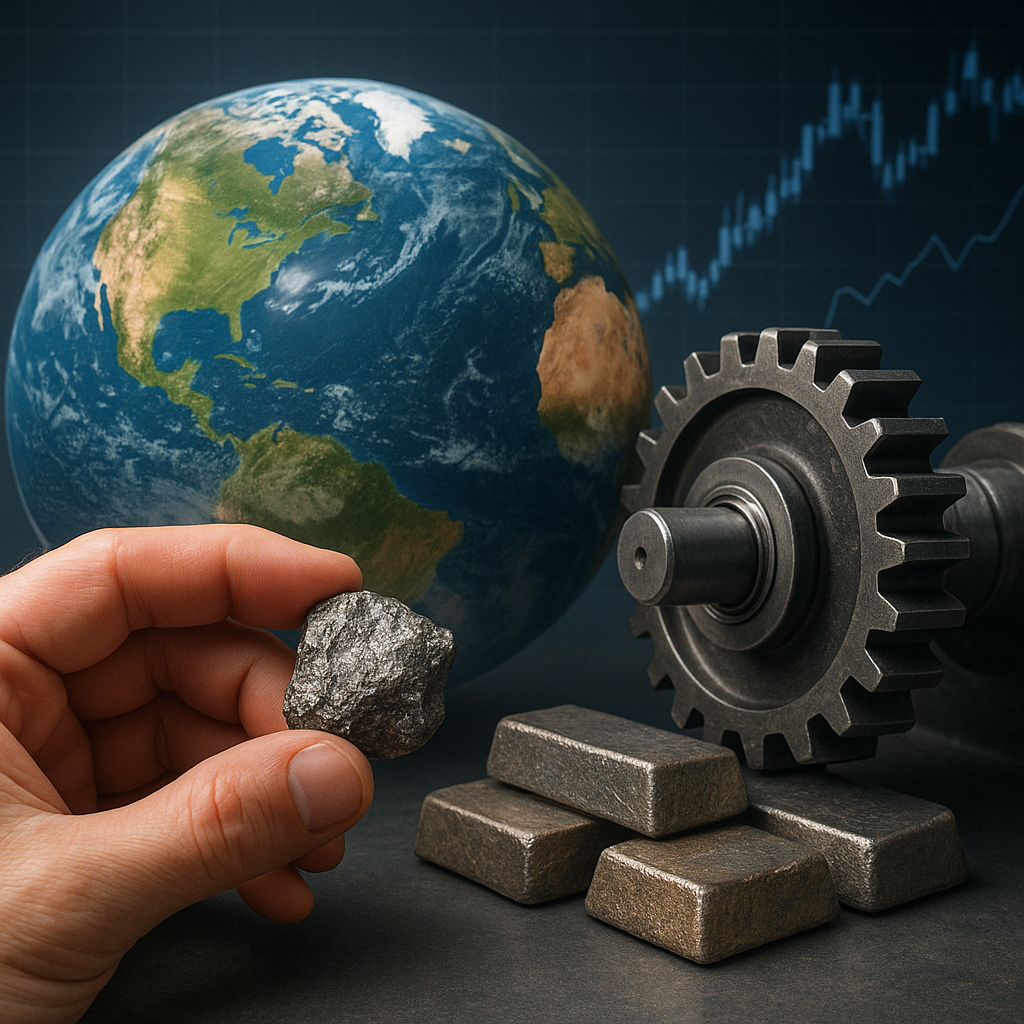
As the global economy undergoes a green and digital transformation, the strategic importance of rare metals will only amplify. Nations will continue to vie for resource security through diversified sourcing, technological collaboration, and sustainability initiatives.
Key factors shaping the future include:
- Expansion of EV and renewable energy markets
- Enhanced recycling infrastructure and policy support
- R&D breakthroughs in material substitutes
- Strengthening alliances to mitigate supply risks
In this evolving landscape, stakeholders who embrace innovation, invest in sustainable practices, and foster resilient partnerships will secure a competitive advantage. The interplay of economics, geopolitics, and technology will define the rare metals industry’s trajectory, underpinning the next generation of global progress.