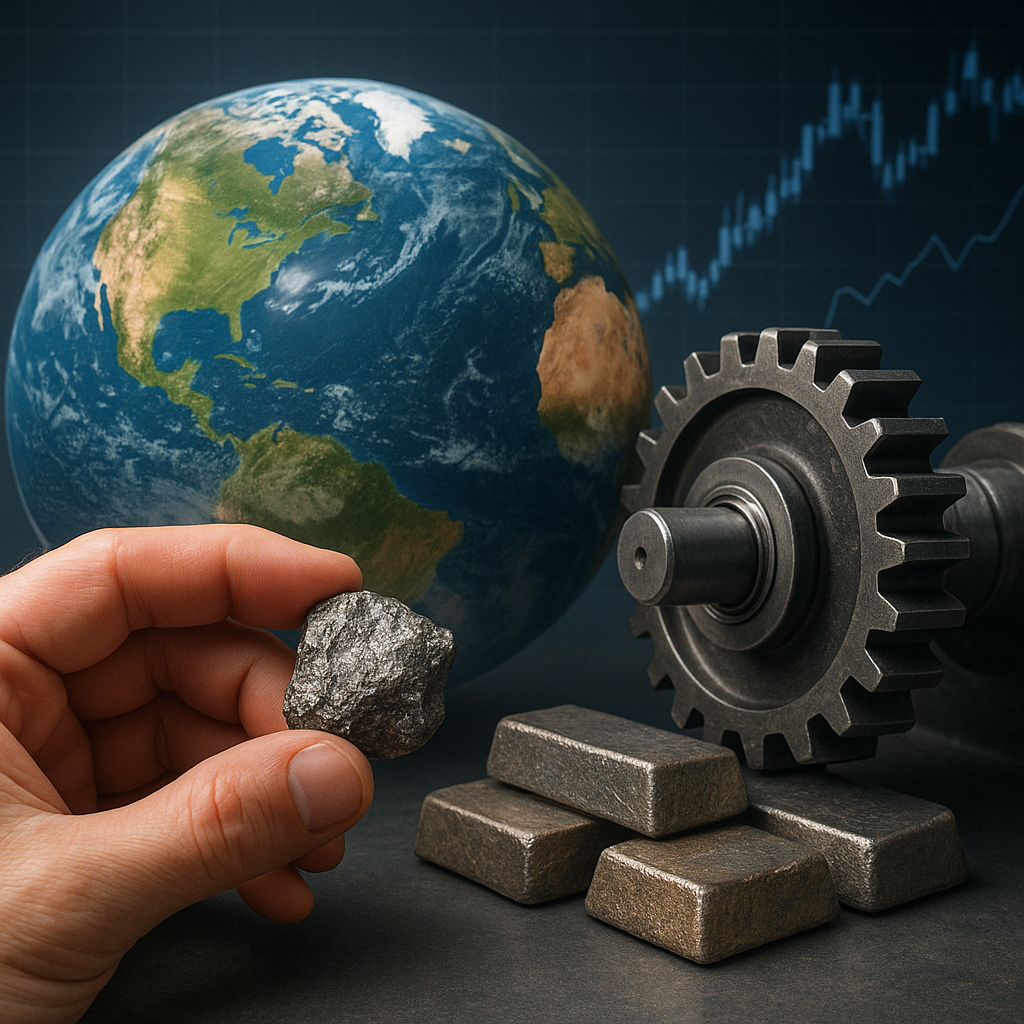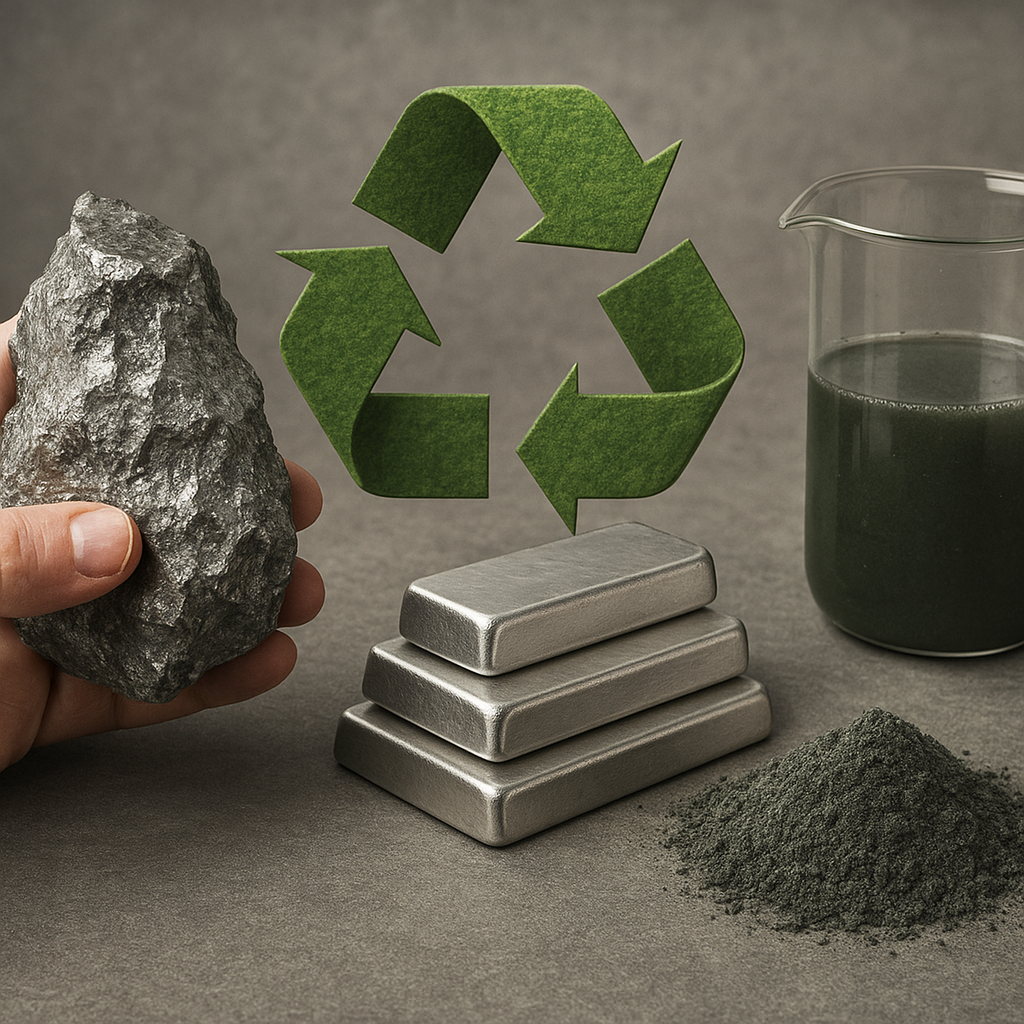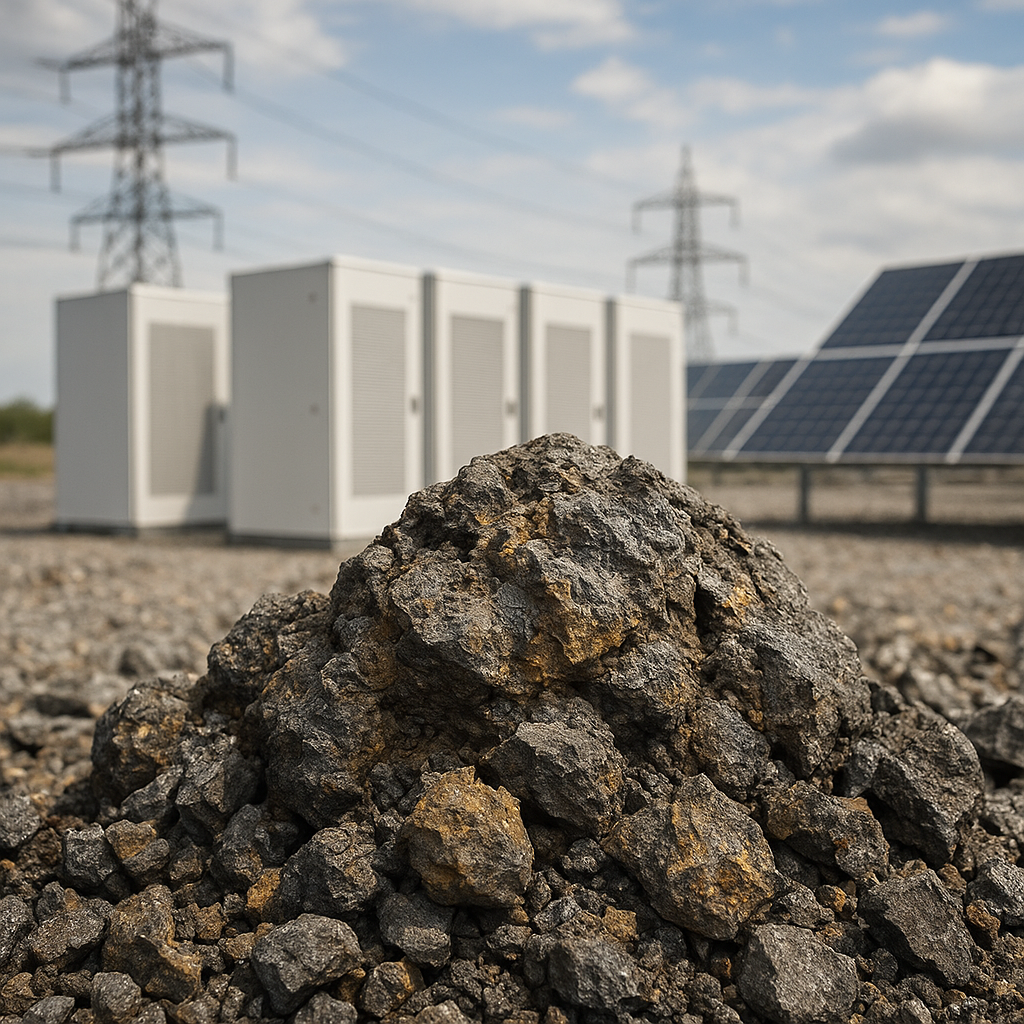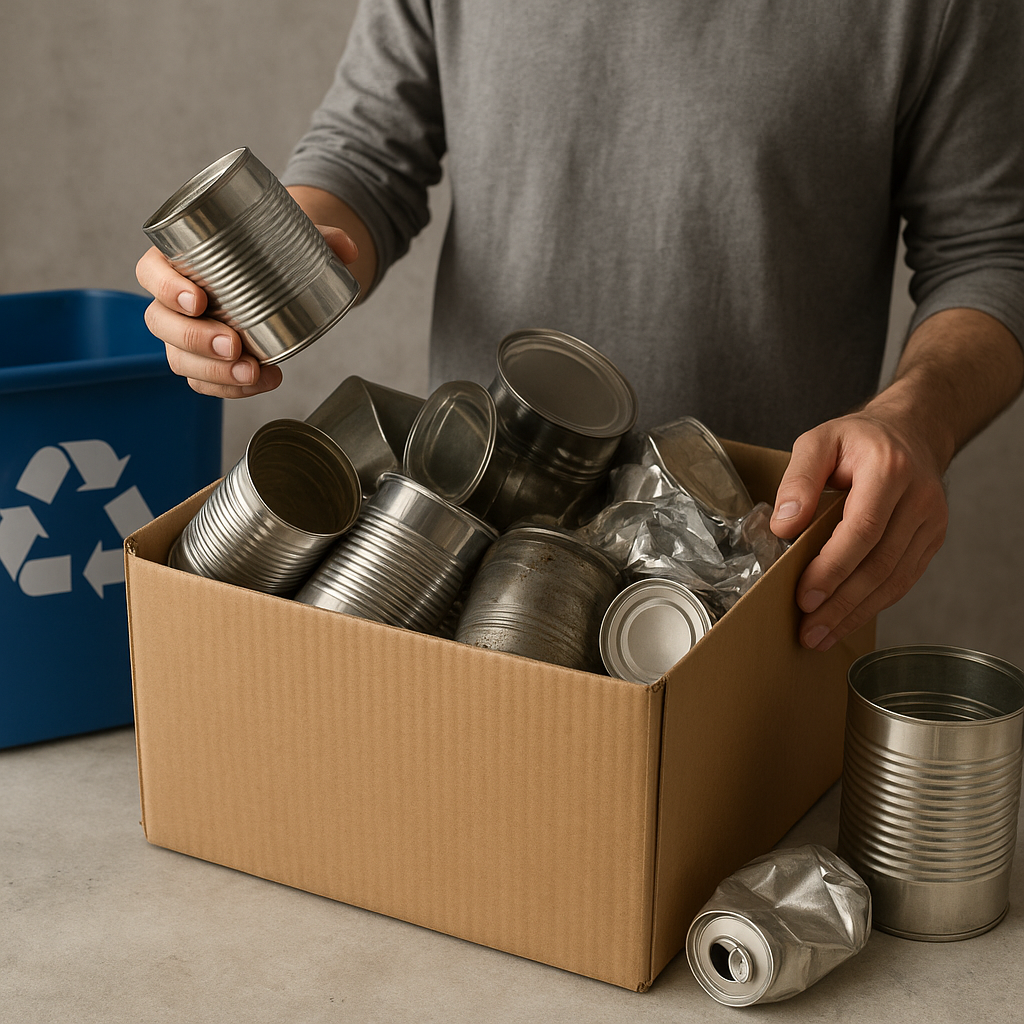
The growing reliance on electronic devices, electric vehicles, and renewable energy technologies has thrust the availability of critical minerals into the spotlight. Rare metals are fundamental to innovations that drive a transition toward a low-carbon future. However, mounting concerns over sustainability, environmental degradation, and supply chain resilience necessitate a strategic focus on recycling to secure a reliable stream of key materials. Robust recovery methods can reduce dependence on primary mining, mitigate the environmental footprint of extraction, and bolster long-term resource management. This article explores the multifaceted challenges and opportunities surrounding global rare metals, highlighting the pivotal role of recycling in shaping a more circular economy.
Importance of Rare Metals in Modern Technology
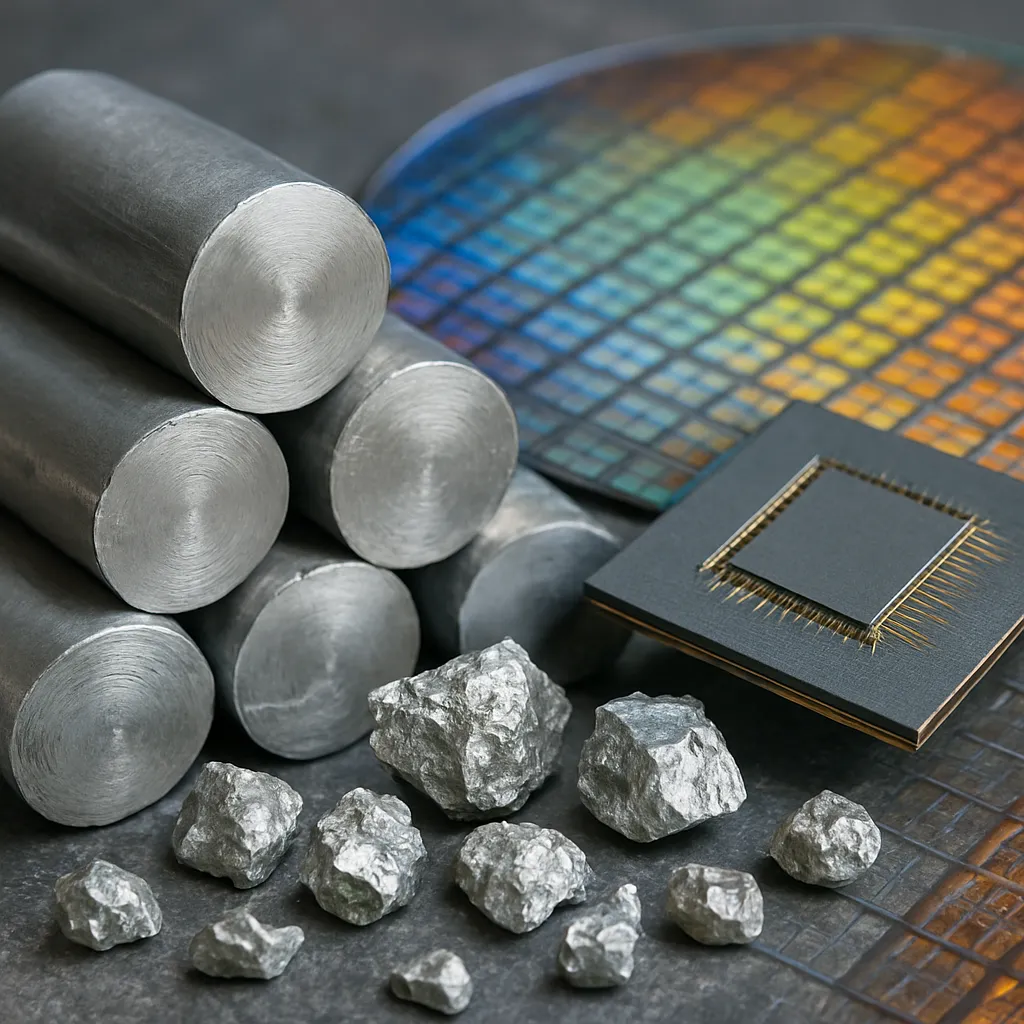
Rare metals such as neodymium, dysprosium, lithium, cobalt, and platinum group elements underpin many cutting-edge applications. From permanent magnets in wind turbines to cathodes in lithium-ion batteries, these materials deliver unique magnetic, electrical, and catalytic properties that are irreplaceable by common metals. The expansion of consumer electronics, coupled with ambitious climate targets, has driven exponential growth in demand for rare earth elements and other specialty metals.
Applications in Electronics and Energy
- Permanent magnets for high-efficiency generators and electric motors
- Catalysts for automotive exhaust treatment and chemical synthesis
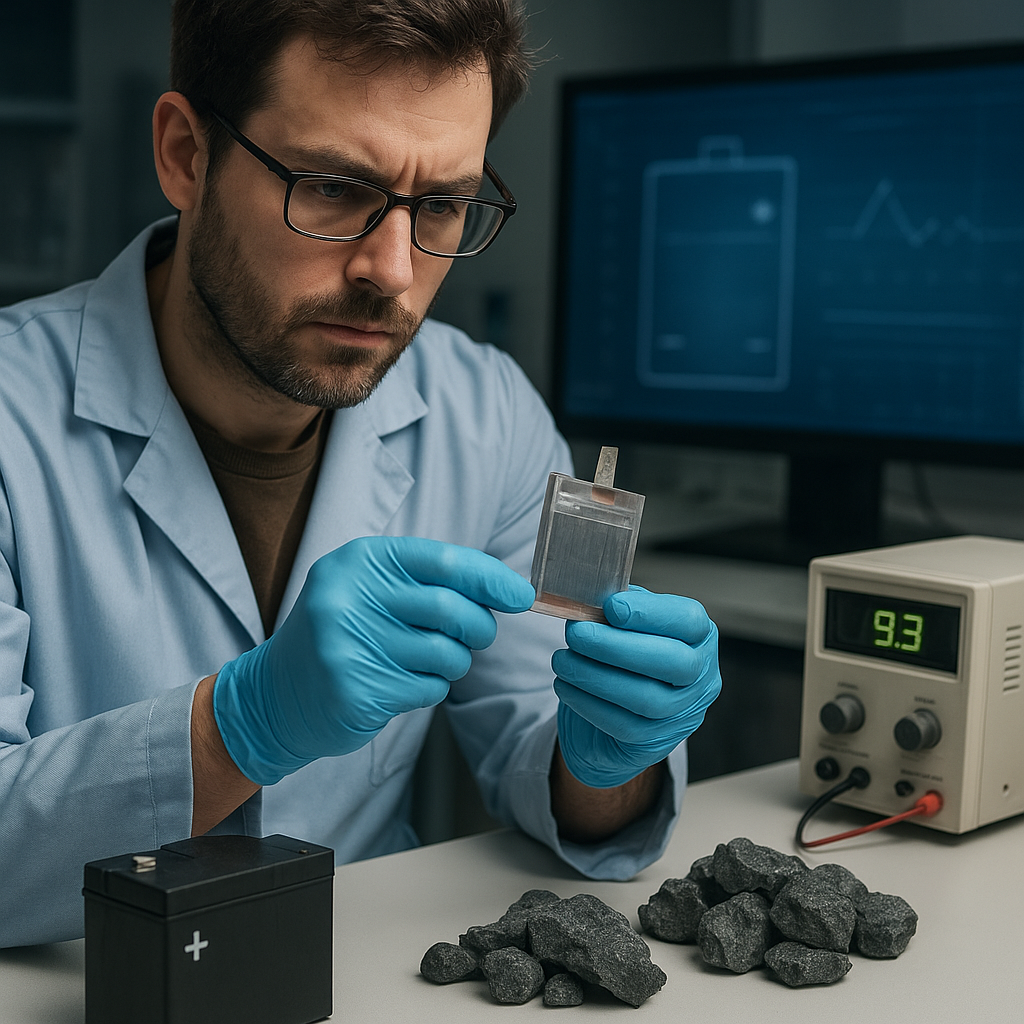
- Battery electrodes for grid storage and portable devices
- Semiconductors and optical fibers for telecommunications
These applications intensify the need for reliable supplies of elements such as praseodymium, tellurium, and indium. Over 80% of global rare earth production is concentrated in a handful of regions, amplifying resource scarcity risks and geopolitical tensions. Securing multiple supply routes, including secondary sources through recycling, is critical to alleviate these vulnerabilities.
Growing Demand Drivers
Several factors contribute to escalating consumption of strategic metals:
- Energy transition policies targeting net-zero carbon emissions
- Technological proliferation in artificial intelligence and 5G networks
- Automotive electrification mandates across major markets
- Upgrading infrastructure with smart sensors and renewable installations
As governments incentivize clean energy deployment, the global appetite for lithium and cobalt resurfaced, leading to intense exploration activities. Yet, new mining operations often face public opposition due to water usage, land disturbance, and hazardous byproducts. This dynamic reinforces the appeal of reclaiming valuable metals from end-of-life products and industrial residues.
Challenges of Resource Scarcity and Environmental Impact
Mining and processing of rare metals can generate significant ecological and social impacts. Conventional extraction methods may consume vast quantities of water, produce tailings that leach toxic elements, and encroach upon sensitive habitats. The carbon emissions associated with ore beneficiation, smelting, and transportation also contribute to global warming. Addressing these challenges demands a comprehensive approach that emphasizes waste minimization, environmental stewardship, and ethical sourcing.
Environmental Footprint of Mining
Unlike base metals such as iron and copper, rare metals are typically dispersed in low concentrations, requiring energy-intensive separation techniques. Operations in remote locations often rely on diesel generators, further increasing greenhouse gas outputs. Tailings dams present long-term risks of catastrophic failure, releasing acid mine drainage and heavy metals into waterways. Community health and biodiversity suffer when remediation efforts are inadequate or enforcement is weak.
Geopolitical and Supply Chain Risks
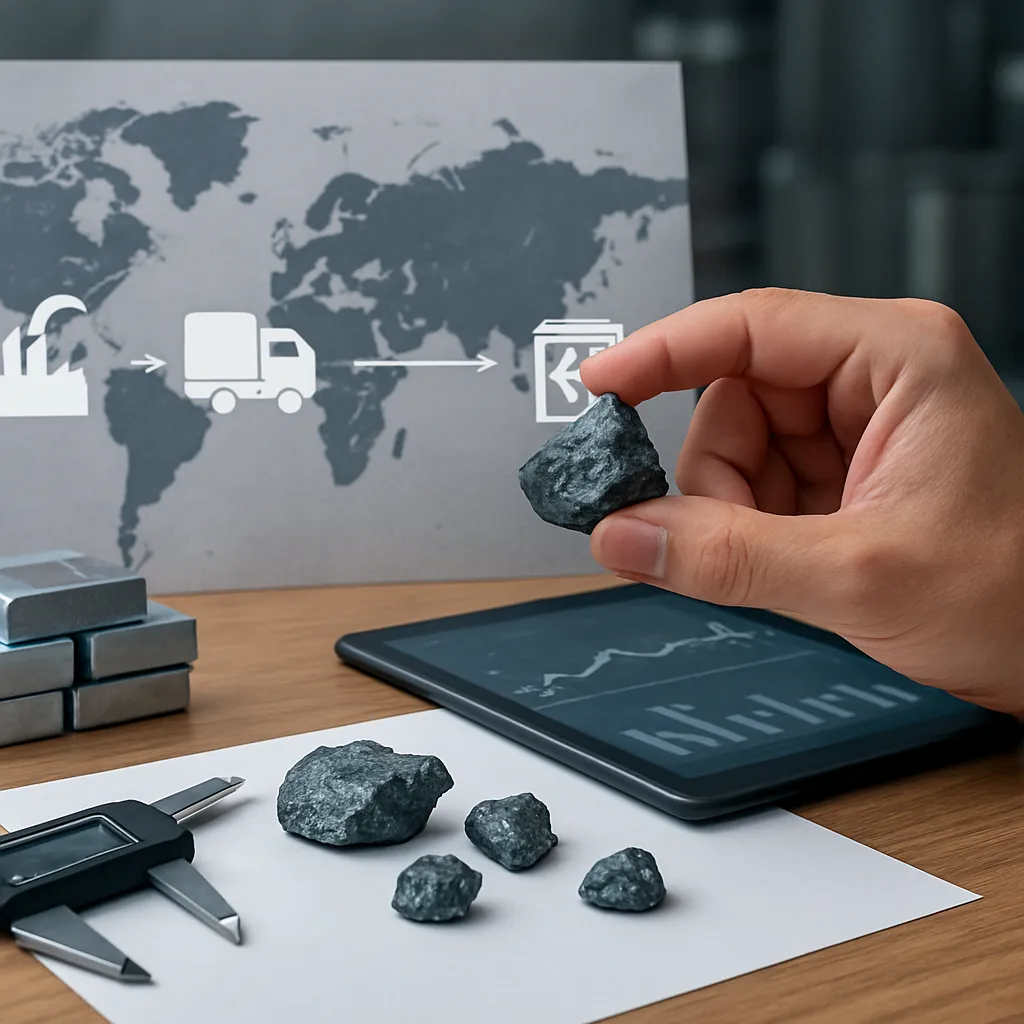
Concentration of production within a small number of countries can lead to supply disruptions. Trade embargoes, export quotas, or political instability threaten continuous access to critical inputs. Additionally, volatile commodity prices undermine investment in both primary and secondary recovery initiatives. By diverting end-of-life electronics, magnets, and batteries into robust recycling streams, stakeholders can hedge against unpredictable market swings and strengthen regional autonomy over key resources.
Recycling Strategies and Technological Innovations
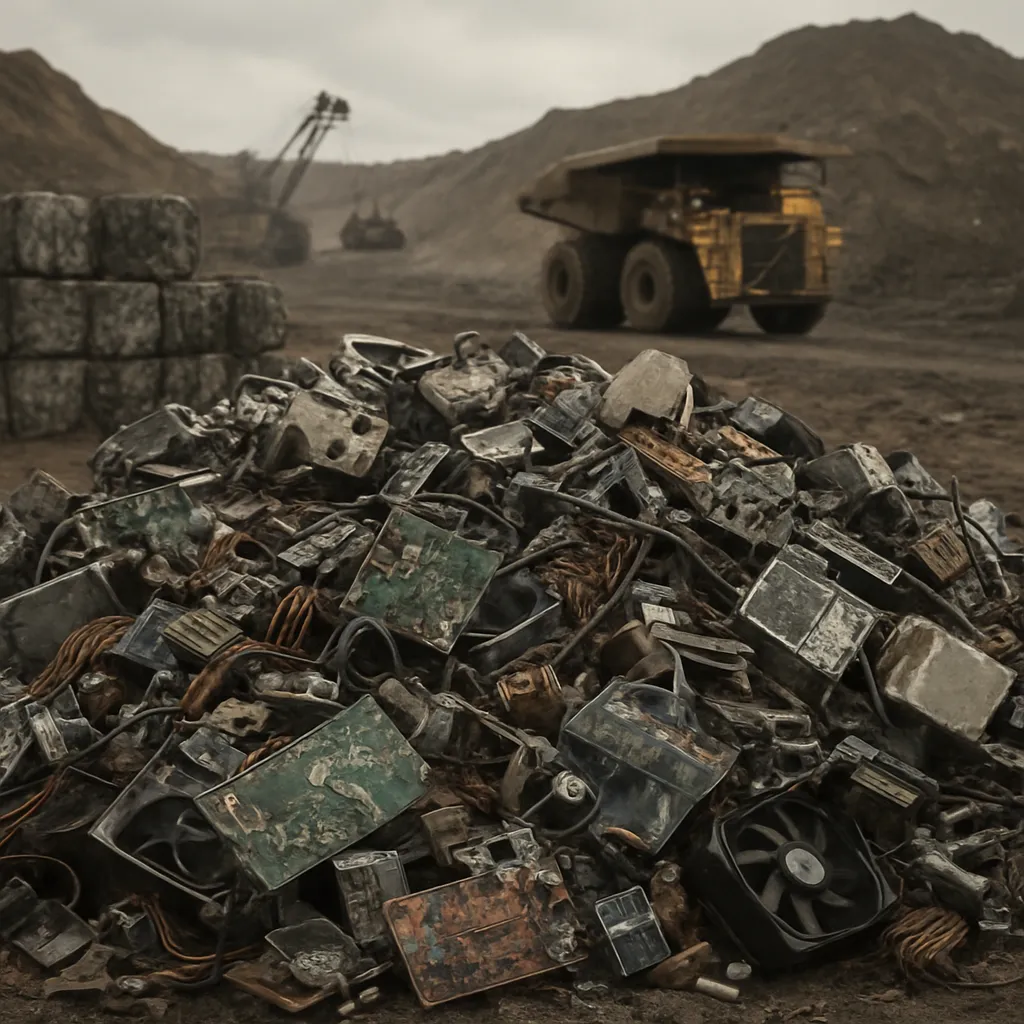
Advances in recycling science unlock new pathways to reclaim high-value metals with improved efficiency and reduced environmental burden. Tailored processes target specific material categories—ranging from printed circuit boards to spent catalysts—maximizing recovery rates and purity levels. Embracing a portfolio of mechanical, chemical, and biological techniques enhances the overall resilience of metal supply chains.
Mechanical Pre-Treatment
- Sorting and shredding of electronic waste (e-waste) using sensors and optical recognition
- Physical separation by density and particle size to concentrate metal-rich fractions
- Magnetic and eddy-current separators to extract ferrous and non-ferrous components
Mechanical methods prepare material streams for subsequent hydrometallurgical or pyrometallurgical treatment, boosting yield and lowering downstream costs. Automated disassembly lines and smart robotics improve throughput while minimizing manual hazardous exposure.
Chemical and Bio-Metallurgical Processes
- Hydrometallurgy: selective leaching using acid or alkaline solutions to dissolve target metals
- Solvent extraction and ion exchange to purify and separate metal ions
- Bioleaching: harnessing microbial consortia to mobilize metals under mild conditions
Hydrometallurgical routes offer fine control over reaction kinetics and minimal energy input compared to high-temperature smelting. Bioleaching emerges as a promising low-impact alternative for low-grade feedstocks, reducing chemical consumption and greenhouse gas emissions. Process intensification through novel chelating agents and electrochemical recovery further enhances resource efficiency.
Closed-Loop Design and Urban Mining
In parallel with end-of-life recycling, manufacturers are adopting design principles that facilitate disassembly and material recovery. Modular components, standardized screw interfaces, and clear labeling of polymer types streamline the separation of valuable fractions. Urban mining initiatives capture metals from municipal waste, industrial scrap, and infrastructure decommissioning. Such endeavors transform cities into secondary resource hubs, cutting reliance on virgin ore and curbing landfill volumes.
Policy Frameworks and Global Initiatives
Regulatory measures and collaborative partnerships play a pivotal role in scaling up recycling infrastructure and driving investment. Governments, industry stakeholders, and research institutions must align incentives to ensure a balanced approach that values environmental integrity, economic competitiveness, and social well-being.
Extended Producer Responsibility (EPR)
EPR schemes mandate that manufacturers oversee the collection, recycling, or safe disposal of products at end of life. By internalizing the cost of recovery, producers are motivated to design for easier recycling and to support reverse logistics networks. Effective EPR frameworks have been implemented for batteries, electronics, and lighting equipment in regions such as the European Union, Japan, and select U.S. states.
International Collaborations
Cross-border initiatives facilitate technology transfer, harmonize standards, and coordinate research on sustainable mining and recycling practices. Platforms like the International Resource Panel and the Global Battery Alliance bring together policymakers, scientists, and corporate leaders to share knowledge and launch pilot projects. Collaborative efforts reduce duplication of research, accelerate scaling of best available techniques, and foster transparency across the supply chain.
Economic Incentives and Market Mechanisms
Subsidies, tax rebates, and low-interest financing can lower barriers to entry for emerging recycling ventures. Tradable recycling credits or deposit-refund systems create market signals that reward high recovery rates. Meanwhile, public procurement policies that prioritize recycled content compel suppliers to integrate secondary materials into production. Such strategies collectively drive down costs and enhance competitiveness against virgin mineral sources.
By weaving comprehensive recycling efforts into a broader resource management tapestry, society can mitigate environmental pressures, increase material security, and foster technological innovation. The road to true circular economy models for rare metals is complex but navigable, provided stakeholders commit to continuous improvement, investment, and policy coherence. Ultimately, sustainable recovery of strategic metals will prove indispensable in achieving climate, economic, and social goals on a global scale.