The advancement of nuclear energy hinges on the availability and properties of a select group of materials commonly known as rare metals. These elements, though present in minute quantities within the Earth’s crust, play pivotal roles across various stages of nuclear fuel cycles, reactor construction, and waste management. From the initial enrichment processes to the safe containment of spent fuel, rare metals ensure both the efficiency and the safety of modern nuclear installations. This article explores three critical dimensions of this relationship: the operational importance of specific metals, the global supply challenges that accompany them, and the array of innovations aimed at achieving greater sustainability.
Importance of Rare Metals in Nuclear Fuel Cycles
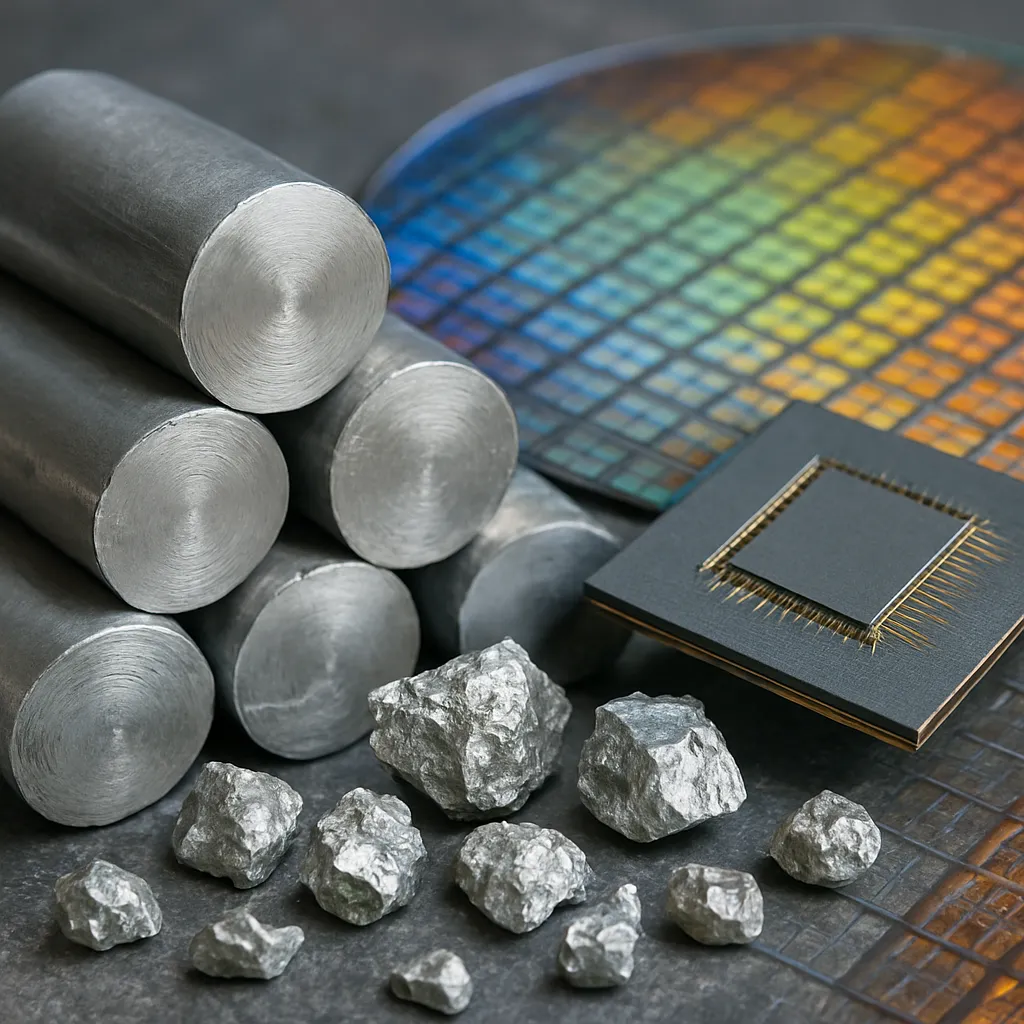
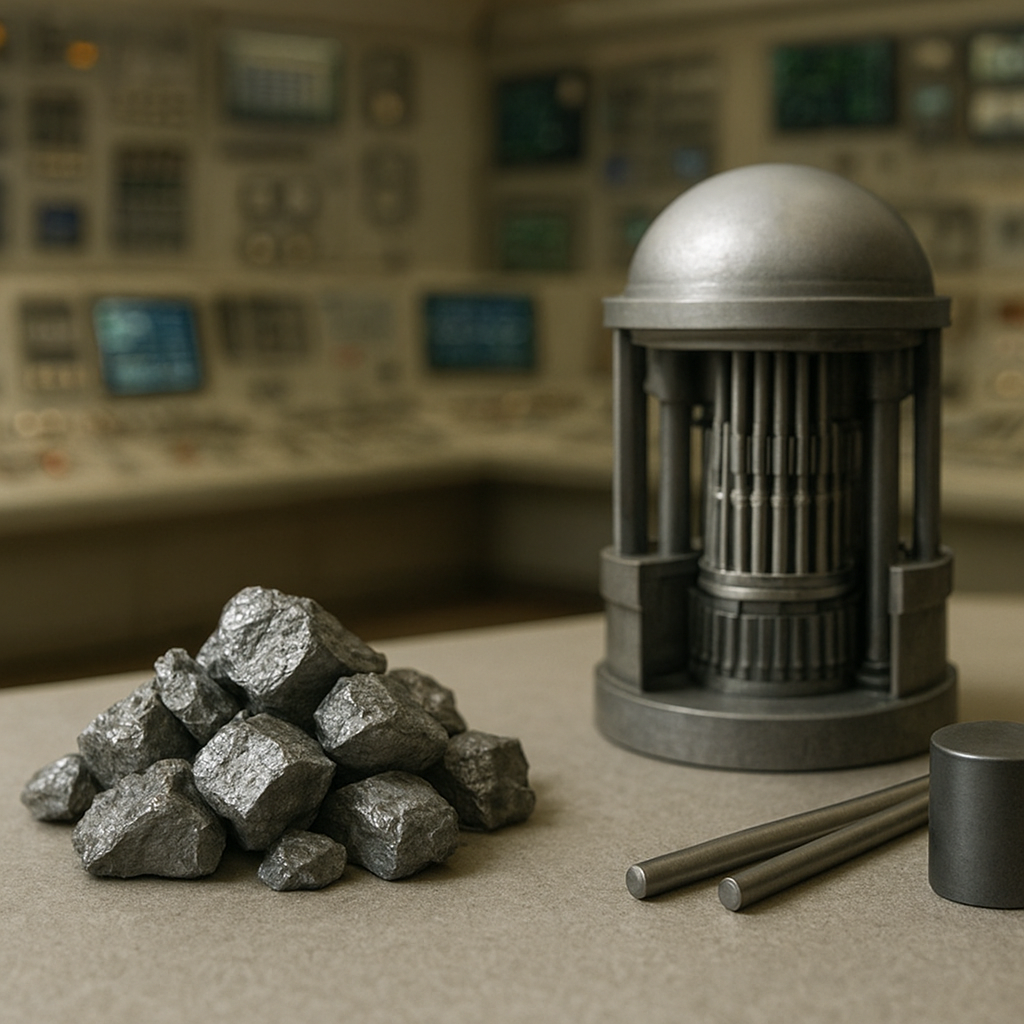
In the heart of any nuclear reactor lies the fuel, typically enriched uranium, whose performance depends on catalysts, cladding materials, and moderators enriched with trace alloys. The most familiar element is Uranium, whose isotopic composition determines reactor efficiency and longevity. Yet, uranium does not operate alone. The construction of fuel rods often incorporates Zirconium alloys as cladding due to their low neutron absorption cross-section and high corrosion resistance. Without high-purity zirconium, even advanced reactor designs would suffer from reduced fuel burnup and increased safety risk.
Under certain configurations, mixed oxide (MOX) fuels combine depleted uranium with recycled Plutonium, enhancing resource utilization and reducing the volume of high-level waste. Plutonium’s unique neutron economy allows it to maintain chain reactions under conditions where fresh uranium might falter. However, the metallurgical processing of plutonium demands exacting controls to prevent proliferation, making it one of the most sensitive materials in the nuclear fuel cycle.
Beyond fuel itself, moderators like heavy water or graphite can be enhanced with dopants to better manage neutron spectra. Research continues on incorporating small percentages of Molybdenum into certain alloys to improve radiation resistance. In addition, control rods that govern reactor output often utilize boron carbide or silver-indium-cadmium alloys, but future designs are investigating alternative neutron absorbers based on rare-earth elements such as Neodymium.
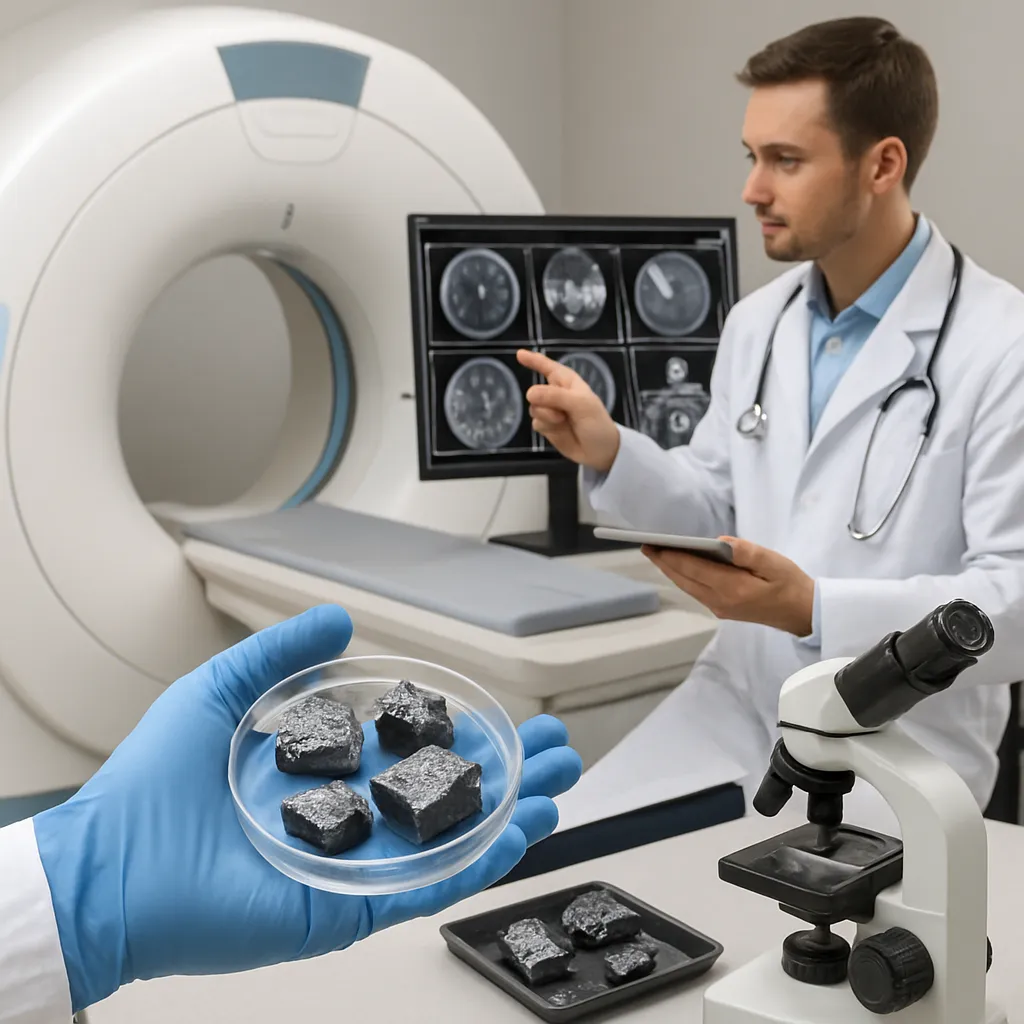
Another vital application of rare metals lies in medical and industrial isotope production. Nuclear reactors and accelerators generate a spectrum of Isotopes used for diagnostic imaging, cancer therapy, and materials testing. Elements such as rhodium, palladium, and ruthenium must be separated and purified from irradiated targets under strict regulatory oversight, a process enabled by solvent extraction and ion exchange technologies that rely on rare-metal-specific reagents.
Global Supply Chain and Geopolitical Challenges
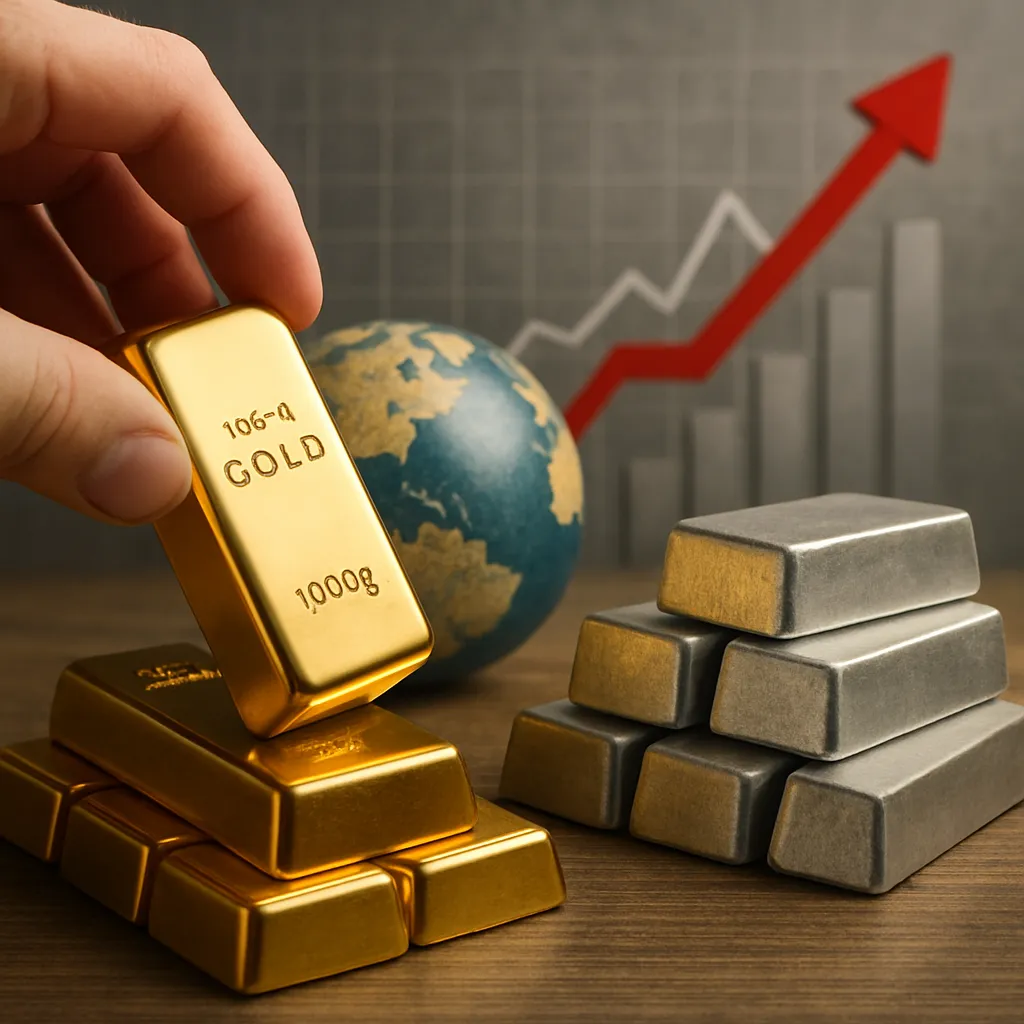
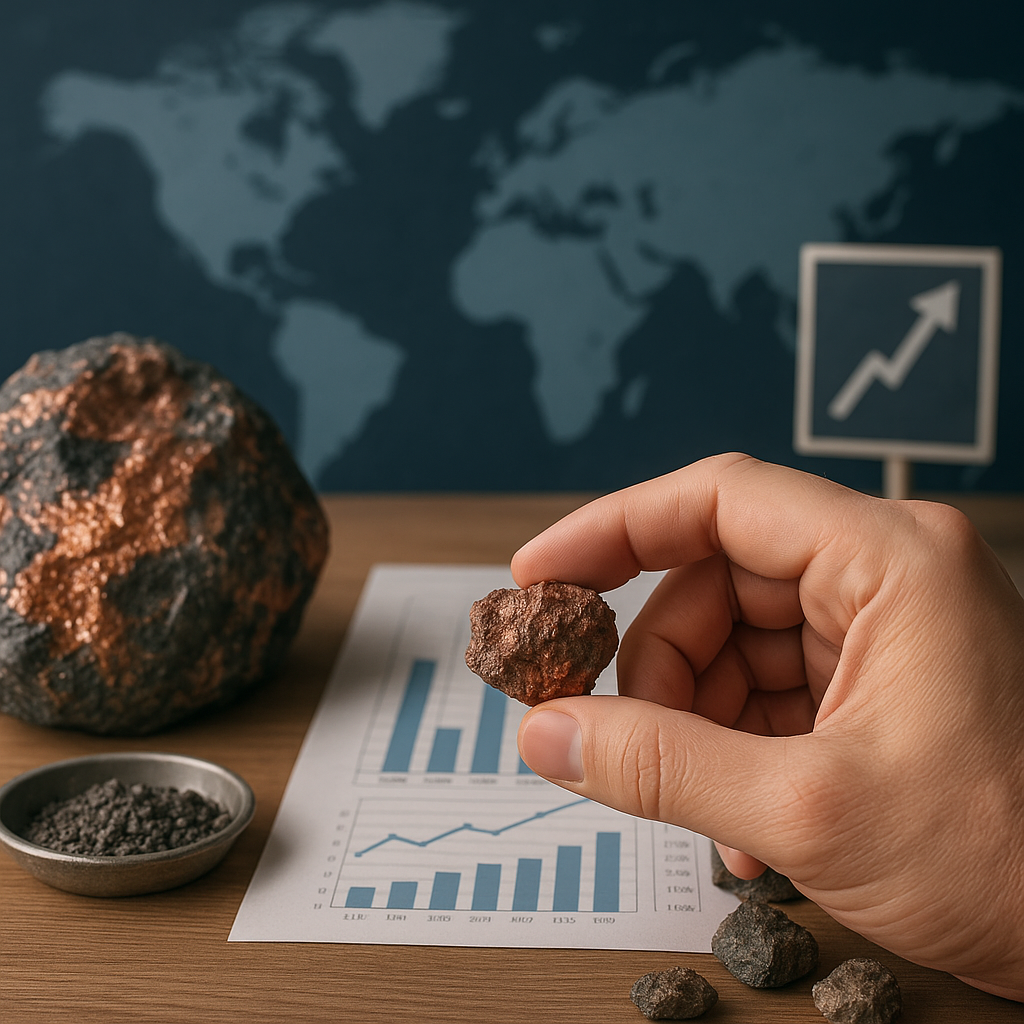
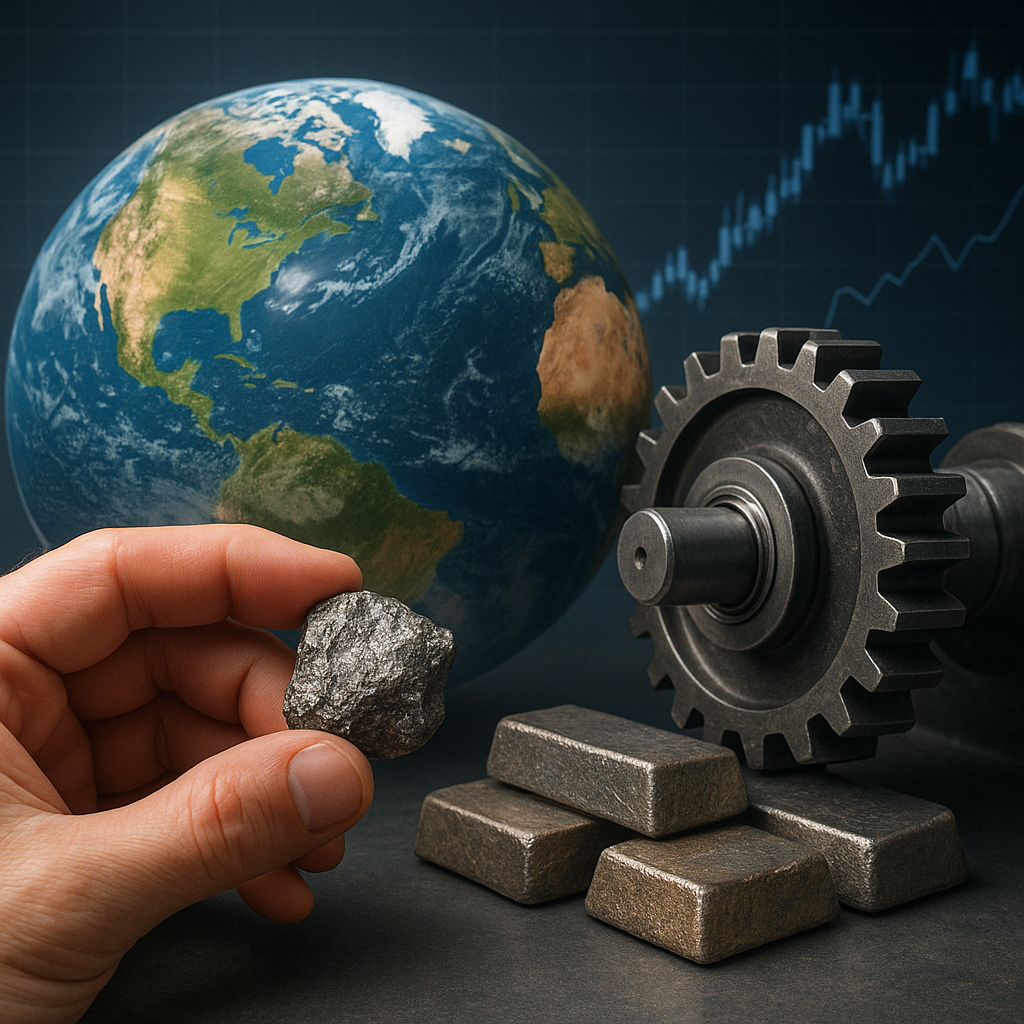
The distribution of rare metals is alarmingly uneven, concentrated in a handful of countries whose market decisions affect global nuclear ambitions. For example, more than 90% of natural zirconium concentrates originate from a few mining regions in Australia, South Africa, and China. Similarly, key producers of uranium—Kazakhstan, Canada, and Australia—dictate pricing and availability. This concentration exposes nuclear programs worldwide to supply disruptions, whether due to political tensions, trade disputes, or environmental restrictions.
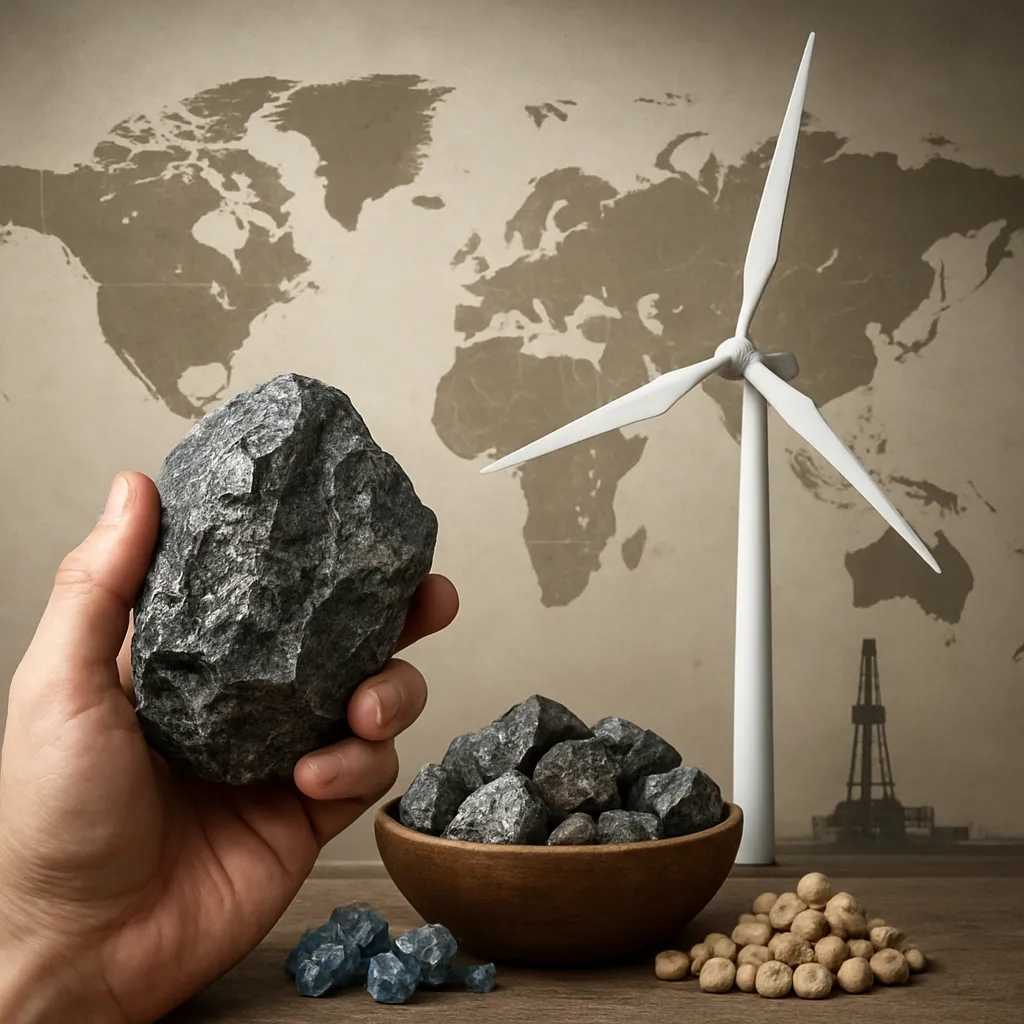
China’s growing dominance in rare-earth mining and processing has raised particular concern among nuclear stakeholders. While the term “rare earth” often refers to lanthanides, many of these elements intersect with nuclear industry needs, sometimes as alloying agents or neutron moderators. When export quotas tighten, reactor manufacturers can face critical material shortages, delaying construction or forcing reliance on less optimal alternatives.
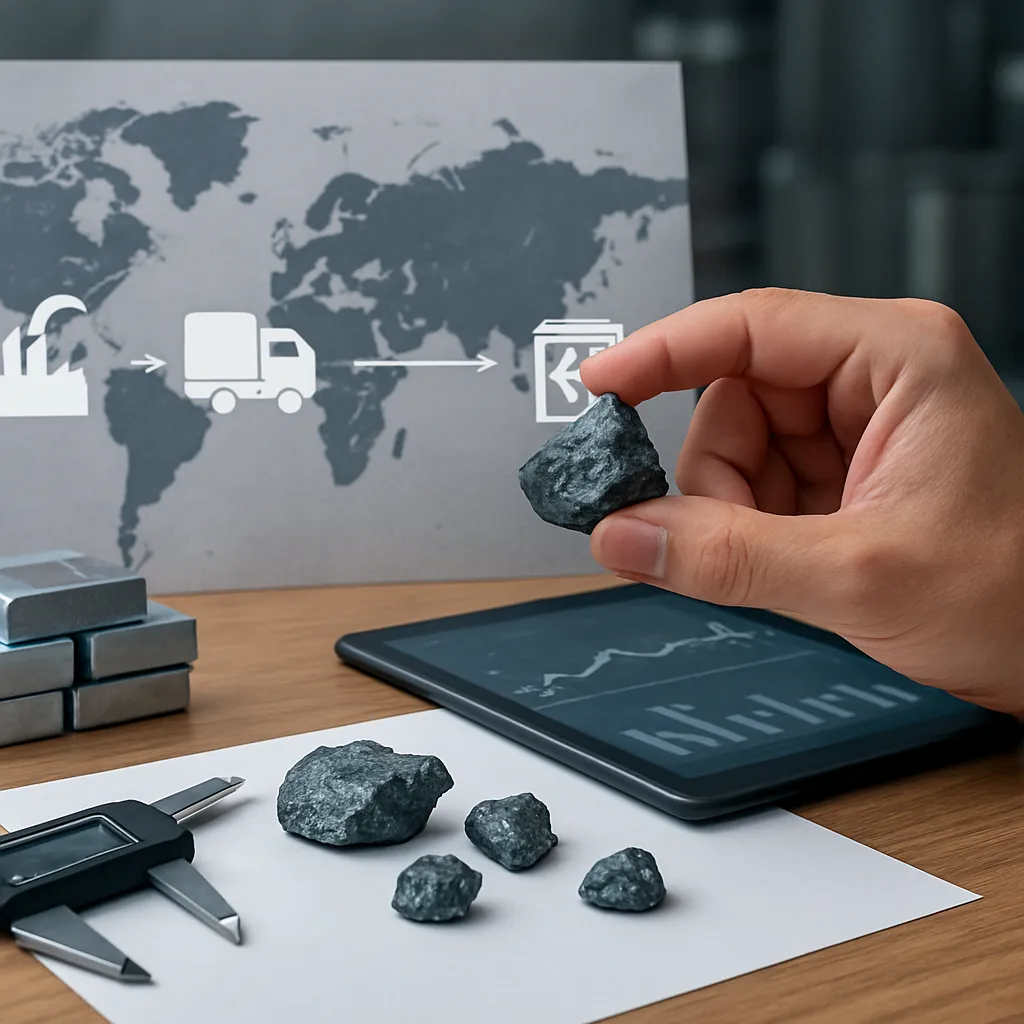
Efforts to diversify supply include forging new partnerships in underexploited regions such as Central Asia, Greenland, or Brazil. However, mining these deposits poses environmental and social challenges. Local communities may resist large-scale extraction due to concerns over water usage, habitat destruction, and radioactive byproducts. Comprehensive environmental impact assessments (EIAs) and agreements on revenue-sharing are now prerequisites before any mine moves into full production.
Another strategic concern involves the proliferation risk associated with certain materials. Highly enriched uranium (HEU) and separated plutonium present the greatest security challenges, requiring rigorous oversight by international bodies such as the IAEA. To mitigate these risks, some countries repurpose HEU reactors to run on low-enriched uranium (LEU) or develop reactor designs inherently resistant to weaponization by limiting on-site separation of plutonium.
- Resource Nationalism: Governments imposing export duties or quotas.
- Supply Chain Bottlenecks: Limited transport infrastructure for hazardous cargo.
- Regulatory Barriers: Complex permitting for mining and fabrication facilities.
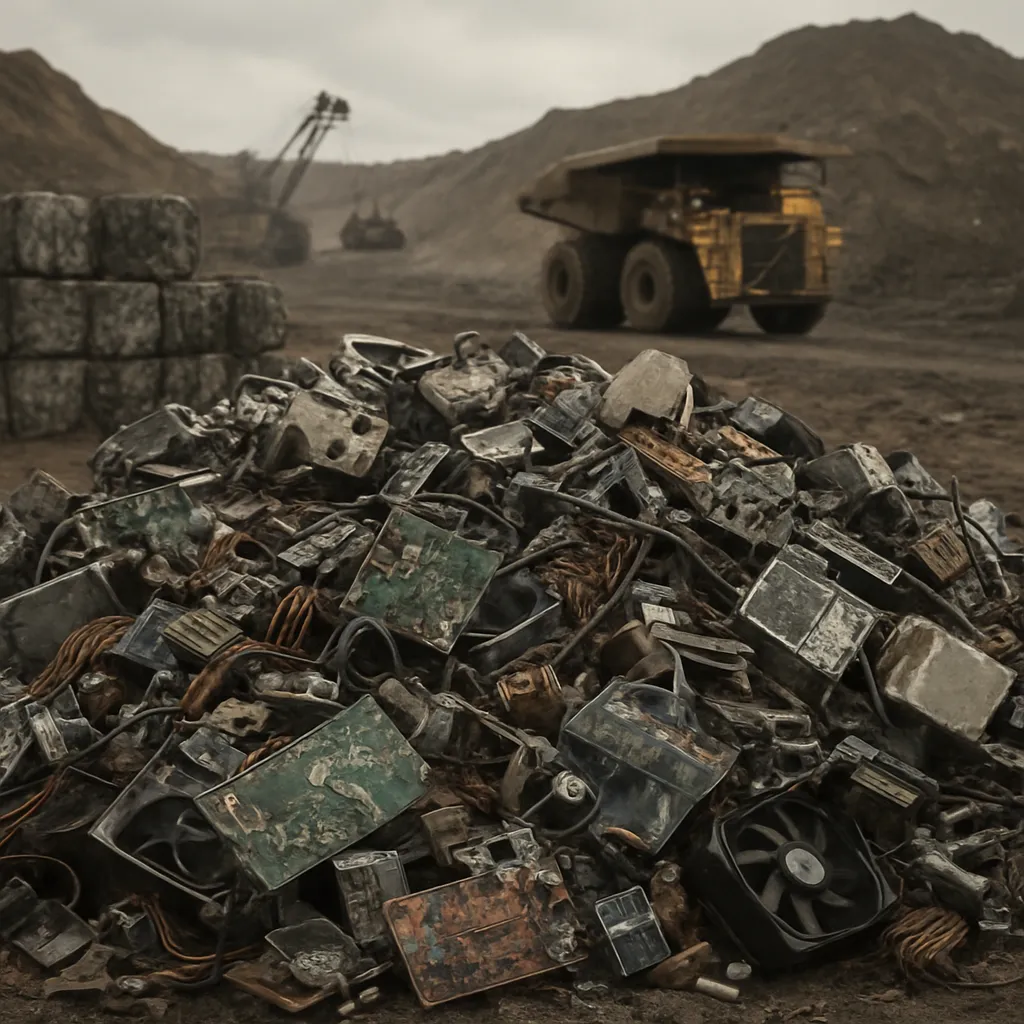
- Environmental Concerns: Wastewater, tailings management, and land rehabilitation.
Innovations and Sustainable Practices
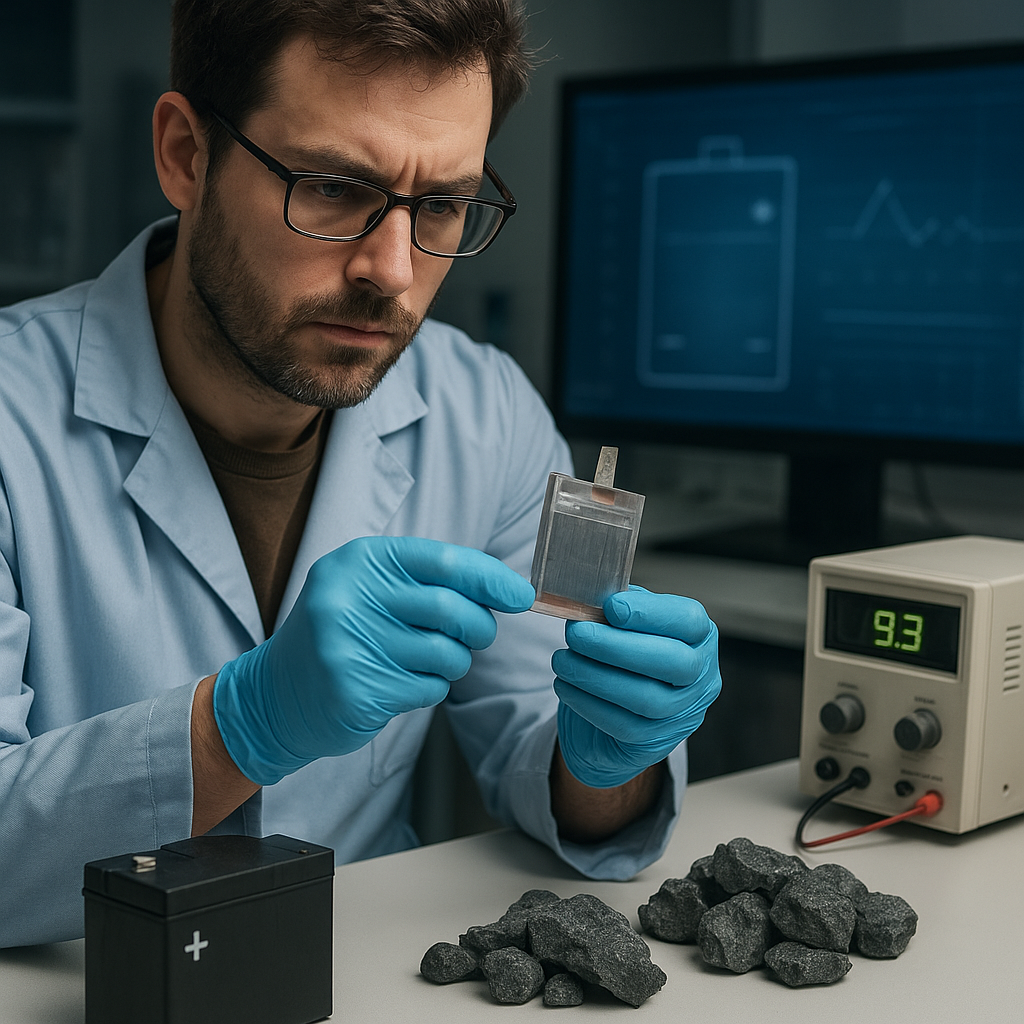
To alleviate dependence on centralized mining, research institutions and private firms are pioneering alternative extraction techniques. One promising method, bioleaching, employs specialized bacteria to mobilize metals from low-grade ores. This process significantly reduces water and energy consumption compared to conventional smelting. Another approach, in-situ recovery (ISR), injects leaching solutions directly into ore bodies and pumps out metal-rich fluids, minimizing surface disturbance.
Recycling and reusing rare metals from spent nuclear components is gaining traction. Advanced reprocessing facilities can recover up to 95% of uranium and plutonium from spent fuel, but they can also extract trace elements such as zirconium, molybdenum, and rare earth dopants. Closed fuel cycle models aim to turn waste into a resource, shrinking both the volume of high-level waste and the need for fresh material acquisition.
Innovative reactor concepts, such as molten salt reactors (MSRs) and small modular reactors (SMRs), present new opportunities for material efficiency. MSRs dissolve fuel directly in the coolant salt, reducing the number of structural materials required and permitting continuous reprocessing on-site. SMRs, with their compact footprints, can be factory-built with higher quality control, ensuring that precision alloys containing Cerium or neodymium-based magnets for control systems meet exacting standards without large-scale site fabrication.
Beyond reactor design, digitalization and advanced analytics are transforming supply chain transparency. Blockchain-based tracking systems enable stakeholders to verify the origin and processing history of critical metals, thwarting illicit trade and ensuring compliance with environmental and labor standards. Coupled with artificial intelligence for resource forecasting, these tools help utilities anticipate shortages and adjust procurement strategies in real time.
Finally, the drive toward global decarbonization elevates nuclear power as a zero-carbon baseload source of electricity. Rare metals, therefore, become strategic enablers of a low-carbon transition. Through collaborative international research initiatives and cross-border industrial partnerships, the nuclear sector aims to secure a stable, secure, and environmentally responsible supply of the rare metals that underpin its promise of safe, scalable, and clean energy for future generations.