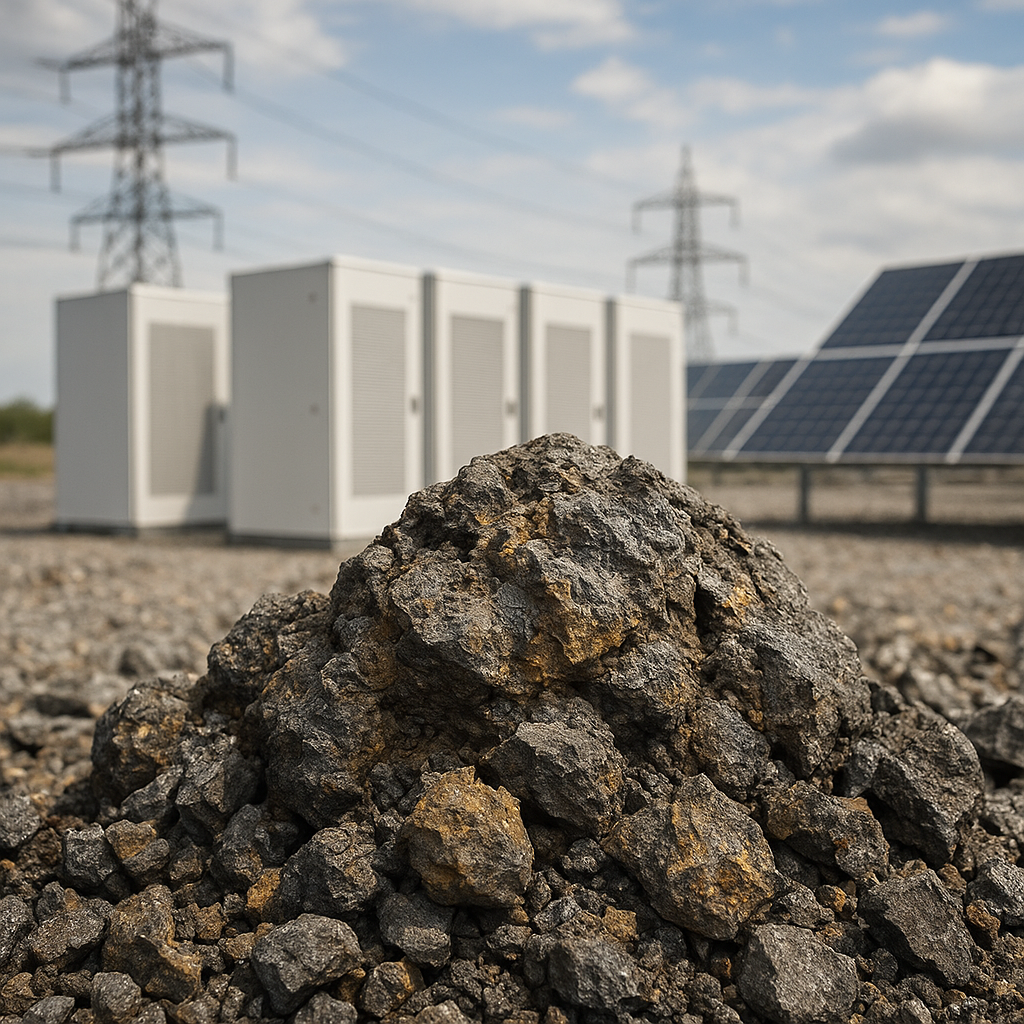
The exploration and utilization of critical elements have become central to a global energy transformation. Rare metals, often hidden deep within the earth’s crust, drive the performance, longevity, and affordability of next-generation batteries. Stakeholders across industries—from automotive manufacturers to grid operators—are investing heavily in technologies that leverage these strategic materials to unlock higher energy densities, faster charging rates, and improved safety profiles. The interplay between resource availability, technological innovation, and environmental stewardship defines the future of energy storage on a planetary scale.
Understanding the Importance of Rare Metals
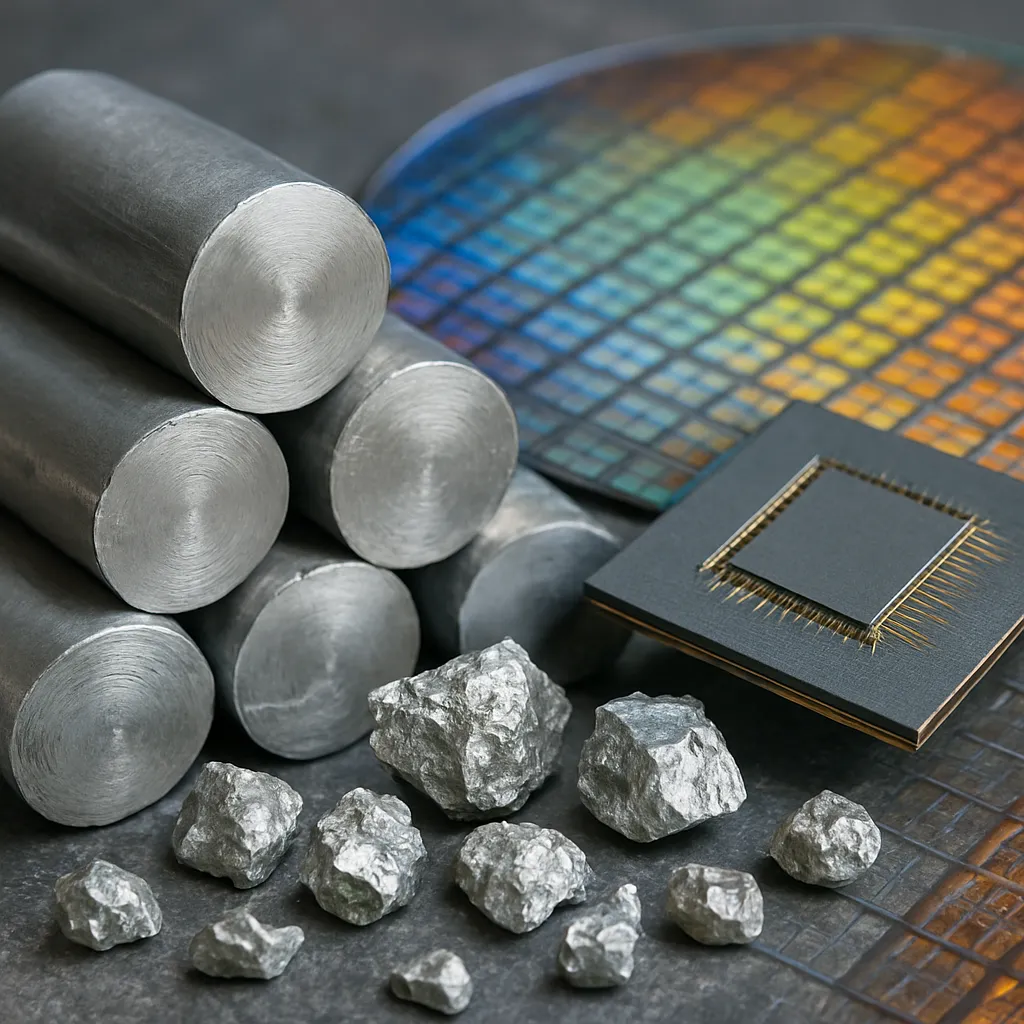
In battery development, certain metals demonstrate unique electrochemical properties that cannot be replicated by common materials. The term rare metals generally refers to elements with limited global reserves or challenging extraction processes. These elements are essential for enabling breakthroughs in energy density, thermal stability, and charge retention. Among the most sought-after are lithium, cobalt, nickel, and graphite. Each plays a specific role:
- Lithium: Fundamental for lightweight, high-voltage cells with rapid charge/discharge cycles.
- Cobalt: Stabilizes cathode structures, enhancing life span and safety.
- Nickel: Offers high energy density and cost efficiency when alloyed correctly.
- Graphite: Serves as the predominant anode material, balancing conductivity and durability.
Beyond performance metrics, these metals shape the global supply chain and influence geopolitical dynamics. Nations rich in critical minerals gain strategic advantages, while importing countries grapple with supply security and price volatility. The interplay between national policies, trade agreements, and corporate strategies underscores the complex nature of securing adequate volumes of these indispensable resources.
Critical Metals and Their Roles in Battery Technologies
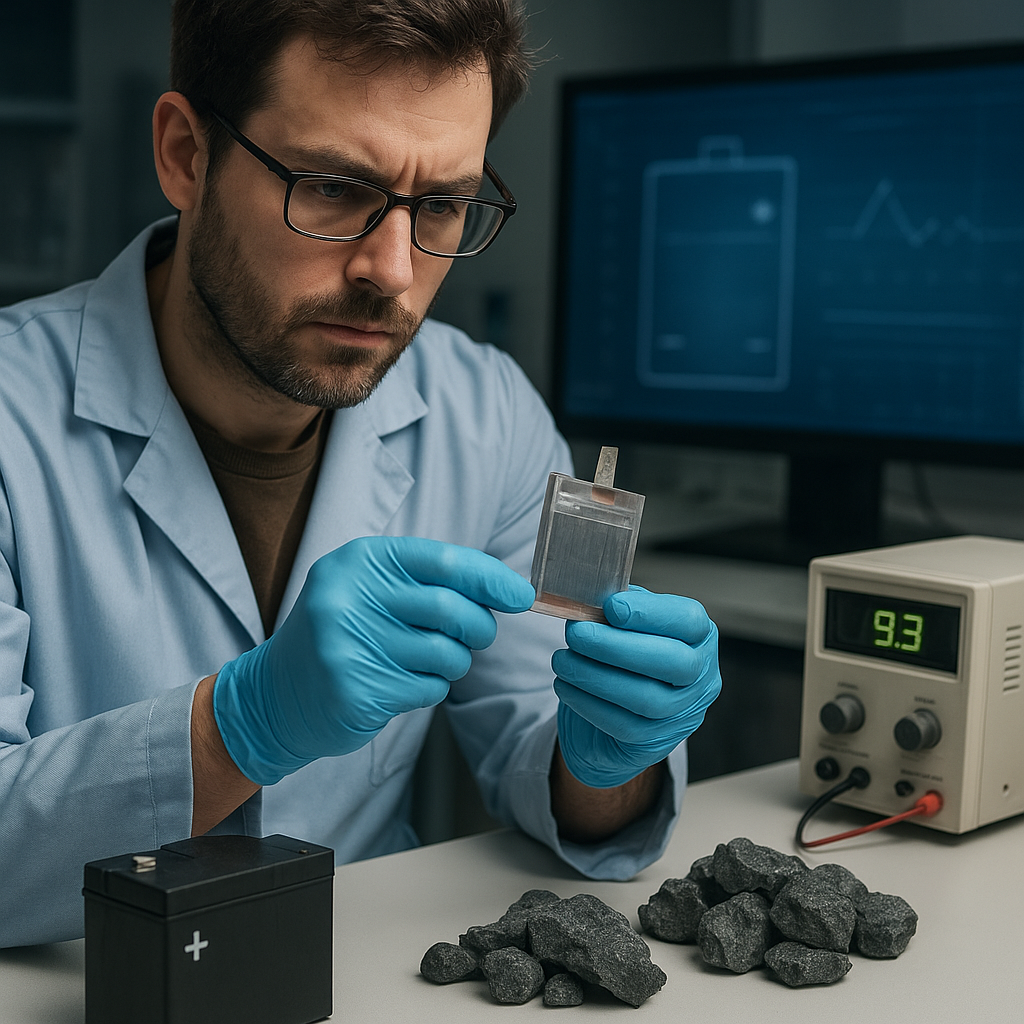
Advances in battery chemistries are often driven by tweaks in elemental composition. Researchers experiment with alternative ratios and novel combinations to optimize specific characteristics:
High-Nickel Cathodes
By increasing the nickel content in cathode materials—commonly termed NMC (nickel–manganese–cobalt) or NCA (nickel–cobalt–aluminum)—developers achieve significant energy gains. However, higher nickel proportions raise concerns about thermal stability and long-term degradation.
Cobalt-Free Formulations
Given social and environmental issues in cobalt mining regions, the industry is pursuing low-cobalt and cobalt-free alternatives. Emerging cathode chemistries, such as lithium iron phosphate (LFP) and lithium manganese oxide (LMO), offer safer disposal profiles at the expense of lower energy density.
Solid-State Electrolytes
Transitioning from liquid electrolytes to solid-state systems may reduce reliance on certain rare metals and improve safety. Solid-state designs promise minimal risk of leakage and thermal runaway, though commercial-scale manufacturing remains a challenge.
Supply Chain Challenges and Strategic Responses
The path from mineral extraction to integrated battery packs involves multiple phases. At each stage, stakeholders encounter hurdles impacting cost, sustainability, and security:
- Mining and Extraction: Remote locations and environmental regulations can delay production of high-purity ores.
- Processing and Refining: Complex metallurgical processes require substantial energy inputs and generate waste.
- Manufacturing and Assembly: Precision engineering demands stringent quality controls to ensure consistent cell performance.
- End-of-Life Management: Recycling and disposal practices must adapt to evolving chemistries.
To mitigate these risks, governments and corporations have launched strategic initiatives:
- Resource Nationalism: Countries are enforcing export quotas and incentivizing domestic refining.
- Partnerships and Joint Ventures: Collaborative platforms pool capital and technical expertise across borders.
- Investment in Exploration: Geological surveys and advanced sensing technologies help identify new reserves.
These measures aim to establish resilient economics around rare metal production, striking a balance between supply security and environmental responsibility.
Advances in Recycling and the Circular Economy
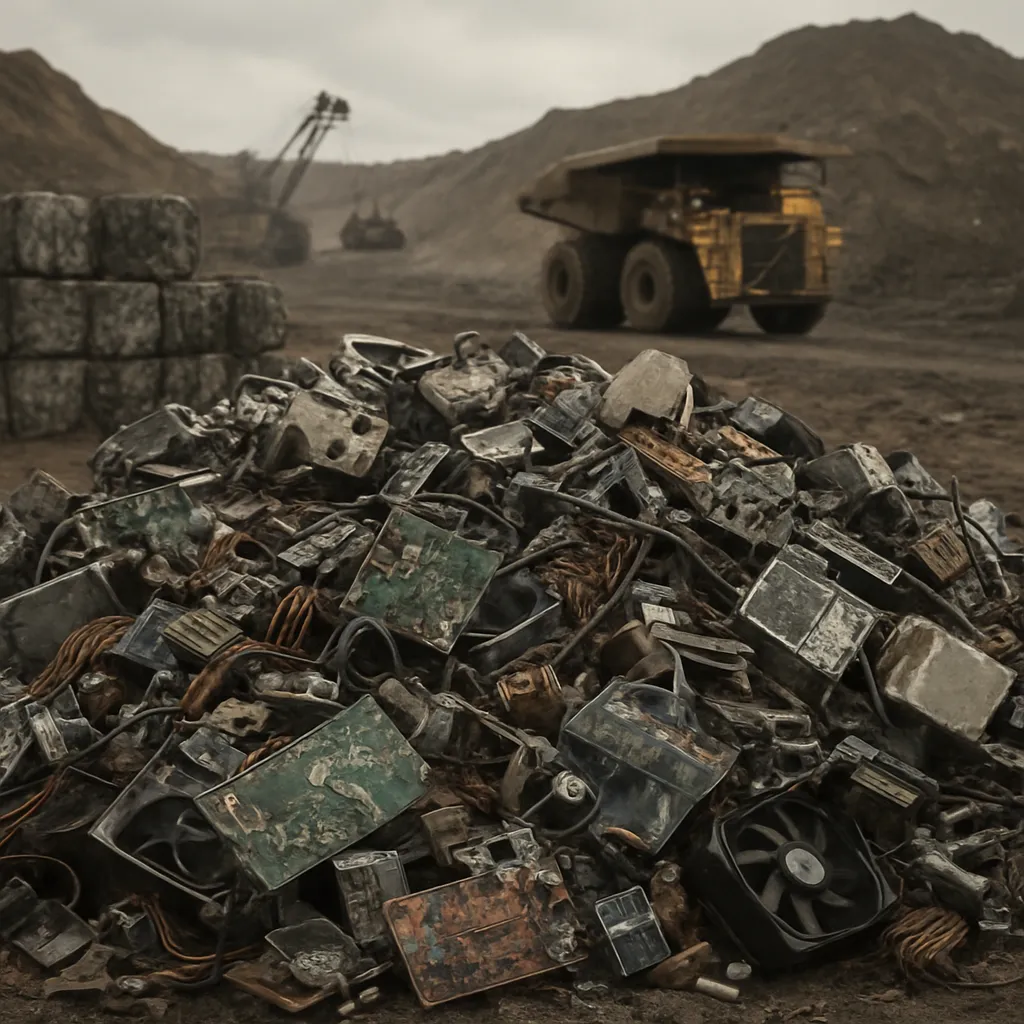
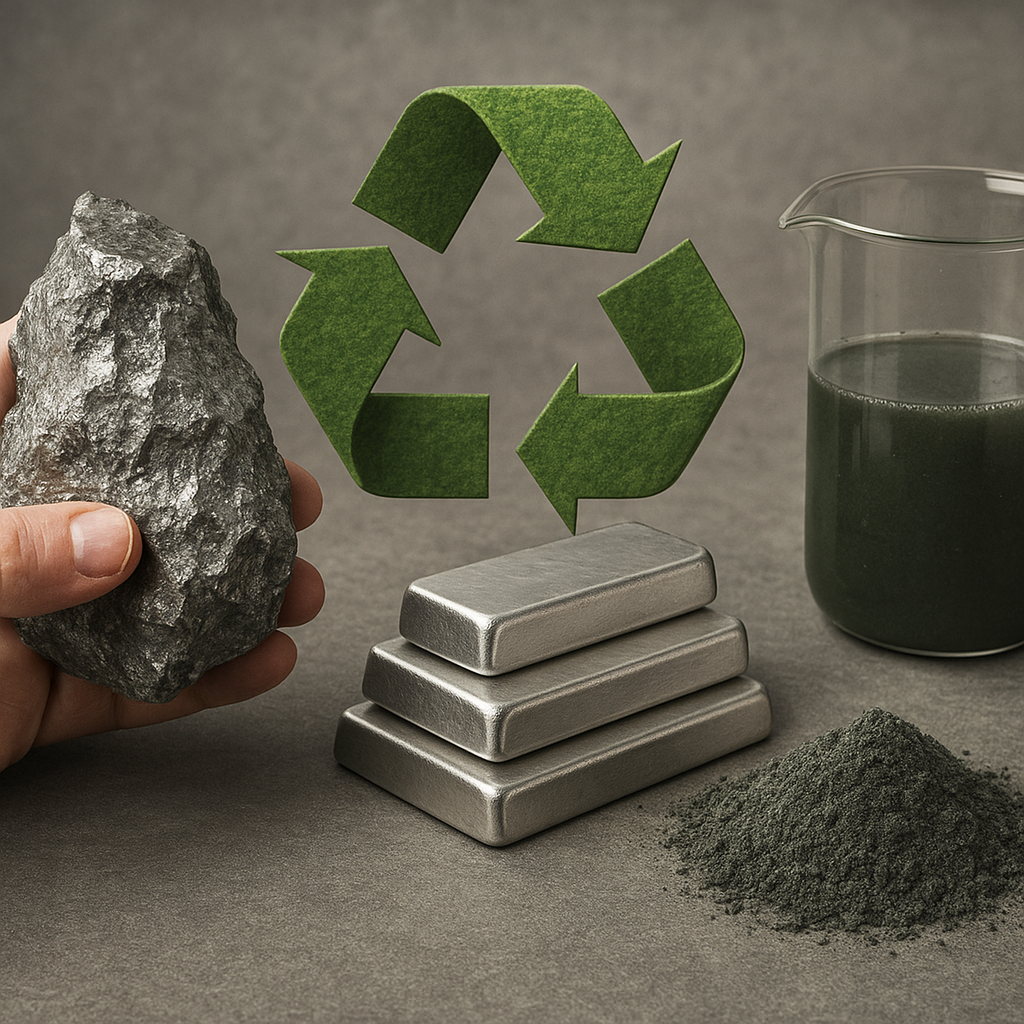
With rising concerns over raw material depletion, the concept of a circular economy has gained traction. By recovering valuable metals from spent batteries, the industry can reduce dependency on virgin resources and lower the carbon footprint of new battery production.
Hydrometallurgical Processes
Acid leaching and solvent extraction enable selective recovery of metals such as cobalt, nickel, and lithium. These methods are scalable but involve handling hazardous chemicals.
Pyrometallurgical Approaches
High-temperature smelting separates metals based on melting points and densities. Although energy-intensive, pyrometallurgy can process mixed battery scrap streams.
Direct Recycling Techniques
Emerging protocols focus on recovering cathode materials in near-pristine condition, bypassing complete breakdown. Direct regeneration promises lower energy requirements and higher yields of functional active material.
Implementation of robust recycling infrastructures demands standardized battery designs and transparent labeling, enabling efficient sorting and processing. Consequently, manufacturers are under increasing pressure to adopt design-for-recycling principles at the earliest stages of product development.
Emerging Trends and Future Directions
The quest for superior battery performance propels continual experimentation with novel elements and architectures:
- Sodium-Ion Systems: Leveraging earth-abundant sodium to reduce costs and diversify supply sources.
- Magnesium and Calcium Platforms: Investigating multivalent ions to potentially double energy densities.
- Organic and Polymer Electrodes: Exploring carbon-based frameworks that may eliminate the need for certain rare metals.
- Nanostructured Materials: Applying advanced manufacturing to create electrodes with tailored porosity and surface chemistry for faster charge dynamics.
Parallel advancements in digitalization—including artificial intelligence–driven materials discovery and predictive maintenance algorithms—accelerate the pace of breakthroughs. By simulating material interactions at the atomic level, researchers can identify promising chemistries long before physical prototypes are built.
As the global community strives toward widespread electrification of transportation, grid storage, and portable electronics, the delicate balance between resource constraints and performance ambitions will shape the decade ahead. Collaborative efforts spanning research institutions, industry consortia, and regulatory bodies are indispensable for ensuring that the next generation of batteries delivers on the promise of a more sustainable, resilient energy future.