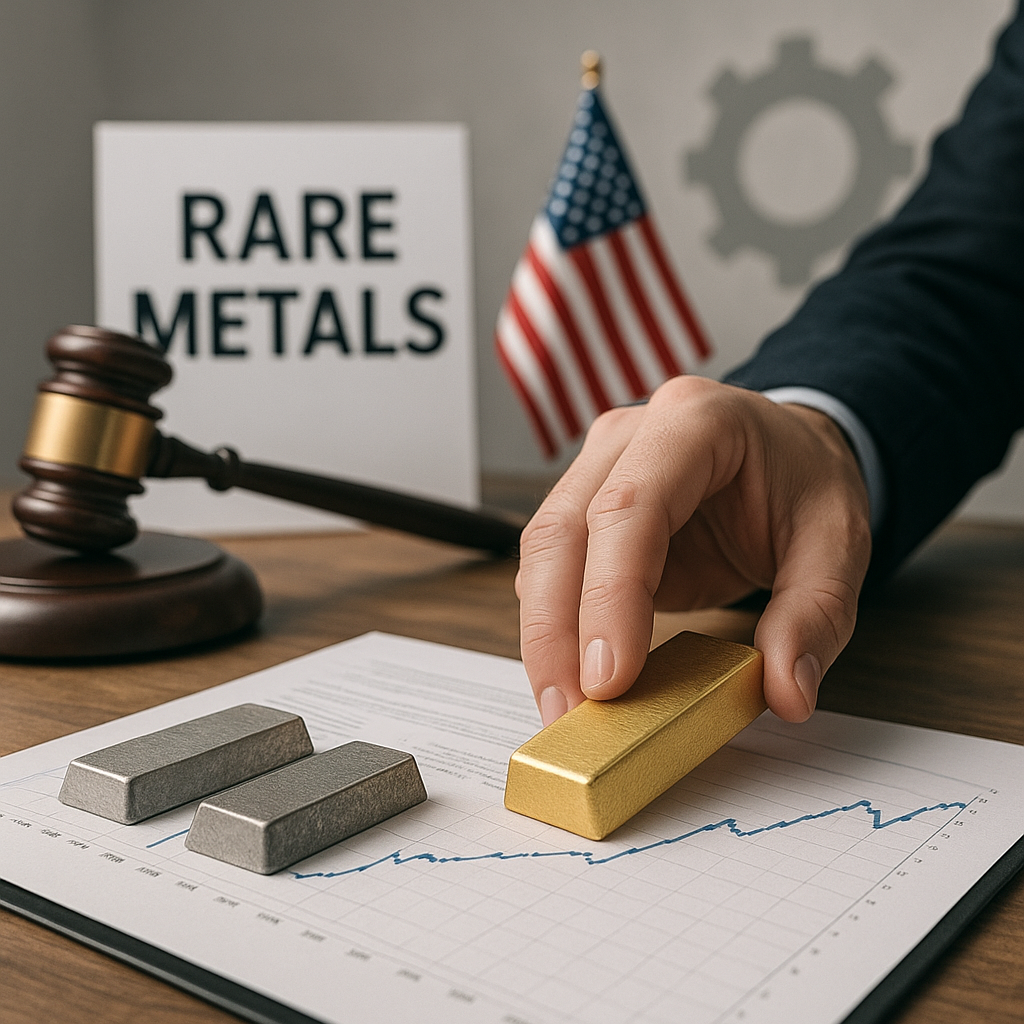
Effective public policy plays an indispensable role in shaping the trajectory of global rare metal markets and the **innovation** that depends on them. From electric vehicles to advanced electronics, these critical elements underpin transformative technologies. Crafting coherent strategies around extraction, processing and trade can unlock new opportunities for economic growth, deepen supply chain **resilience** and reinforce environmental stewardship. This article explores the multifaceted landscape of rare metals under four key themes, highlighting how regulations, incentives and international cooperation converge to foster cutting-edge developments.
Global Dynamics of Rare Metal Demand and Supply
Rapid technological adoption has rendered certain elements such as lithium, cobalt, nickel and rare earths absolutely crucial to modern industry. Electric mobility, renewable energy infrastructure and advanced consumer electronics all hinge on secure access to these materials. On the supply side, production remains geographically concentrated, raising profound geopolitics considerations:
- China controls a significant portion of processing capacity for rare earth elements, creating potential chokepoints in global supply chains.
- A handful of countries account for the majority of mining output, driving concerns over resource nationalism and export restrictions.
- Investors weigh the trade-offs between stable jurisdictions and higher-risk regions with abundant deposits but less robust governance.
As demand projections soar, policy interventions aimed at diversifying supply can cement long-term security. Strategic stockpiling, diplomatic partnerships and targeted funding for exploration in underdeveloped regions exemplify how government initiatives can alleviate dependency risks.
Policy Frameworks Driving Technological Innovation
Governments worldwide are deploying a range of tools to stimulate research and commercialization of next-generation extraction and processing technologies. Central to this effort are:
- R&D Grants and Tax Incentives – By underwriting pilot projects and offering tax credits, policymakers reduce the financial barriers that often stymie early-stage ventures.
- Public-Private Partnerships – Joint initiatives between research institutions and industry players accelerate the translation of laboratory breakthroughs into scalable solutions.
- Regulatory Sandboxes – Flexible frameworks permit experimental mining methods or circular economy applications to proceed under close supervision, fostering iterative learning.
Such measures have catalyzed remarkable progress in extraction efficiency and environmental performance. Novel hydrometallurgical processes, for example, lower energy consumption and water usage, while advanced sensor systems optimize ore sorting. These innovations not only improve project economics but also strengthen a nation’s strategic position, attracting further investment and reinforcing its manufacturing base.
Environmental and Economic Sustainability
Balancing mineral development with ecological responsibility is an increasingly high policy priority. Adopting a comprehensive approach to resource stewardship encompasses:
- Stringent environmental impact assessments that establish baseline metrics and ensure continuous monitoring.
- Progressive reclamation obligations, requiring operators to restore ecosystems after mining activities conclude.
- Encouragement of a circular economy through extended producer responsibility and incentives for recycling.
For instance, legislation that mandates recycled content targets compels manufacturers to incorporate reclaimed rare metals from electronic waste. This not only reduces pressure on virgin reserves but also promotes local processing industries, generating jobs and fortifying supply chains against external shocks. Policymakers are furthermore exploring carbon pricing models that reflect the full environmental costs of extraction, sharpening industry incentives to pursue cleaner techniques.
International Collaboration and Regulatory Harmonization
Rare metal markets transcend national borders, making cross-border cooperation essential. Bilateral and multilateral agreements can:
- Standardize technical certifications for sustainable mining and refining operations.
- Facilitate data sharing on global reserves, production volumes and trade flows.
- Coordinate emergency response mechanisms for supply disruptions caused by natural disasters or geopolitical conflicts.
Regional alliances such as the European Raw Materials Alliance showcase the benefits of pooling research funding, aligning procurement standards and joint investment in strategic projects. On the global stage, embedding resource security in trade negotiations and development assistance frameworks further cements the role of collaboration in building a more stable rare metals ecosystem.
Challenges and Opportunities Ahead
While policy initiatives have charted promising pathways, several challenges persist:
- Price Volatility – Cyclical swings in commodity markets complicate long-term planning and can deter private sector participation.
- Social License to Operate – Local community opposition to mining projects underscores the need for transparent stakeholder engagement and benefit-sharing mechanisms.
- Technological Bottlenecks – Scaling up innovative processes from pilot to commercial scale often requires overcoming operational uncertainties and securing capital.
Yet every obstacle harbors potential. Emphasizing supply chain diversification mitigates concentration risks, while robust policy backing for circular solutions unlocks new markets for recycled and remanufactured materials. Moreover, integrating digital technologies—like blockchain for traceability and artificial intelligence for resource modeling—promises heightened efficiency and accountability across the value chain.
Policy Imperatives for a Resilient Future
Building on the lessons of the past decade, governments must refine their strategic playbooks to extend beyond short-term crisis responses. Key policy imperatives include:
- Designing adaptive regulatory regimes that evolve in tandem with technological progress.
- Establishing sovereign wealth funds or dedicated mineral development agencies to channel revenues into community development, education and further sustainability initiatives.
- Promoting regional centers of excellence that consolidate expertise in areas such as metallurgical research, environmental mitigation and resource governance.
By weaving together targeted incentives, robust standards and international cooperation, policymakers can foster a dynamic rare metals sector—one defined by environmental responsibility, economic vitality and technological **innovation**. This holistic approach lays the groundwork for a future where advanced industries thrive on secure, ethically sourced materials, reinforcing both national interests and global prosperity.