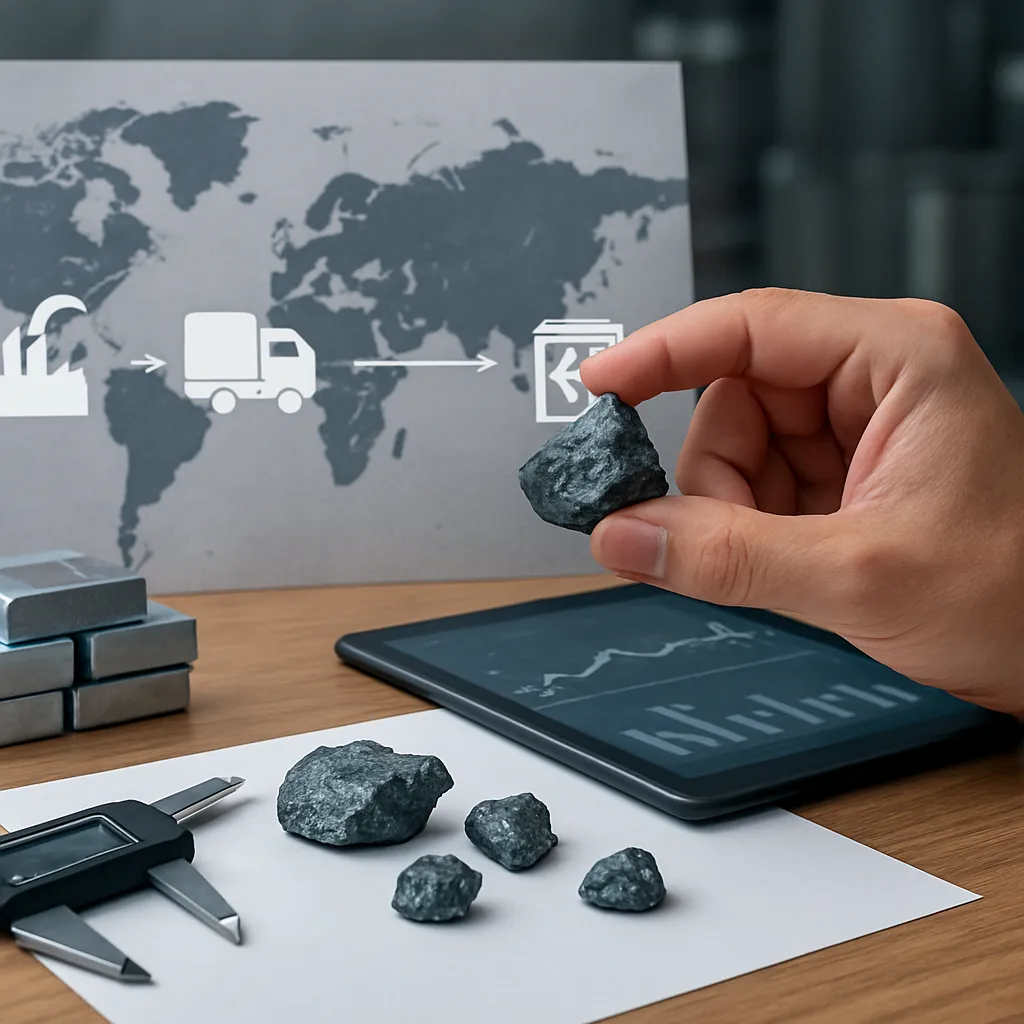
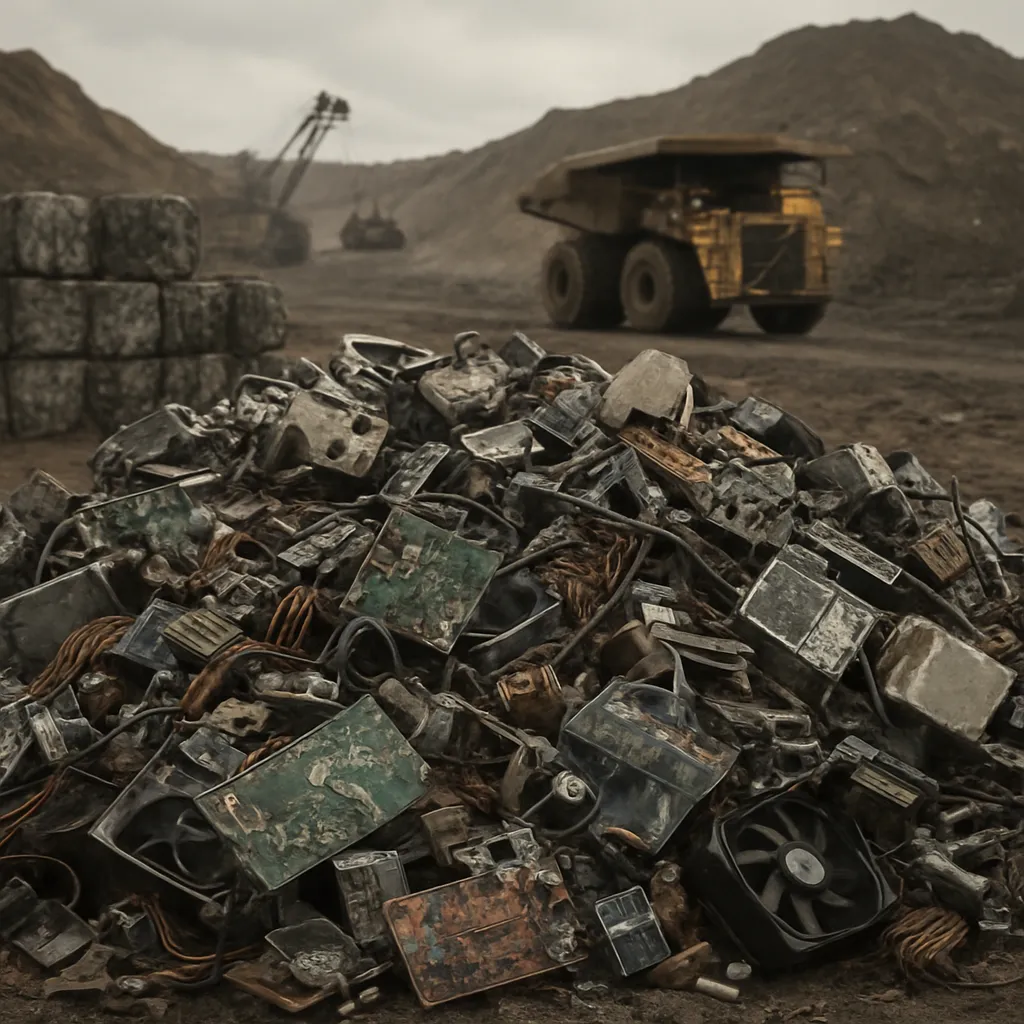
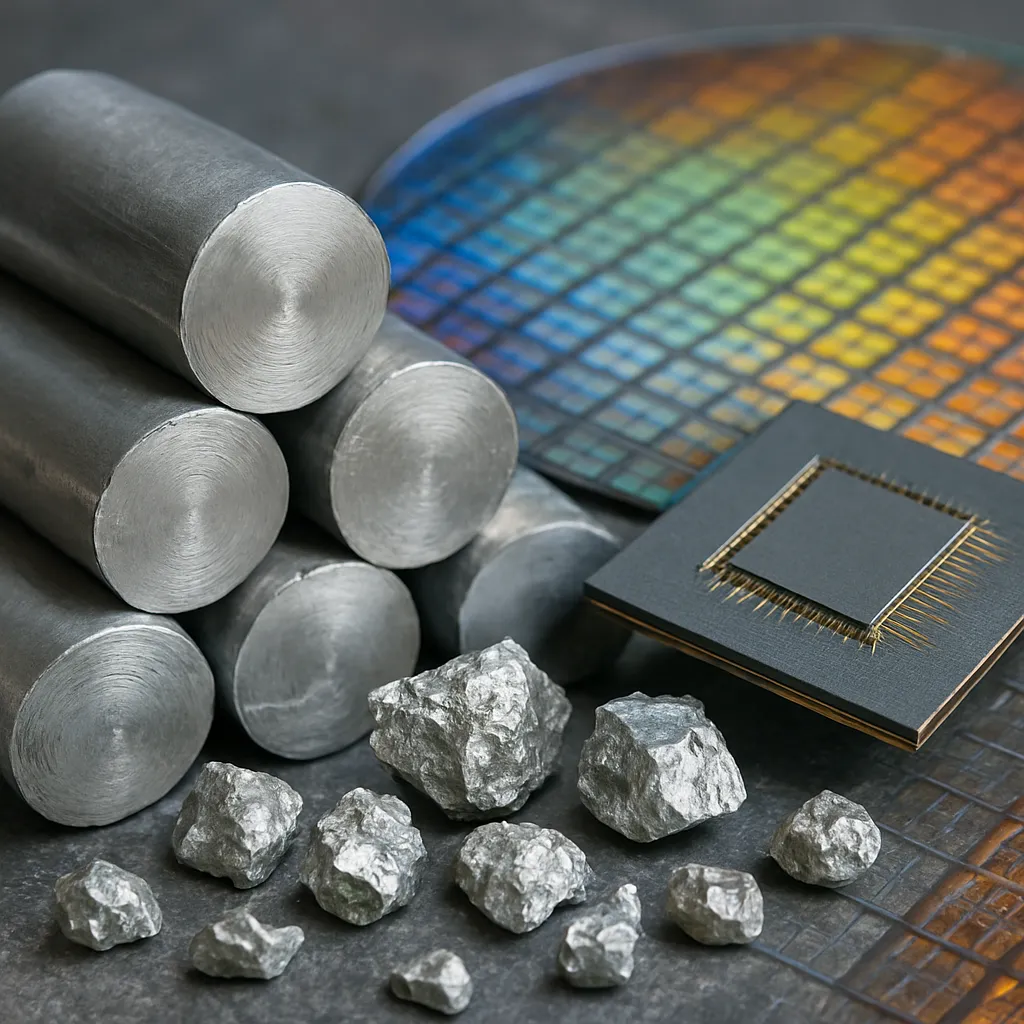
The continent of Africa has emerged as a critical player in the global rare metals supply chain, thanks to its abundant mineral reserves and strategic location. With surging demand for high-tech electronics, electric vehicles, and renewable energy systems, metals such as lithium, cobalt, and rare earth elements have leapt into the spotlight. This article explores the multiple facets of Africa’s involvement in this fast-evolving sector, examining the market context, operational challenges, and strategic prospects that will shape future developments.
Africa’s Strategic Position in the Global Rare Metals Market
Abundant Mineral Endowments
Africa hosts a significant share of the world’s untapped mineral resources. Countries like the Democratic Republic of Congo (DRC), Zimbabwe, and South Africa are renowned for their cobalt, platinum group metals, and chrome reserves. Meanwhile, emerging producers such as Mali and Namibia have begun to expand exploration for rare earth elements, which are essential for powerful magnets and advanced green technologies.
Role in the Supply Chain
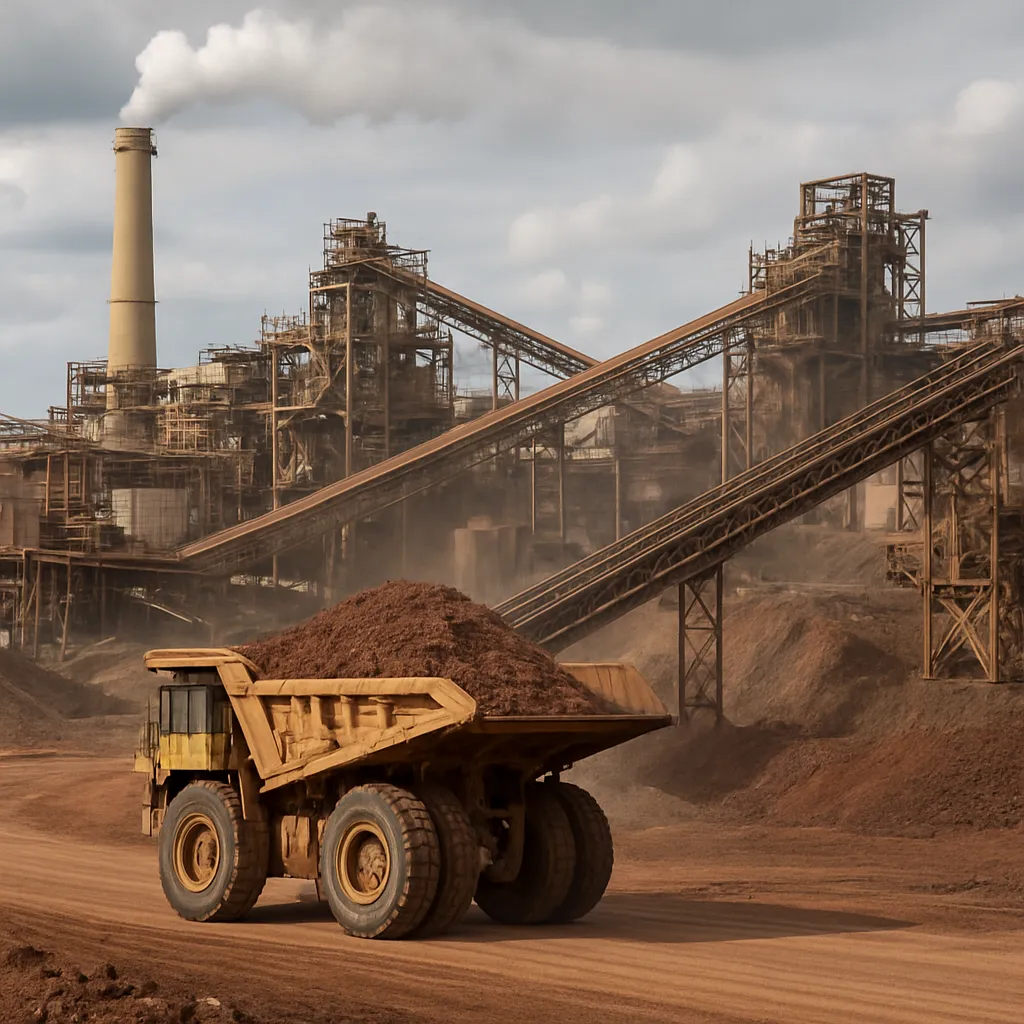
The continent’s contribution extends beyond mere extraction. Major mining operations, artisanal miners, and processing hubs together form an intricate network within the supply chain. For instance:
- Artisanal and small-scale miners in the DRC supply a considerable portion of global cobalt, albeit facing issues of traceability and ethical sourcing.
- Large industrial projects in South Africa and Namibia are investing in downstream refining capacities, aiming to process raw ores locally before export.
- Regional infrastructure corridors, such as the Lobito Corridor linking Angola to the DRC, facilitate the movement of minerals to global markets.
Global Demand Dynamics
The push toward electrification and clean energy has triggered unprecedented demand for lithium and rare earths. Electric vehicle manufacturers and battery producers are forging long-term agreements with African suppliers to secure stable sources. Meanwhile, government policies in China, Europe, and North America bolster domestic manufacturing but rely heavily on African imports for feedstock.
Challenges and Opportunities in African Rare Metals Mining
Governance and Regulation
Effective governance remains a cornerstone for sustainable development. Regulatory frameworks vary widely across African nations. While some jurisdictions offer transparent licensing procedures, others suffer from opaque royalty regimes and regulatory uncertainty. Strengthening legal structures, promoting anti-corruption measures, and ensuring community engagement are essential steps toward long-term stability.
Environmental and Social Considerations
Mining activities can have profound environmental impacts, including land degradation, water contamination, and biodiversity loss. Promoting sustainability demands rigorous environmental impact assessments, adoption of cleaner extraction methods, and comprehensive reclamation plans. On the social front, partnerships between governments, corporations, and local communities are critical to improving labor conditions, health standards, and livelihood opportunities. Ethical sourcing certifications and third-party audits further enhance transparency.
Infrastructure and Logistics
Inadequate infrastructure remains a persistent obstacle. Ports, railways, and power grids in many mineral-rich regions require substantial upgrades. Public-private partnerships can mobilize investments in critical infrastructure, reducing transportation costs and boosting export competitiveness. Innovative solutions, such as portable renewable energy units for remote camps, are gaining traction. Additionally, digital mapping and satellite monitoring improve mine planning and reduce risks associated with illegal mining.
Financing and Investment Climate
Access to capital is crucial for scaling mining operations and downstream processing facilities. International mining majors, private equity funds, and export credit agencies are increasingly active in Africa. Nevertheless, financing risks—stemming from political instability, currency fluctuations, and permit delays—deter some investors. Structured financing models, blended finance mechanisms, and risk insurance products can alleviate these concerns, unlocking new investment flows.
Future Perspectives and Strategic Developments
Technological Innovation
Advances in extraction and refining technology will shape Africa’s competitive edge. Innovations such as direct lithium extraction (DLE), bioleaching for nickel and cobalt, and advanced solvent extraction for rare earth separation can enhance recovery rates while lowering environmental footprints. Collaborations between African research institutes and global technology firms promote knowledge transfer and capacity building, ensuring local expertise in cutting-edge methods.
Regional Integration and Partnerships
Initiatives such as the African Continental Free Trade Area (AfCFTA) aim to streamline cross-border trade and attract investment in value-added processing. By harmonizing tariffs, standards, and customs procedures, regional integration can foster integrated mineral processing hubs. Strategic alliances between African governments and major consumers—particularly in the European Union and Asia—can secure long-term offtake agreements, aligning supply with dynamic demand curves.
Corporate Social Responsibility and Community Engagement
Mining firms are increasingly cognizant of their social license to operate. Comprehensive social investment programs focus on education, healthcare, and infrastructure, creating shared value for local stakeholders. Transparent reporting on environmental performance, labor practices, and revenue distribution fosters trust and mitigates conflicts. Companies that champion inclusive growth models often enjoy enhanced operational stability and brand reputation.
Policy Recommendations
Policymakers and industry leaders should consider:
- Implementing clear and predictable fiscal regimes to attract long-term investment.
- Strengthening environmental regulations and enforcing compliance to mitigate ecological risks.
- Facilitating technology transfer and local capacity building to capture greater value within Africa.
- Encouraging transparency initiatives, such as the Extractive Industries Transparency Initiative (EITI), to combat corruption and illicit trade.
- Supporting public-private partnerships for critical infrastructure and renewable energy deployments in mining regions.
By leveraging its abundant reserves, engaging responsibly with stakeholders, and fostering innovation, Africa stands poised to reshape the global rare metals supply chain. The continent’s future role will hinge on cohesive policy frameworks, strategic investments in infrastructure, and unwavering commitment to sustainability. As demand for high-performance materials continues to grow, Africa’s influence on the world stage will only intensify, securing its place as a linchpin of the modern industrial economy.