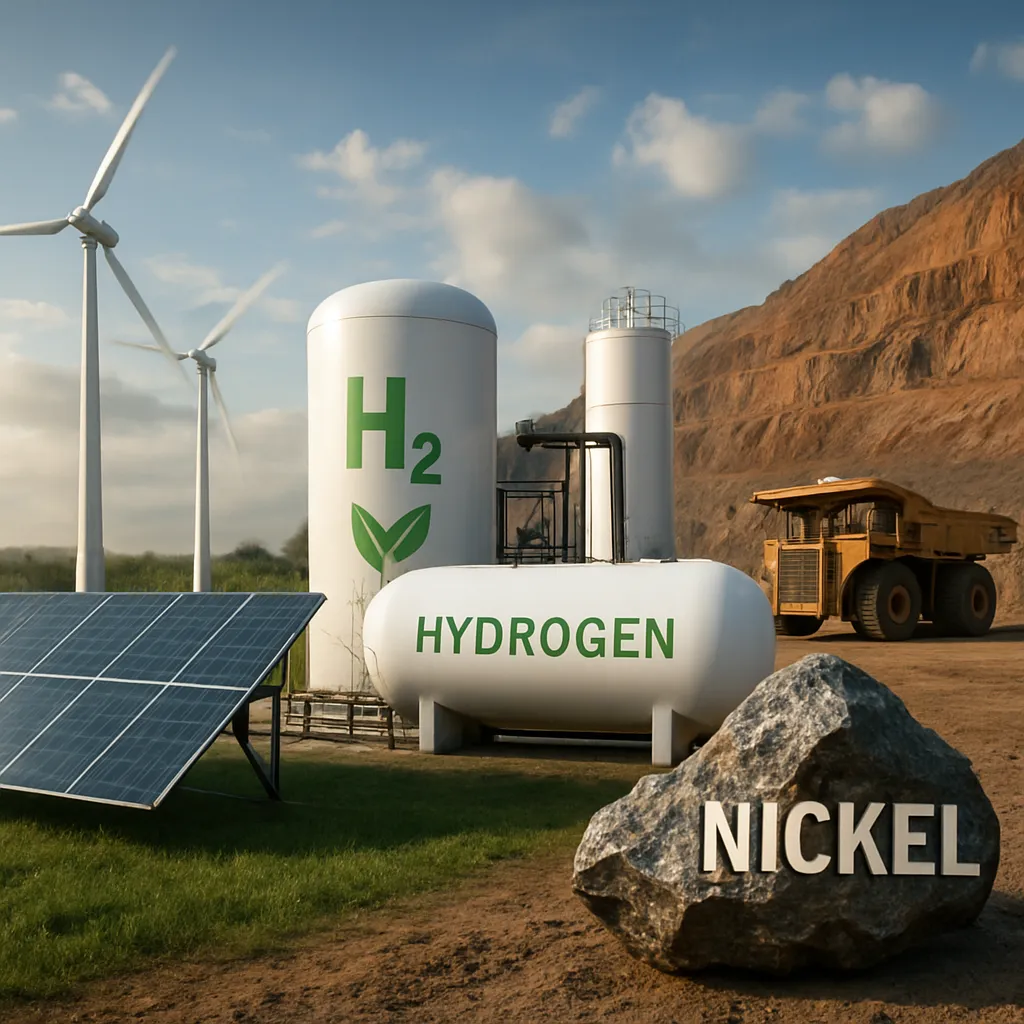
The global push towards electrification and clean energy has intensified focus on the availability and management of critical raw materials. Among these, rare metals such as lithium, cobalt, and nickel have become indispensable for the production of high-performance batteries. As demand surges, industry leaders, researchers, and governments are racing to secure supply chains, foster sustainability, and drive innovation in battery technologies that reduce or eliminate the need for scarce elements. This article examines the complex interplay of supply dynamics, emerging metal-free alternatives, and the broader environmental and economic implications of this transformative shift.
Supply Dynamics and Geopolitical Tensions
The landscape of rare metal extraction and trade is dominated by a handful of key players, shaping the global market and triggering intense geopolitical maneuvering. Nations endowed with abundant deposits have rapidly scaled up production, while importing countries scramble to diversify their sourcing strategies. This section dissects the forces at play.
Concentration of Resources
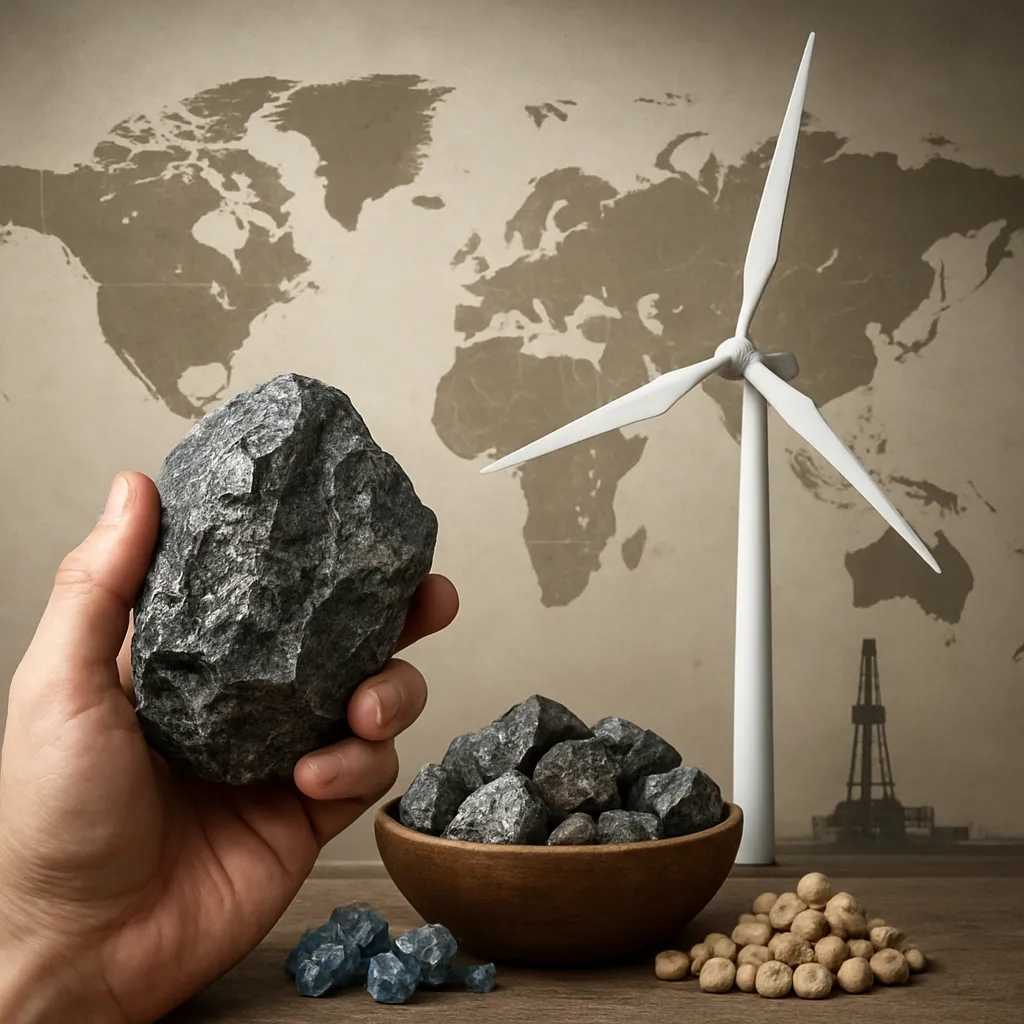
Approximately 70% of the world’s cobalt supply originates from the Democratic Republic of Congo, where artisanal and industrial mining coexist under challenging socio-political conditions. Similarly, Australia, Chile, and Argentina lead in lithium output, forming what is colloquially known as the “Lithium Triangle.” China, meanwhile, dominates the refining process for nickel and other critical minerals, making it a pivotal node in the global supply chain.
Geopolitical Impacts
- Export controls and tariffs have become tools of leverage for mineral-rich states.
- Trade agreements often hinge on access to critical raw materials, influencing diplomatic alliances.
- Strategic stockpiling by consuming nations aims to buffer against price volatility and supply interruptions.
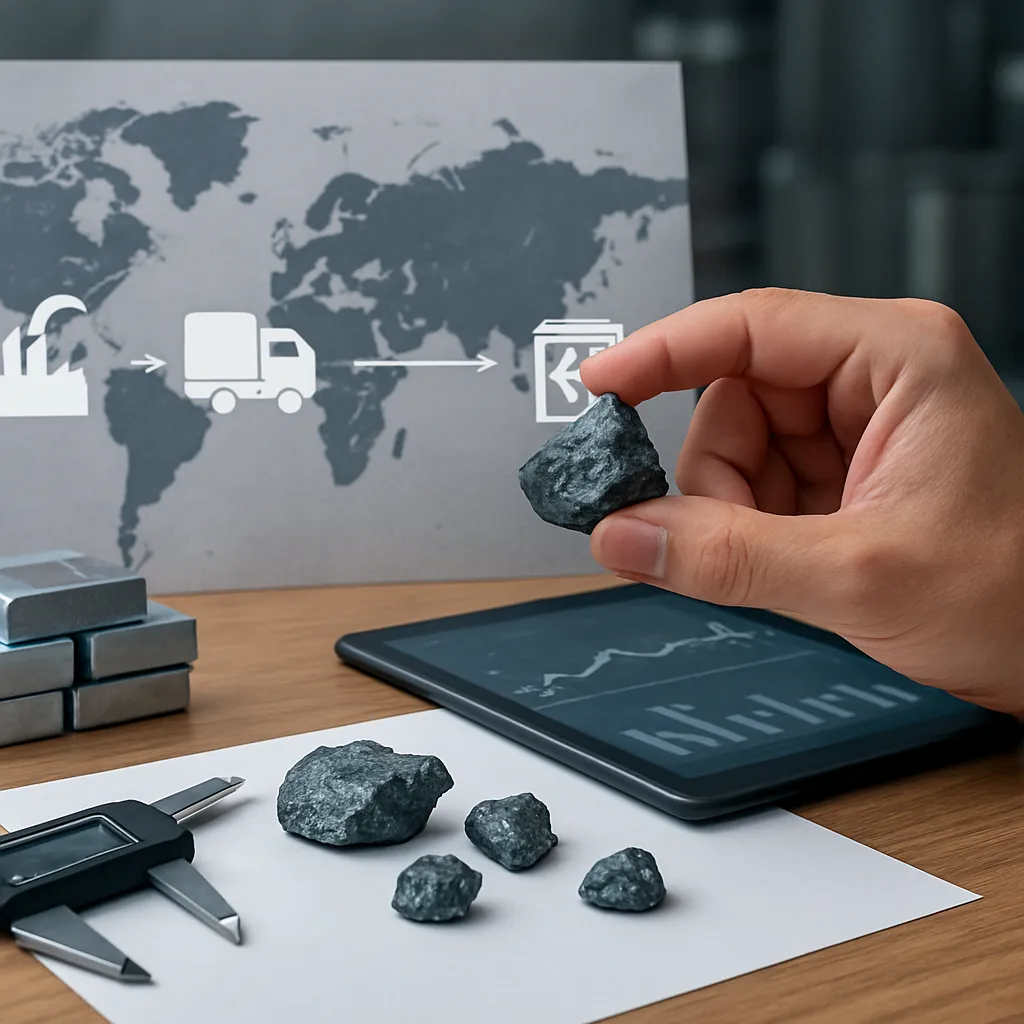
These trends underscore the interplay between national security policies and corporate strategies. The race to secure reliable supplies has prompted substantial investments in both upstream mining ventures and downstream refining facilities. However, heavy reliance on a few suppliers leaves the market vulnerable to sudden shocks, whether due to political unrest, resource nationalism, or environmental regulations.
Innovation in Rare Metal-Free Batteries
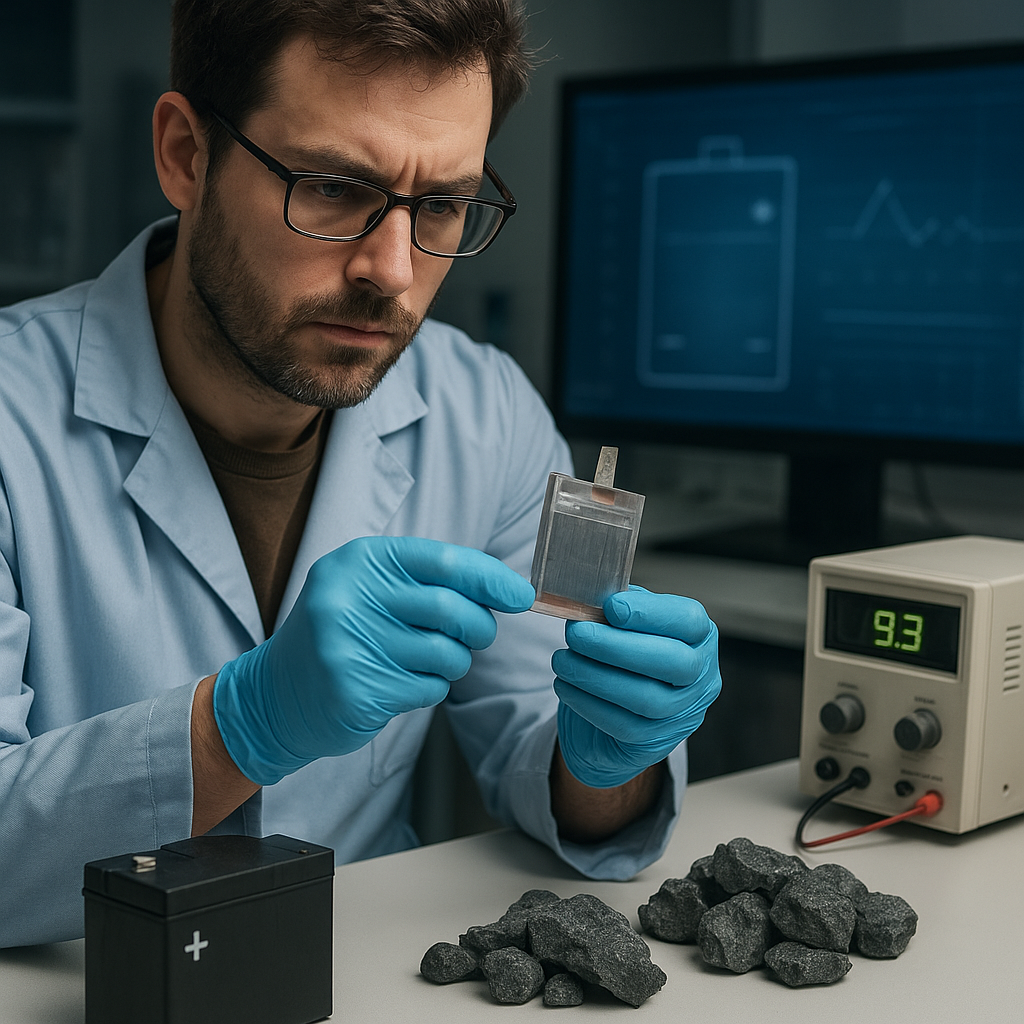
To minimize exposure to fluctuating commodity markets and address ethical concerns, researchers are actively pursuing battery chemistries that eschew rare metals. Breakthroughs in materials science, electrochemistry, and manufacturing processes are forging new pathways.
Sodium-Ion and Potassium-Ion Technologies
Sodium-ion batteries leverage the earth’s abundant sodium resources as an alternative to lithium. Recent advances in electrode materials have improved energy density and cycle life, making them promising for grid-scale storage. Similarly, potassium-ion batteries exploit potassium’s high ionic conductivity, potentially offering faster charging rates.
Organic and Polymer-Based Electrodes
Organic redox-active molecules and conductive polymers represent a paradigm shift. By using carbon-based frameworks instead of transition metals, these systems promise high theoretical capacities with reduced environmental footprints. Innovations include:
- Quinone derivatives that reversibly store charge at ambient temperatures.
- Conjugated polymers tailored for mechanical flexibility and safety.
- Bio-derived materials, such as lignin or cellulose, repurposed as eco-friendly electrode components.
Solid-State and Multivalent Systems
Solid-state batteries incorporating ceramic or glass electrolytes eliminate flammable liquid components and may function without cobalt or nickel. Multivalent metal ions, such as magnesium or aluminum, carry multiple charges per ion, theoretically tripling the energy density compared to monovalent systems. Although challenges remain in electrolyte stability and interfacial kinetics, pilot-scale demonstrations have fueled optimism.
Environmental and Economic Implications
The transition to rare metal-free or reduced-metal batteries bears significant environmental and financial consequences. Balancing the drive for cleaner energy with responsible resource management is paramount.
Reducing Ecological Footprint
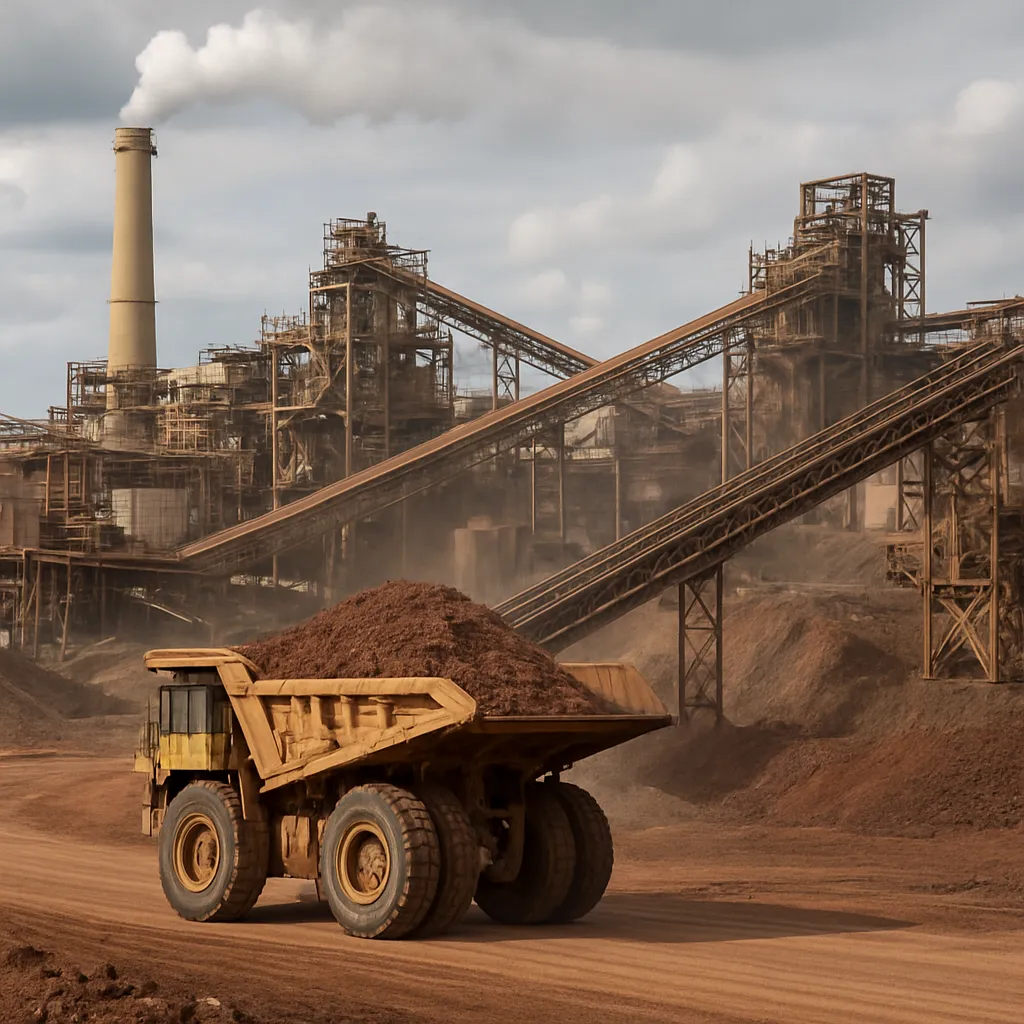
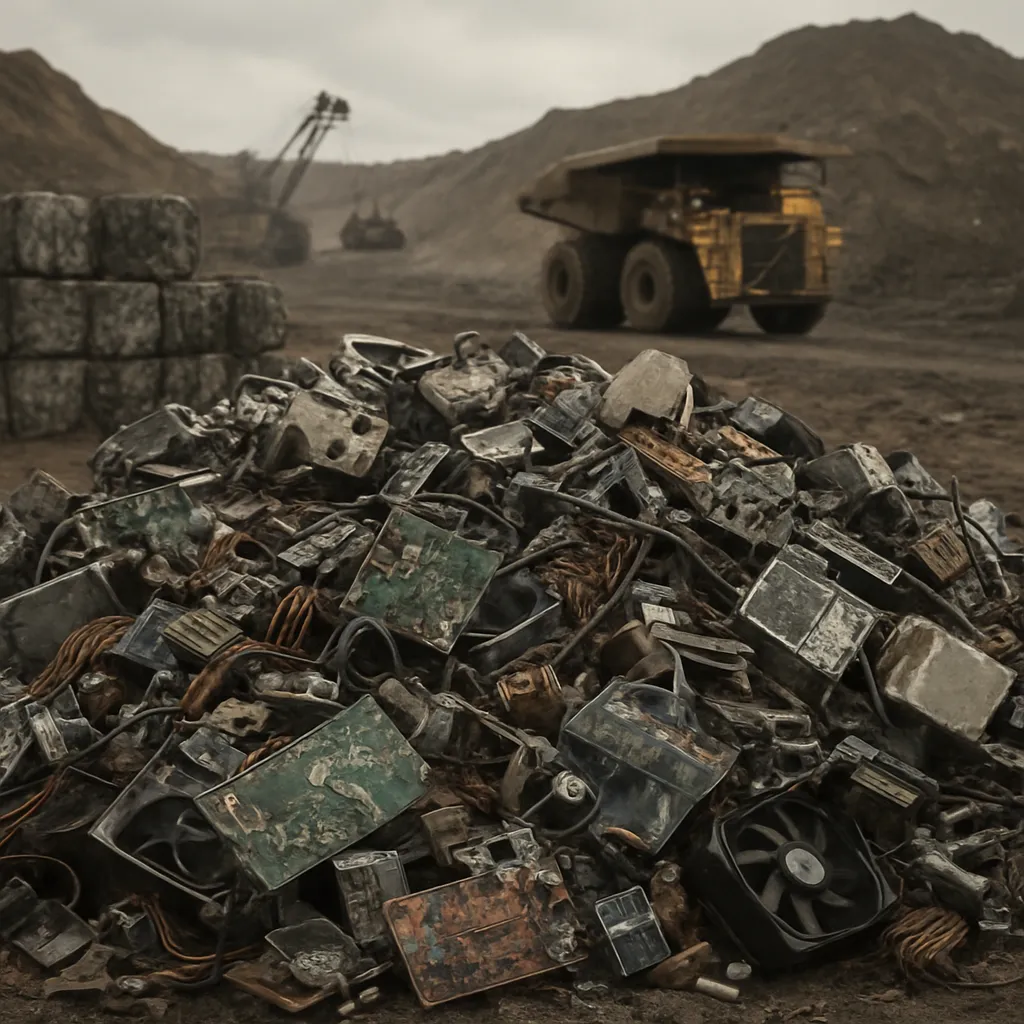
Traditional extraction of nickel and cobalt often involves large-scale open-pit mining, substantial water use, and the generation of hazardous tailings. Conversely, metal-free chemistries:p>
- Lower carbon emissions associated with processing.
- Minimize toxic waste streams and groundwater contamination.
- Enable easier end-of-life recycling, feeding into a robust circular economy.
Cost Competitiveness and Market Adoption
While early-stage technologies face scaling hurdles, economies of scale and continuous research are steadily reducing unit costs. Key factors influencing market uptake include:
- Performance parity with incumbent lithium-ion systems, particularly in energy density and cycle life.
- Manufacturing infrastructure adjustments to accommodate novel chemistries.
- Availability of established supply chains for organic and abundant mineral precursors.
Industry watchers predict that metal-free batteries could achieve cost parity within the next five to seven years, unlocking new applications in electric vehicles, consumer electronics, and renewable energy storage.
Sustainability and Decarbonization Goals
Governments and corporations have set ambitious targets for greenhouse gas reductions. Integrating metal-free batteries into the energy mix aligns with broader efforts toward decarbonization and climate resilience. Key policies driving adoption include incentives for low-carbon technologies, stricter environmental standards for mining operations, and research grants prioritizing sustainable materials.
Outlook
As the world navigates the twin imperatives of energy security and environmental stewardship, the quest for rare metal-free battery technologies represents a critical frontier. Through collaborative research, diversified supply strategies, and responsible governance, stakeholders can mitigate geopolitical risks, reduce ecological impacts, and accelerate the transition to a truly sustainable energy ecosystem.