The transition toward zero-emission transport has placed strategic mineral resources at the epicenter of modern innovation. The drive for efficient batteries, powerful motors, and robust infrastructure demands a steady flow of high-performance elements that have historically been scarce. Understanding the link between these critical inputs and sustainable mobility solutions is essential for policymakers, investors, and engineers alike.
Global Demand and Supply Dynamics
Mounting pressure to cut carbon emissions has spurred unprecedented growth in the consumption of rare metals. Key factors shaping this trajectory include:
- Surging investment in battery production facilities worldwide.
- Government mandates favoring electric vehicles through subsidies and regulatory targets.
- Technological breakthroughs driving down costs, thereby expanding market adoption.
However, the increasing appetite for components such as lithium, cobalt, and nickel has raised concerns over resource depletion and price volatility. Extraction rates in hard-to-reach regions often fail to keep pace with the skyrocketing demand, creating persistent supply imbalances. Moreover, geological concentration—where a handful of countries control the bulk of reserves—poses a systemic risk to stable access.
The Critical Role in Electric Powertrains
Modern powertrains rely heavily on specialized alloys and compounds that enable energy storage and conversion with minimal losses. Key applications include:
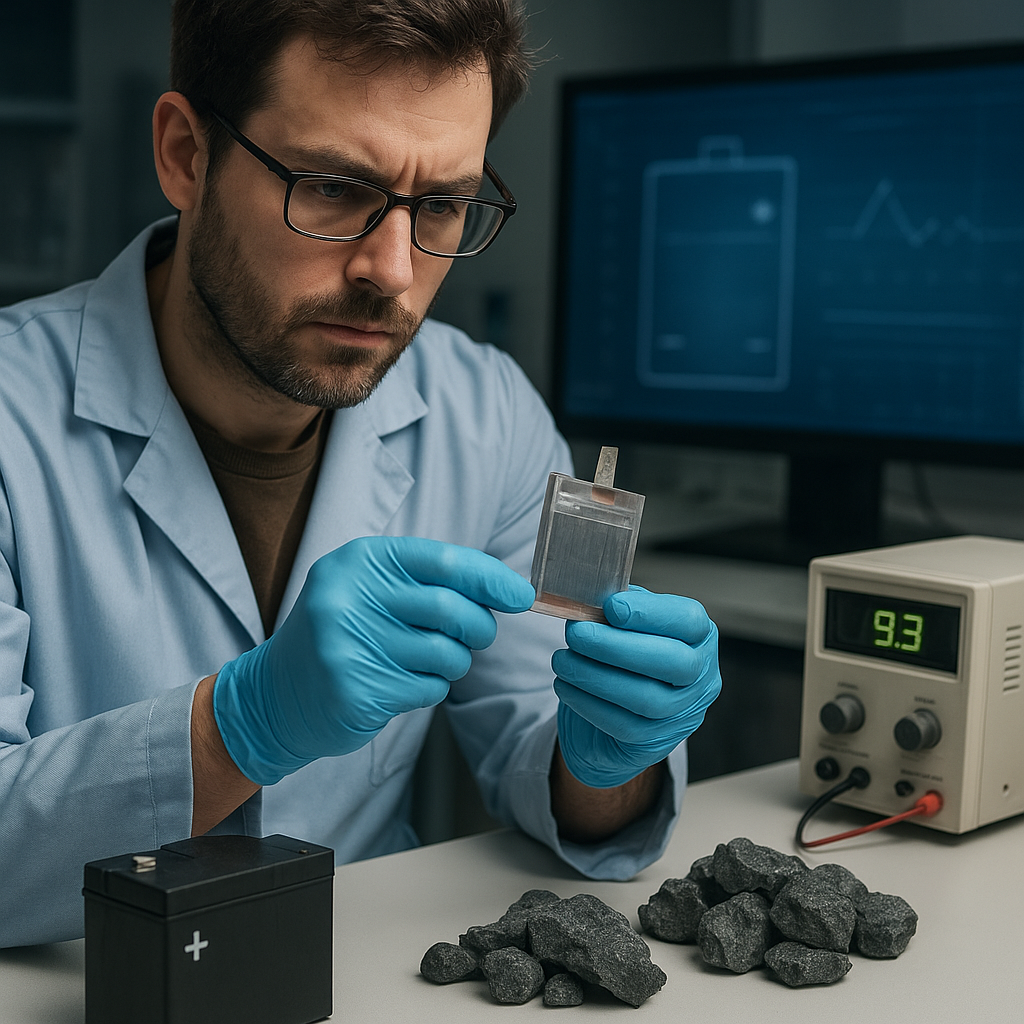
- Lithium-ion battery cathodes, where precise crystal structures determine capacity and lifespan.
- High-flux motors doped with rare earth elements to achieve superior torque density.
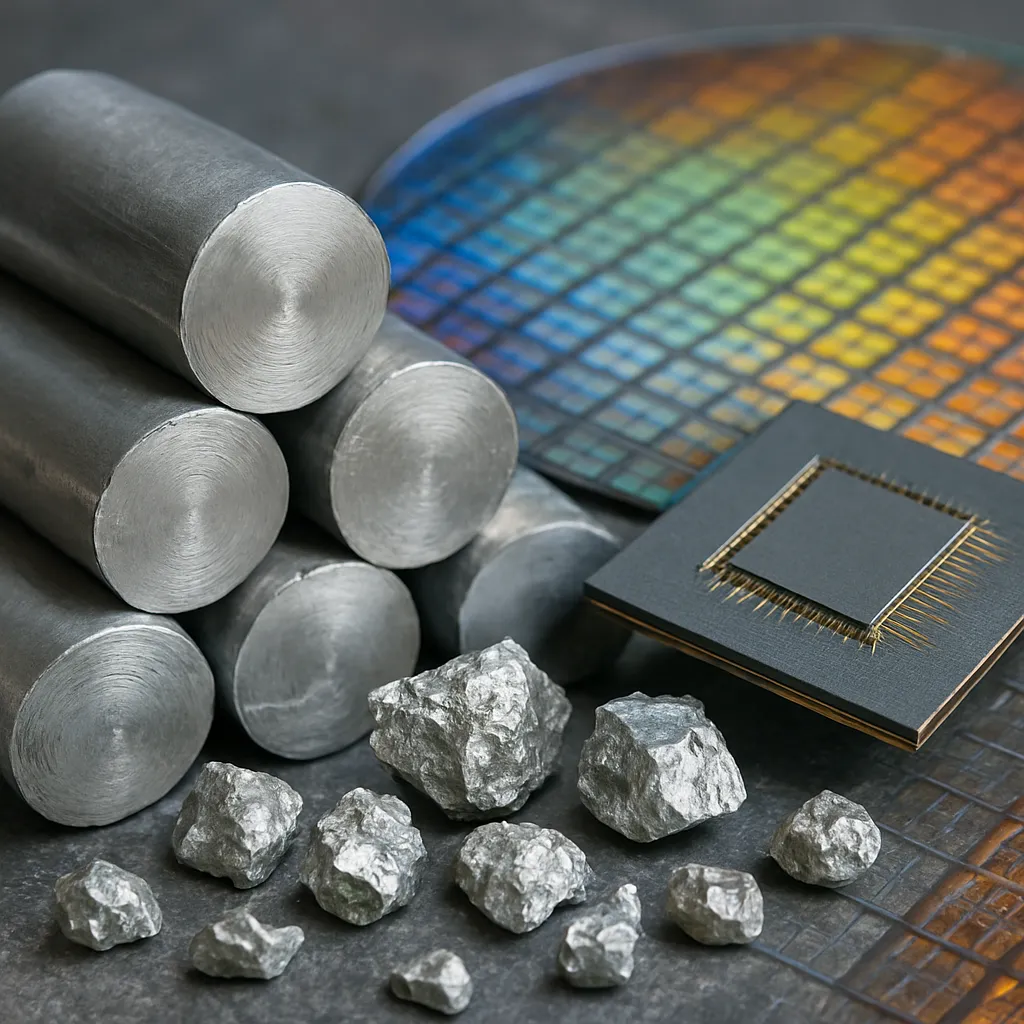
- Advanced electronic controls utilizing gallium and tantalum semiconductors for rapid switching.
Battery Innovation
Breakthroughs in solid-state electrolytes and silicon anode composites promise to reclaim performance while reducing reliance on scarce materials. Such innovations aim to improve safety, extend range, and accelerate charging—all crucial for consumer uptake. Yet, until these technologies reach mass production, conventional formulations remain dependent on finite reserves.
Sustainability Challenges and Recycling Pathways
Ensuring sustainability in the extraction and lifecycle management of strategic minerals is a formidable challenge. Mining operations often leave significant ecological footprints, including land degradation and water contamination. Ethical concerns over labor practices in certain jurisdictions further complicate efforts to establish transparent supply chains.
Circular Economy Approaches
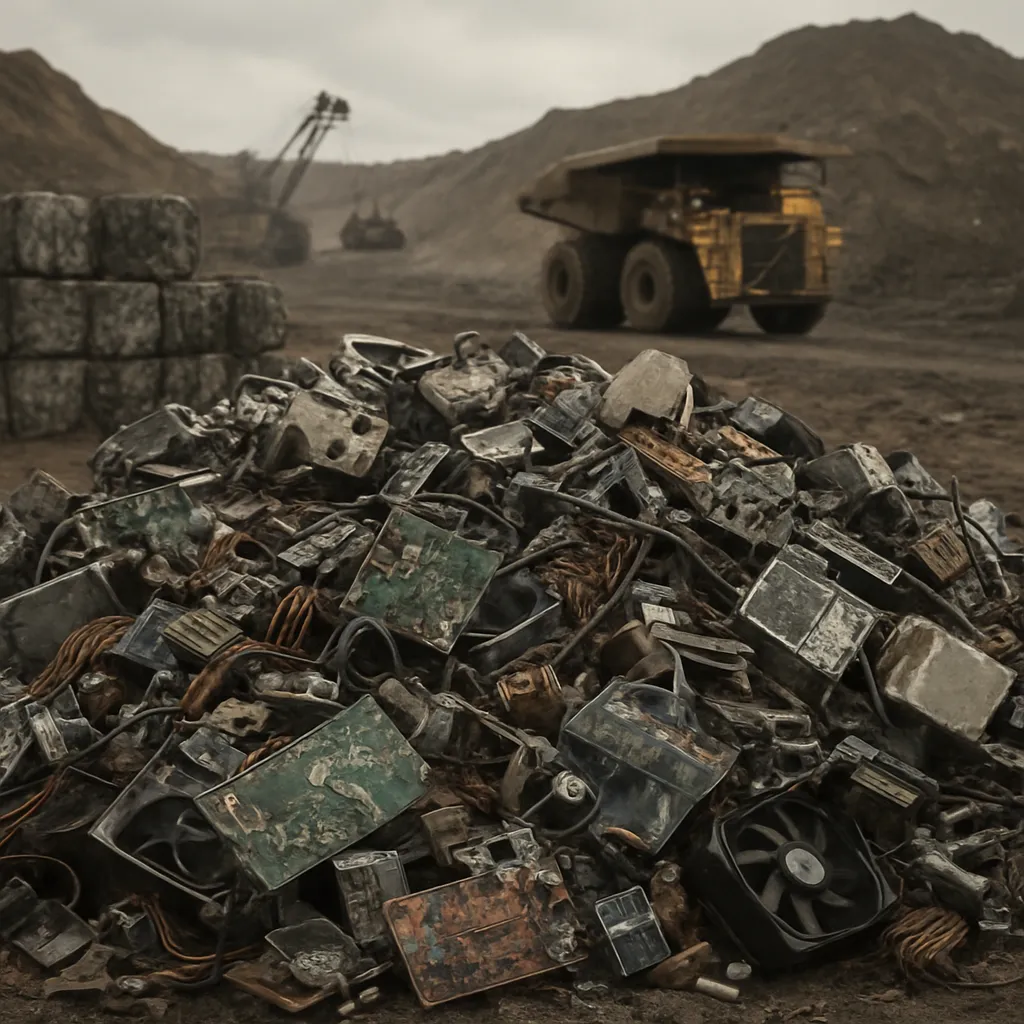
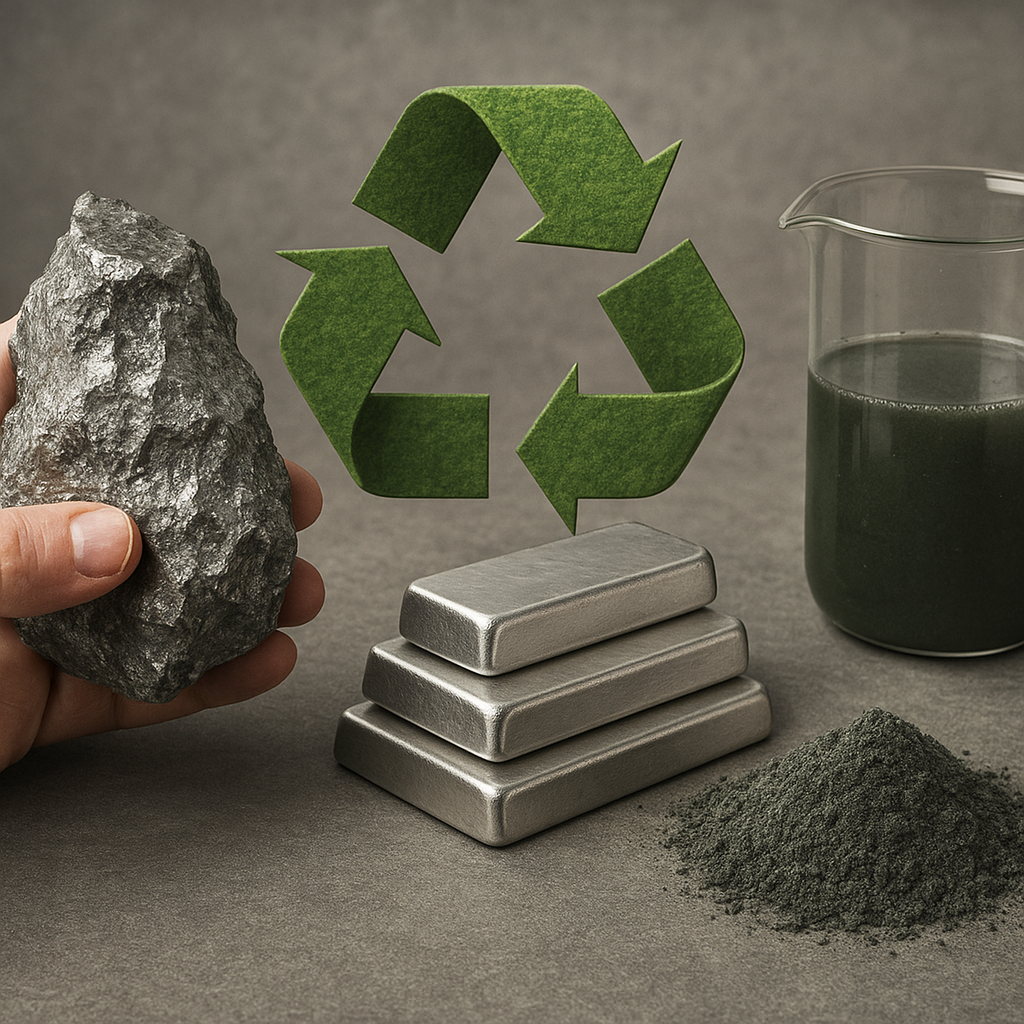
An emerging solution lies in enhanced recycling and material recovery processes. Urban mining—reclaiming metals from end-of-life batteries and electronics—can alleviate pressure on virgin resources. Key strategies include:
- Closed-loop collection programs incentivizing consumers and manufacturers.
- Advanced hydrometallurgical and pyrometallurgical methods to extract high-purity compounds.
- Cross-industry collaborations to create standardized modules that simplify disassembly.
While current recycling rates for nickel and cobalt remain modest, pilot initiatives are demonstrating scalable pathways. Government regulations that require minimum recycled content within battery packs could further bolster uptake.
Geopolitical Implications and Risk Mitigation
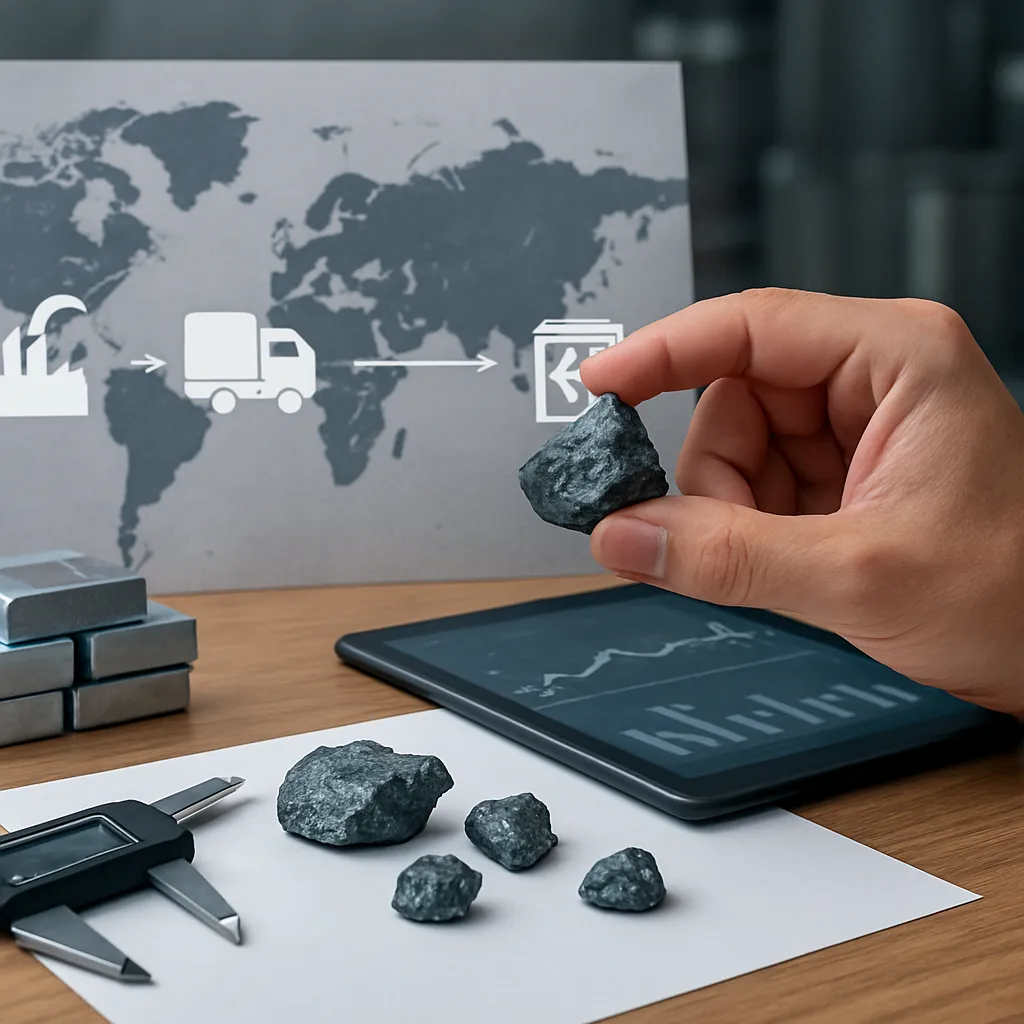
Access to strategic minerals is increasingly viewed through the lens of geopolitics. As nations vie for resource security, trade tensions and export controls have become common tools of leverage. This environment compels industries to diversify sourcing strategies, pursue long-term offtake agreements, and invest in localized processing capacity.
Strategic Alliances
Multilateral partnerships and joint ventures serve to diffuse risk and foster technology transfer. For instance, collaborative research on extraction efficiency can reduce environmental impacts, while shared stockpiles can buffer against short-term disruptions. Moreover, regional processing hubs shorten logistics chains, lowering the carbon footprint associated with transport.
Driving Decarbonization Through Innovation
Ultimately, the shift to low-emission mobility depends on continuous advancement in material science. Researchers are exploring alternatives to cobalt-rich chemistries, aiming to minimize ethical concerns and supply bottlenecks. Solid-state batteries, sodium-ion systems, and metal-air architectures represent promising avenues. Each approach seeks to deliver high energy density, rapid recharge times, and extended cycle life, all while reducing dependency on critical inputs.
Decarbonization goals extend beyond vehicle propulsion to encompass grid integration, smart charging, and vehicle-to-grid technologies. By optimizing the role of rare metals across the entire energy ecosystem, stakeholders can achieve more resilient and sustainable mobility networks.