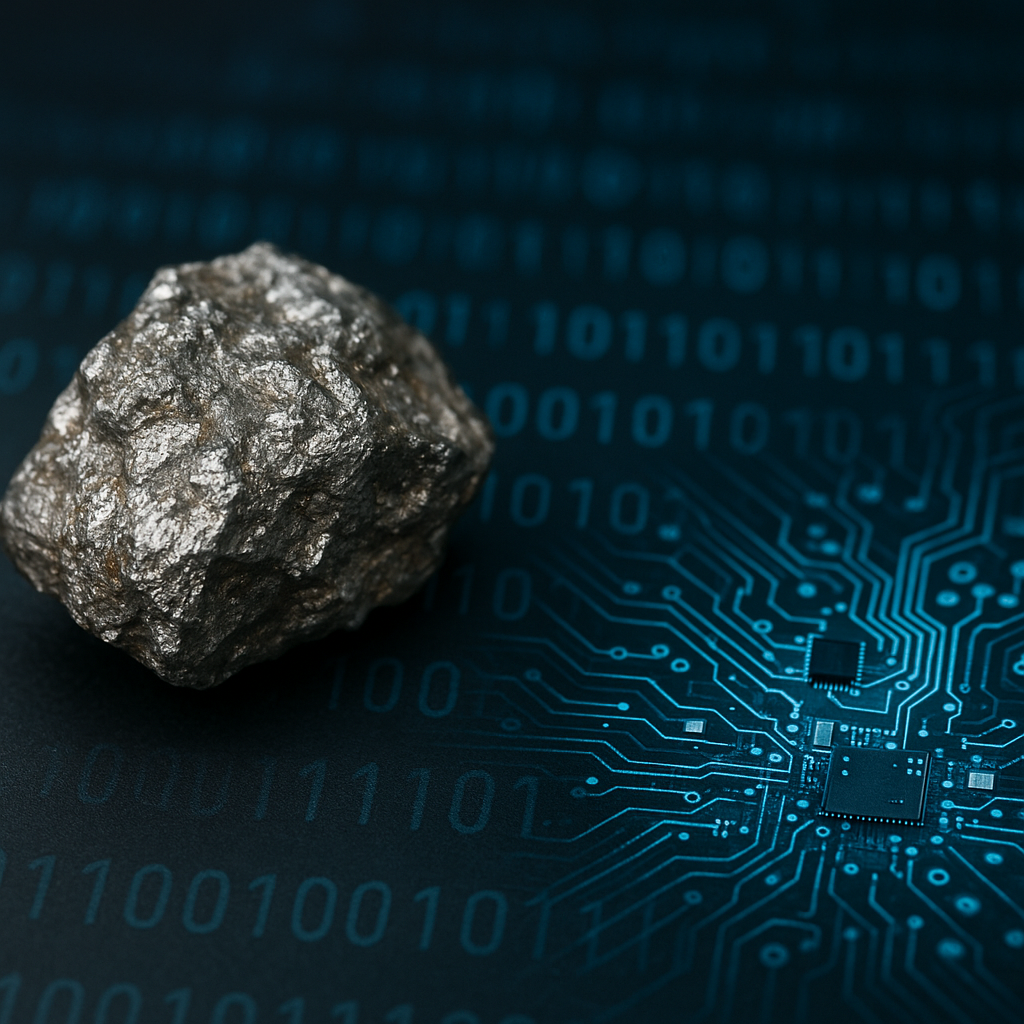
The rapid **digital transformation** across industries has intensified the demand for **critical minerals** and **rare earth elements**, driving a profound intersection between resource management and technological progress. As devices become more powerful and energy systems more efficient, the reliance on metals like neodymium, cobalt, and lithium has reached unprecedented levels. This article explores the evolving landscape of **global rare metals** within the context of **digitalization**, examining technological applications, supply chain complexities, recycling innovations, and the environmental and geopolitical challenges that accompany this vital nexus.
Integration of rare metals in modern digital technologies
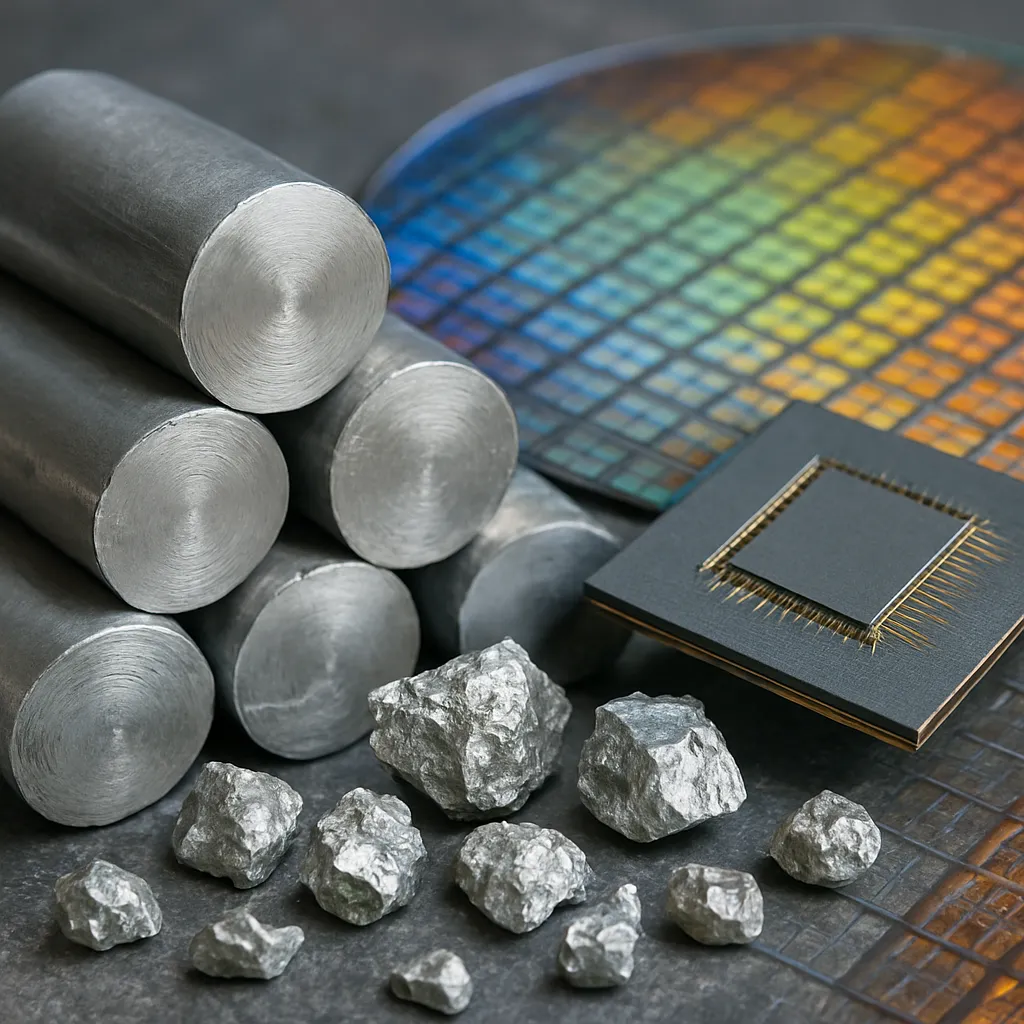
The incorporation of **rare earth elements** and other strategic metals underpins many breakthroughs in electronics, renewable energy, and communications. These materials often exhibit unique magnetic, catalytic, or conductive properties that are essential to high-performance components.
Key applications across sectors
- Smartphones and consumer electronics rely on dysprosium for speakers and neodymium for miniature magnets in vibration motors.
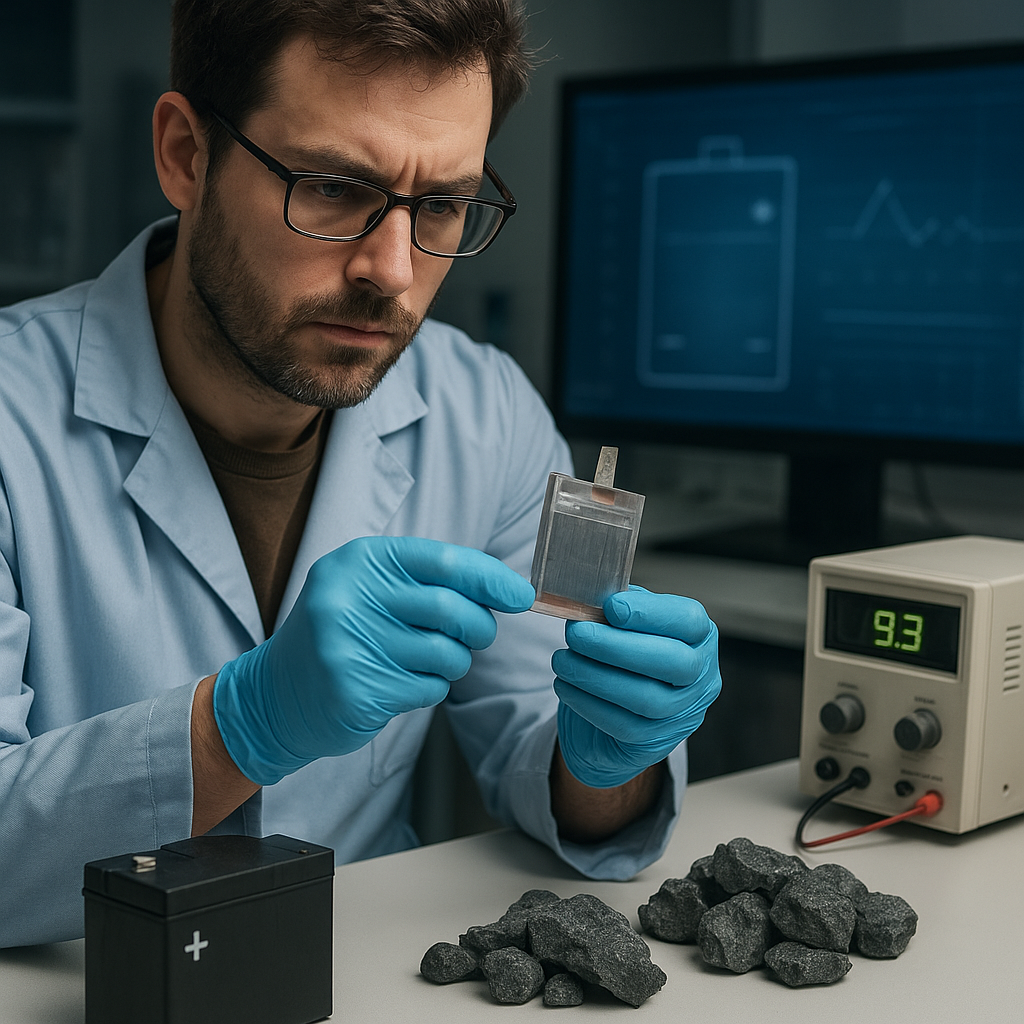
- Electric vehicles and battery technology utilize lithium and cobalt to achieve higher energy density, longer life cycles, and faster charging times.
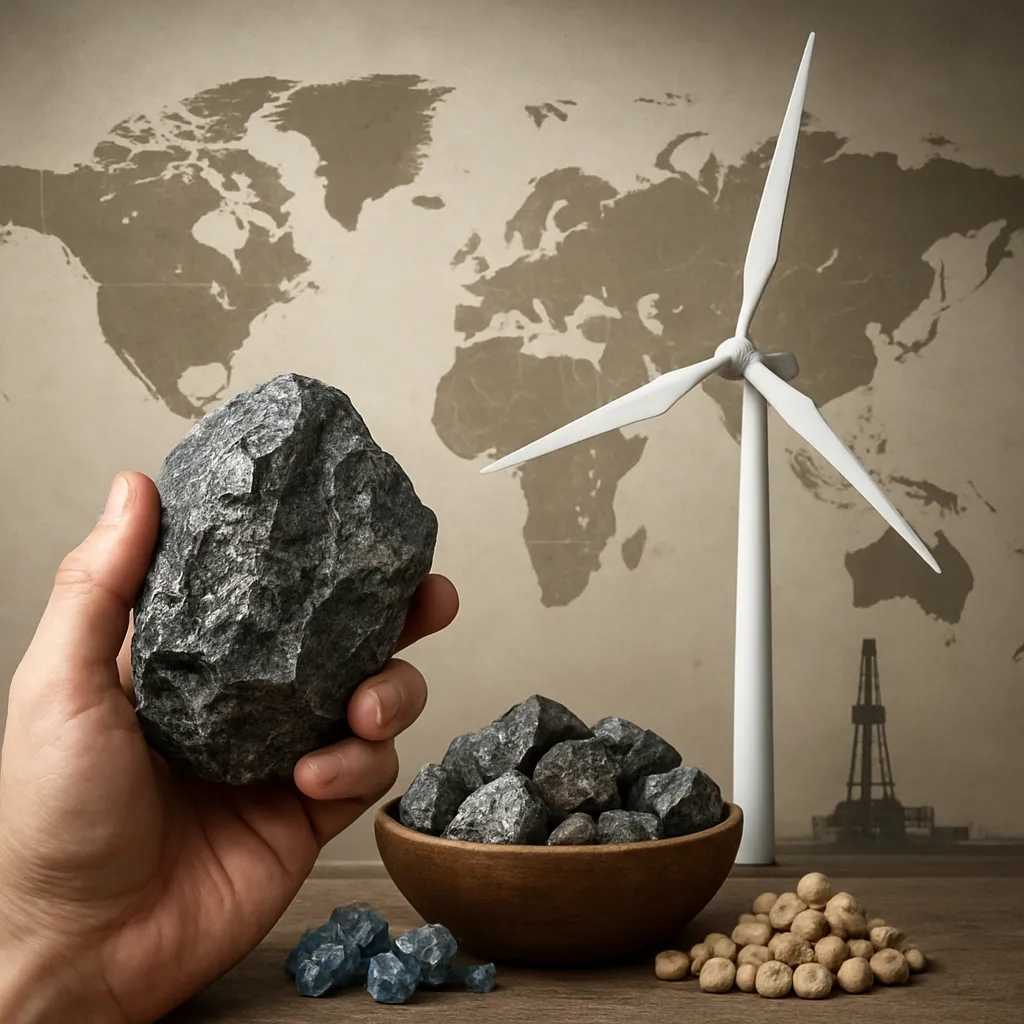
- Wind turbines require heavy rare earth alloys such as praseodymium-iron-boron for permanent magnets that drive efficient power generation.
- Optical devices and lasers depend on yttrium and erbium doping to produce precise wavelengths for medical diagnostics and telecommunications.
- Internet of Things sensors and actuators often incorporate gallium arsenide and indium phosphide to achieve superior performance at low power.
Supply chain complexities and geopolitical dynamics
Global production of **critical minerals** is highly concentrated, leading to **geopolitical tensions** and vulnerabilities in the **supply chain**. A handful of countries control the majority of extraction, processing, and refining capacity, which poses risks to manufacturers and governments seeking stable access.
Regional concentration of extraction
- China dominates the mining and processing of rare earths, accounting for over 60% of global output and almost 90% of refining capacity.
- Australia and the United States maintain significant deposits of lithium and cobalt, with expansion plans under regulatory scrutiny.
- Emerging producers in Africa and South America are mobilizing investment in **sustainability**-focused projects to diversify global supply sources.
Trade policies and strategic reserves
- Tariffs and export quotas on rare earth oxides can trigger supply disruptions for downstream industries.
- Strategic stockpiling initiatives aim to buffer critical mineral shortages during periods of heightened demand or diplomatic conflict.
- International partnerships—such as trilateral agreements between the U.S., Japan, and Australia—seek to build resilient value chains through co-investment in mining and processing facilities.
Advances in resource management and recycling
With mounting concerns over finite reserves and environmental footprints, the drive toward **recycling** and innovative extraction methods has become paramount. Digital tools are revolutionizing how companies monitor, recover, and repurpose rare metals from end-of-life products.
Urban mining and closed-loop strategies
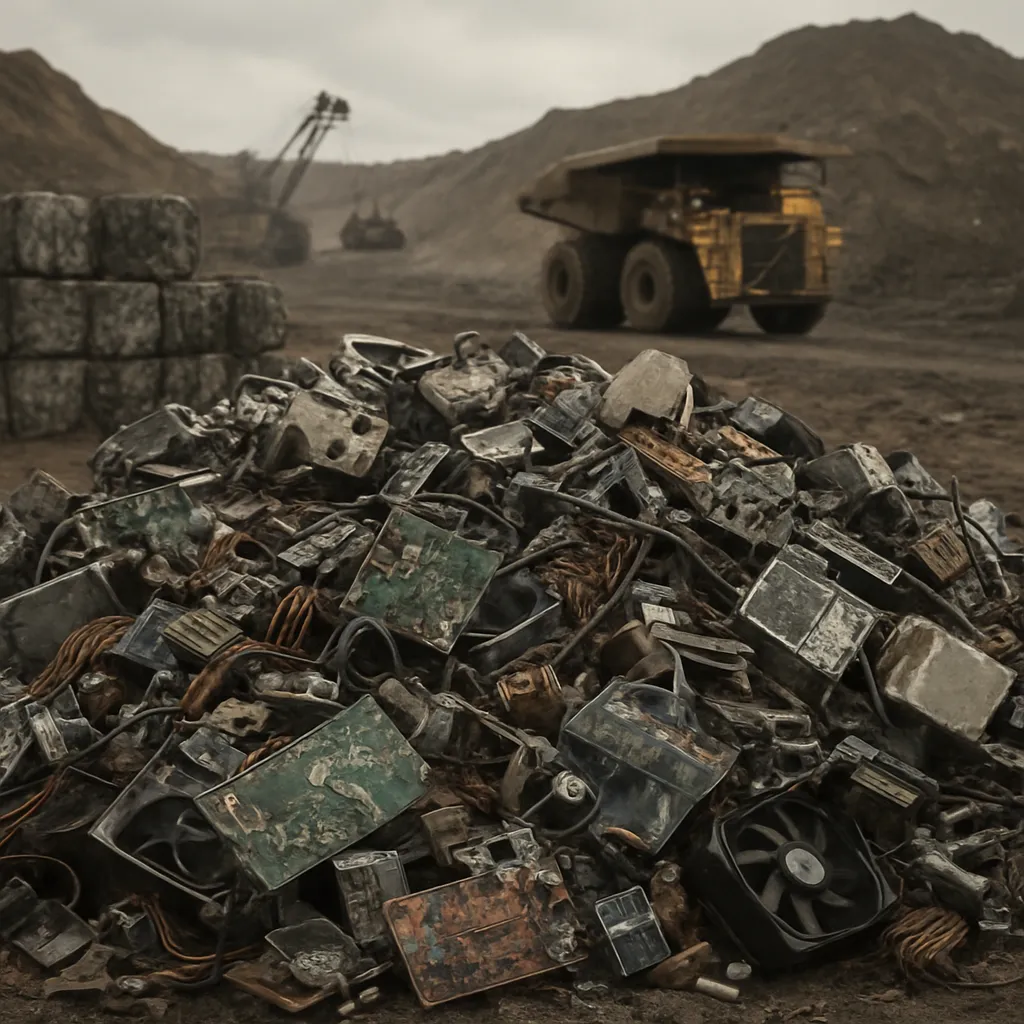
- Automated sorting lines powered by machine vision and AI identify and segregate valuable metals from electronic waste.
- Hydrometallurgical techniques dissolve circuit board components to recover gold, palladium, and other precious elements with minimal energy use.
- Closed-loop partnerships between OEMs and recyclers ensure that batteries, magnets, and semiconductors are returned to manufacturers for reuse.
Innovative extraction technologies
- Biomining approaches employ metal-accumulating microbes to leach nickel, cobalt, and copper from low-grade ores, reducing reliance on harsh chemicals.
- Deep-sea mining explorations target polymetallic nodules rich in manganese, cobalt, and rare earths, though ecological implications remain contested.
- Laser-enabled separation and solvent-free processes aim to cut carbon emissions associated with traditional smelting and refining operations.
Environmental and regulatory landscape in the digital age
Digitalization not only fuels demand but also offers solutions for better oversight of environmental and social impacts. **Sustainability** frameworks and **ESG** reporting requirements are pushing companies to adopt transparent practices throughout the lifecycle of rare metals.
Traceability and certification
- Blockchain platforms record each transaction from mine to end product, enabling real-time verification of origin and compliance with conflict-mineral regulations.
- Digital twins of mining operations simulate environmental scenarios and optimize water usage, waste management, and land rehabilitation strategies.
- Third-party auditing tools assess labor standards, community engagement, and biodiversity metrics in remote extracting regions.
Regulatory drivers and public-private collaboration
- International treaties and national laws are increasingly mandating disclosure of material origin, especially for **conflict minerals** used in electronics.
- Government incentives for low-carbon technologies encourage investment in alternative chemistries and secondary feedstocks for battery production.
- Multistakeholder initiatives unite NGOs, industries, and policymakers to develop harmonized standards that mitigate **environmental** risks and support sustainable development goals.