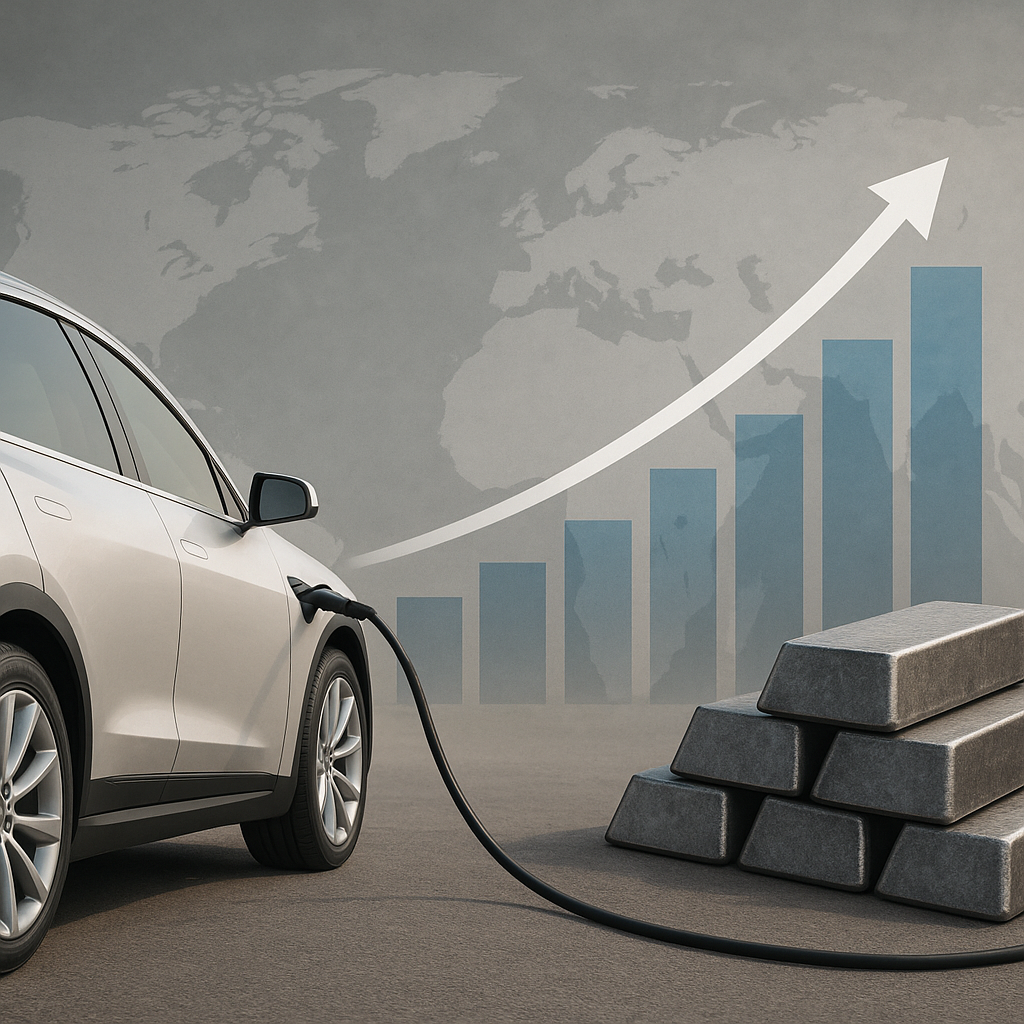
The relentless expansion of the electric vehicle market has triggered a profound transformation in the demand for critical raw materials. As automakers accelerate efforts to phase out internal combustion engines, the spotlight falls on the metals that power modern mobility. This article explores how the surge in electric vehicle adoption reshapes global demand for rare metals, analyzes the vulnerabilities in existing supply chains, and examines strategies that promise more sustainable sourcing and circularity.
The Critical Role of Rare Metals in Electric Vehicle Batteries
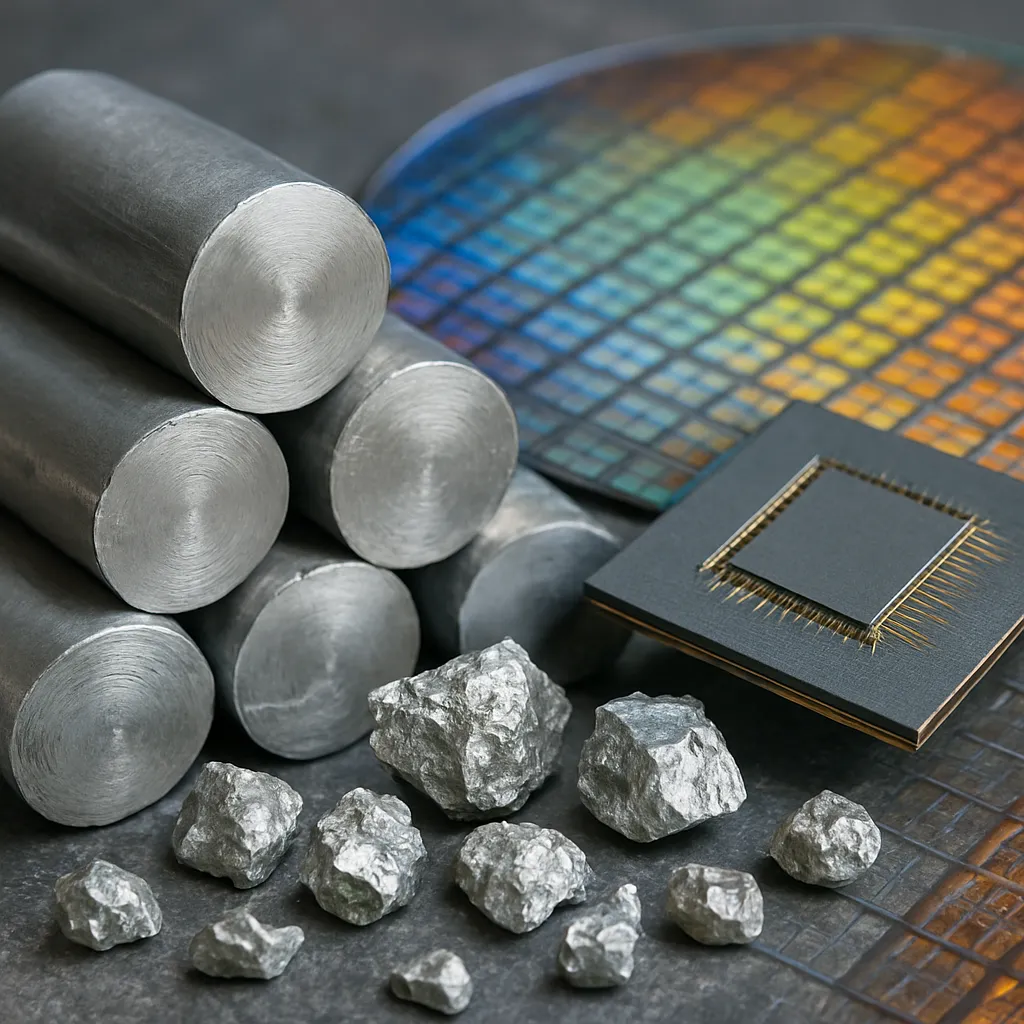
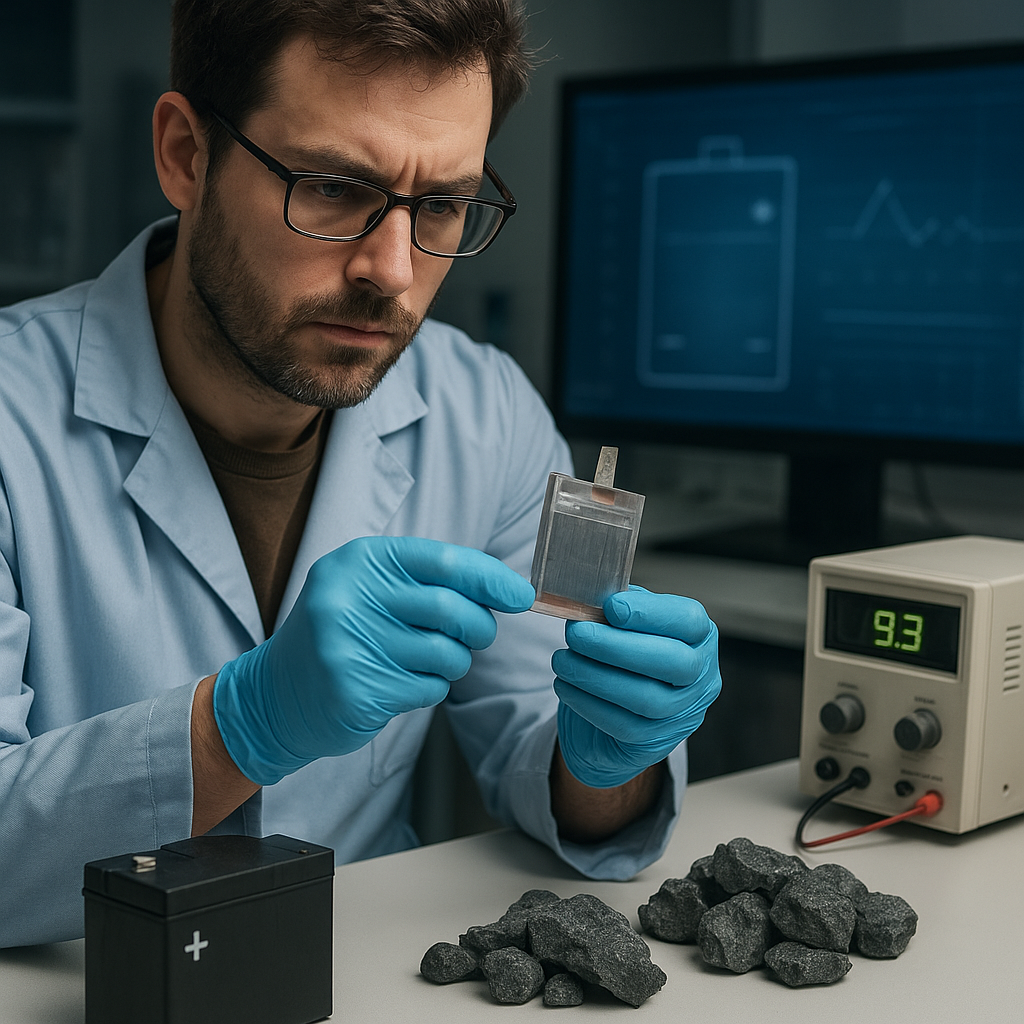
At the heart of every electric vehicle lies a battery pack engineered to deliver high energy density, safety, and longevity. These performance characteristics depend heavily on specific minerals and elements. Among them, Lithium forms the backbone of contemporary lithium-ion batteries, while Cobalt and Nickel play pivotal roles in cathode chemistry. Graphite serves as the primary material for anodes, and Copper facilitates efficient electrical conduction throughout the cell. As EV production ramps up, demand for these materials is projected to skyrocket:
- Lithium demand could increase sevenfold by 2030 compared to 2020 levels.
- Cobalt and nickel requirements may double or triple as high-nickel cathode chemistries gain favor.
- Graphite consumption is expected to mirror battery expansion, with synthetic and natural sources struggling to keep pace.
Beyond the core cell components, rare earth elements such as neodymium and dysprosium are indispensable for manufacturing high-performance electric motors. These magnets contribute to weight reduction and enhanced efficiency, making them foundational to EV powertrain innovations.
Supply Chain Vulnerabilities and Geopolitical Dynamics
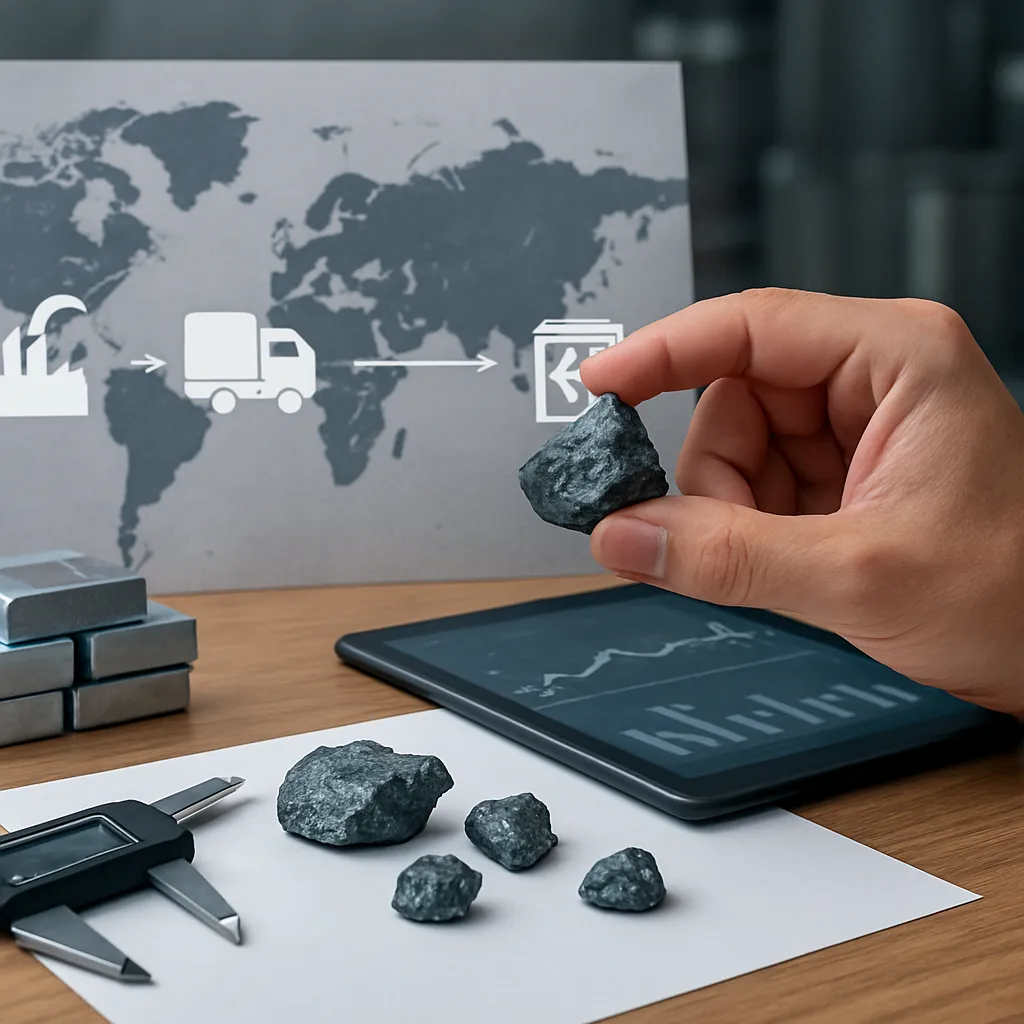
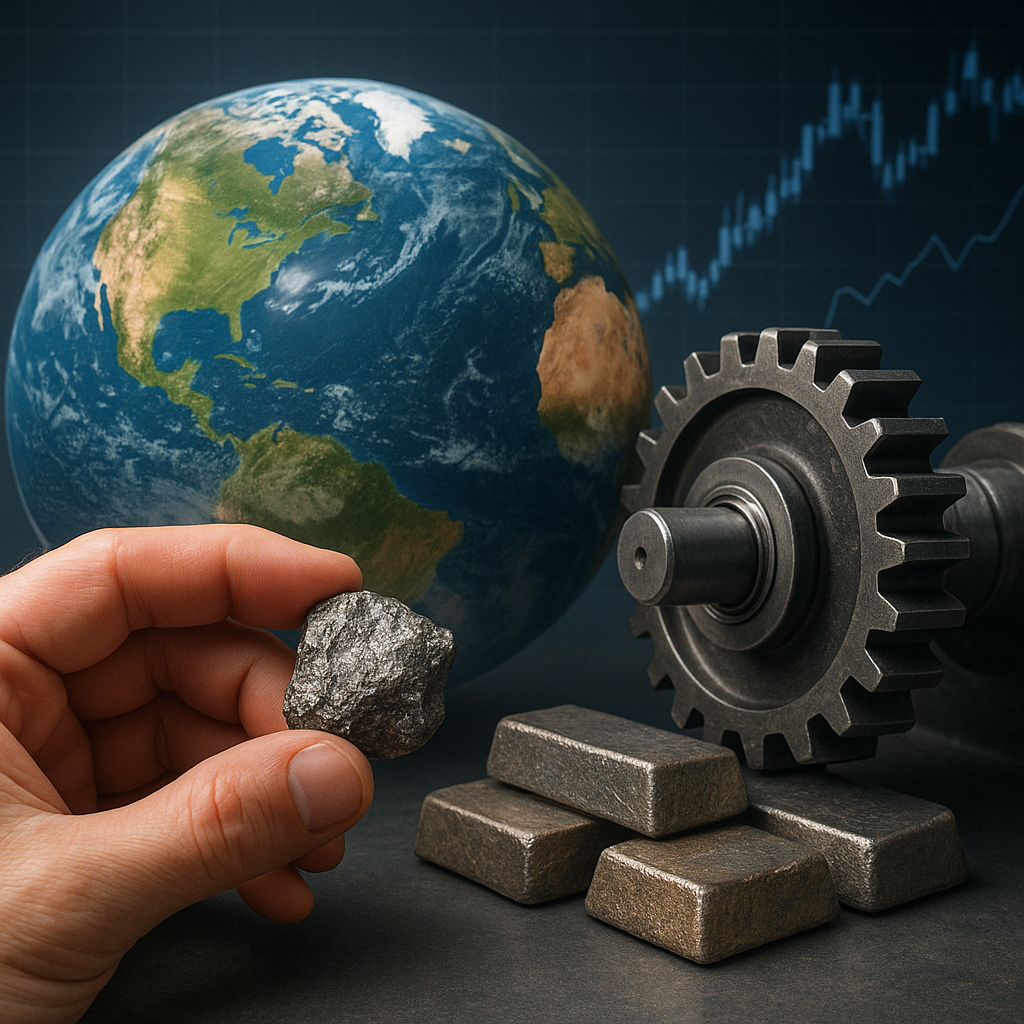
The global distribution of metal reserves and processing capacity reveals significant concentrations in a handful of countries. This concentration creates systemic risks and exposes the EV industry to Supply Chain disruptions driven by political tensions, export restrictions, or environmental regulations. Key challenges include:
- Democratic Republic of Congo controls over 60% of global cobalt mine production, heightening scrutiny over ethical sourcing and child labor concerns.
- China dominates the refining and processing of both lithium and rare earth elements, granting it considerable leverage over downstream markets.
- Indonesia’s nickel laterite deposits are crucial for stainless steel and battery-grade nickel, yet infrastructure bottlenecks and regulatory changes can delay projects.
The intersection of resource nationalism and global demand has intensified Geopolitics around critical metals. Nations are forging strategic partnerships, stockpiling reserves, and investing in exploration projects abroad to secure long-term access. Automakers and battery manufacturers, in turn, are diversifying their supply chains, entering into joint ventures, and investing directly in upstream operations to mitigate these risks.
Recycling, Circular Economy, and Sustainable Sourcing
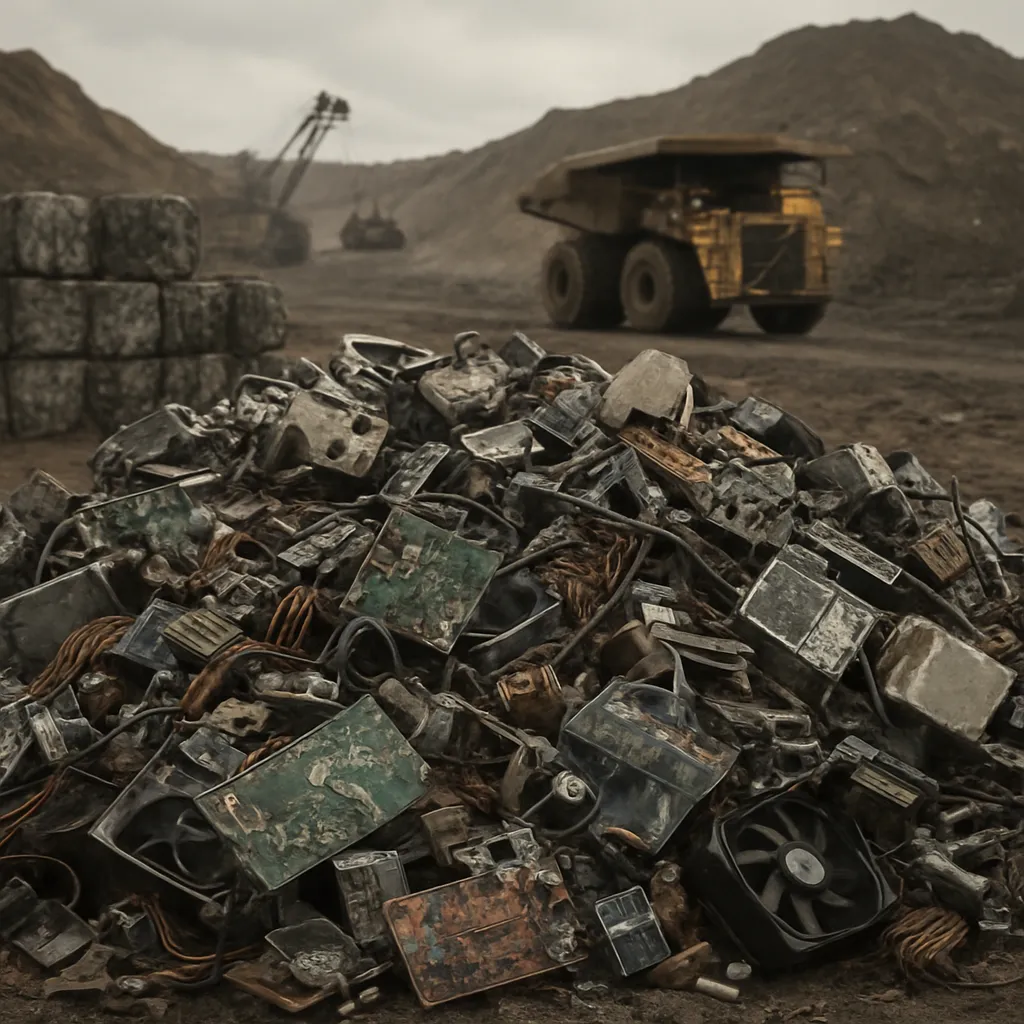
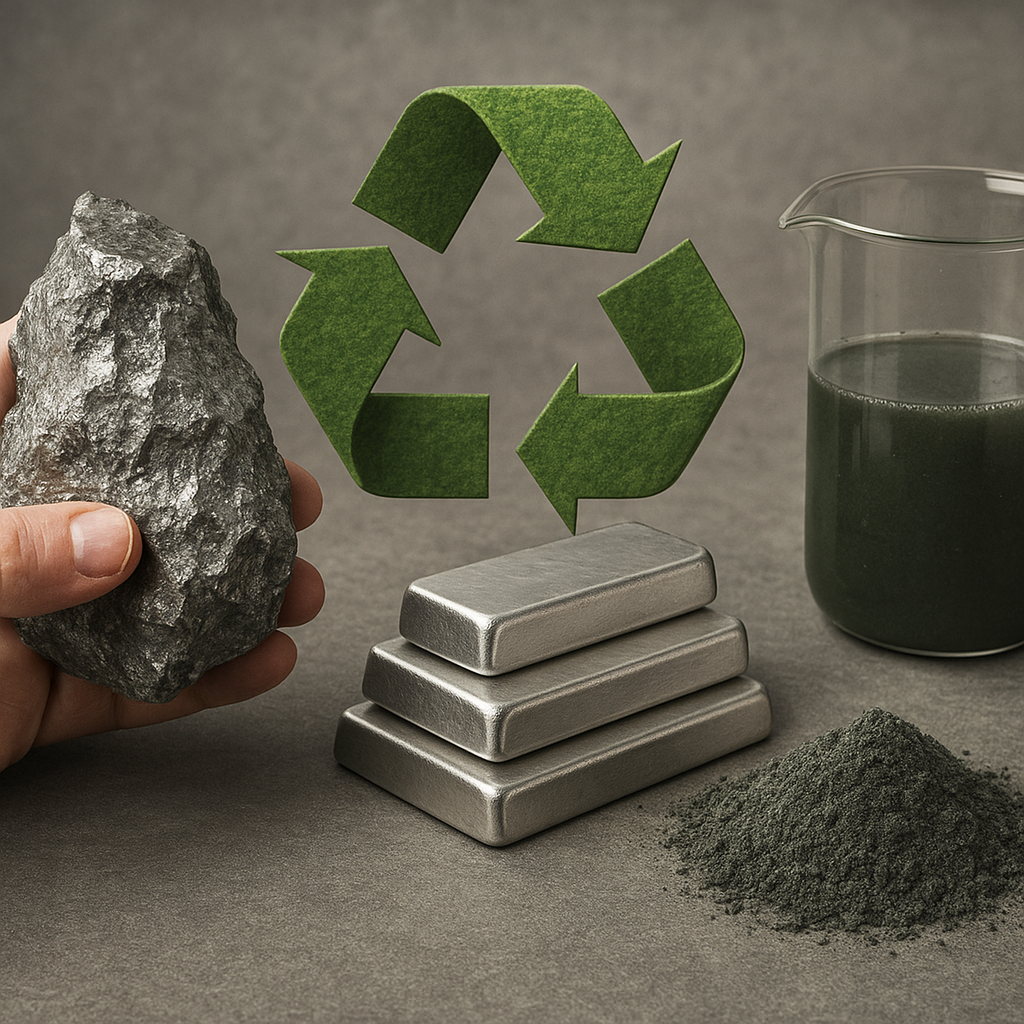
Recycling represents a promising avenue to reduce reliance on primary mining and enhance resource efficiency. By recovering metals from end-of-life batteries, manufacturers can close material loops and lower the carbon footprint of EV production. Current barriers to widespread battery recycling include technical challenges related to chemical separation, the high cost of processing, and the fragmented collection infrastructure.
Innovations in recycling technologies aim to improve recovery rates for Recycling targets such as lithium, cobalt, and nickel. Hydrometallurgical processes, for example, use solvent-based extraction to selectively reclaim valuable metals with reduced energy intensity. Mechanical pre-treatment steps can remove plastics, casings, and other non-metallic components, streamlining downstream operations.
Alongside recycling, responsible mining practices and transparency in sourcing are garnering increased attention from investors and regulators. Standards and certifications—such as the Initiative for Responsible Mining Assurance (IRMA) and the Battery Passport concept—seek to ensure traceability and adherence to environmental and human rights benchmarks. Embedding Sustainability principles across the value chain not only mitigates reputational risks but also aligns with the ESG priorities of many stakeholders.
Technological Innovation and Future Outlook
Continuous research aims to develop alternative chemistries that reduce or eliminate dependence on scarce or contentious metals. Promising directions include:
- Solid-state batteries that replace liquid electrolytes, potentially lowering the need for Cobalt and boosting energy density.
- Cobalt-free cathodes using high-manganese formulations to achieve performance comparable to traditional NMC (nickel-manganese-cobalt) mixes.
- Silicon-based anodes that enhance capacity and cycle life, though challenges in volume expansion remain.
Advances in material science could also enable the substitution of rare earth magnets with alternative motor designs or less critical magnet alloys, easing pressure on neodymium and dysprosium supplies. Meanwhile, digital solutions like blockchain-enabled tracking systems are being piloted to enhance transparency and authenticate claims of conflict-free sourcing.
The combined impact of evolving battery technologies, scaling recycling infrastructures, and strategic resource diversification will shape the trajectory of global metal demand. As automotive OEMs pledge net-zero targets and regulators tighten environmental policies, the race to secure and steward critical metals responsibly takes center stage.
Key Takeaways
- Electric vehicles rely on a suite of rare metals, with Lithium, Cobalt, Nickel, Graphite, and Copper at the core.
- Supply chain risks are heightened by geographic concentration and political dynamics.
- Recycling and sustainable sourcing models are essential to mitigate resource scarcity.
- Technological breakthroughs and material substitution offer pathways to lower critical metal intensity.